 Search


- Switzerland launches time limited rescue plan aimed at providing funding and reform buffer for key railway freight operations
- The Swiss government injects transitional funds based on clear timelines and strict reform conditions, reflecting its pragmatic governance model of balancing public services, green goals, and fiscal discipline
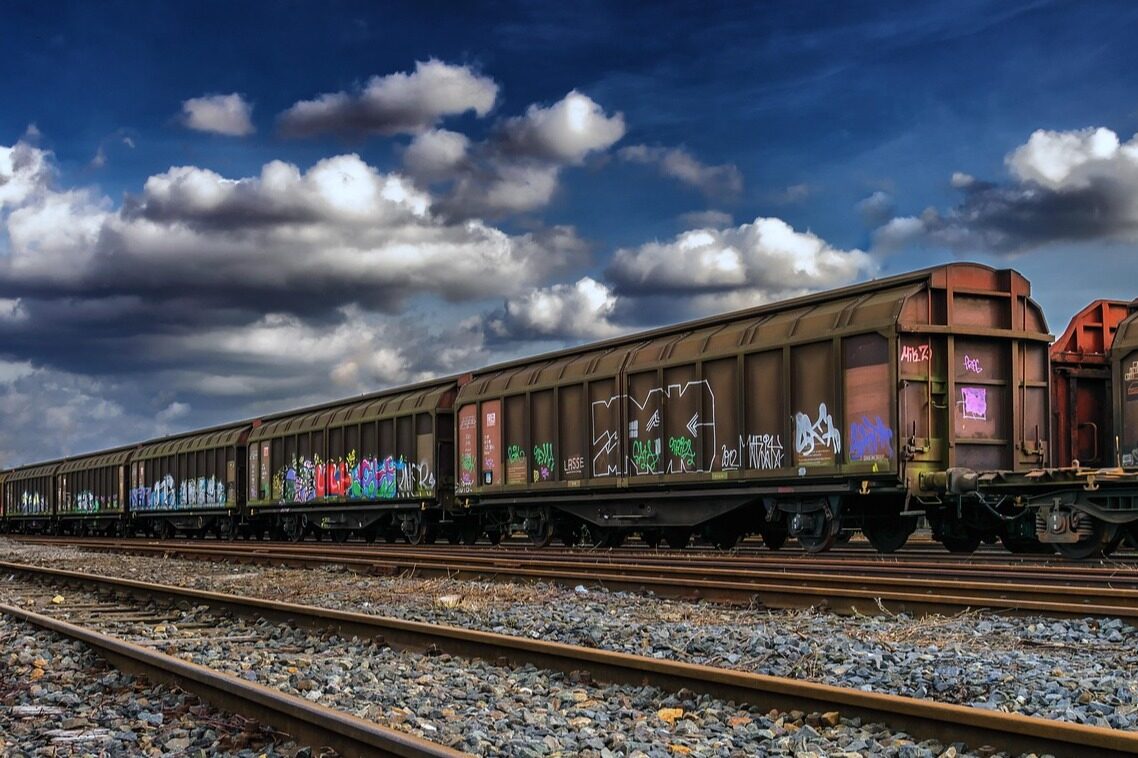
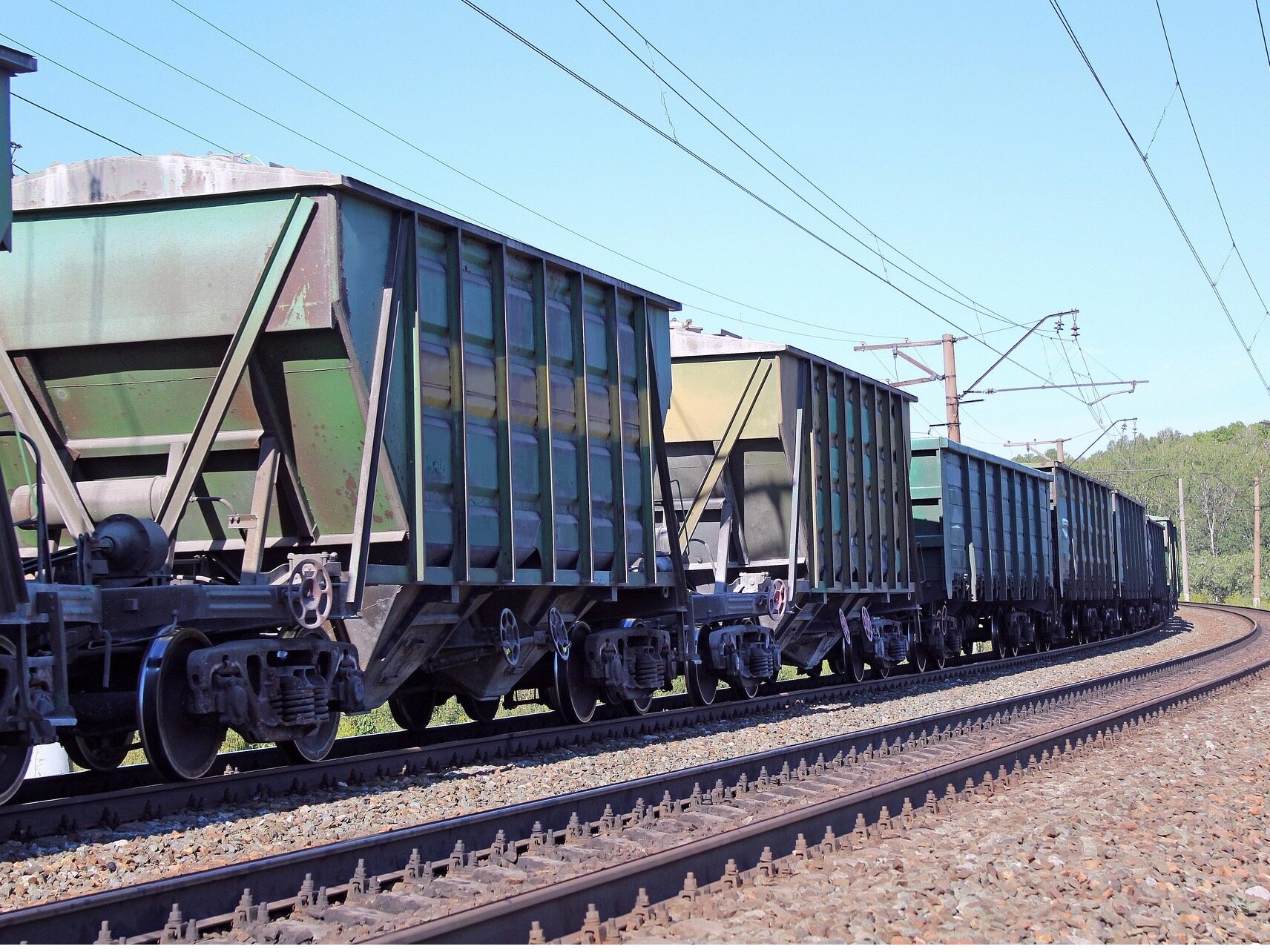
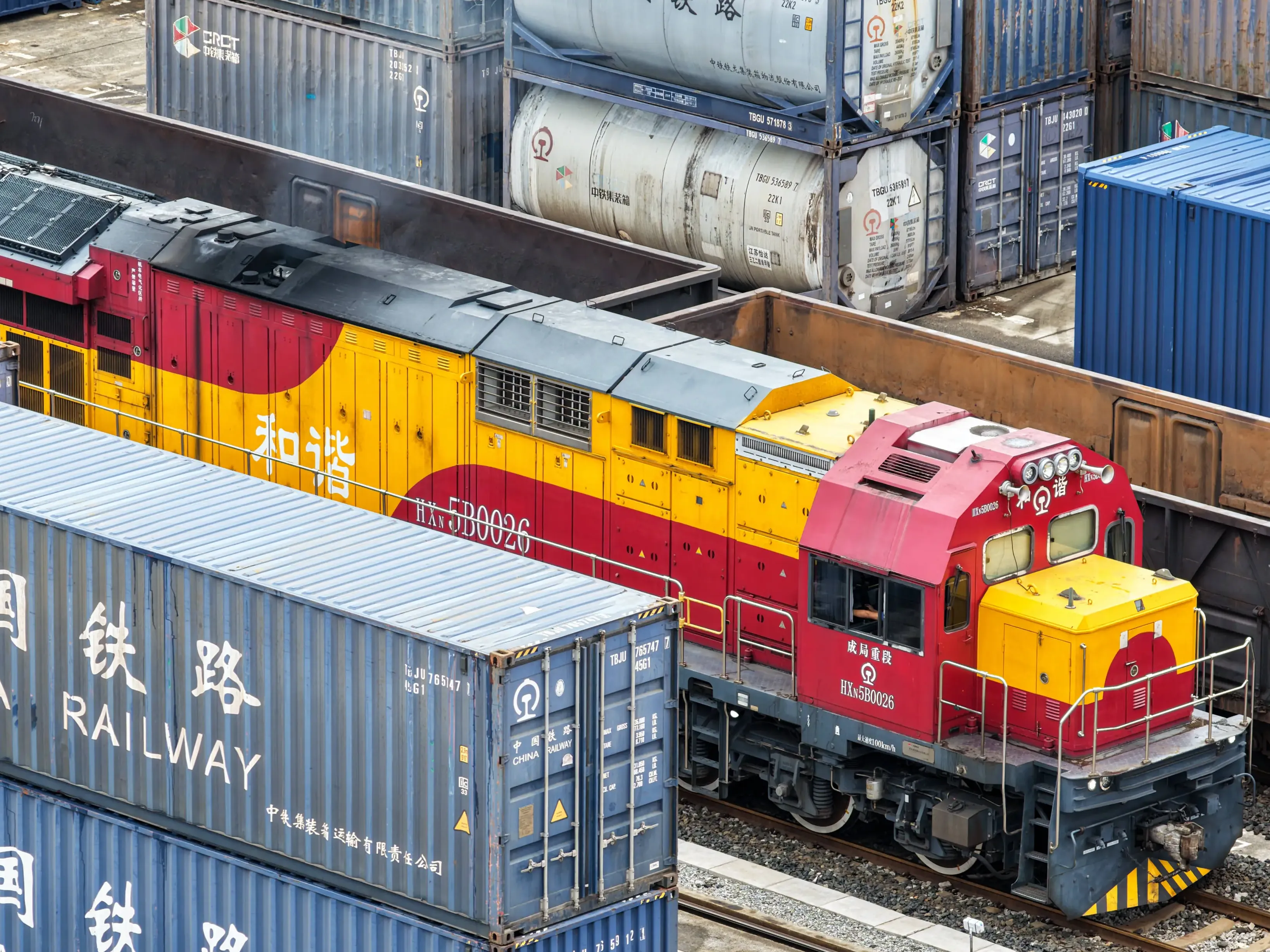
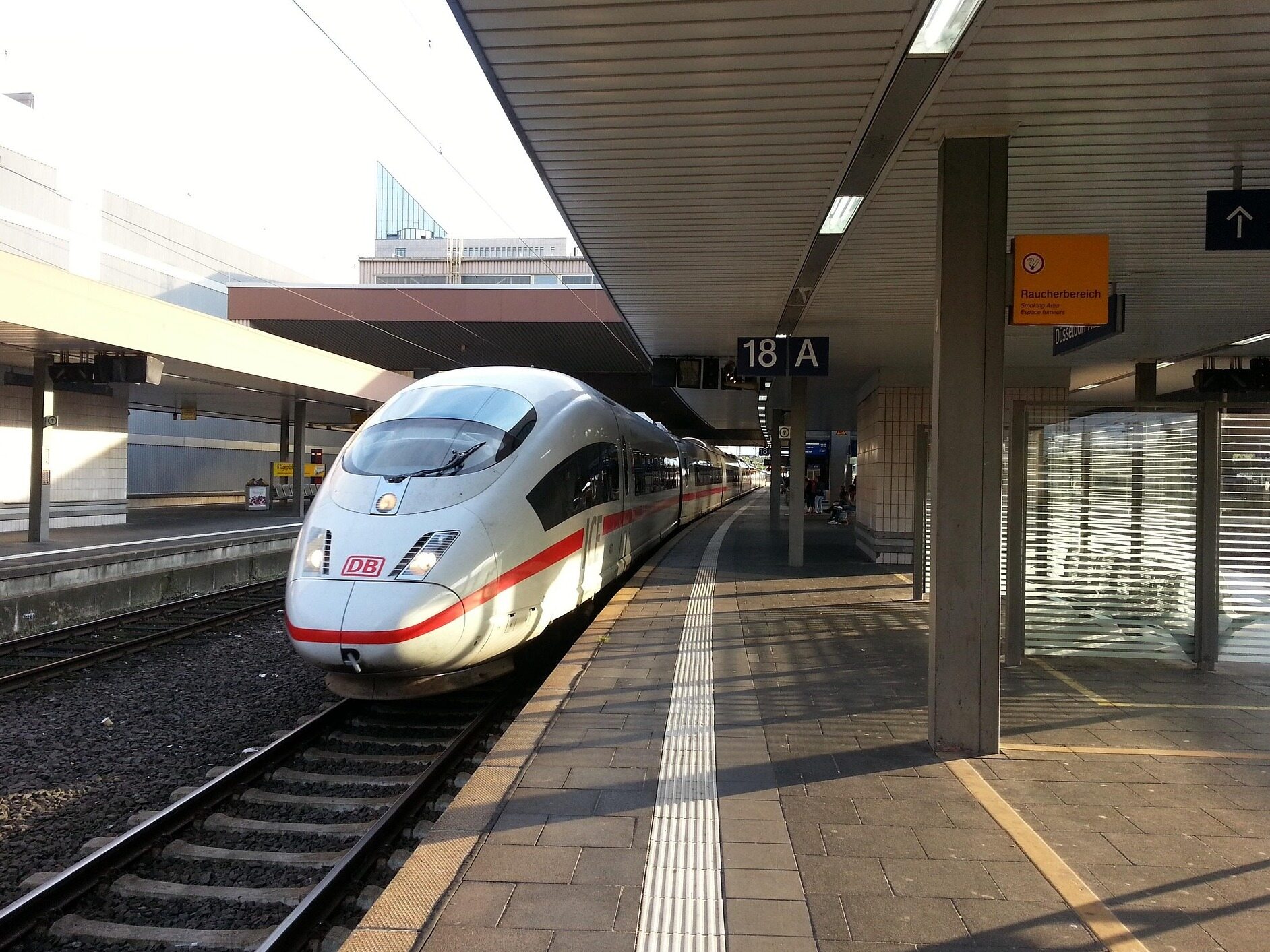
On the winding Alpine railway in Switzerland, food from Migros supermarket, steel from Gerla Lengen, and salt from Switzerland are transported. This type of bicycle leather freight, like the capillaries of the economy, is now facing the challenge of survival at a loss.
The Swiss government has signed an eight year service agreement with Swiss Federal Railways to provide direct financial support of 260 million Swiss francs over the next four years, with the goal of salvaging the basic railway freight service that incurred an annual loss of 81 million Swiss francs but transported 11 million tons of critical materials nationwide.
The ultimate transformation under limited time subsidy
This government led rescue plan is set as a transition with a deadline to meet standards. The parliament has revised the Freight Transport Law, with the core goal of achieving complete economic self-sufficiency in single bike leather transportation after the eight year funding period ends.
The funds from the first four years have two clear purposes: firstly, to cushion the impact of rising transportation prices on customers, and secondly, to support the automation and digitalization investments being made by the Swiss Federal Railway Freight Department. Government investment is not simply a blood transfusion, but rather providing start-up funds and a buffer period for a profound business model transformation.
To this end, a new operating model called Better Railway will be officially launched in December 2026. The core logic is centralization and streamlining - the freight network will be optimized, with a focus on operating longer distance, high-capacity backbone connection lines, and service points with insufficient demand will be adjusted.
Long term bet of industrial alliance
The success of reform cannot be achieved without the support of core customer groups. In November, the Swiss Federal Railway Freight Department renewed long-term agreements with a group of key enterprises in the national economy, including Switzerland's largest retailer Migros, agricultural giant Fenaco, and leading companies in the steel and salt industries, with some contracts lasting up to ten years.
This means that over 95% of the existing core transportation volume has been guaranteed. The long-term bets of these industrial customers not only provide a stable business foundation, but also send a clear signal that the Swiss economy cannot do without the supply chain on this track.
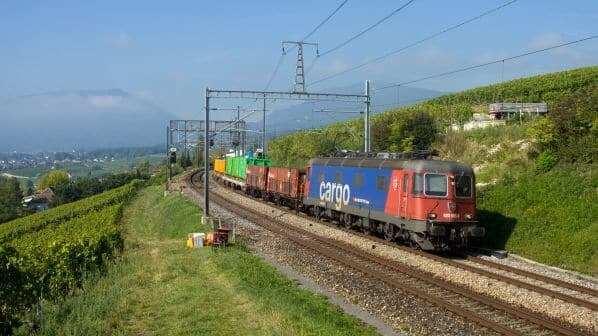
It is estimated that this railway service can replace one million truck trips on the road every year, and its strategic value in environmental protection and alleviating road pressure is enormous. This reform is a key practice for Switzerland to balance economic benefits, industrial competitiveness, and green transportation goals. Keywords: International News and Information, International News Network
The parallel plan of government funding and mandatory reform this time is a compromise after multiple parties' games. In the end, all parties reached a consensus: it is necessary to use the eight year window period to complete a thorough modernization of this basic service, so that it can operate independently and healthily in the future, and continue to serve as the lifeblood of the Swiss economy.Editor/Cheng Liting
Comment


 Praise
 Collect
 Comment

 Share
Share


Write something~