 Search


- This canal will fundamentally reshape the inland waterway transportation pattern in Jiangxi and even southern China
- This project opens up an efficient and low-cost new channel for inland provinces such as Jiangxi to directly access the Guangdong Hong Kong Macao Greater Bay Area and go global
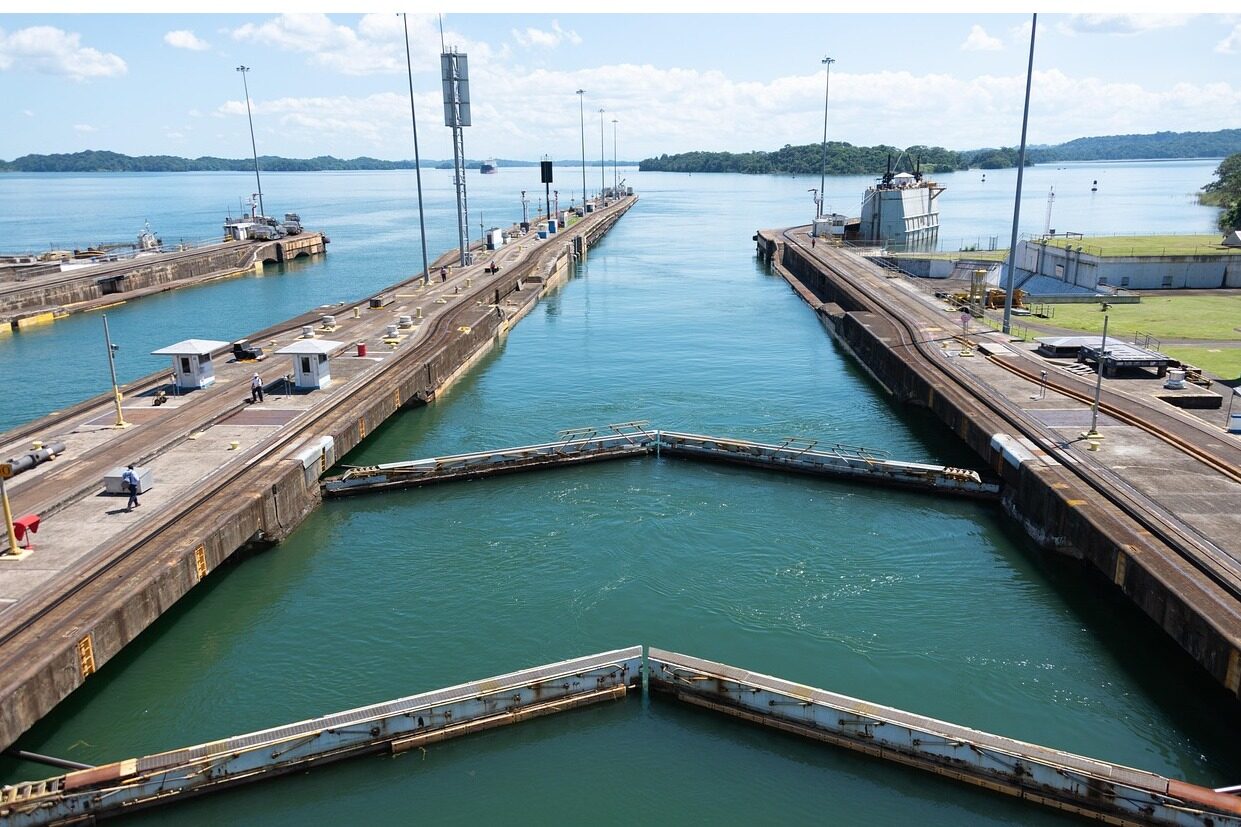
At the beginning of 2025, the Department of Transportation and the Department of Water Resources of Jiangxi Province held their third working meeting on a canal, which connects China's two major water systems and is on the eve of becoming a reality from a century old blueprint.
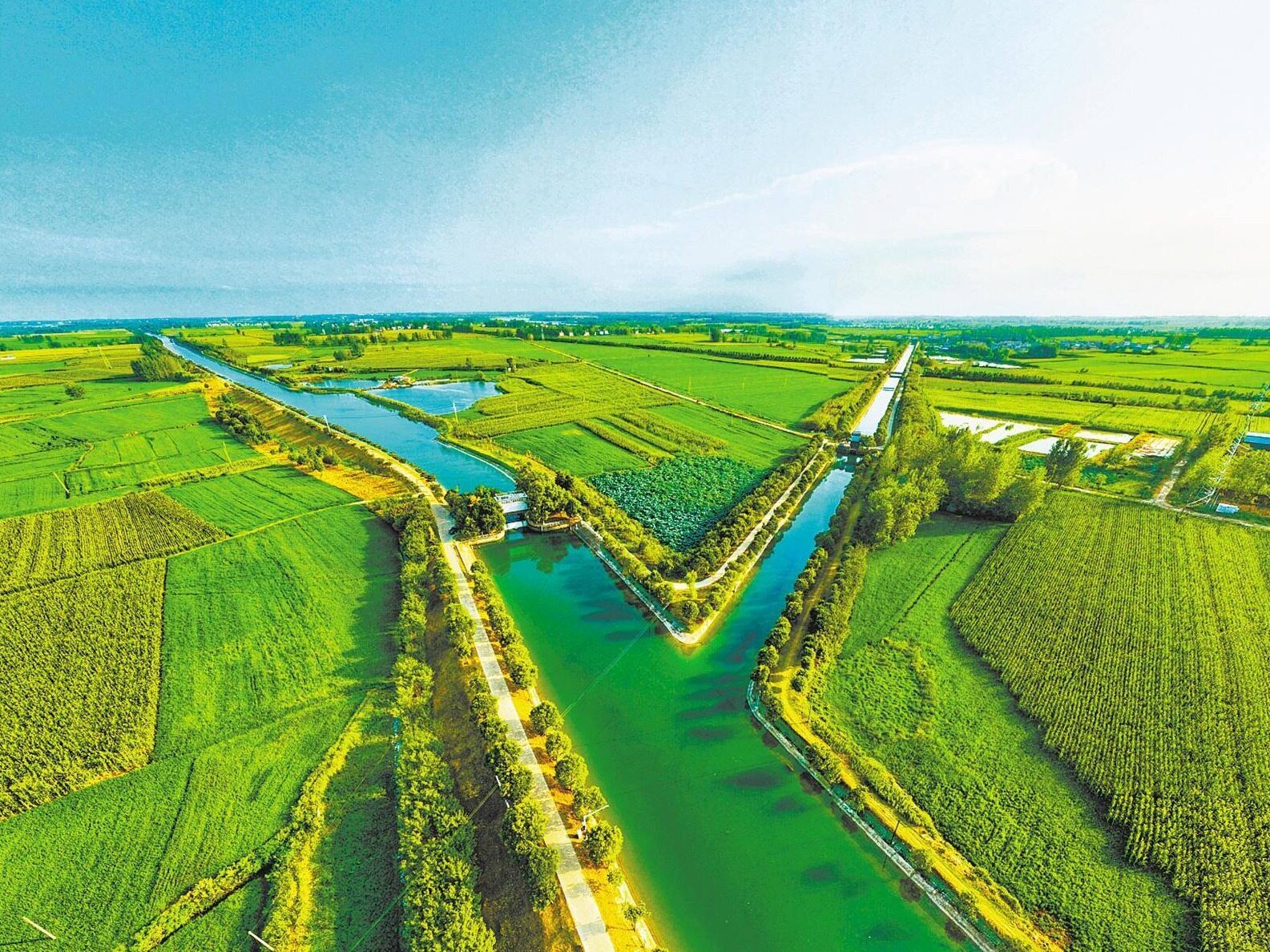
In the 15th Five Year Plan proposal for Jiangxi released on December 15, 2025, a highly anticipated century project was explicitly mentioned: actively striving to start construction of the Zhejiang Jiangxi Guangdong Canal as soon as possible. This planned super canal, with a total length of about 1988 kilometers and an estimated total investment of more than 320 billion yuan, is composed of Zhejiang Jiangxi section and Jiangxi Guangdong section, aiming to connect China's two mother rivers, the Yangtze River and the the Pearl River. For Jiangxi, this is not just a waterway, but also seen as a core strategic engine to break the regional development pattern and drive revolutionary old areas towards high-quality development.
A century old vision, moving towards reality
The idea of the Zhejiang Jiangxi Guangdong Grand Canal was not a whim. Its history can be traced back to the Ming Dynasty, when the great scholar Jie Jin had already proposed a similar idea; Mr. Sun Yat sen also planned in his book "The Strategy for National Construction" in modern times.
After the establishment of the People's Republic of China, relevant exploration and research have been carried out multiple times. The real acceleration of this idea came in 2020. At that time, the Ministry of Transport issued the "Outline for the Development of Inland Waterway Transportation", which clearly proposed the construction of new cross basin water transportation channels, including the Zhejiang Jiangxi Guangdong Corridor.
Entering 2025, project progress will significantly accelerate. In March 2025, the Water Resources Departments of Zhejiang and Jiangxi provinces established a joint consultation mechanism on the water conservancy issues of the Grand Canal. At the provincial level in Jiangxi, there have been frequent actions. In February 2025, the first consultation meeting was jointly held by the Department of Transportation and the Department of Water Resources, and the third working meeting was held at the end of the month to discuss in depth the key canal water replenishment project plan. Senior officials from Jiangxi Province have also visited national ministries and commissions multiple times to seek support for the project.

Rewriting the Strategic Value of Economic Geography
Why is Jiangxi so obsessed with this canal? The answer lies in the disruptive economic value it may bring.
Firstly, it will open up a new low-cost sea route for Jiangxi and even the central and western regions of China. At present, the foreign trade goods in the central and western regions mainly rely on the eastward export of the Yangtze River. After the completion of the Zhejiang Jiangxi Guangdong Canal, it will form a north-south longitudinal water transport line. Goods can go south through Jiangxi to the the Pearl River to reach the Guangdong Hong Kong Macao Greater Bay Area and overseas. According to calculations, this will shorten the voyage by about 1200 kilometers compared to circumnavigating the mouth of the Yangtze River.
Secondly, cost advantage is the unparalleled core competitiveness of water transportation. Research shows that the transportation cost of water transportation is only about 1/2 to 1/3 of that of railways and 1/7 to 1/10 of that of highways. For provinces like Jiangxi, which are rich in mineral resources and mainly rely on bulk cargo transportation, low logistics costs will directly translate into strong industrial competitiveness.
The deeper significance lies in the fact that this canal has the potential to completely change Jiangxi's position as a passage in the national economic map. It will directly connect the two most dynamic urban agglomerations in China, the Yangtze River Delta and the Pearl River Delta, transforming Jiangxi from a depression in the middle to a hub connecting the east and west, and the north and south, truly activating the open potential of inland provinces.
The realistic challenge of crossing mountains and rivers
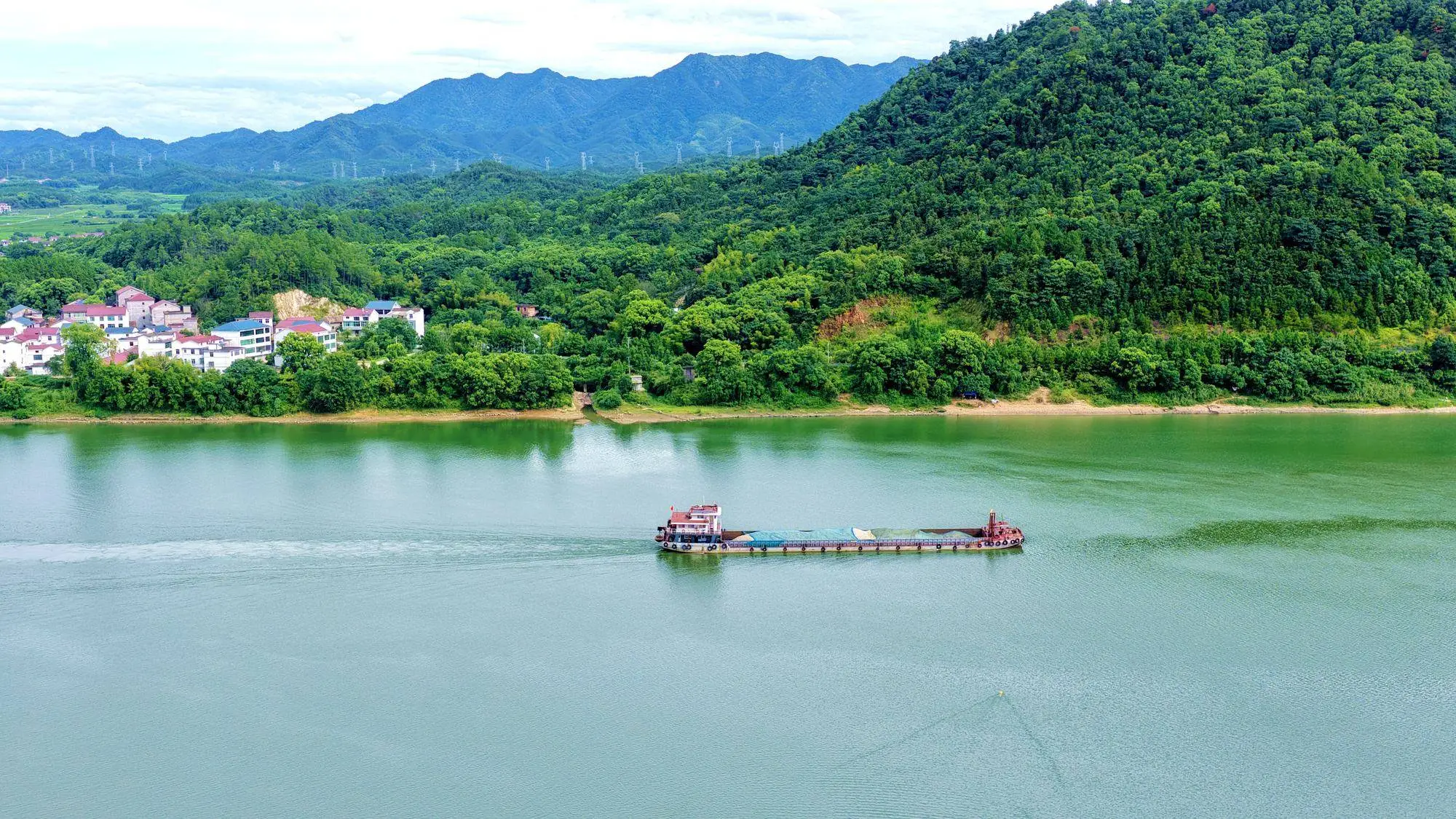
However, a canal spanning two major water systems and stretching nearly two thousand kilometers is not an easy task from blueprint to navigation, facing multiple complex challenges from technology to coordination. One of the biggest challenges is the project itself. The canal needs to cross the Gan Yue watershed, where there is a huge water level drop, which puts extremely high demands on the design of navigation structures. In addition, how to ensure full navigation water supply for the entire line, especially for high-altitude sections, is another key issue.
Ecological impact is another major focus. The canal will change the original independent water system pattern, especially for Poyang Lake, which is an important regulating lake of the Yangtze River. The outside world is concerned that the canal may lead to the outflow of water resources from Poyang Lake, affecting its ecological functions. Meanwhile, how to protect the biodiversity of the river basins along the route and reduce interference with the natural ecology is a major issue that requires rigorous evaluation and scientific planning.
In addition, the success of the project also depends on inter provincial coordination and significant investment. The canal involves three provinces of Zhejiang, Jiangxi, and Guangdong, and requires the establishment of an efficient coordination mechanism and a reasonable cost sharing and ecological compensation mechanism. Whether the economic benefits of a massive investment exceeding 300 billion yuan can cover the costs also requires a long period of argumentation.
The key outcome of the 15th Five Year Plan
Despite the numerous challenges, actively striving for the early start of construction of the Zhejiang Jiangxi Guangdong Canal has been included in the 15th Five Year Plan, demonstrating Jiangxi's determination to regard it as a key driver for future development. This canal is closely linked to the goals proposed in Jiangxi's 15th Five Year Plan, which include the comprehensive implementation of artificial intelligence+action, the development of new materials, low altitude economy and other emerging industries. A convenient and efficient logistics network is a prerequisite for attracting high-end industry clusters and promoting industrial chain upgrading. It also deeply aligns with Jiangxi's vision of building a new highland of inland openness. Through this waterway, Jiangxi can not only reach the sea and the river, but also be deeply integrated into the the Belt and Road construction, moving from the inland hinterland to the forefront of opening up.
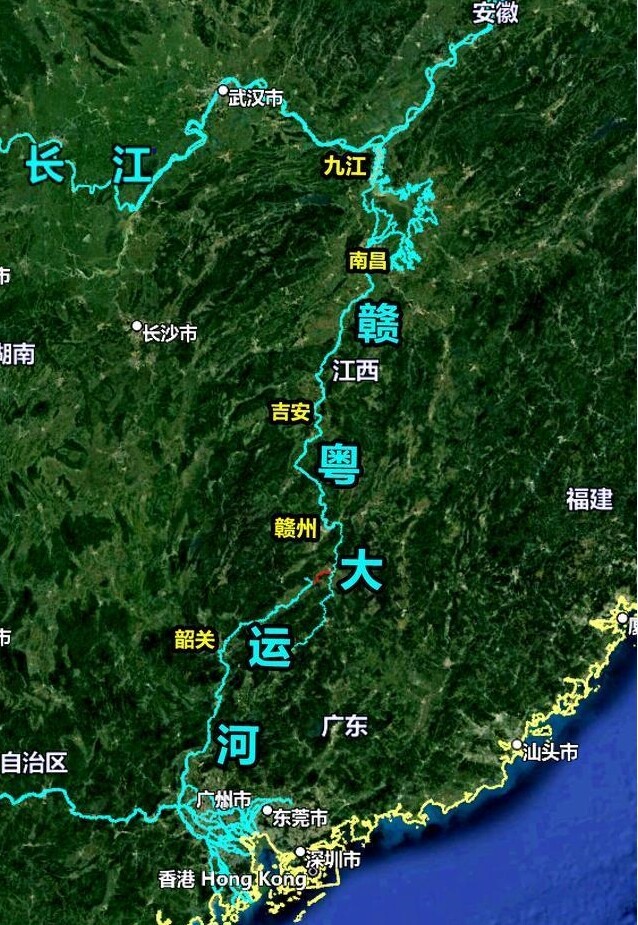
From a broader perspective, the Zhejiang Jiangxi Guangdong Canal is one of the longitudinal corridors planned in the national "Outline for the Development of Inland Waterway Transportation". Its promotion is not only related to the development of a province, but also an important component of China's national strategy to improve the high-level waterway network of four vertical and four horizontal networks, build a modern comprehensive transportation system, and reduce logistics costs for the whole society.
The idea of a canal began a hundred years ago, during which discussions and surveys never ceased. When the pointer of time is turned to the 15th Five Year Plan, Jiangxi is trying to turn this grand national water network puzzle from a concept into a reality. Although the waterway crossing the watershed has not yet been excavated, a inter provincial coordination meeting is being held, and a technical demonstration report is being written. Keywords: construction news, engineering news
A canal carries not only cargo ships, but also the urgent desire of an inland province to break geographical constraints and reshape the regional economic pattern.Editor/Cheng Liting
Comment

 Praise
 Collect
 Comment

 Share
Share


Write something~