 Search


- Sabah has abundant solar and wind energy resources and is a key region for Malaysia to achieve its national energy transition goals
- The Minister of Energy and Natural Resources of Malaysia also highly appreciates the project, calling it a "flagship project" under the national energy transition blueprint
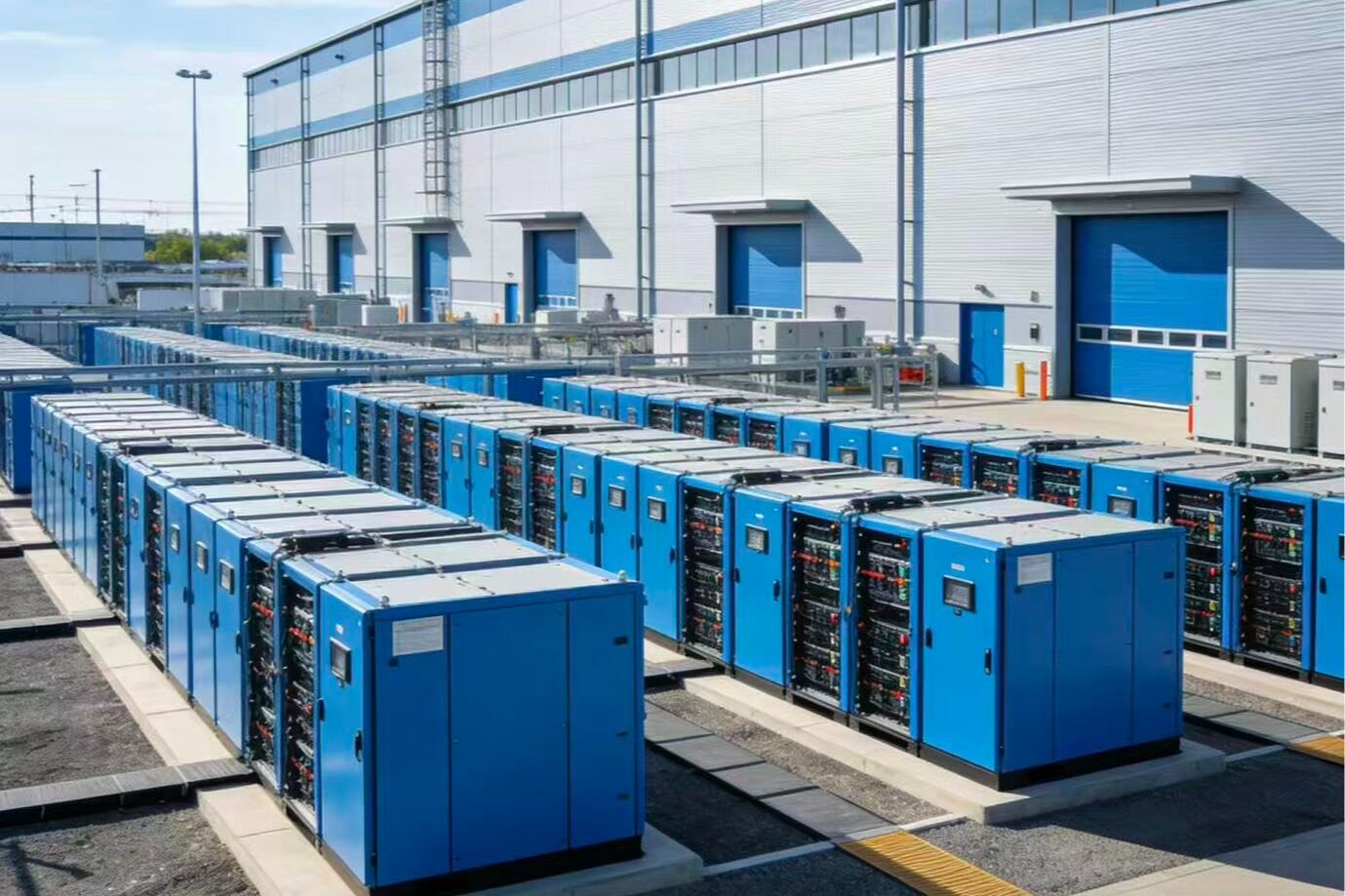
Malaysia's energy transition process has reached a historic milestone. Today, the country's first large-scale battery energy storage system (BESS) was officially declared operational in Sabah, Borneo. This landmark project is not only a significant breakthrough for Sabah in the clean energy sector, but also demonstrates its determination as a pioneer in Malaysia's energy transformation, paving the way for promoting energy storage technology and building a more stable and green power system nationwide.
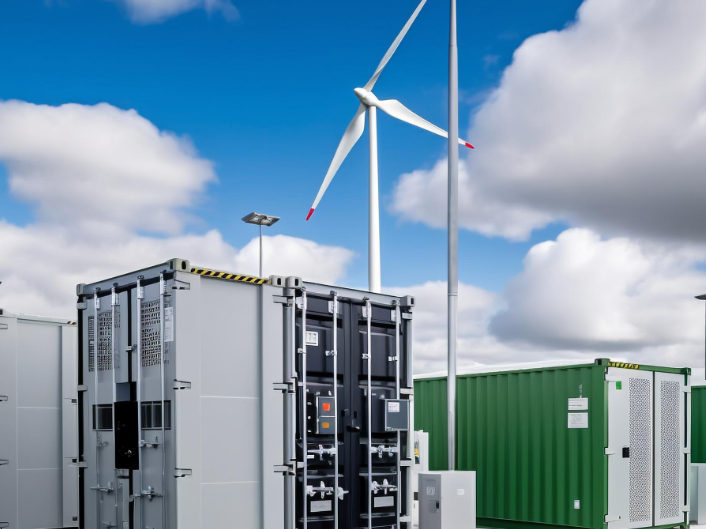
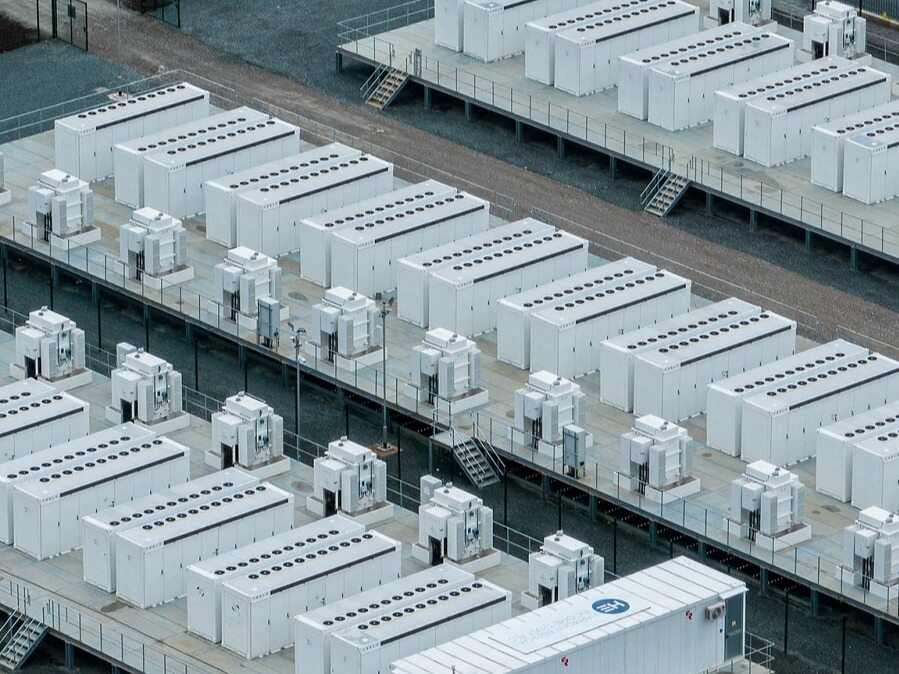
This large-scale battery energy storage system is located in Penang, Sabah, with a storage capacity of up to 50 megawatts/100 megawatt hours (50MW/100MWh). The project adopts the current internationally leading lithium iron phosphate (LFP) battery technology, which has the advantages of fast response speed, long cycle life, and high safety. Its core values are mainly reflected in the following aspects:
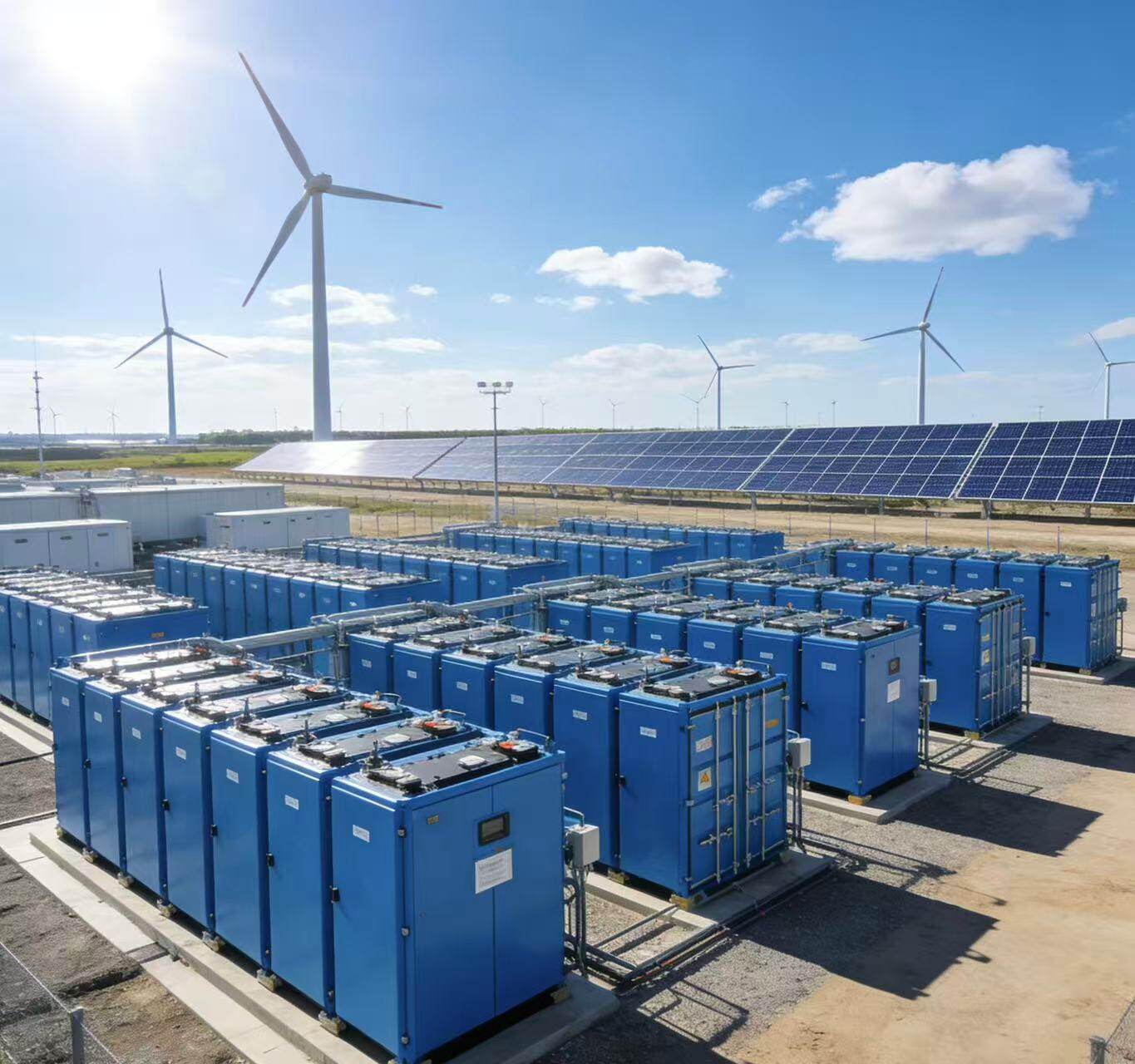
Improve the stability and reliability of the power grid: Sabah's power grid has long been highly dependent on diesel power generation and faces challenges such as geographical dispersion and long transmission distances, resulting in insufficient power supply stability. This energy storage system can quickly respond to fluctuations in grid frequency and voltage, providing millisecond level frequency regulation and peak shaving services, effectively "peak shaving and valley filling", significantly improving the quality and reliability of overall power supply in Sabah state.
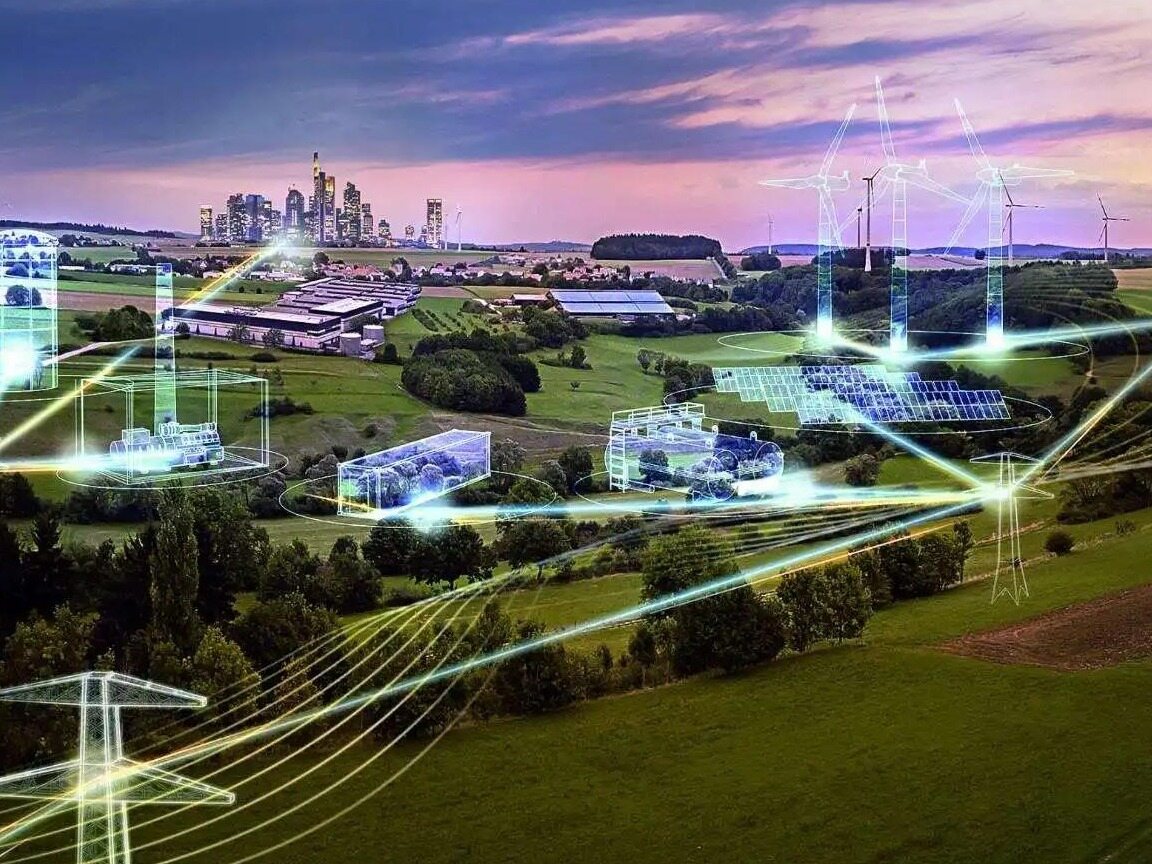
Promoting the integration of renewable energy: Sabah has abundant solar and wind energy resources and is a key region for Malaysia to achieve its National Energy Transition Goals (NEAP). However, the intermittency and instability of new energy are the main obstacles to its large-scale grid connection. This energy storage system will play the role of a "giant power bank", storing excess electricity when there is sufficient sunlight or strong wind, and releasing it during peak electricity consumption or insufficient new energy output, greatly improving the grid connected consumption capacity of renewable energy and clearing key obstacles for the future large-scale development of solar and wind energy projects in Sabah.
Reduce carbon emissions and operating costs: By optimizing the operation of the power grid and reducing reliance on expensive and highly polluting diesel generators, this project is expected to help Sabah reduce thousands of tons of carbon dioxide emissions annually. At the same time, by participating in the ancillary service market and energy time shift arbitrage, the project will also bring significant economic benefits to power grid operators.
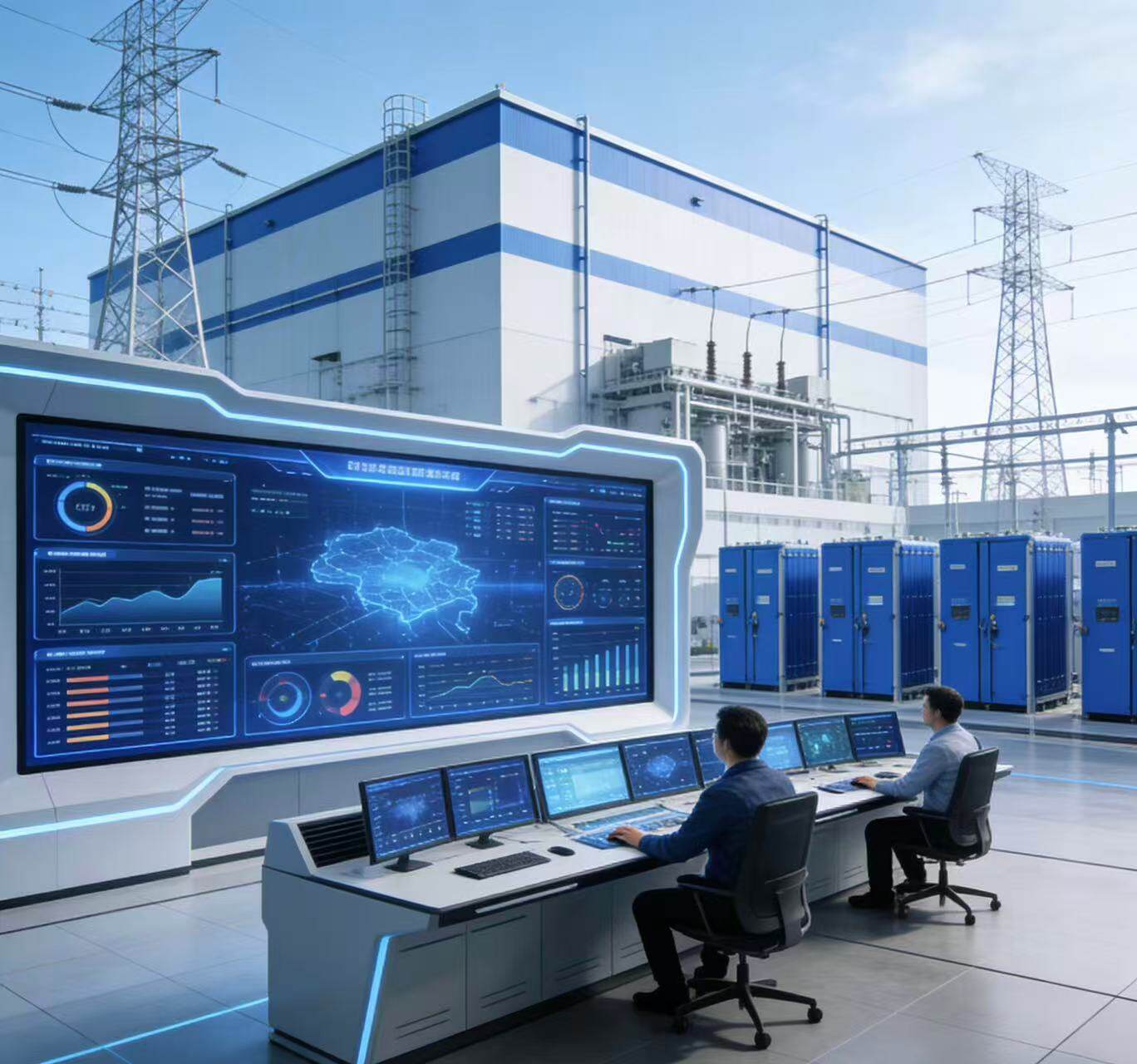
Sabah State: From Energy Challenge to Pioneer of Change
Datuk Seri Hajiji Noor, Chief Minister of Sabah, said at the project commissioning ceremony, "Sabah has long faced unique challenges in energy supply. Today, we have not only overcome these challenges, but also turned them into opportunities by commissioning Malaysia's first large-scale energy storage system. This marks a solid step forward for Sabah on the path towards a sustainable and low-carbon future, and we are committed to becoming a model for clean energy development in the country
The Minister of Energy and Natural Resources of Malaysia also expressed high appreciation for the project, calling it a "flagship project" under the national energy transition blueprint. He pointed out, "The successful practice in Sabah has provided valuable experience and replicable models for other regions in Malaysia, especially the East Malaysia region with similar energy structures. We will take this opportunity to accelerate the planning and deployment of more energy storage projects nationwide
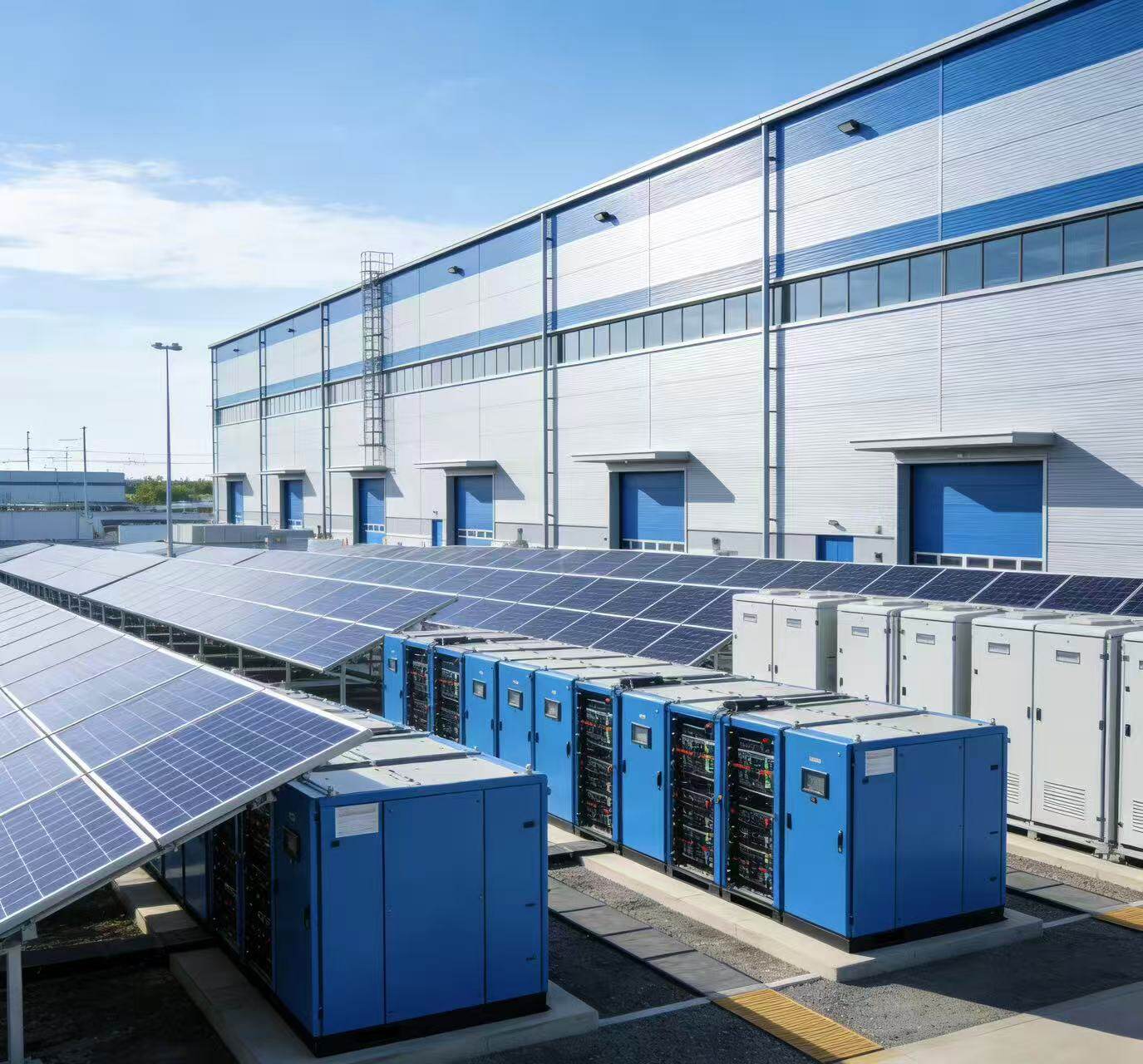
Looking to the future: Green Borneo driven by energy storage
With the successful operation of the first large-scale energy storage system, Sabah is actively planning the next phase of energy development. It is reported that the state government is in talks with multiple domestic and foreign energy companies, planning to deploy multiple energy storage projects with a total capacity of several hundred megawatts throughout the state in the next five years, and to create multiple "integrated solar energy storage" demonstration bases in conjunction with the development of large-scale solar power plants.
This series of measures will not only completely change the energy landscape of Sabah and even the entire Borneo, but also attract a large amount of green investment, create new job opportunities, promote the development of related industrial chains, and inject strong momentum into Sabah's achievement of the United Nations Sustainable Development Goals (SDGs).
It can be foreseen that Sabah's "zero breakthrough" will be like a stone thrown into the lake, causing ripples in Malaysia's energy sector and leading a profound and extensive green transformation driven by energy storage technology.Editor/BIanWenjun
Comment


 Praise
 Collect
 Comment

 Share
Share


Write something~