 Search


- The plan aims to systematically transform Brazil's outdated logistics network
- By constructing transcontinental channels such as the Two Ocean Railway, Brazil seeks to transform from a terminus along the Atlantic coast to a hub connecting the Pacific, changing the direction of regional trade
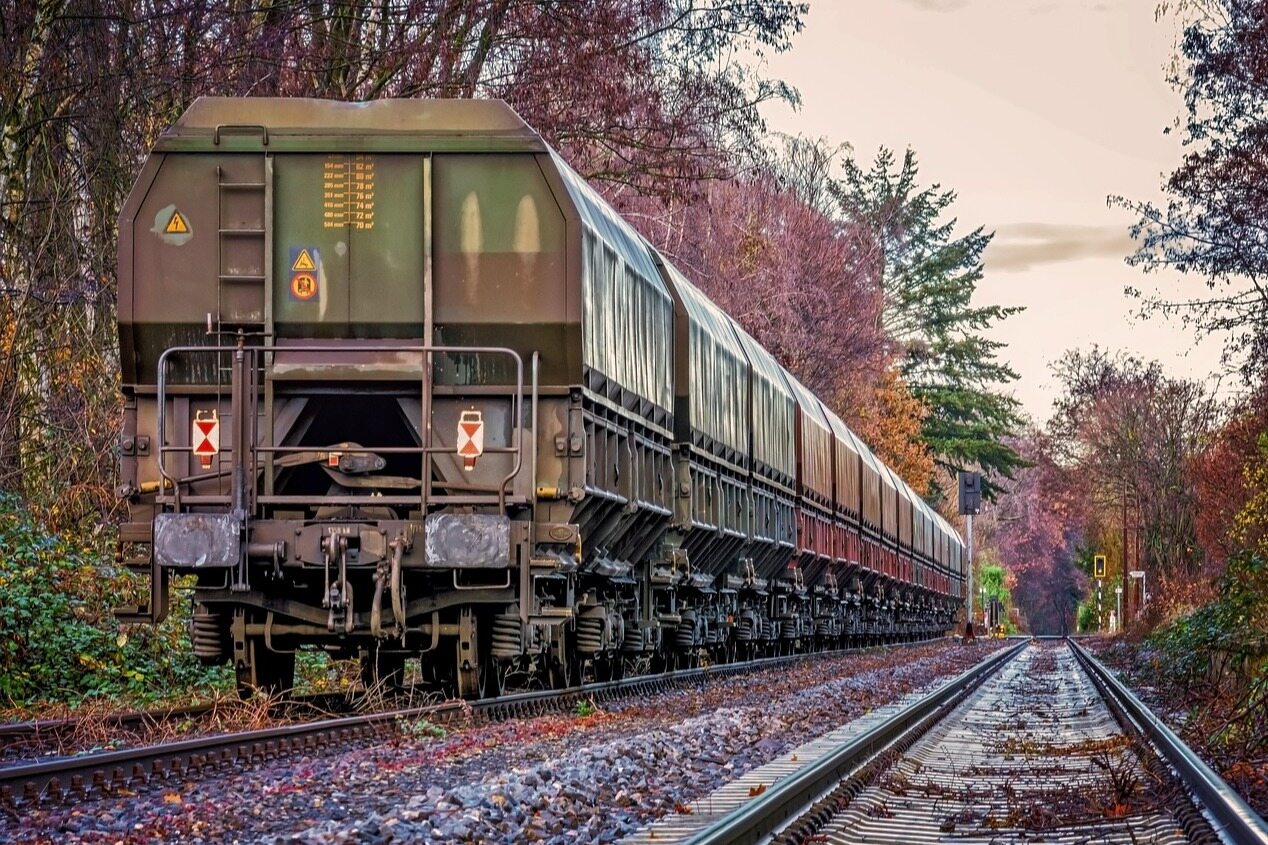
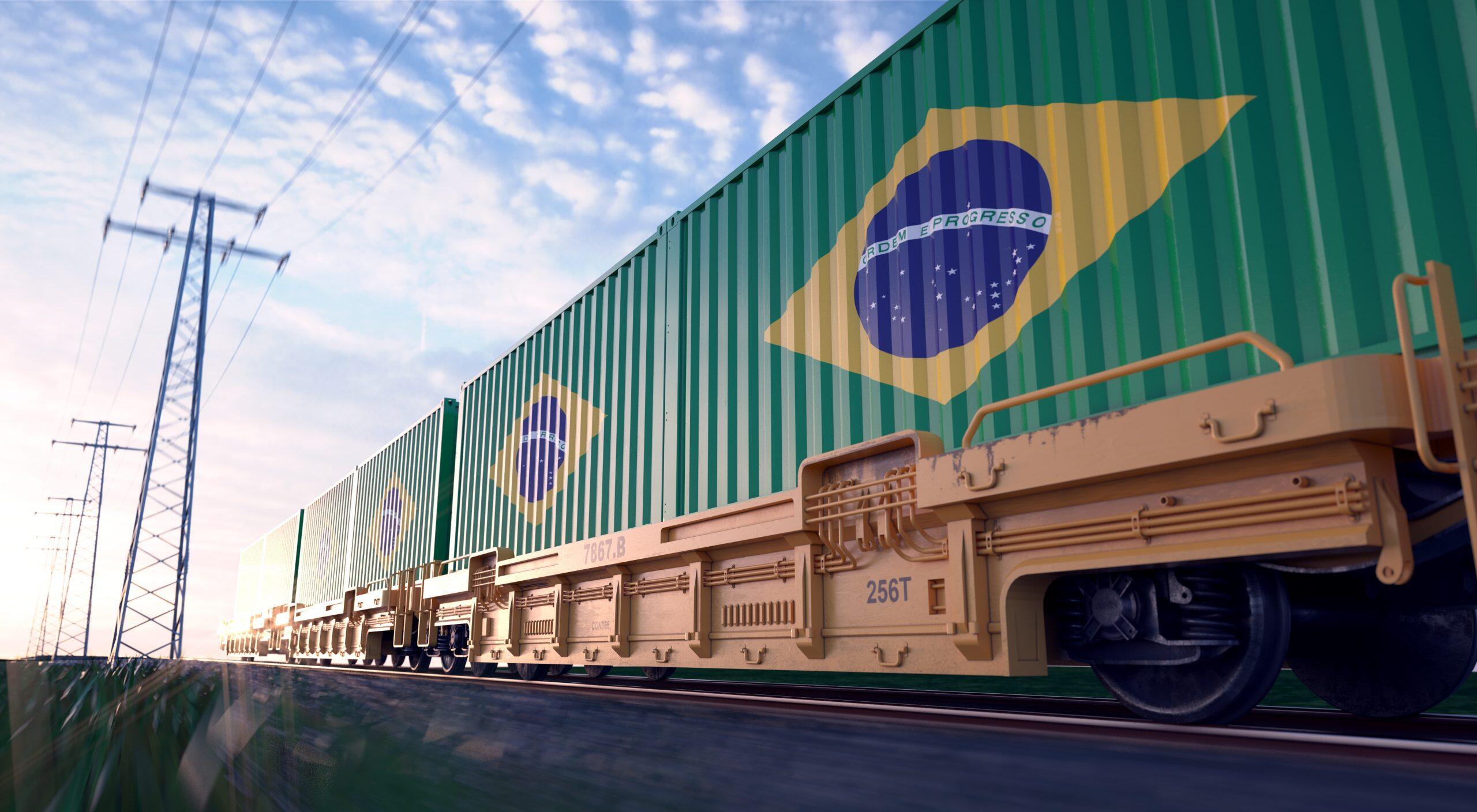
Against the backdrop of reshaping the global economic landscape and accelerating supply chain adjustments, upgrading core infrastructure through public-private partnerships is becoming a key path for emerging market countries to enhance their competitiveness. Brazil, a Latin American giant with vast agricultural hinterland and abundant mineral resources, has long been plagued by outdated logistics networks, and its commodity exports heavily rely on high cost and inefficient road transportation. To overcome this bottleneck, the Brazilian federal government recently announced its ambitious railway franchise plan, which plans to award eight contracts worth over 140 billion Brazilian reals, approximately 26.3 billion US dollars, in batches over the next year, covering over 9000 kilometers of new and upgraded railways. This is not only a concentrated reflection of the $71.7 billion sustainable transportation investment in Brazil's new accelerated growth plan, but also a key strategic layout for the Lula government to promote national industrialization and enhance global trade status.
Clearing obstacles for large-scale projects
The core highlight of this railway investment plan is that the government has significantly improved the project's financiability through innovative financing tools and risk sharing mechanisms, aiming to attract private capital from both domestic and foreign sources. The Brazilian National Bank for Economic and Social Development will continue to play a key role in providing long-term credit and exploring the introduction of international funds to meet the demand for long-term low-cost capital for railway projects. More groundbreaking is that the government has explicitly stated that it will use the Merchant Shipping Fund to provide up to 24 billion Brazilian reals, or approximately 4.4 billion US dollars, in funding support for strategic railway projects connecting ports. The interest rate provided by the fund is significantly lower than the market level, injecting valuable start-up capital into the initial stage of the project.
To enhance investor confidence, the government has committed to assuming pre responsibility for environmental permits for new construction projects, in order to reduce litigation and delays. At the same time, drawing on the successful experience of highway franchising, the Brazilian Ministry of Transport has issued a national railway franchising policy, clarifying the guiding principles of the government in planning, governance, and risk sharing. In addition, the government is using the model of early renewal of existing franchise rights, using the funds prepaid by operators to support the initial stages of new projects with the highest risks. These combination punches directly target the investment return certainty and legal stability that private capital is most concerned about.
From domestic corridors to intercontinental arteries
The eight major projects announced this time are not isolated projects, they together outline a grand blueprint for reshaping the logistics geography of Brazil and even South America.
Core food artery: For example, the grain railway directly connects the grain producing areas of Mato Grosso state with the deep-water port of Para state, and is expected to create over 100000 jobs during the construction period, greatly optimizing Brazil's agricultural export competitiveness.
Key industrial corridors, such as the Minas Rio Corridor and the Southeast Railway Loop, aim to strengthen the connection between the Southeast Industrial Zone and the port cluster. The EF-118 project is considered one of the most likely flagship projects to be implemented in the near future due to its relatively clear planning and government guarantees, and has attracted attention from various parties including Chinese enterprises.
International strategic channel: More globally minded are the Western Network and the East West Corridor, which form the core components of the Brazilian section of the "Two Ocean Railway" that spans the South American continent and connects the Atlantic and Pacific Oceans.
The concept of the Two Ocean Railway connects ports in Brazil and Peru, aiming to create an alternative channel to the Panama Canal that can shorten the time for Brazilian goods to be transported to Asia by up to 10 days. In 2025, Brazil and China have signed a memorandum of understanding to jointly promote the feasibility study of the project. Once this strategic channel is built, it will not only reduce the export cost of Brazilian commodities, but also enhance the overall level of infrastructure integration in South America, and its significance goes far beyond the scope of a single country. Keywords: International News and Information, International News Network
From unlocking the potential of domestic agriculture through the grain line to the intercontinental land bridge connecting the two oceans, Brazil is betting on railways with unprecedented strength. The success of this investment frenzy depends not only on the availability of funds, but also on the government's ability to coordinate complex interests and manage long-term projects. However, it is certain that the extension of the steel artery is ushering Brazil, a resource kingdom, into a new era of logistics driven growth.Editor/Cheng Liting
Comment


 Praise
 Collect
 Comment

 Share
Share


Write something~