 Search


- In the drought-prone regions of the Middle East and South Asia sustainable water management for future generations.
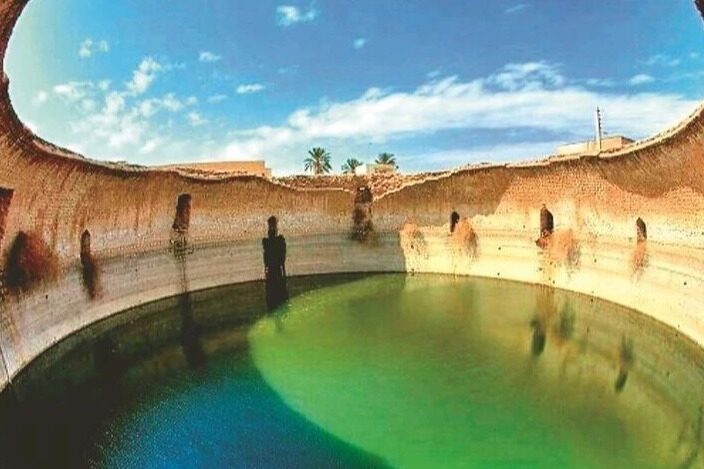
The Middle East and South Asia have long faced severe climate challenges, including drought, high temperatures, and uneven rainfall. To cope with these survival difficulties, local residents, relying on extraordinary wisdom and creativity, developed diverse ancient water collection systems. These systems ingeniously harnessed the forces of nature, becoming an important chapter in human water engineering history, shining with sustainable brilliance.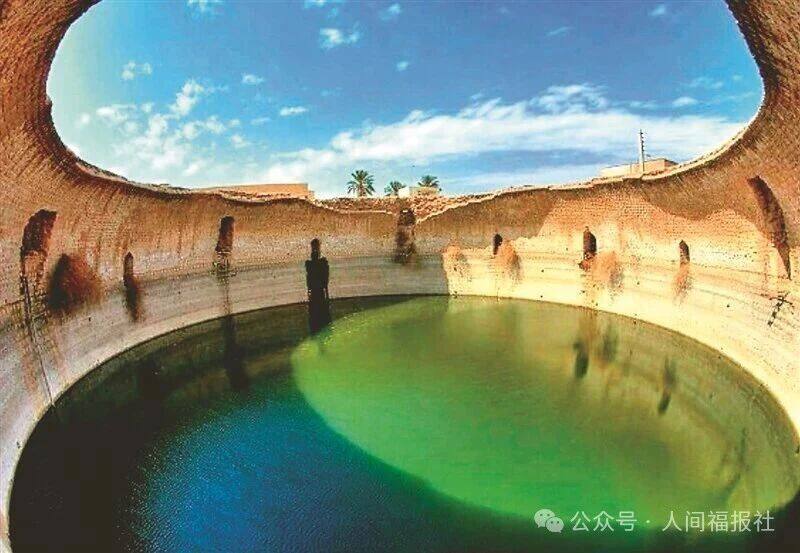 Indian Stepwells: A Source of Life Among Layered Stone Steps
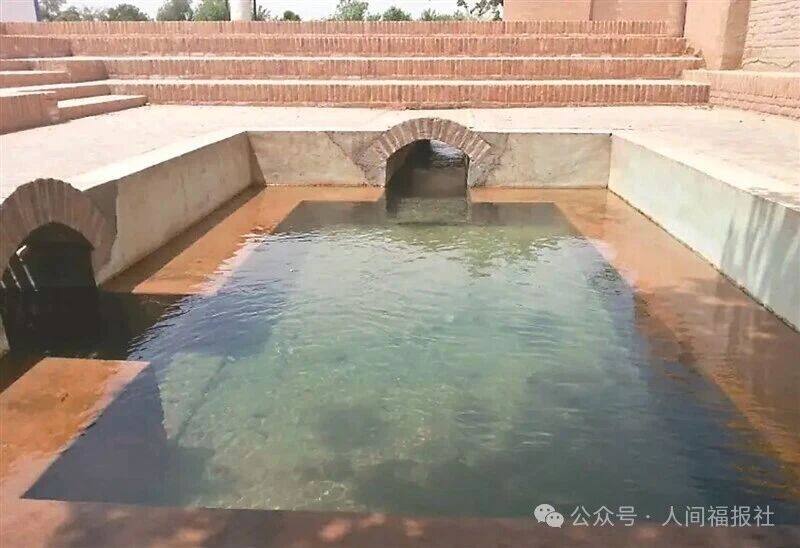
In India, where the monsoon climate is prominent, the most representative water collection structures are the "stepwells." These wells have multiple layers of stone steps extending deep underground, allowing users to draw water flexibly according to the water level. Their prototypes can be traced back to prehistoric times, while the mature form gradually developed after the 3rd century AD, mainly distributed in Gujarat, Rajasthan, and central India.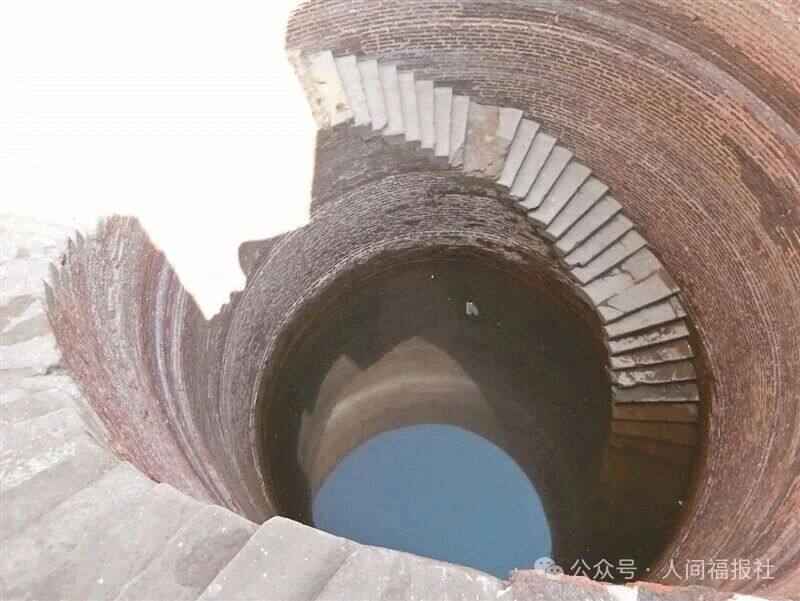 Stepwells feature ingenious structures: the deep and narrow well bodies are mostly built of stone, and the descending stepped steps not only facilitate water drawing but also allow access closer to the water source during dry seasons, ensuring the needs of daily life and agriculture. The well walls provide shade, and the underground ventilated spaces effectively reduce the temperature inside the well, allowing them to serve both as water storage and cooling systems. Some large stepwells even evolved into public spaces for resident gatherings, relaxation, and religious ceremonies. Relying entirely on rainwater and groundwater without external energy, stepwells minimize evaporation and delay water quality deterioration through architectural design, representing a low-tech yet highly effective embodiment of sustainable wisdom.
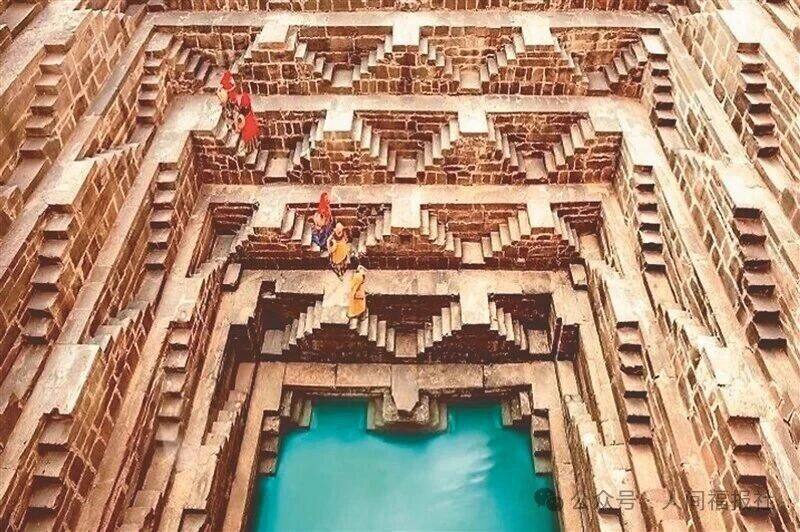 In South Asia, similar designs can also be seen in Pakistan's "Bahar Wali Baoli." As a relic of the Mughal period (1526-1858), it is characterized by a more open layout of the well mouth and surrounding buildings, often serving both defensive and community functions, presenting a spatial form different from inland Indian stepwells.
 Iranian Qanats: A Thousand-Year Legend of Underground Rivers
In the Middle East, particularly the Iranian Plateau, the "Qanat" is world-renowned. This underground water engineering invention of ancient Persian civilization is widely distributed across Iran and arid regions of Central Asia. At the core of a Qanat is a network of underground sloped channels and vertical shafts that naturally guide groundwater from mountains to settlements and farmland.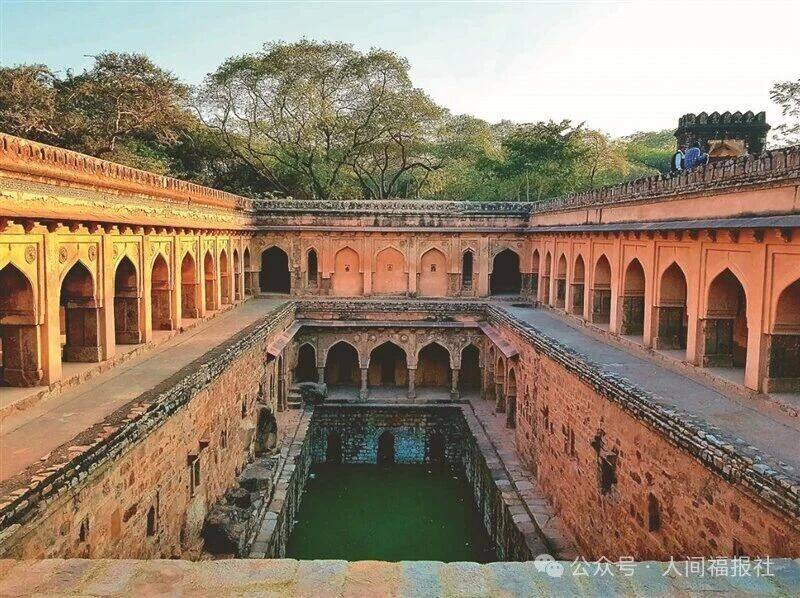 Its operation relies entirely on gravity, requiring no external power. The underground passage effectively shields the water from high temperatures, greatly reducing evaporation; vertical shafts provide ventilation, keeping the water cool and clean. These systems can sustainably operate for hundreds to even thousands of years, offering highly reliable water sources in arid regions. Some Qanat systems are ingeniously paired with domed underground reservoirs and wind tower designs, utilizing airflow for cooling, further enhancing the comfort and quality of the water supply.(This article is from Seetao's official website www.seetao.com. Reproduction is not allowed without permission, otherwise legal action will be taken. Please indicate Seetao.com and provide the original link when reposting.) Seetao Water Conservancy Column Editor / Yin Jiahui
Comment

 Praise
 Collect
 Comment

 Share
Share


Write something~