 Search


- This move marks a new stage of large-scale and systematic development of wind power in the South Vietnam Sea
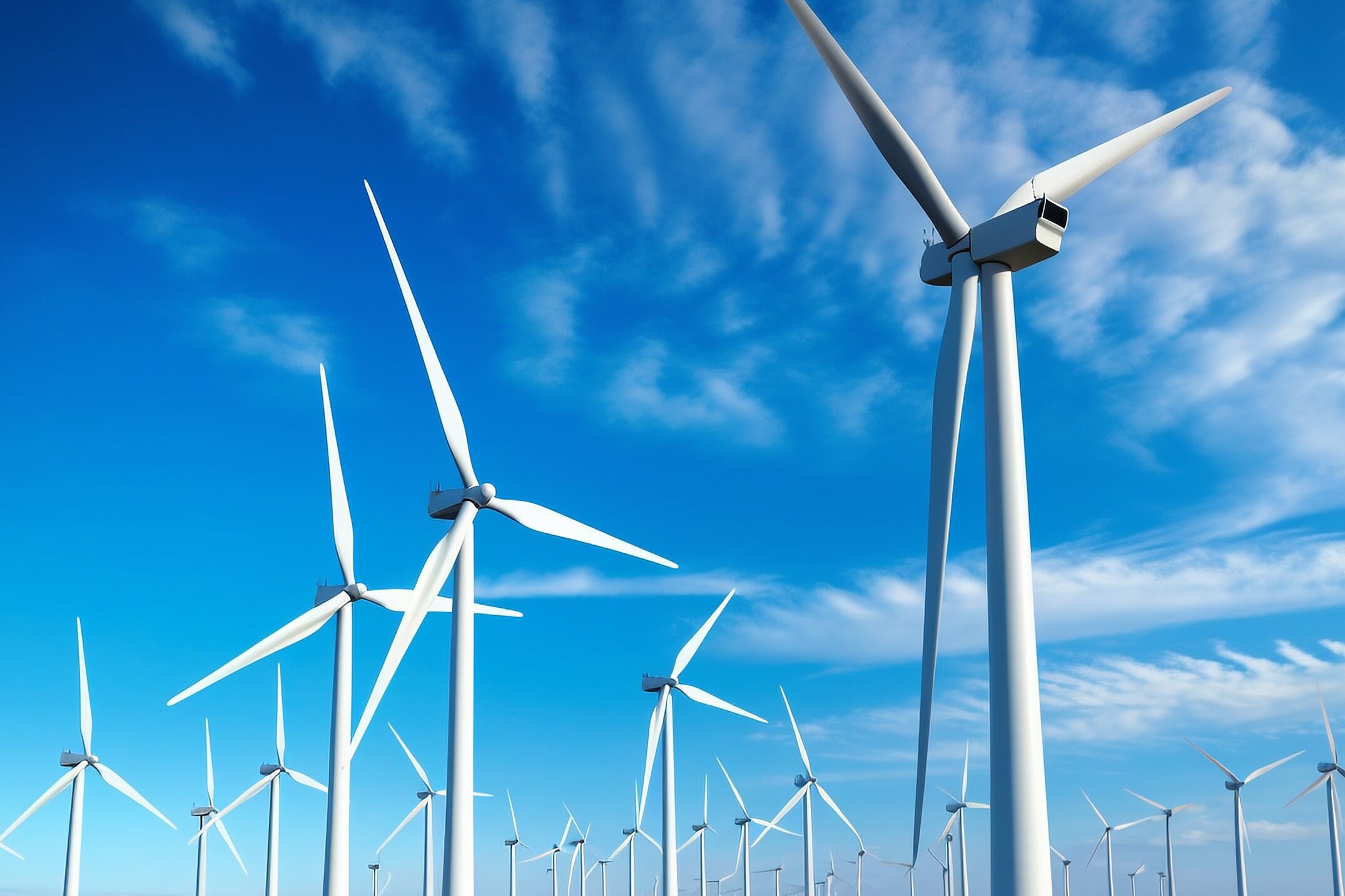
Amidst the storms of the South China Sea, a new green energy landscape is slowly unfolding. The Vietnamese government has recently officially approved the "List of National Key Priority Energy Projects", elevating the development of offshore wind power to a national strategic level. This decision will not only change Vietnam's energy structure, but may also reshape the energy cooperation pattern of the entire Southeast Asian region. Vietnam is demonstrating its ambition and strength in the field of renewable energy through systematic planning, from industrial parks in Ho Chi Minh City to submarine cables spanning the three country seas.
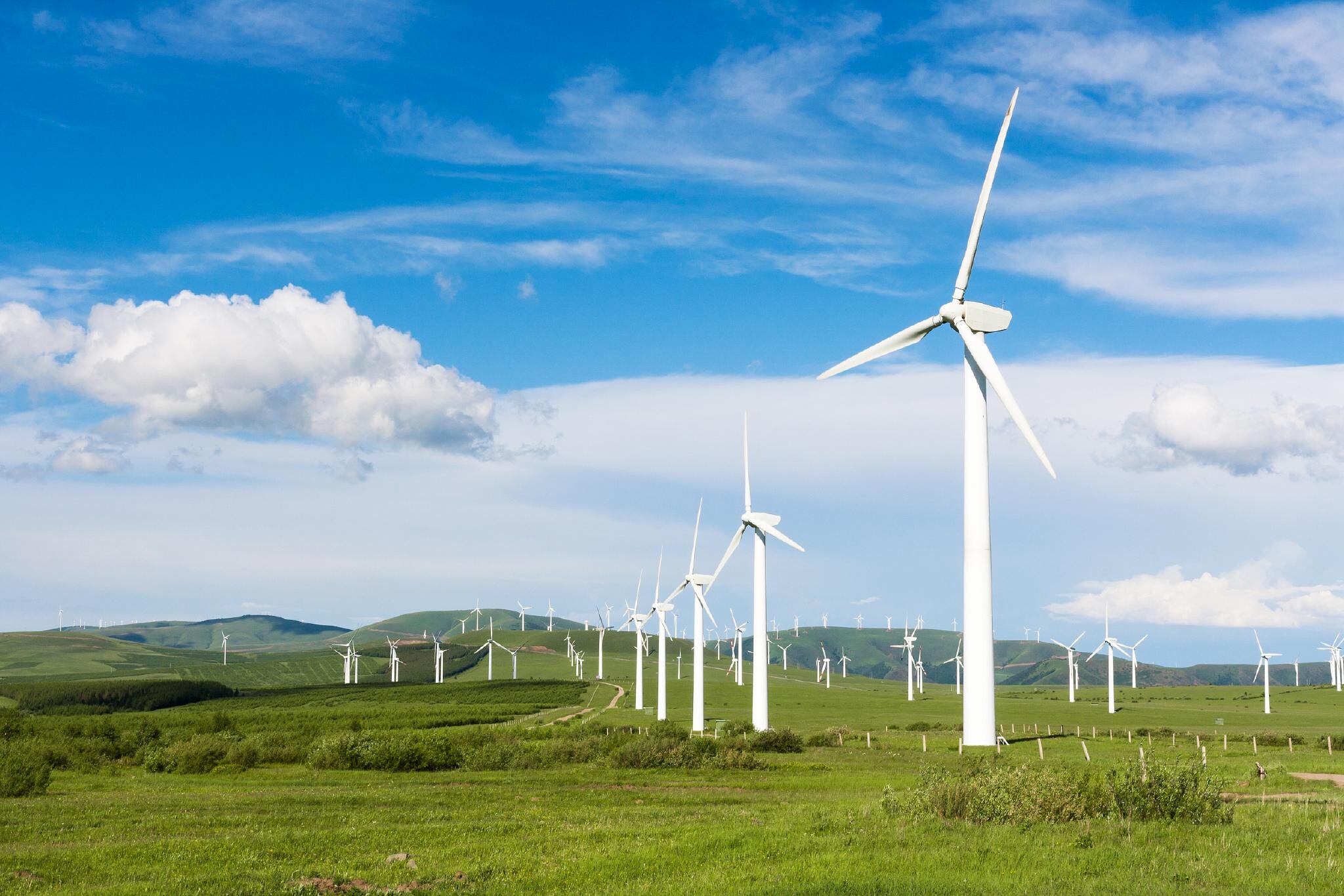
2000 MW project leads development
Vietnam has officially listed the "South Central No.1 Offshore Wind Power Development Zone" as a national key project, with a planned total installed capacity of 2000 megawatts, to be implemented in four phases. This project is managed by the National Key Project Guidance Committee and will become the core support for energy transformation in the southern and central regions. According to official data from Vietnam, there are currently 42 planned nearshore/offshore wind power projects in the central and southern regions, distributed in wind energy resource rich areas such as Binh Thuan Province, Ninh Thuan Province, and Khanh Hoa Province. The average wind speed in Binh Thuan Province can reach over 7.5 meters per second, providing excellent development conditions. This large-scale development plan marks the official entry of Vietnam South Sea's wind power into a rapid development stage, which is expected to drive tens of billions of yuan in related investments.
525 kV cable construction for power grid
To address the consumption and export issues of offshore wind power, Vietnam plans to construct the "Vietnam Malaysia Singapore Cross border Submarine High Voltage DC Cable Project". This transmission line with a technical level of 525 kV is expected to be put into operation in 2033 and will cross the relevant waters of Singapore, Malaysia, and Indonesia, specifically serving 3000 MW offshore wind power export projects. This project is not only the first large-scale cross-border submarine power transmission channel in Southeast Asia, but also a key node for regional energy interconnection. Through this' Electricity Silk Road ', Vietnam will achieve cross-border transmission of clean energy, enhance its strategic position in the regional energy market, and provide an important demonstration for the integration of the ASEAN power grid.
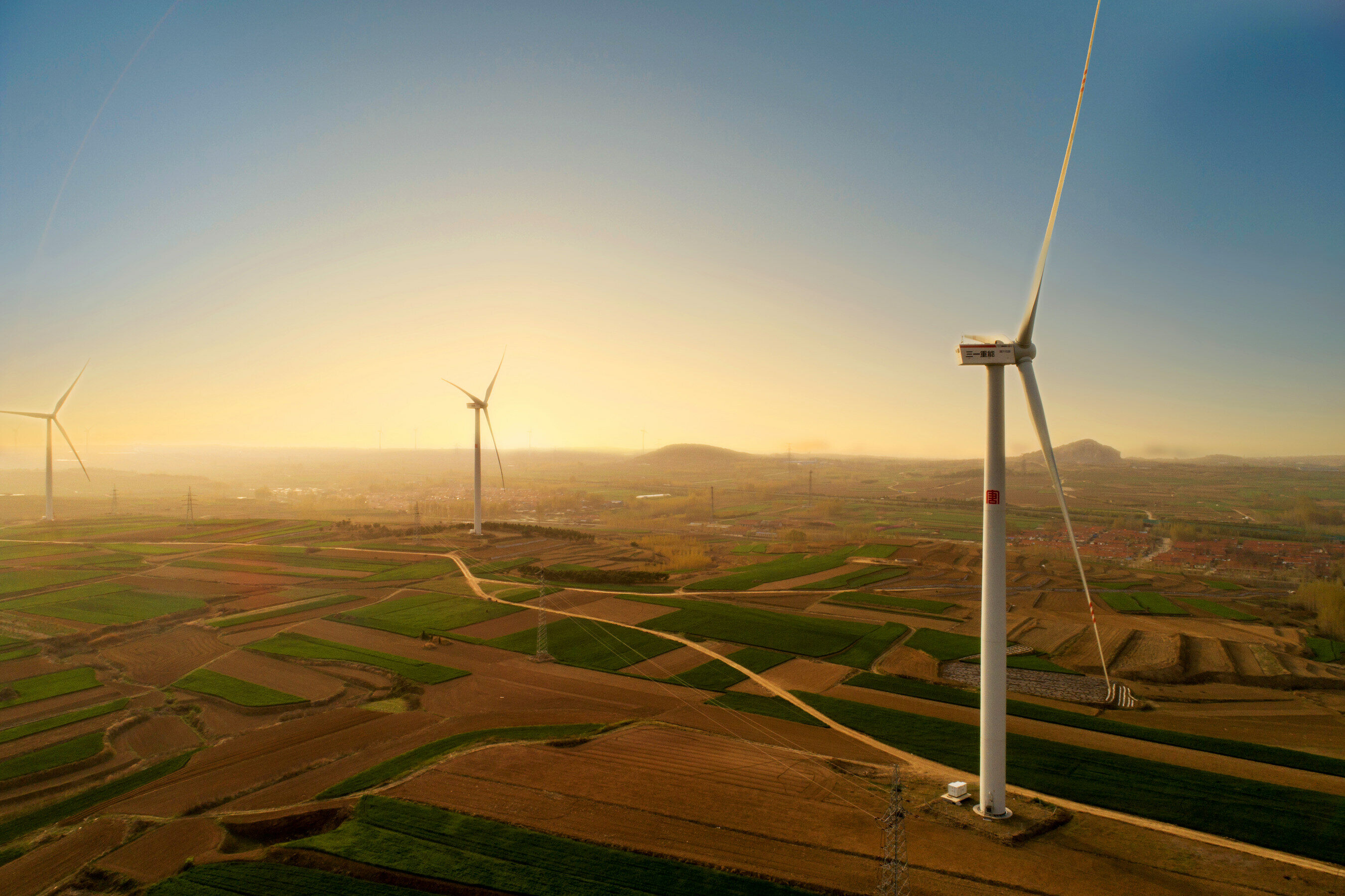
Localization of full chain layout
Vietnam has simultaneously planned a complete industrial support system while promoting offshore wind power development. According to the plan, Ho Chi Minh City will build a high-voltage direct current cable production factory to provide core equipment for offshore wind power projects and cross-border transmission projects; At the same time, one renewable energy industrial park and service center will be built in Ho Chi Minh City and one in Qinghe Province, providing comprehensive support such as technology research and development, equipment assembly, and operation and maintenance services. These supporting projects are expected to be put into operation by 2030 and will directly cover the core development area of offshore wind power in the southern and central regions. Through this full industry chain layout of "power generation transmission manufacturing services", Vietnam aims to reduce equipment import dependence, cultivate local offshore wind power industry capabilities, and is expected to create tens of thousands of job opportunities and drive technological upgrades in related manufacturing industries. Keywords: Southeast Asia Latest News, Southeast Asia News Latest News
With the advancement of this systematic plan, Vietnam is steadily moving towards the goal of becoming an important green energy hub in Southeast Asia. From project development to industry cultivation, from domestic consumption to cross-border transmission, Vietnam's offshore wind power strategy demonstrates rare foresight and completeness. This transformation will not only optimize the country's energy structure, but may also provide new solutions for the sustainable development of the entire region, indicating a profound change in the energy landscape of Southeast Asia. (This article is from the official website of Jian Dao www.seetao.com. Reproduction without permission is prohibited, otherwise it will be prosecuted. Please indicate Jian Dao website+original link when reprinting.) Jian Dao website Southeast Asia column editor/Gao Xue
Comment



 Praise
 Collect
 Comment

 Share
Share


Write something~