 Search


- Kuwait signs EPC contract for Greater Mubarak Port worth approximately 4.16 billion US dollars
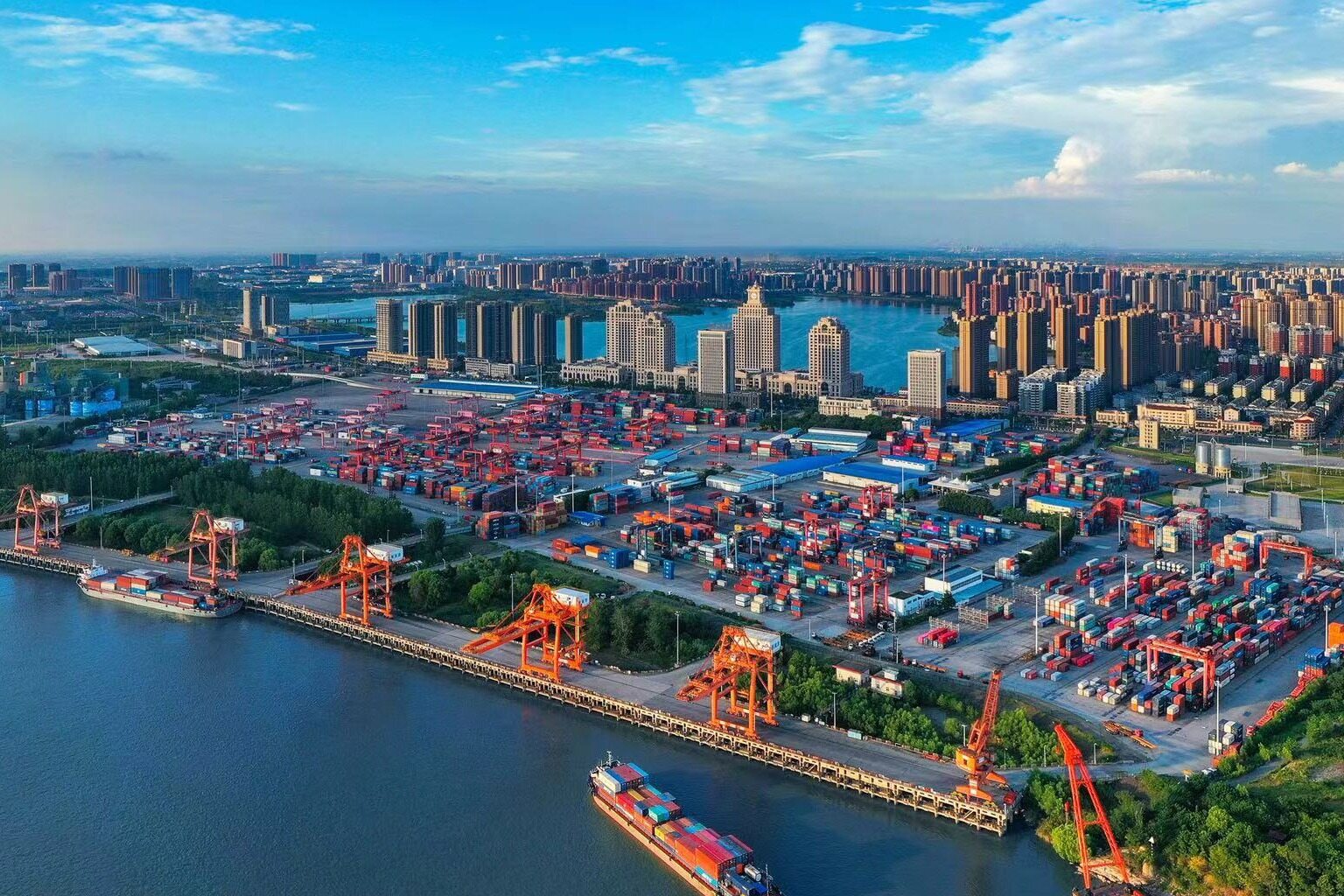
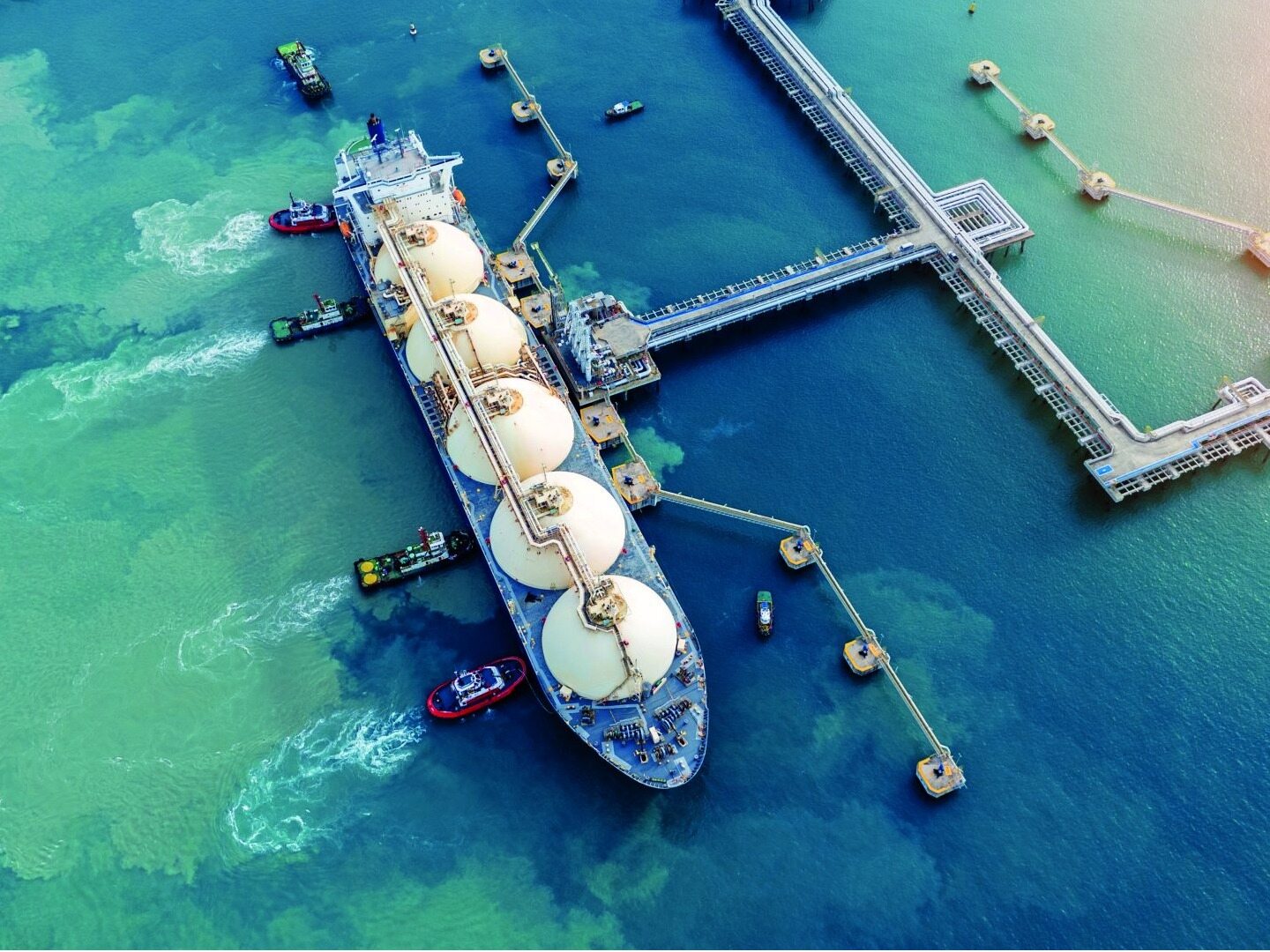
On Bubiyan Island in the northwest corner of the Persian Gulf, waves are crashing against the undeveloped coastline. Kuwait, a kingdom enriched by oil, is turning its attention to the azure waters in search of a new anchor for economic diversification. On December 22, 2025, with the official signing of the EPC contract for the Grand Mubarak Port worth 4.16 billion US dollars, a crucial chapter in the story of infrastructure driven national transformation has opened. This is not only the foundation of a port, but also a historic handshake between Kuwait's Vision 2035 and China's the Belt and Road Initiative on the blue economic landscape.
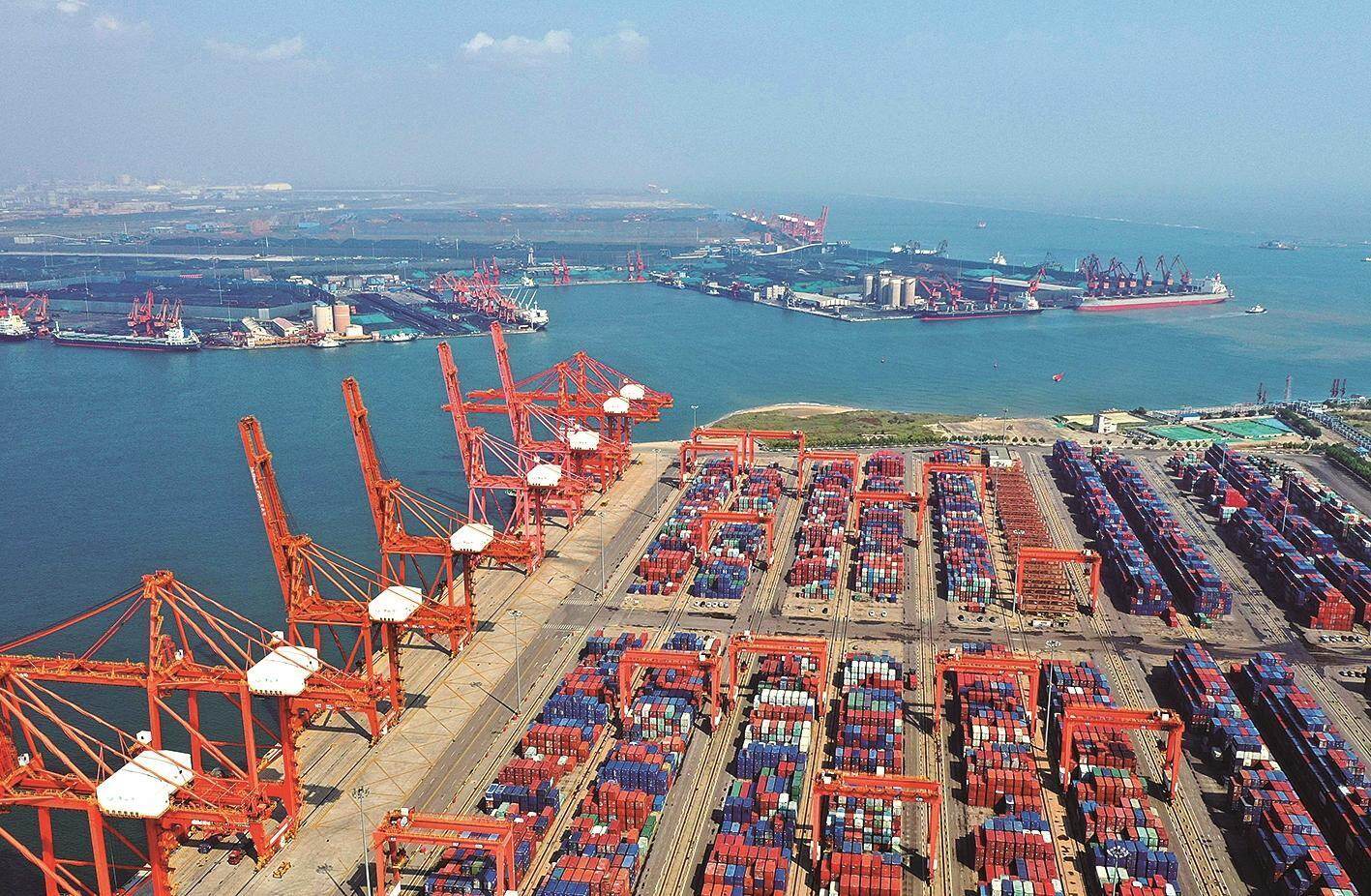
A $4.16 billion port blueprint
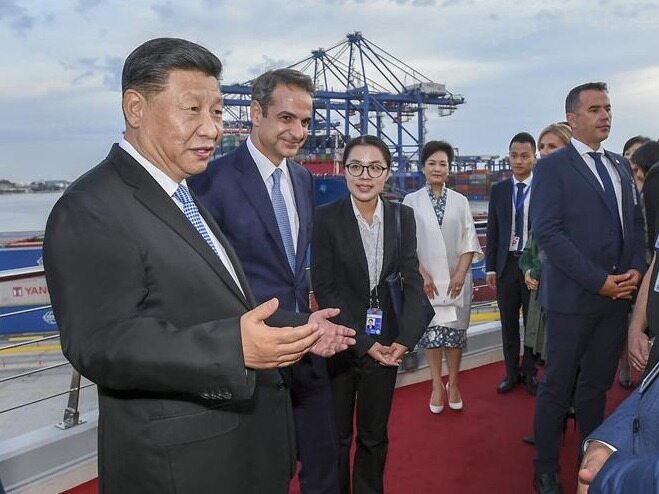
The Grand Mubarak Port project is a core project for Kuwait to increase its global trade share. The project adopts the design procurement construction (EPC) general contracting mode, and Kuwaiti Prime Minister Ahmed personally attended the signing ceremony. The port aims to become a regional deep-water port and logistics hub, directly serving Kuwait's national strategy of reducing dependence on oil revenue, developing transit trade, and enhancing global supply chain participation.
Multi domain collaboration beyond infrastructure
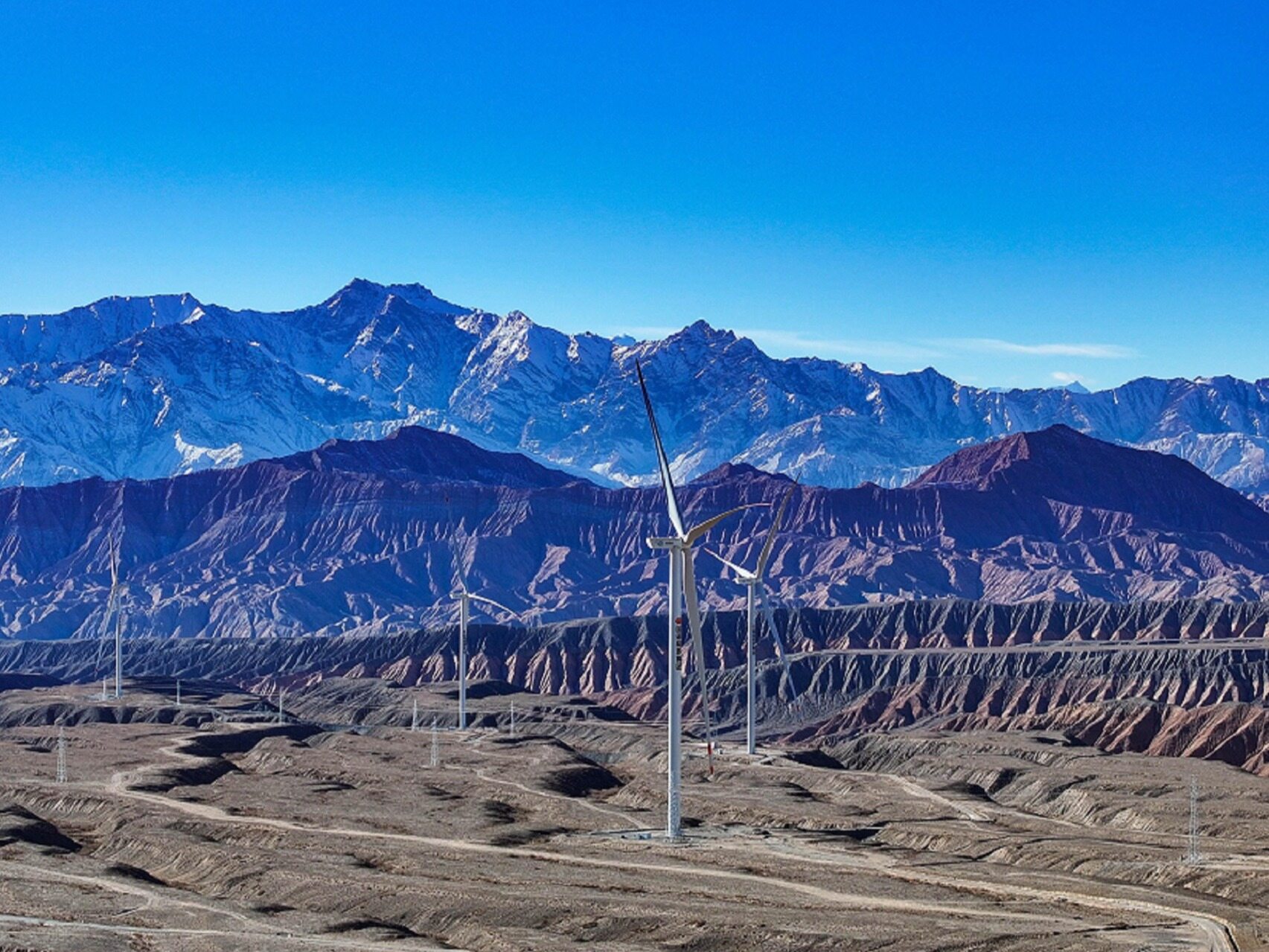
The port project is just the tip of the iceberg of deep cooperation between the two countries. Since the signing of a memorandum of understanding covering seven major areas including ports, housing, and renewable energy in 2023, cooperation has rapidly expanded to a wider dimension. In March 2025, the two sides signed a 3.5 billion watt renewable energy agreement to help Kuwait achieve its goal of 50% clean energy by 2050; Chinese companies have participated in over 80 projects, including the central bank building; Huawei has also helped it become the first 5G fully covered country in the Middle East, and the cooperation has formed a three-dimensional pattern of "infrastructure foundation, energy transformation, and digital empowerment". Keywords: Middle East news and information, Middle East international news
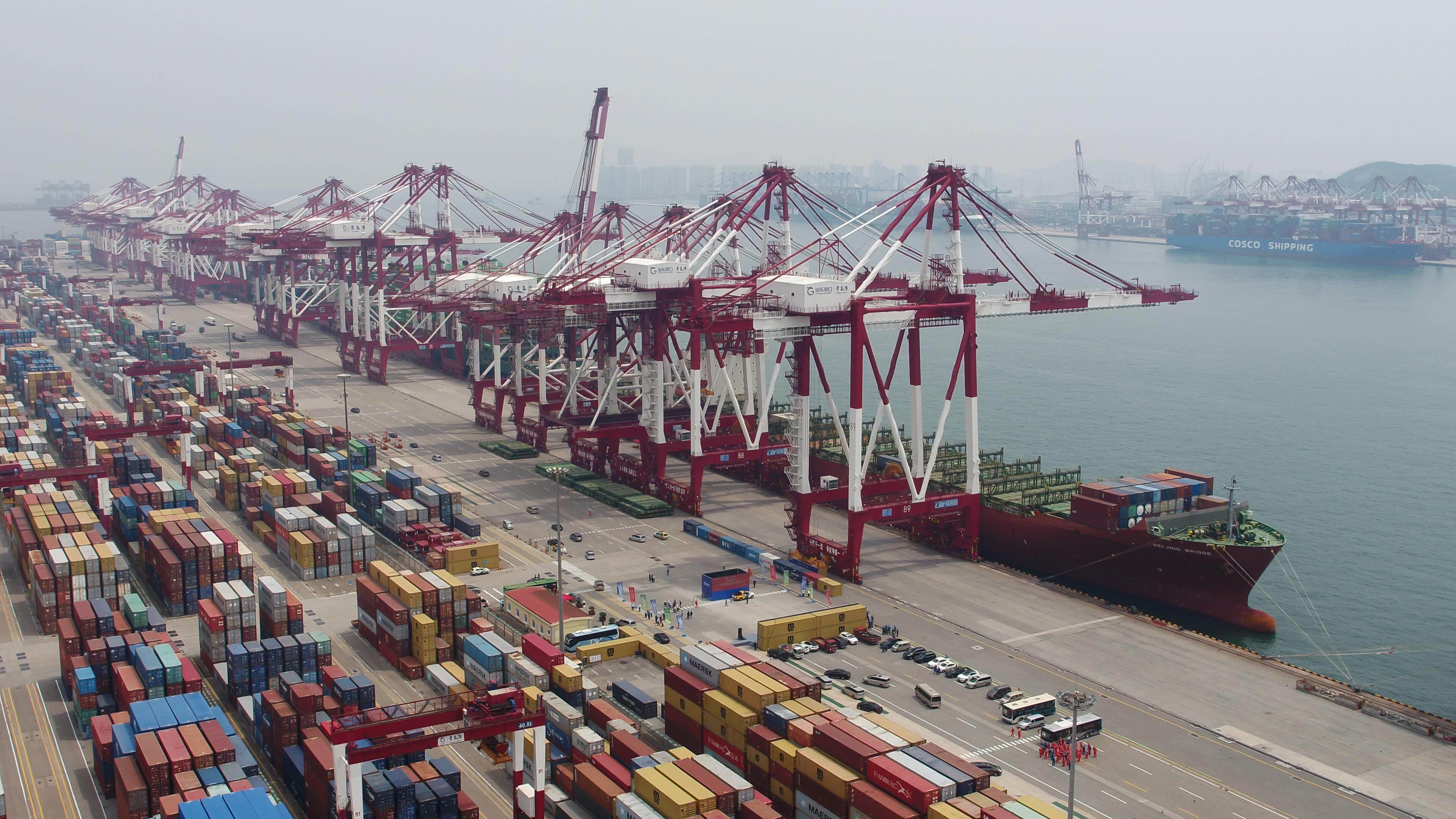
The Middle East fulcrum of the the Belt and Road
The project is regarded by the Chinese side as a milestone of high-quality joint construction of the the Belt and Road. It marks a deep extension of China's cooperation in the Middle East from energy trade to long-term capacity cooperation and sustainable development. By helping Kuwait to build a regional logistics hub and energy transformation, the project not only consolidated bilateral relations, but also provided a replicable successful example for the the Belt and Road Initiative and the development strategy of Middle East countries, strengthening the connectivity value of the region in the new pattern of globalization. (This article is from the official website of Jian Dao www.seetao.com. Reproduction without permission is prohibited, otherwise it will be prosecuted. Please indicate Jian Dao website+original link when reprinting.) Jian Dao website Middle East column editor/Gao Xue
Comment

 Praise
 Collect
 Comment

 Share
Share


Write something~