 Search


- Egypt is extending an olive branch to global capital with unprecedented strength
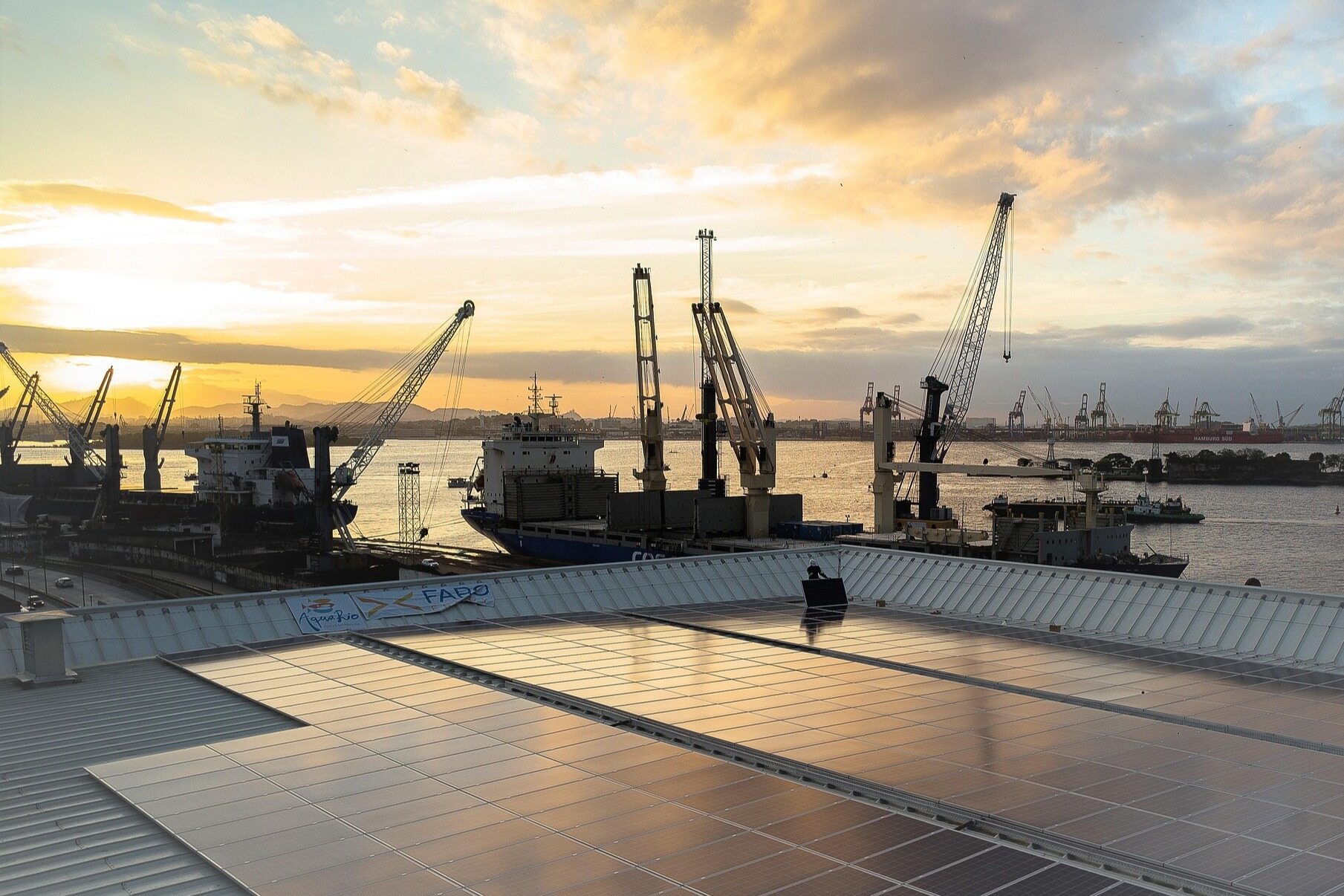
Amid the global energy transition, Egypt is rapidly expanding its clean energy landscape.
Recently, the Egyptian Ministry of Electricity and Renewable Energy has signed a series of power purchase agreements and agreements for the development of independent battery energy storage systems, with a total installed capacity of 5620MW. The Minister of Electricity and Renewable Energy, Mahmoud Esmat, personally attended the signing ceremony, demonstrating the government's emphasis on these projects. This is not only a commercial contract, but also a key milestone for Egypt to achieve the goal of renewable energy accounting for 42% of its 2030 vision.
International capital heavily holds Egypt
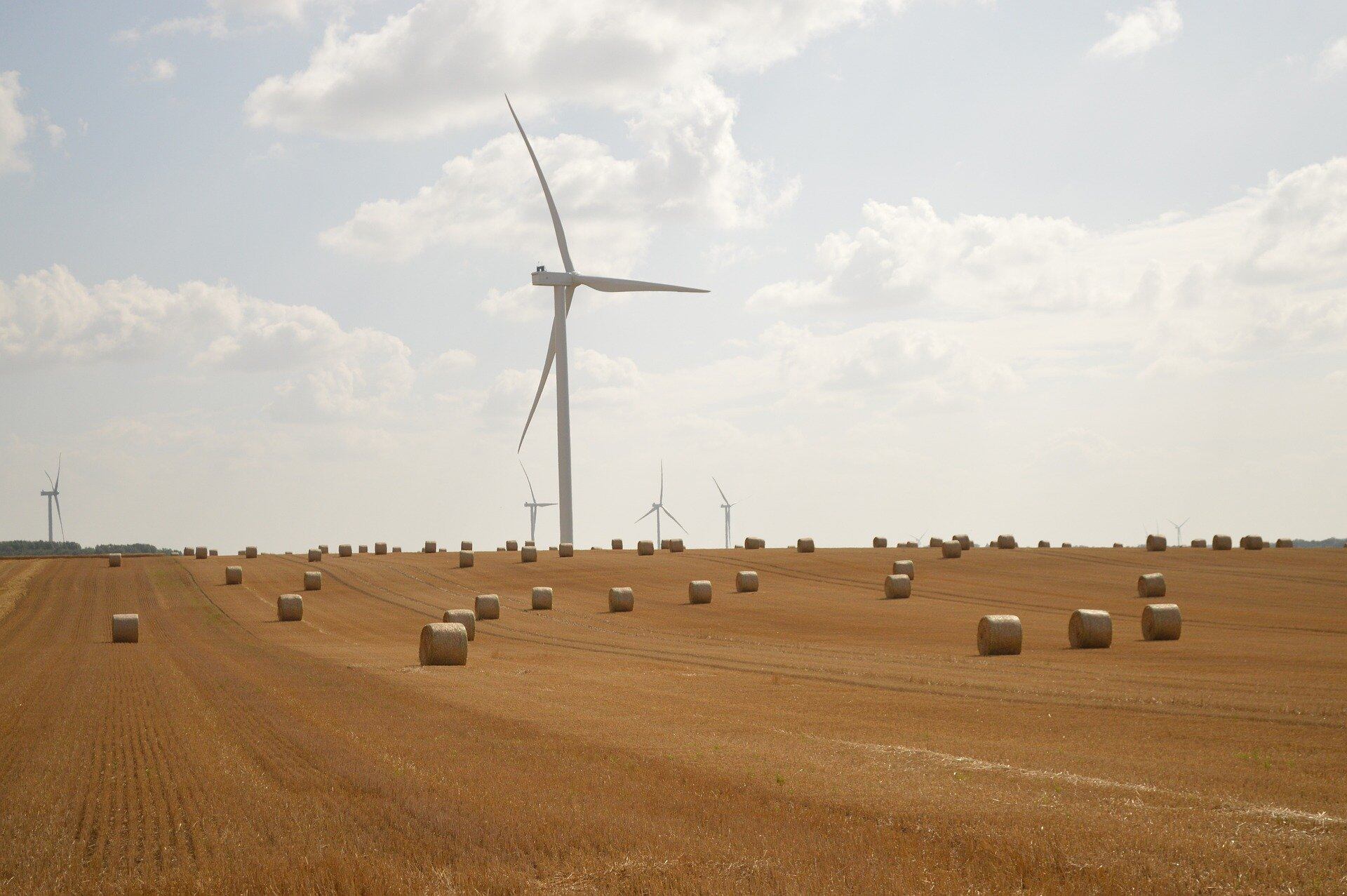
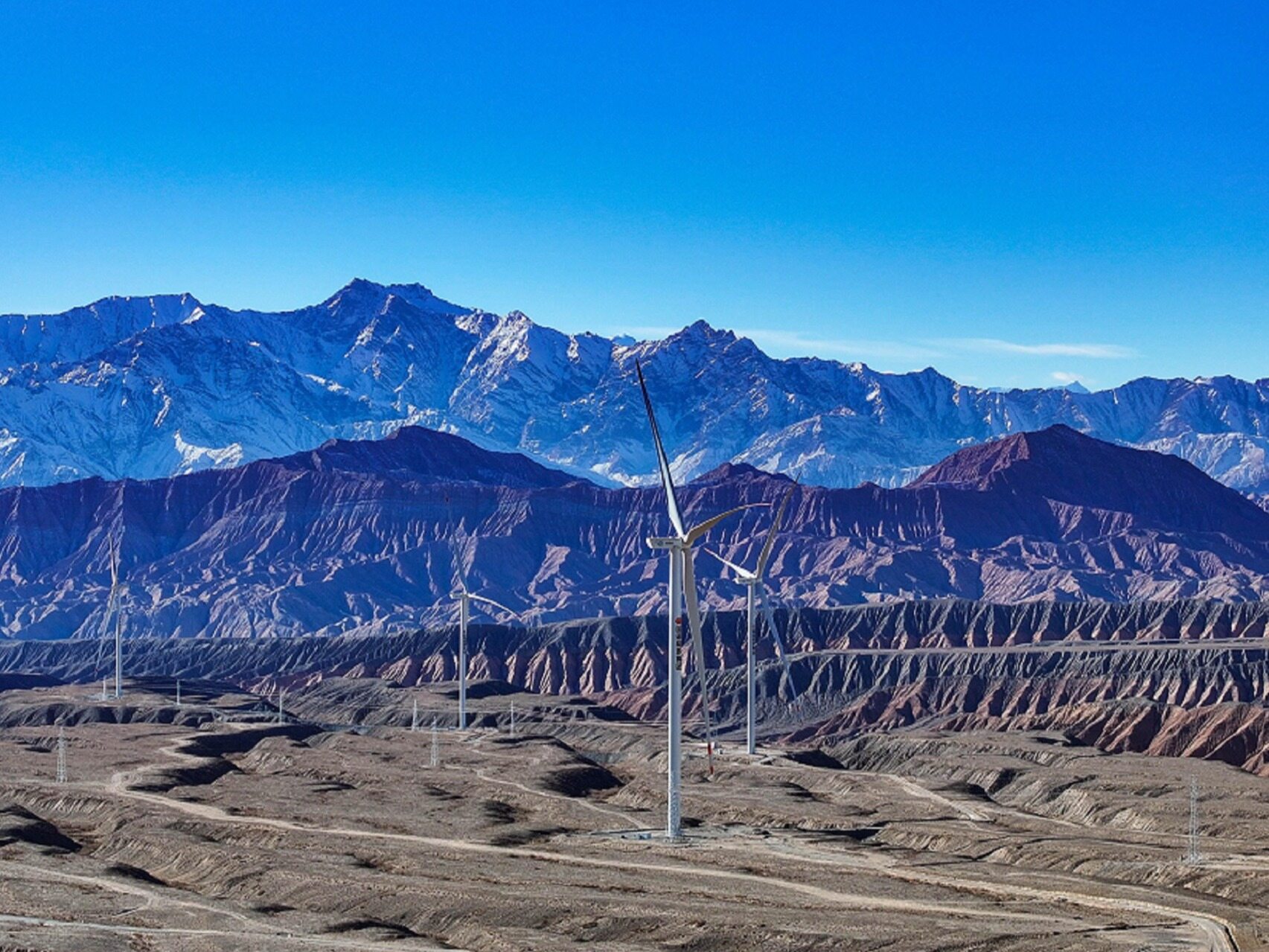
The highlight of this signing is undoubtedly the Las Shukiel wind power project. A strong consortium consisting of Egyptian local giant Orascom Construction, French energy company Engie, and Toyota Tsusho subsidiary has successfully secured the 900MW wind power development rights for the project and simultaneously signed land use and power purchase agreements. The deep involvement of international capital proves Egypt's enormous appeal as an emerging market in the field of renewable energy.
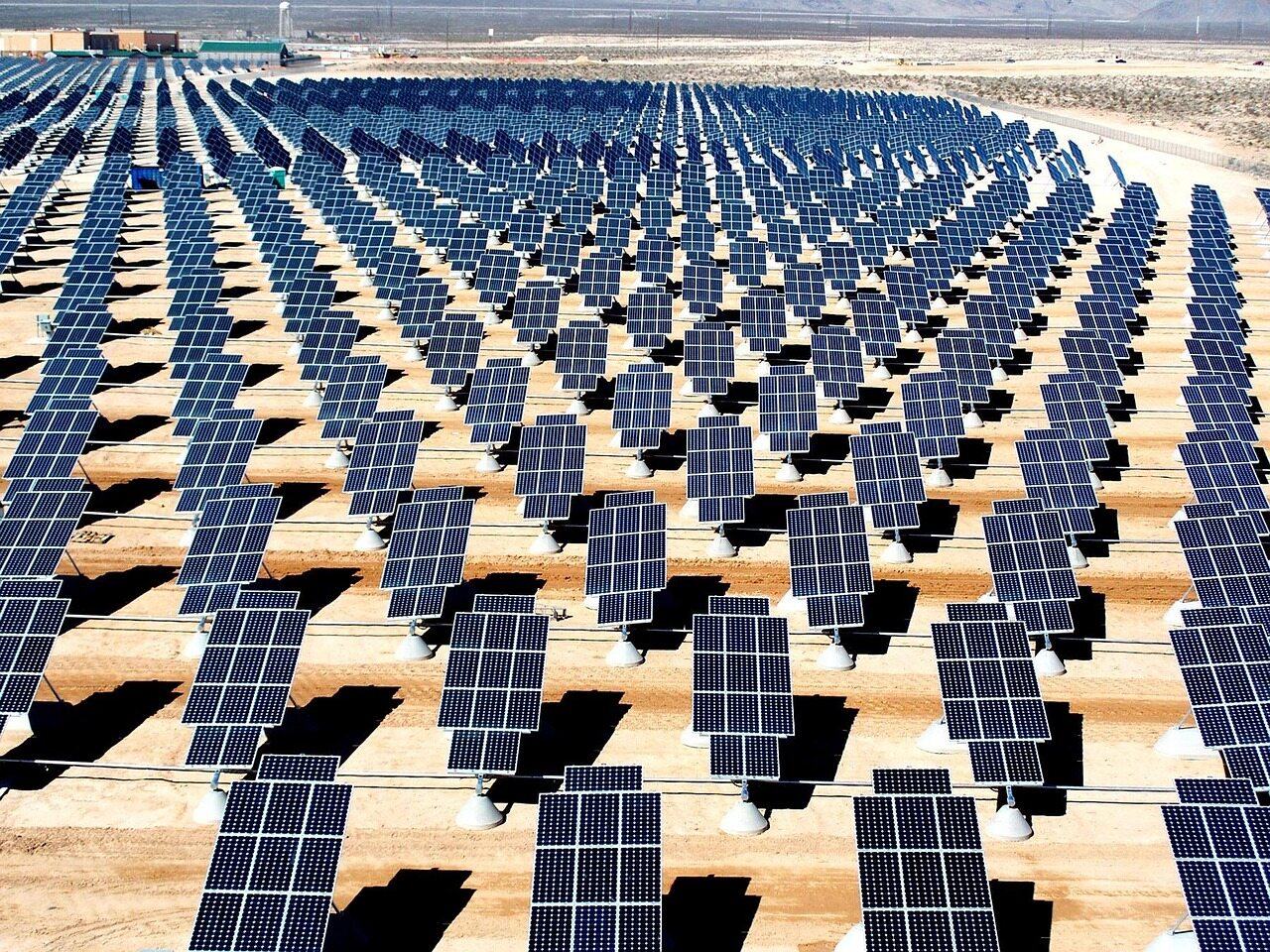
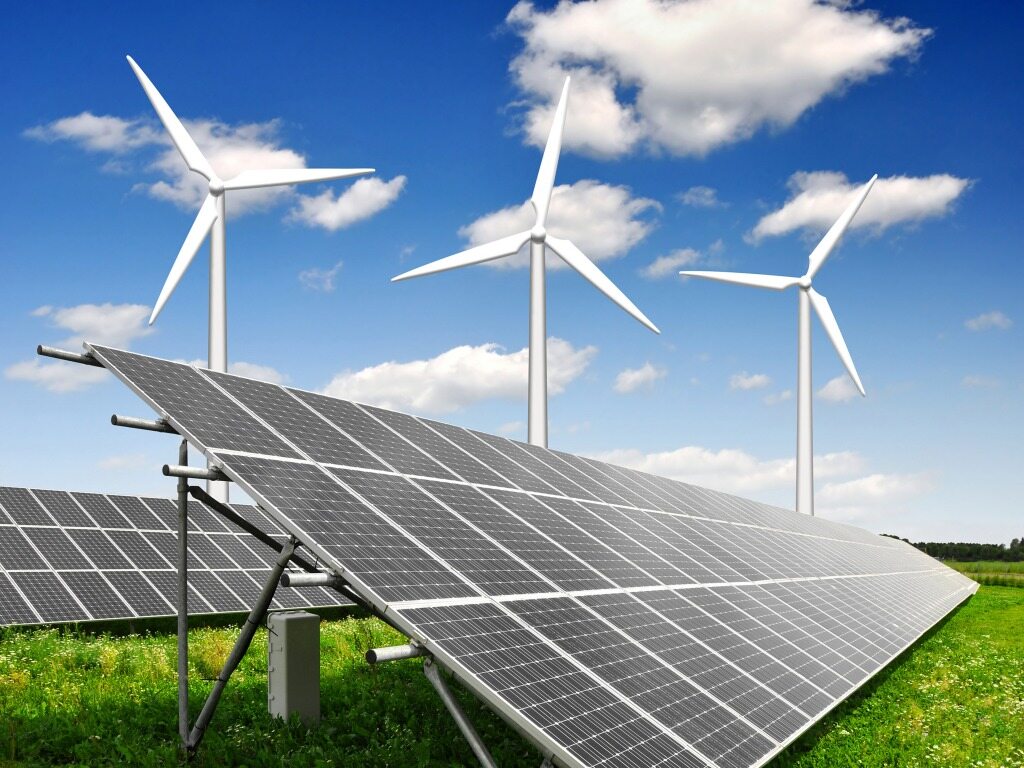
At the same time, Egypt's United Nations Industrial Group became another big winner. According to the official approval of the government in February 2026, Kemet will construct a massive 2GW photovoltaic power station in Najahamadi, along with a 2GWh independent energy storage facility; In addition, two photovoltaic projects with capacities of 320MW and 400MW will also be launched in the Ovenat region. This series of large-scale base based development marks the transition of Egypt's new energy construction from decentralization to intensification.
Breaking through energy storage and solving consumption problems
It is worth noting that the development of independent battery energy storage systems included in this agreement is seen as a breakthrough point for the upgrade of Egypt's power grid. Photovoltaic and wind power have natural intermittency, and a 2GWh energy storage facility is equivalent to installing a huge power bank for the grid, which can effectively smooth out fluctuations and reduce abandoned solar and wind power.
Egypt has the most advantageous lighting resources in North Africa and wind resources along the Red Sea coast, but its development was once hindered by the power grid's capacity for consumption. Nowadays, through the packaging model of photovoltaic+energy storage, coupled with clear power purchase agreements to ensure returns, the investment confidence of private enterprises has been thoroughly activated. Keywords: Middle East news, energy construction
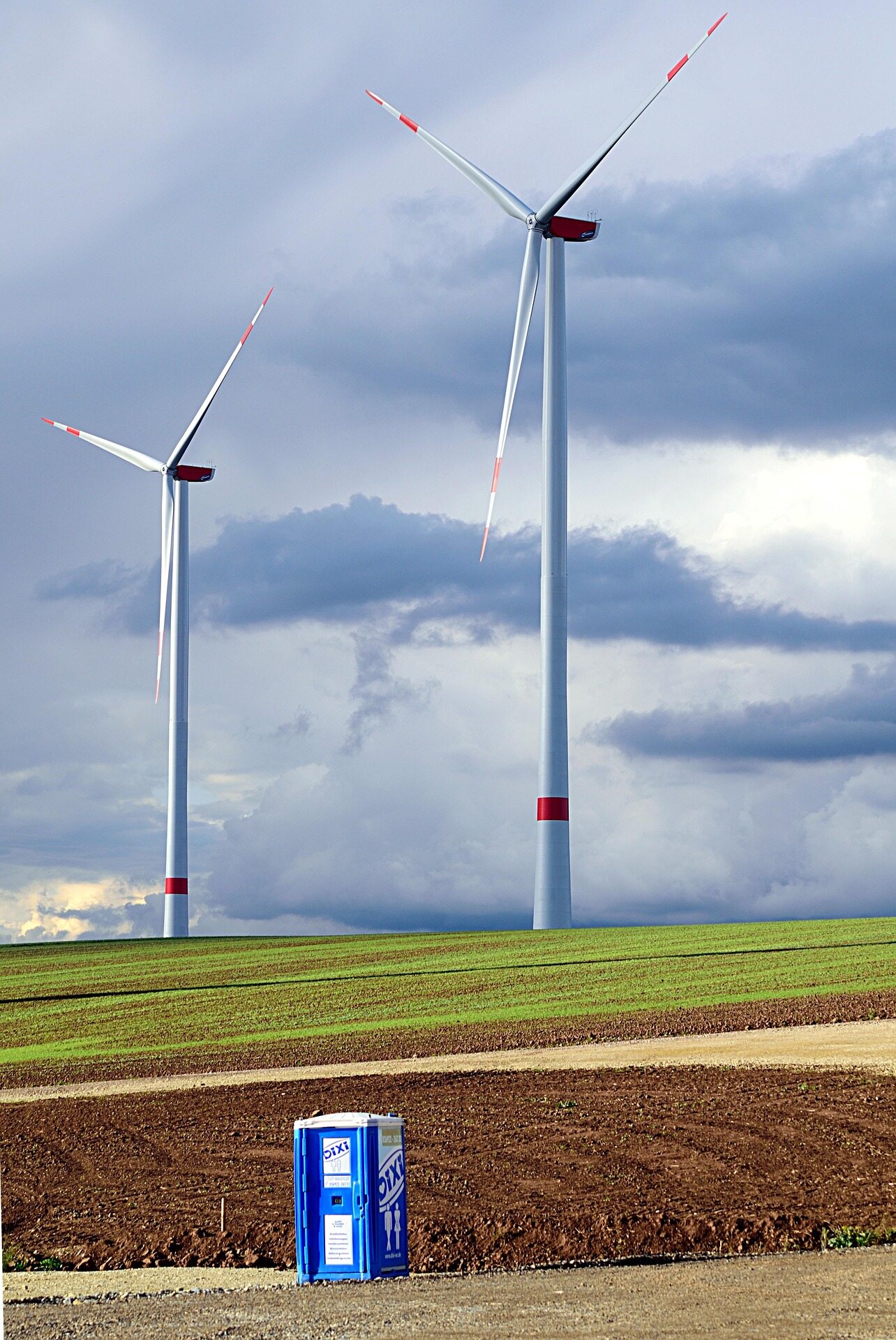
As the 5620MW installed capacity gradually connects to the grid, Egypt will not only alleviate the power shortage during the summer peak, but also build a modern green energy hub on the southern coast of the Mediterranean.Editor/Cheng Liting
Comment


 Praise
 Collect
 Comment

 Share
Share


Write something~