 Search


- Poland's energy storage capacity has decreased for the first time, revealing a shift in its policy direction

In the wave of energy transition in Eastern Europe, Poland's capacity market has always been a barometer for the energy storage industry. However, when the latest bidding results were announced, the market ushered in an unexpected turning point - the scalar in the energy storage system showed a decline for the first time, which is not only a change in a set of numbers, but also reflects a deep shift in Poland's energy policy.
The market changes behind the data
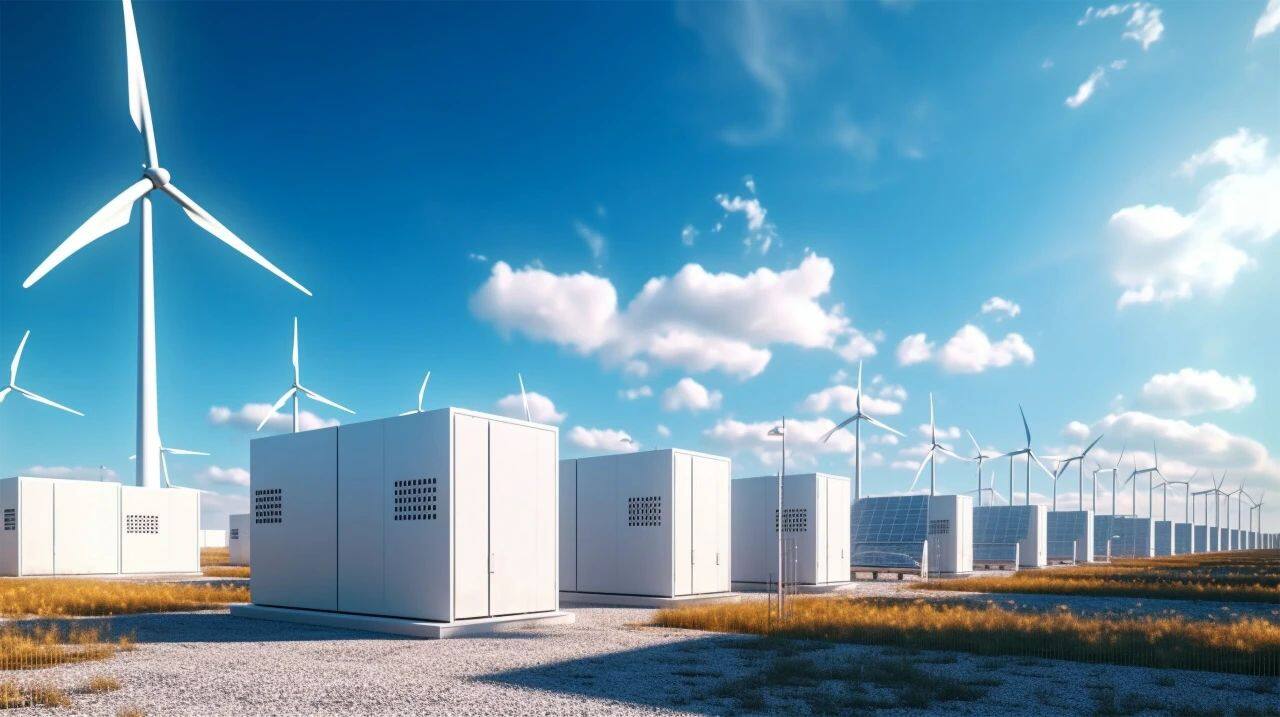
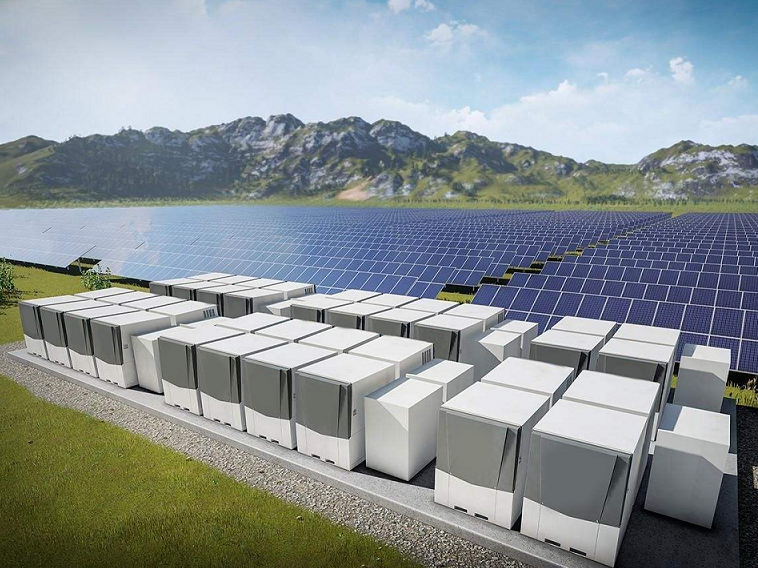
Polish transmission system operator PSE recently announced the latest capacity market tender results, with a total capacity obligation of 6887.639 megawatts to be fulfilled starting in 2030. In this list, the performance of battery energy storage systems is particularly noteworthy - only about 685 megawatts of capacity were awarded.
This figure is more prominent in the historical context: in 2022, 165 megawatts of energy storage were awarded, rising to 1.7 gigawatts in 2023, and reaching a peak of 2.5 gigawatts in 2024. From three consecutive years of rapid growth to the first decline this year, the turning point of the market has become clear.
Industry insiders point out that this change is not accidental. An executive from Harmony Energy Poland, an energy storage developer, revealed to the media that the "de rating factor" for energy storage technology has been significantly reduced to 13%, which is 60% in 2024 and as high as 95% in 2023. The reduction factor directly affects the proportion of capacity that energy storage projects can participate in bidding, and its reduction means that the "available capacity" of energy storage systems in the capacity market is severely compressed.
The deep logic of policy shift
The Polish government's reassessment of energy security has become the core driving force behind this market shift. In January 2025, the Polish government adjusted the bidding parameters for the capacity market and explicitly strengthened support for natural gas power generation. This policy shift has been confirmed in the bidding results: natural gas projects have won contracts for approximately 2400 megawatts, far exceeding the 685 megawatts of energy storage.
The position of state-owned transmission system operator PSE is gradually becoming clear. Energy storage developers have pointed out that PSE seems to be intentionally suppressing the market share of energy storage to support the development of natural gas. The sharp drop in the derating factor from 95% to 13% adjustment has been interpreted by industry insiders as a clear signal from system operators that Poland's energy security strategy is being recalibrated.
What is more noteworthy is that this bidding is the last one under the current system. The Polish government is currently negotiating with the European Union on a new capacity market framework, and how the rules will evolve in the future has become a focus of industry attention. The uncertainty of this transitional period further exacerbates market concerns about the prospects of energy storage.
The practical challenges faced by the industry
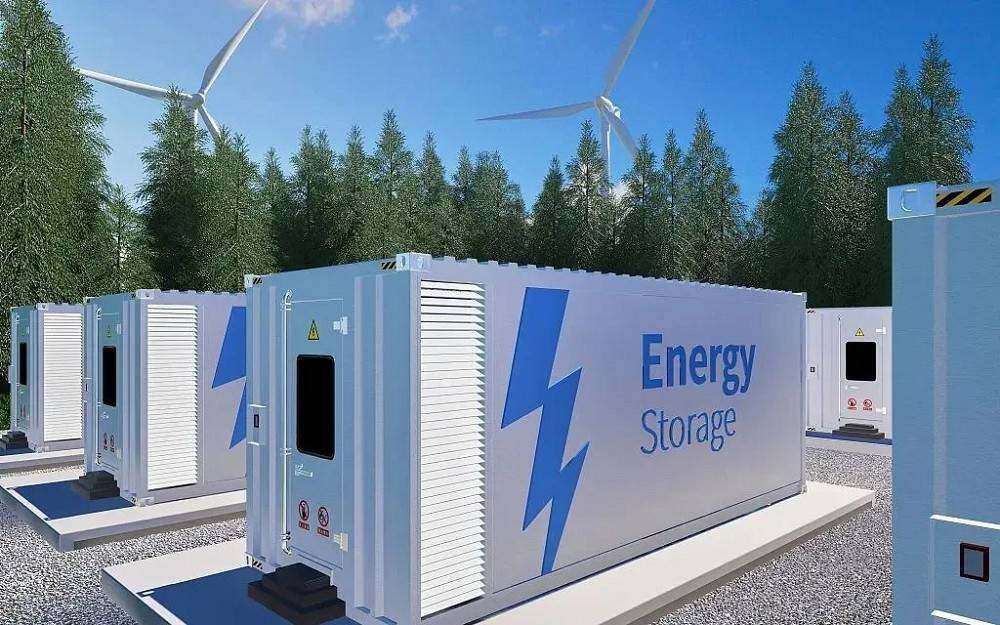
Despite facing unfavorable policy adjustments, the energy storage industry still demonstrated resilience in this tender. Considering only a 13% derating factor, the winning capacity of 685 megawatts actually represents approximately 5 gigawatts of physical capacity - which indirectly reflects the sustained demand for energy storage technology in the market.
However, the challenges faced by energy storage developers and investors cannot be ignored. The winning bidder needs to complete the project construction and begin fulfilling its capacity obligations within five years, which puts enormous time pressure. Industry observers point out that the global shortage of gas turbines, uncertainty in energy storage regulation, and high financing costs will all be major challenges for future development.
From a corporate perspective, the main developers who have obtained energy storage contracts this time include well-known companies such as R.Power, Nala Renewables, Axpo, RWE, and Tauron. State owned power company PGE has also obtained a large number of contracts in various technological fields. This market pattern indicates that even in the face of policy adjustments, leading companies in the industry still maintain market participation.
It is worth mentioning that just a few days before the announcement of the bidding results, Poland had just announced the candidate list for a 1 billion euro funding to support energy storage projects. The subtle balance in this policy - on the one hand, supporting energy storage development through special funds, and on the other hand, limiting the share of energy storage in the capacity market - reflects the Polish government's balancing considerations between energy transition and energy security. Keywords: Energy Storage Latest News, Energy Storage New Energy News
As negotiations between Poland and the EU on a new capacity market framework continue, the future of the energy storage industry will largely depend on how policymakers find a balance between ensuring energy security and promoting the transition to clean energy. For the global energy storage industry, this turning point in the Polish market is not only a policy change for a country, but also a precursor to energy policy adjustments in Europe and even globally. (This article is from the official website of Jian Dao www.seetao.com. Reproduction without permission is prohibited, otherwise it will be prosecuted. Please indicate Jian Dao website+original link when reprinting.) Jian Dao website energy storage column editor/Gao Xue
Comment


 Praise
 Collect
 Comment

 Share
Share


Write something~