 Search


- Starting from the night lights in the suburbs of Nairobi, China's energy storage is innovating with technology and models
- The outbreak of microgrids in Africa is imminent, and China's energy storage exports are shifting from selling equipment to selling services
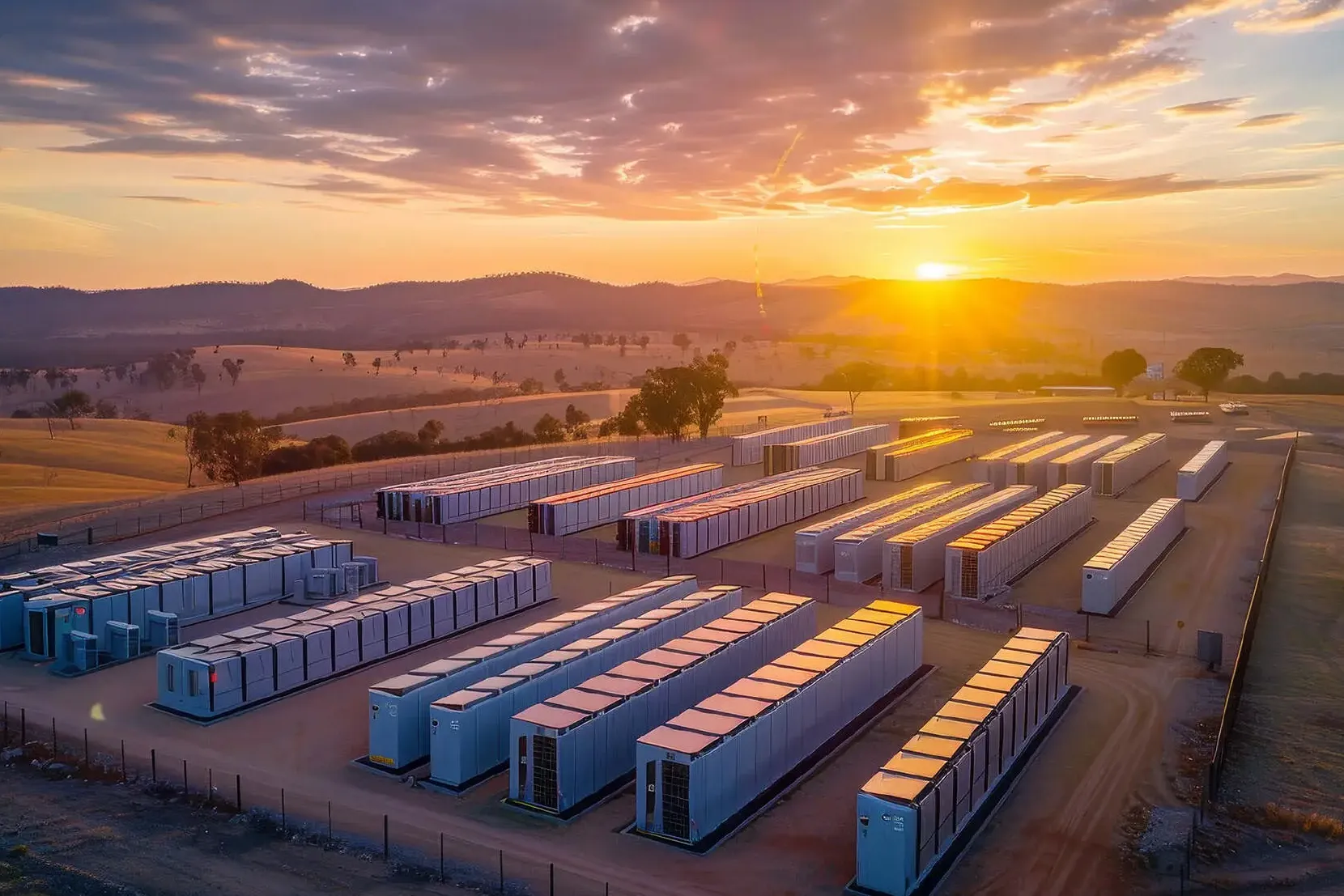
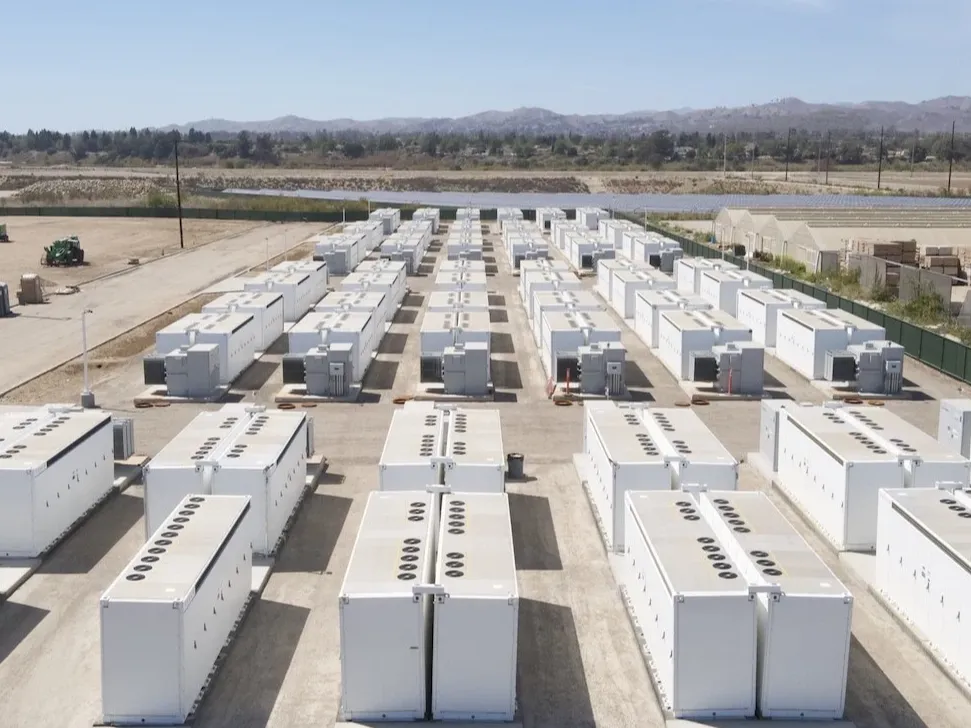
In the suburbs of Nairobi, Kenya, in the evening, the owner of a small wood processing plant, Mwangi, habitually glanced at the electricity meter on the wall. Just a few years ago, this moment was often accompanied by unforeseen power outages and the piercing roar of diesel generators. But now, the photovoltaic panels on the factory roof and the energy storage equipment from China in his warehouse are constantly releasing the electricity stored during the day, allowing the cutting machine to continue operating until late at night. What Mwanji doesn't know is that the "photovoltaic+energy storage" microgrid in his factory is a microcosm of Chinese energy storage companies' expedition to the African continent - on this land where over 560 million people are still without electricity, an energy revolution driven by technology, models, and capital is quietly reshaping the lives of countless people.
The African logic of the rise of microgrids
The African continent is standing at a crossroads of global energy transition, with a huge energy gap on one hand and inexhaustible natural resources on the other. According to authoritative data from the World Bank, over 560 million people in sub Saharan Africa are still without electricity, and the electricity penetration rate in rural areas is as low as 20%. Electricity shortage has become a core bottleneck restricting the economic and social development of Africa.
However, this land boasts the world's richest solar energy resources, with an average annual sunshine hours exceeding 2500 hours. The unique natural conditions and accessible energy poverty create a sharp contrast. Photovoltaic power generation without energy storage is unstable - power output is completely dependent on weather and day night variations. In this context, energy storage technology, as a key means to solve the problem of power generation and consumption mismatch, is particularly important in Africa.
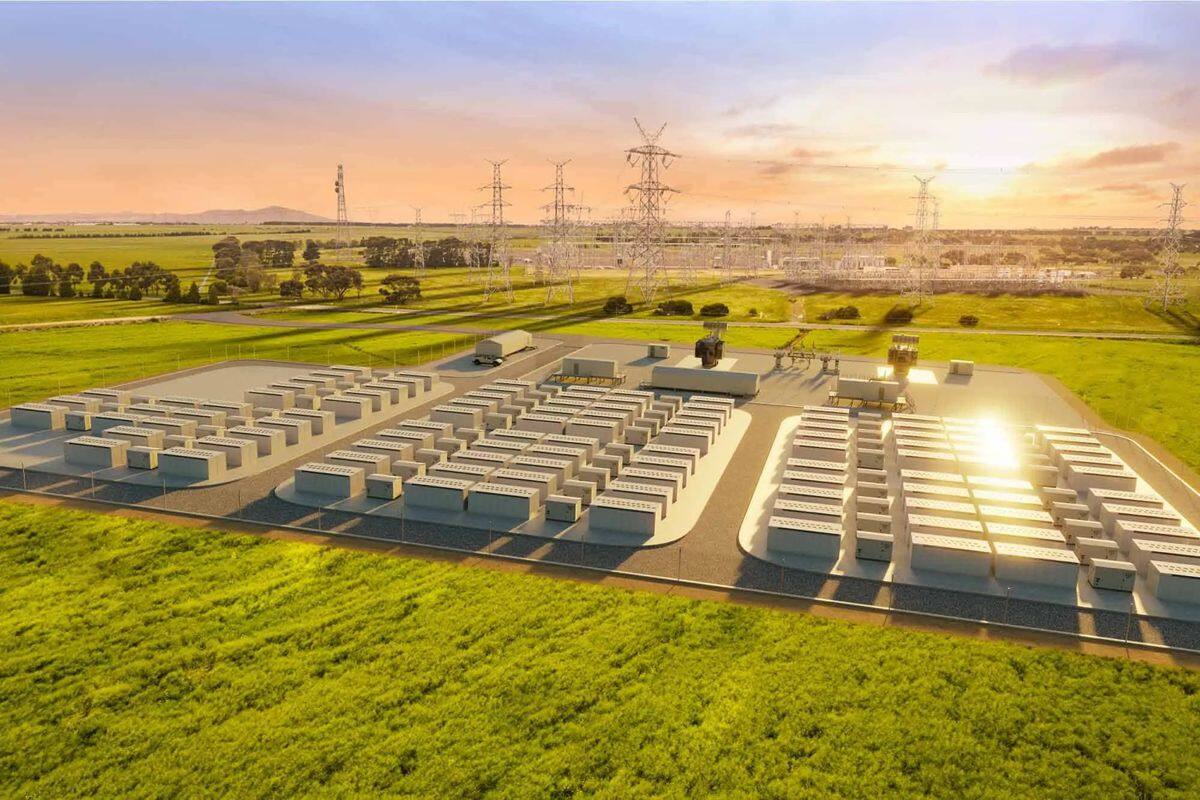
In recent years, governments in many African countries have actively responded to the global trend of energy transition and introduced policy measures to encourage the development of renewable energy and energy storage technologies. Nigeria, Kenya, Zambia and other countries have become pioneer markets for microgrid construction. Taking Nigeria as an example, as the most populous country in Africa, its rural electricity gap is huge. The Rural Electrification Authority of Nigeria (REA) has deployed over 200 microgrids and plans to build 1350 small-scale grids in the coming years, covering a population of 17.5 million, providing vast international market opportunities for Chinese energy storage companies.
The leap from selling devices to selling services
Faced with the special needs of the African market, the overseas model of Chinese enterprises is undergoing profound changes. In the early days, Chinese companies mainly focused on the supply of energy storage equipment, meeting market demand by exporting products such as photovoltaic modules and energy storage batteries. However, with the intensification of market competition, a single device sales model is no longer able to meet the deep-seated needs of African users.
Nowadays, Chinese enterprises are gradually transitioning towards providing full chain energy services. By laying out energy storage equipment, building microgrid systems, providing operation and maintenance services, and other one-stop solutions, the initial investment threshold for users can be reduced. According to industry estimates, for mature industrial and commercial microgrid projects operating in Africa, the energy service contract period can usually reach 10 to 15 years, and the internal rate of return may remain stable between 12% and 18% for a long time, far higher than the profit level of pure equipment trade. Meanwhile, through a specialized remote operation and maintenance platform, enterprises can monitor energy storage assets scattered across vast continents in real-time, reducing equipment failure response time from weeks to hours and significantly improving asset operation efficiency.
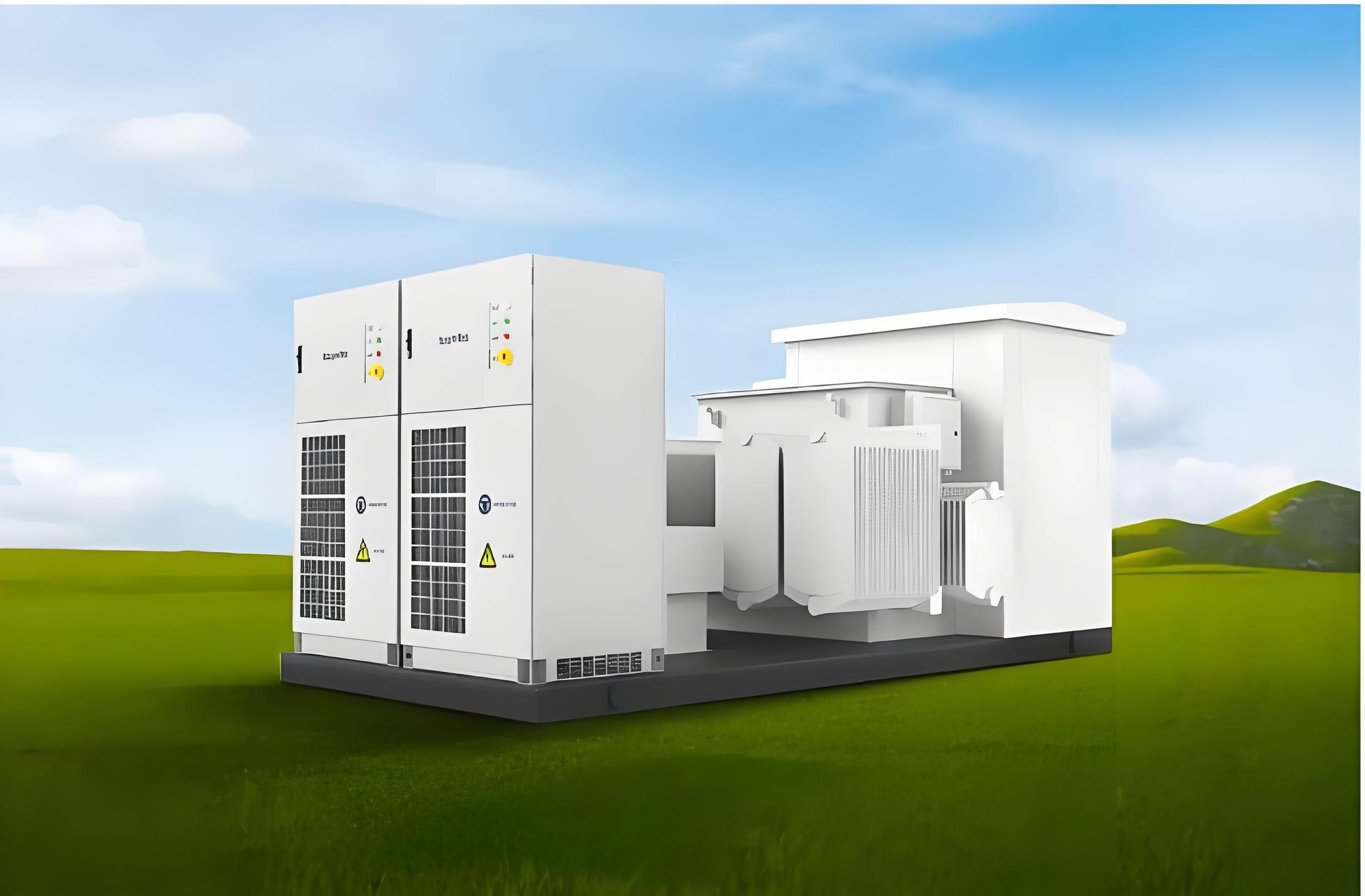
At the level of business model innovation, Chinese companies cleverly graft the experience of "prepaid" in the mobile communication field onto energy services. In response to the large fluctuations in payment ability and lack of credit records of African users, enterprises widely adopt the "pay as you go" model, where users only need to pay a small fee through their mobile phones to unlock their daily electricity usage limit. This "energy as a service" model reduces the initial investment threshold for users by more than 90%, greatly activating the vast low-income household market in Africa. Data shows that energy storage service providers using this model have a customer acquisition speed and market penetration rate that is 3 to 5 times faster than traditional equipment sales models.
The golden window for China's energy storage to go global in 2026
In 2026, the rise of the African energy storage market is pushing the competitive advantage of Chinese enterprises from a single product dimension to a comprehensive competition of technology, models, and industrial chain synergy. The mature technology and cost control capabilities accumulated by China in the fields of photovoltaic modules, energy storage equipment, and microgrid integration perfectly match the urgent demand of the African market for cost-effective and easy to maintain energy solutions. This provides a ticket for Chinese companies to participate in the construction of microgrids in Africa.
The real opportunity lies in the synergistic effect of technology output and model innovation, which deeply integrates domestic business experience with local payment habits in Africa. By deeply binding with electricity demand industries such as agriculture, telecommunications, and mining, enterprises can transform single project profits into diversified business layouts, while enhancing market penetration and building service capabilities covering the entire chain. The tax reduction and project subsidy policies introduced by many African governments, combined with financing support from international multilateral organizations, are gradually eliminating high-risk barriers in the early stages of the market, providing institutional guarantees and funding channels for enterprises to deepen their long-term cultivation.
Looking ahead to the future, China's microgrid going global to Africa is no longer just a simple capacity spillover, but a systematic output of technology adaptation, model innovation, and industrial chain extension. In this wave of global energy transformation, Chinese enterprises are expected to become a key force in promoting regional sustainable development through their profound understanding of the African market and pragmatic localized operations. 2026 may be the best time for the development of energy storage in Africa. Editor/Yang Beihua
Comment




 Praise
 Collect
 Comment

 Share
Share


Write something~