 Search


- Another large-scale cross-border green power project in Southeast Asia marks a new breakthrough in regional energy connectivity
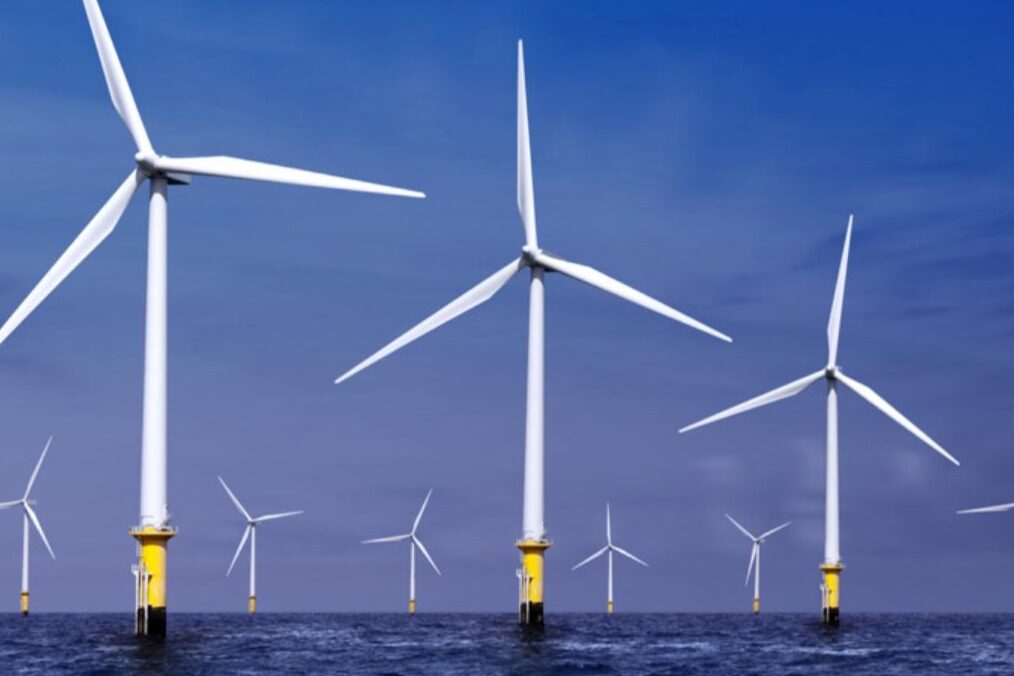
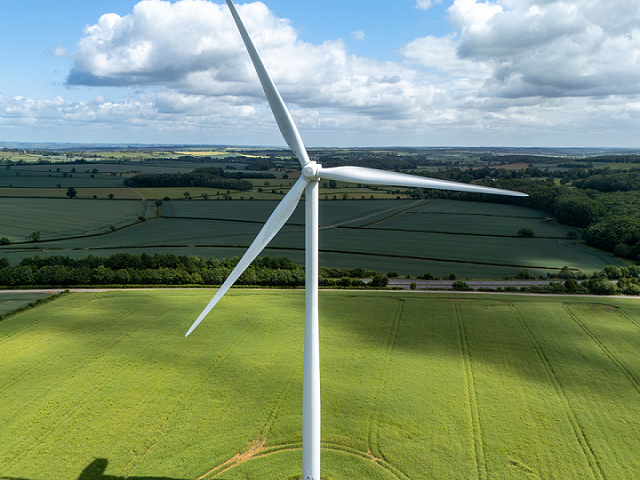
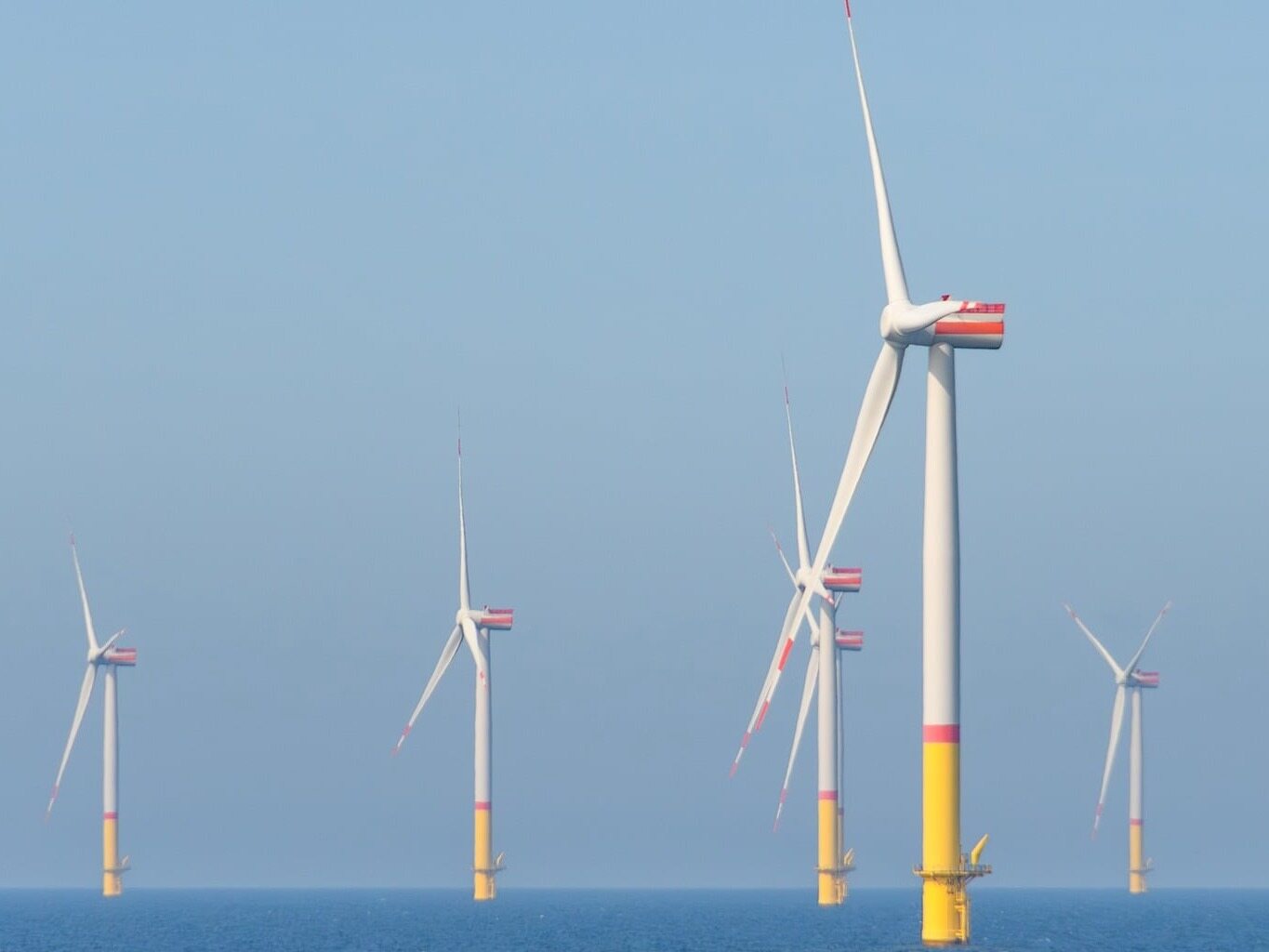
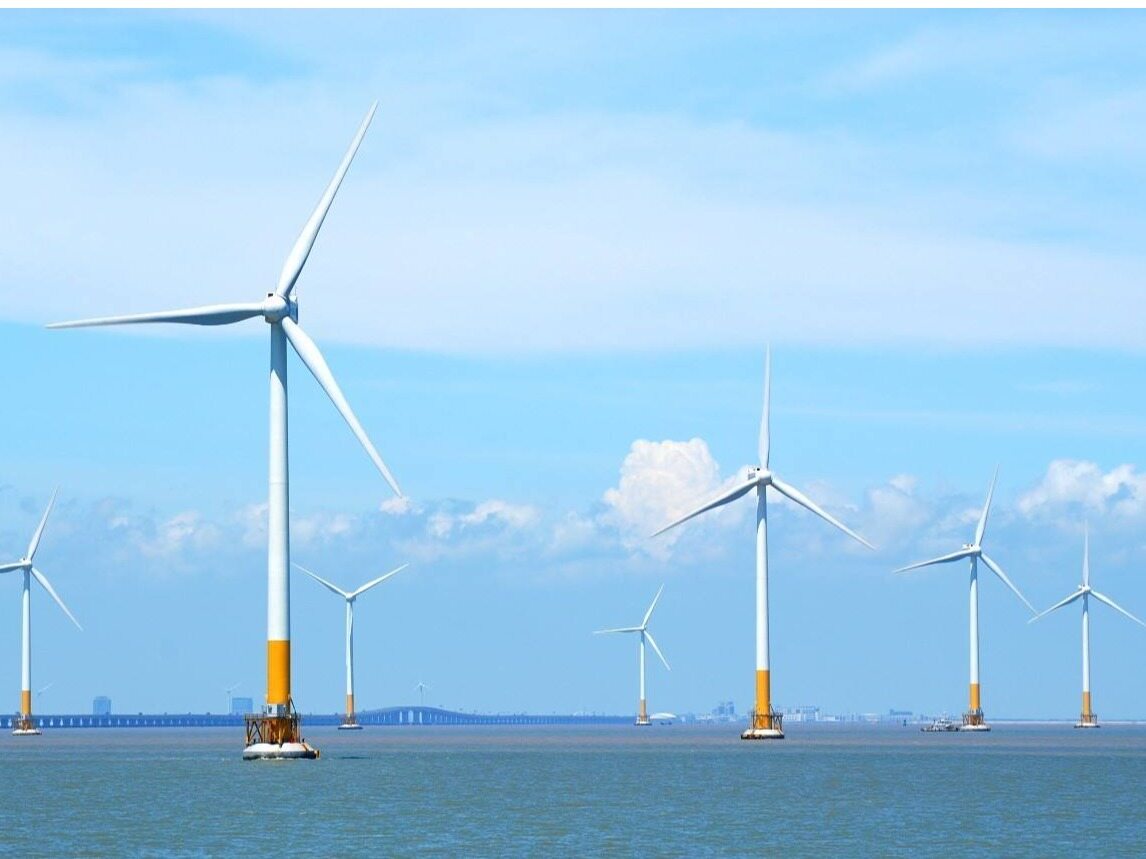
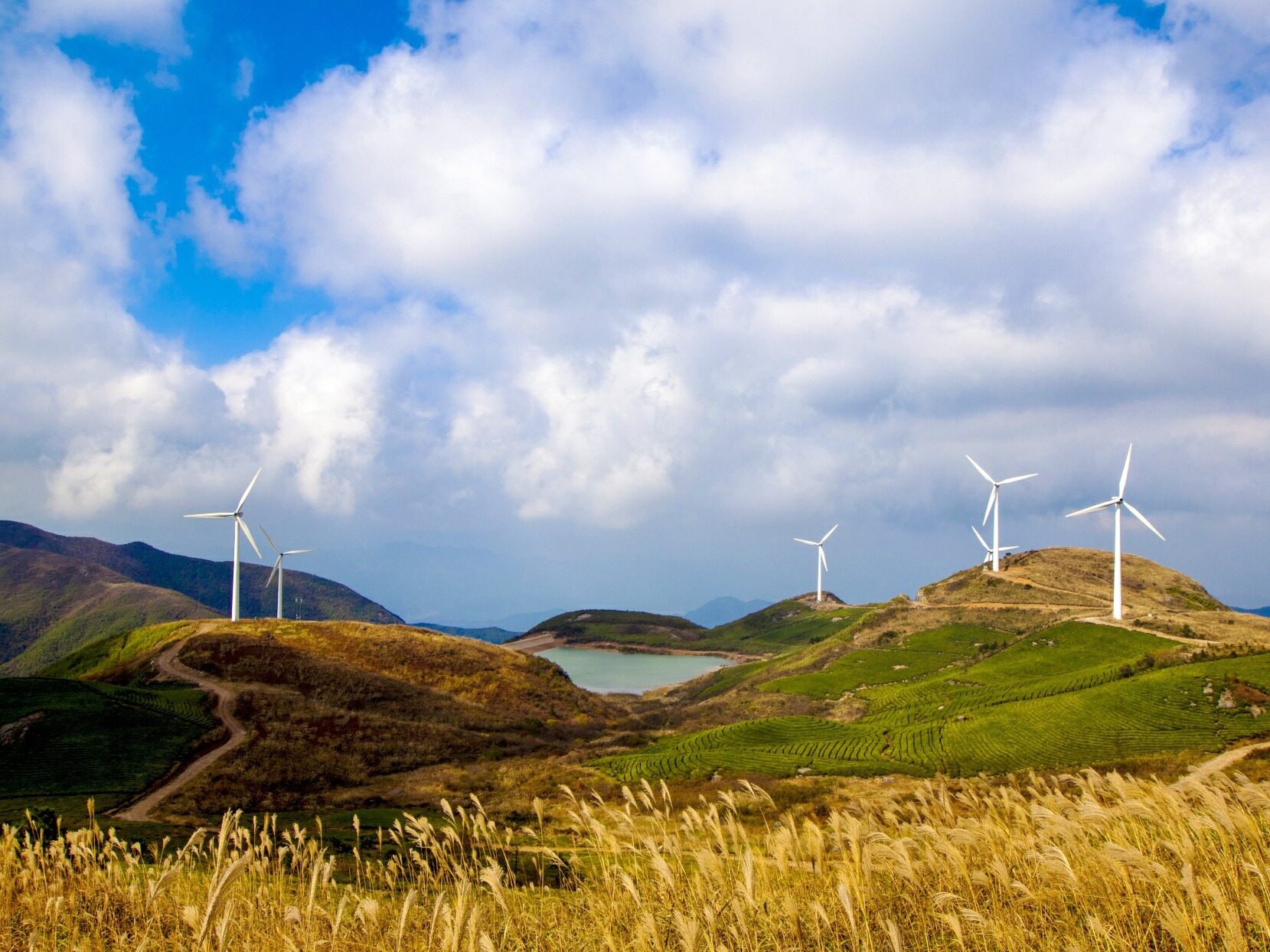
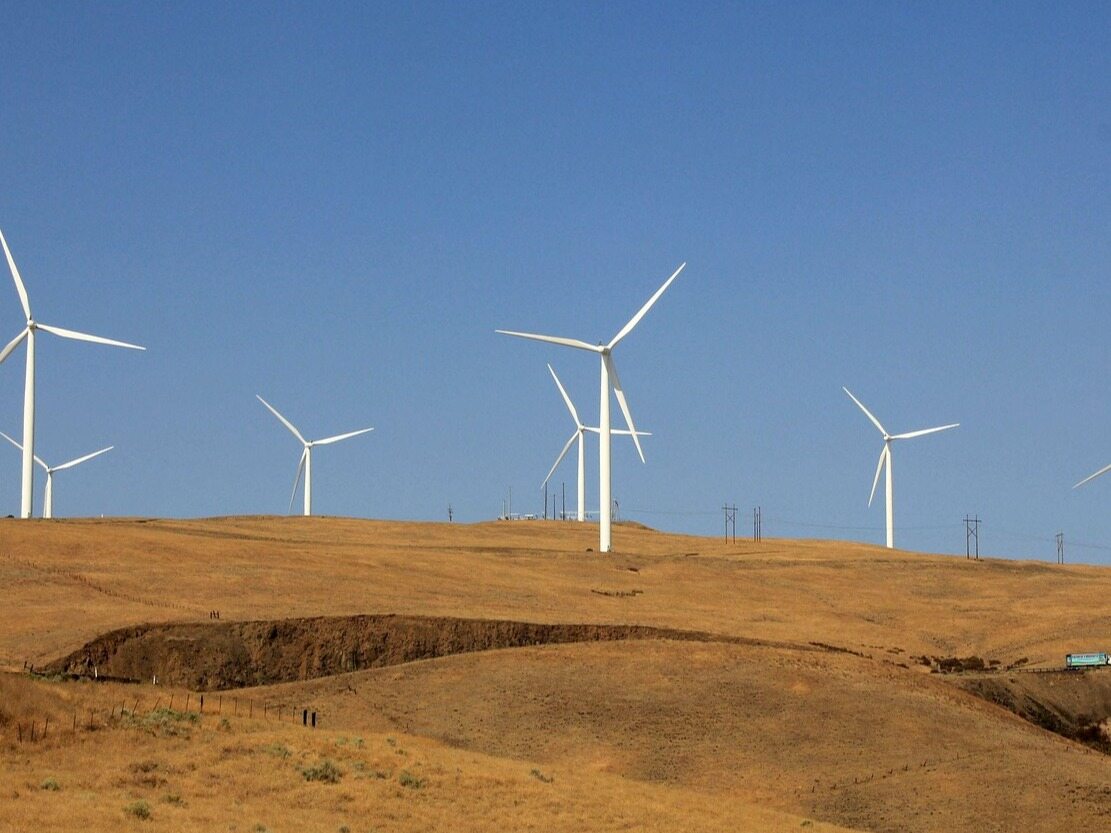
On December 26, 2025, as 48 giant wind turbines slowly rotated in the wilderness of Savannakhet Province in Laos, electricity flowed along a 68 kilometer long dedicated transmission line, crossing the border and injecting into Vietnam's power grid. This is not just a simple electricity transaction, but a cross-border energy interconnection network woven by China Energy Engineering Guangdong Institute and Vietnam IPC Group for the Savan 1 wind power project invested by Vietnam T&T Group. It marks a new stage of large-scale operation for the cross-border green power cooperation model of "Laos production, Vietnam consumption" in Southeast Asia, from a blueprint. Under the dual challenges of climate change and energy security, this "green artery" spanning mountains and rivers not only delivers clean electricity, but also offers new hope for regional coordinated development.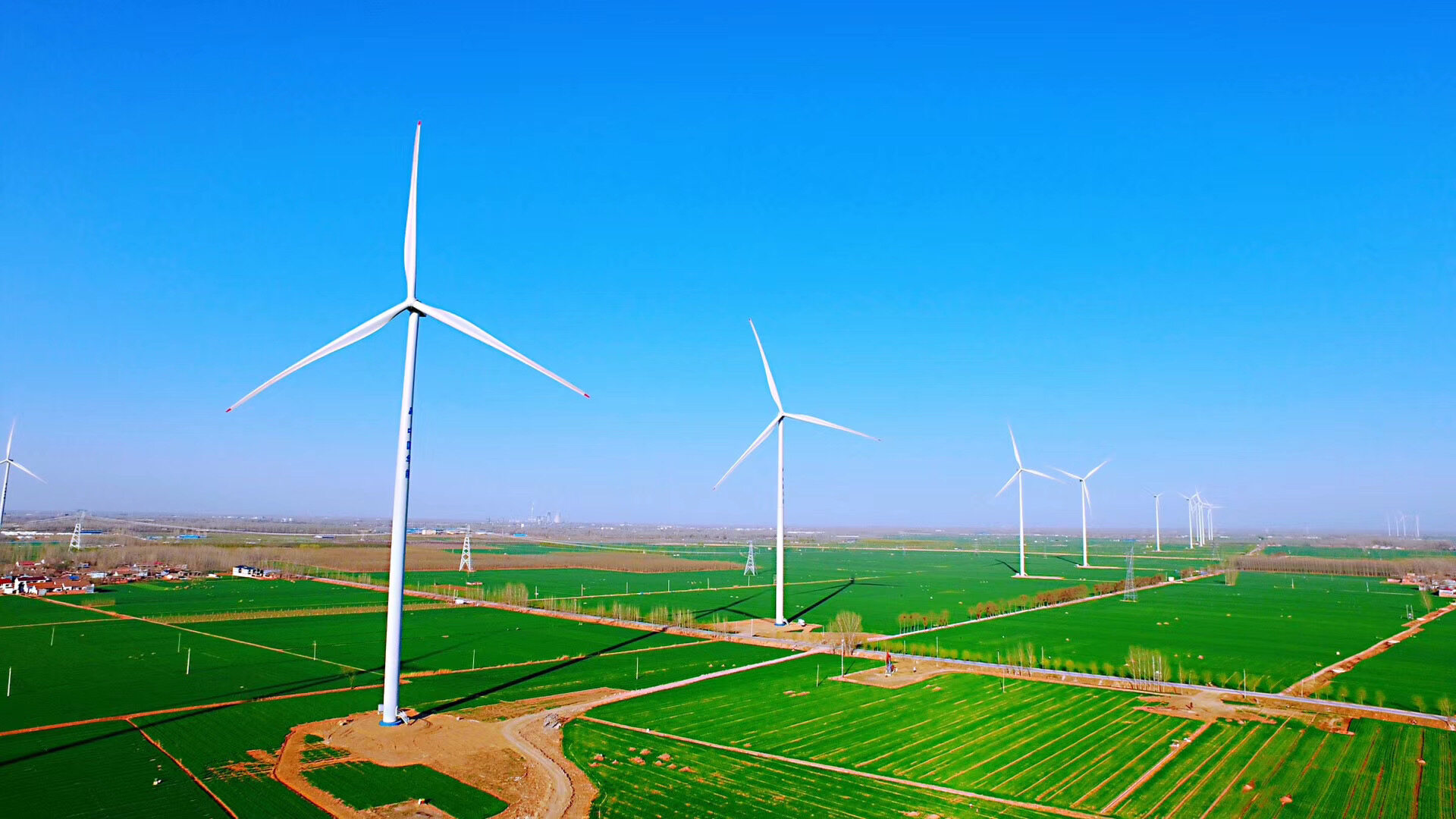
A model of trilateral cooperation led by technology
The Savan 1 wind power project is a typical example of multinational technology and capital collaboration. The total investment of the project is about 768 million US dollars, with a total planned installed capacity of 495MW. Among them, the "design leading" role led by China Energy Engineering Guangdong Institute is crucial. Faced with different grid technology standards from Laos, Vietnam, and China, Guangdong Institute has undertaken the overall technical solution, booster station design, transmission line planning, and complex cross-border grid coordination, ensuring the safe, stable, and efficient integration of this cross-border power system. As a local force, Vietnam IPC Group is responsible for on-site construction, supply chain, and labor management, and effectively connects with the complex power grid access approval process in Vietnam. This iron triangle model of "Chinese technology core+Vietnamese implementation+Laotian resource supply" provides a replicable successful template for future regional large-scale infrastructure cooperation.
The Dual Extreme Challenge of Climate and Logistics
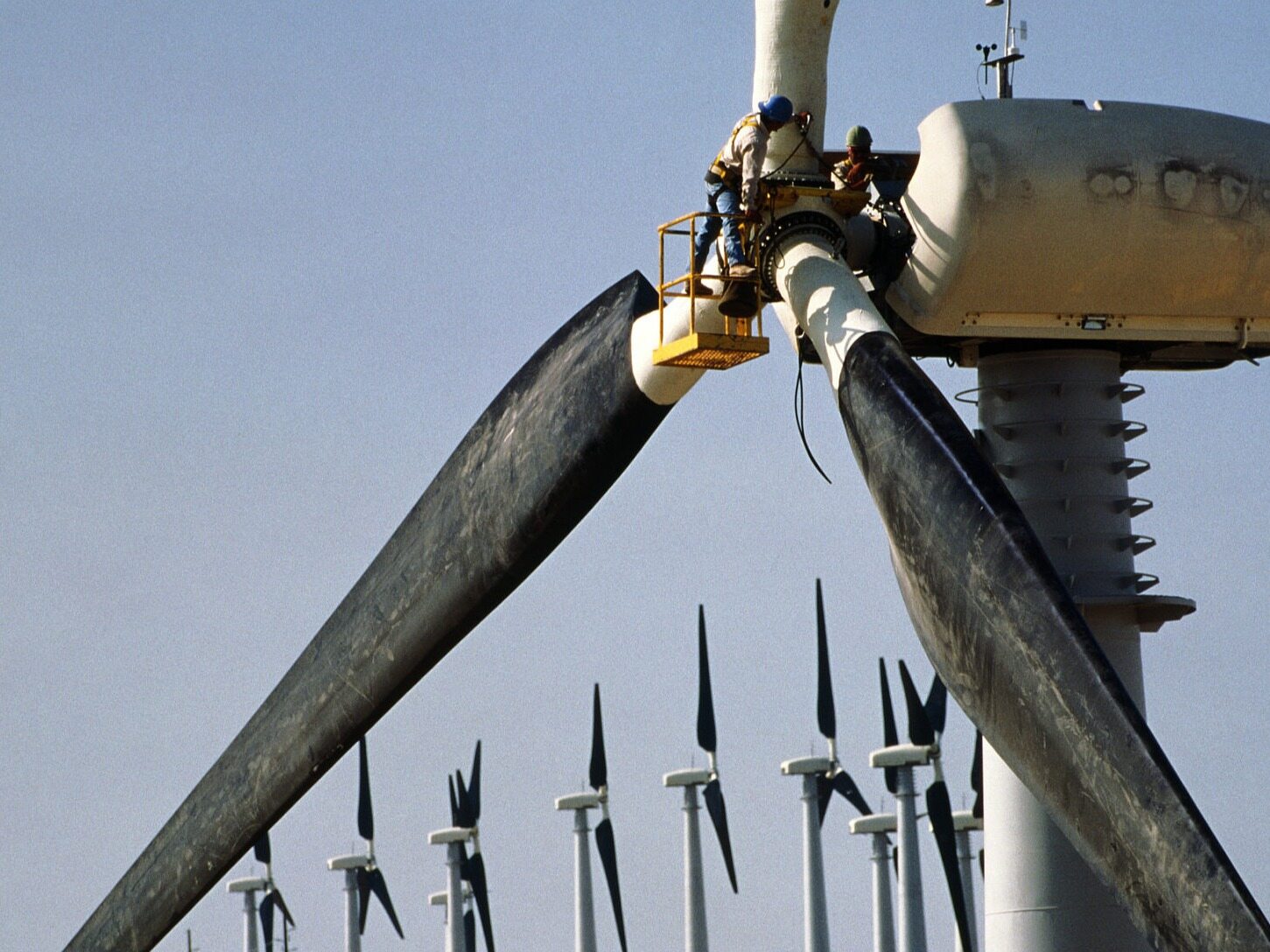
The successful implementation of the project is an extreme competition against the unique natural environment and complex international logistics in Southeast Asia. The 8-month rainy season in Savannakhet Province has resulted in a very short window for effective construction throughout the year. The project team must conduct precise meteorological forecasting and complete lifting operations with strict requirements for wind speed during brief wind pauses - each fan blade length exceeding 80 meters and tower height exceeding 100 meters. At the same time, the international logistics chain is exceptionally complex: large equipment such as wind turbines depart from Chinese manufacturing bases and need to coordinate the customs and transportation systems of China, Laos, and Vietnam to ensure that oversized equipment can smoothly cross multiple borders and arrive at remote mountainous sites on time. Overcoming these challenges one by one demonstrates the excellent international engineering management and resource integration capabilities of the project team.
Reshaping Regional Energy and Industrial Ecology
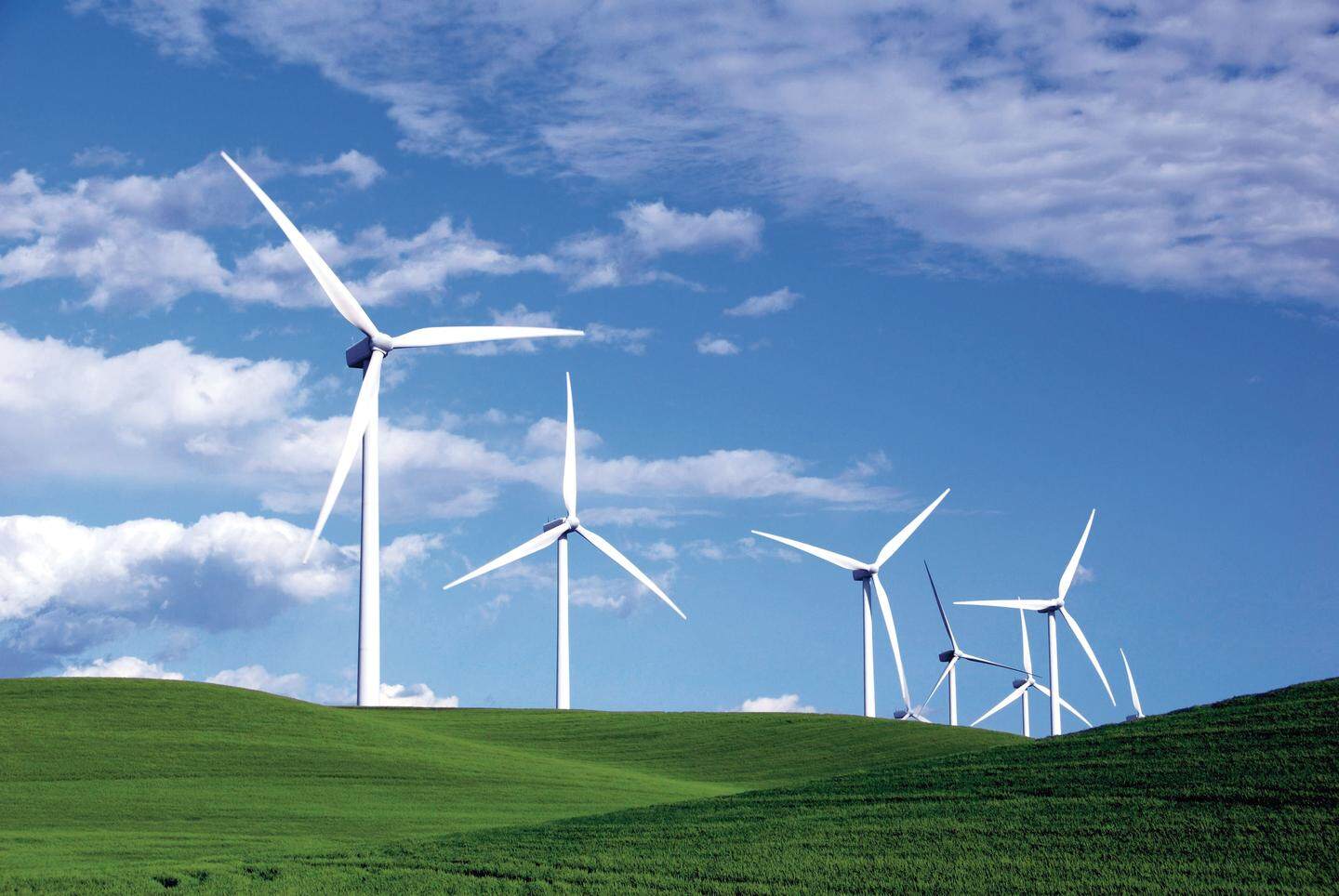
The significance of the Savan 1 project goes far beyond a single project. For Laos, it is a key milestone in realizing the national strategy of "Southeast Asian Battery", transforming abundant wind energy resources into sustained economic growth drivers. For Vietnam, this is an important path to diversify electricity supply, ensure energy security, and fulfill emission reduction commitments in an economic manner. After the project is fully put into operation, it can deliver about 978 million kilowatt hours of green electricity to Vietnam annually, meeting the electricity needs of hundreds of thousands of households, and reducing carbon dioxide emissions by about 975000 tons. Keywords: wind power new energy, wind power new energy news
The more profound impact lies in the reshaping of the regional industrial ecology. It provides a stable and reliable source of cross-border green electricity for Vietnam's export-oriented manufacturing industries such as electronics and textiles, helping them meet the environmental requirements of the international supply chain and enhance industrial competitiveness. It, together with the previously put into operation Mengsong 600MW wind power project, forms the "wind power twin star" for Laos to deliver electricity to Vietnam, setting a model for cross-border green power trade in Southeast Asia and indicating that "energy interconnection" is becoming a new strong engine for regional economic integration. This 68 kilometer line not only connects the power grids of the two countries, but also represents the future of regional sustainable development. (This article is from the official website www.seetao.com of Jian Dao. Reproduction without permission is prohibited, otherwise it will be prosecuted. Please indicate Jian Dao website+original link when reprinting.) Jian Dao website wind power column editor/Gao Xue
Comment

 Praise
 Collect
 Comment

 Share
Share


Write something~