 Search


- Electricity transmission is crucial. This project is tailored to create a "sea land grid" integrated transmission solution
- The environmental benefits after the project is put into operation are equally impressive. Expected annual power generation of 1.7 billion kilowatt hours
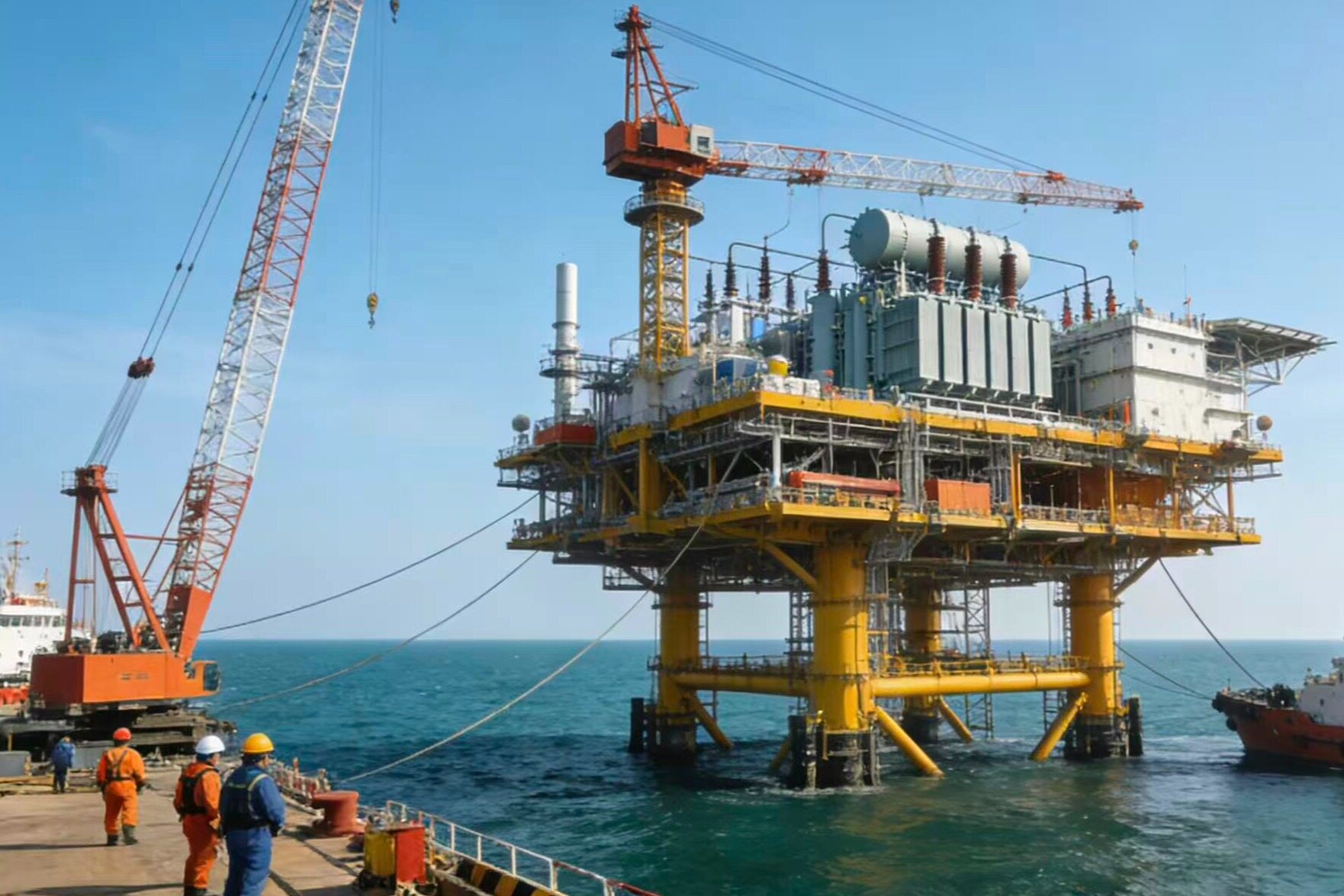
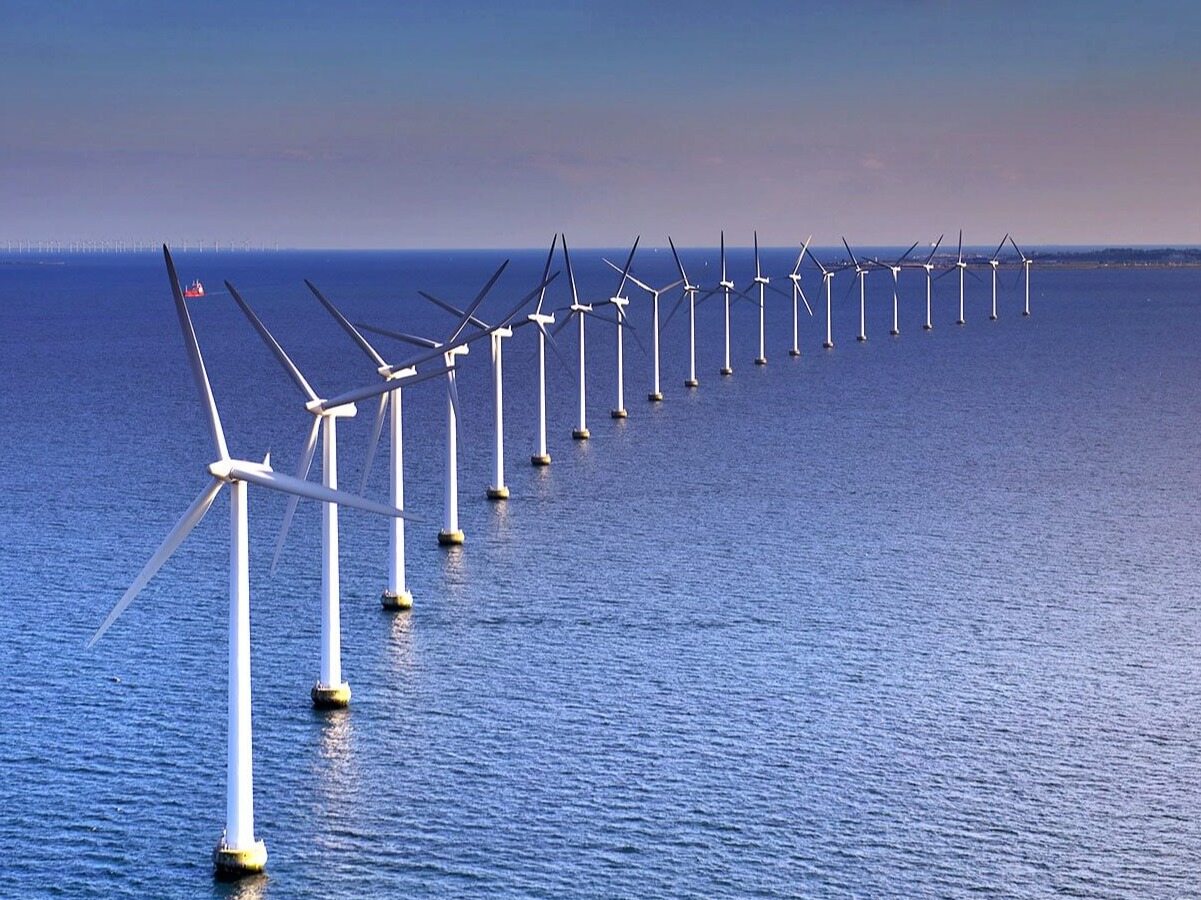
On January 7, 2026, the first batch of units of the Huaneng Shandong Peninsula North L offshore wind power project were successfully connected to the grid. This is not only the first deep-sea offshore wind power project put into operation in the northern region of China, but also marks a new height for China's offshore wind power to tackle deep and distant seas with multiple "national best" hardcore indicators.
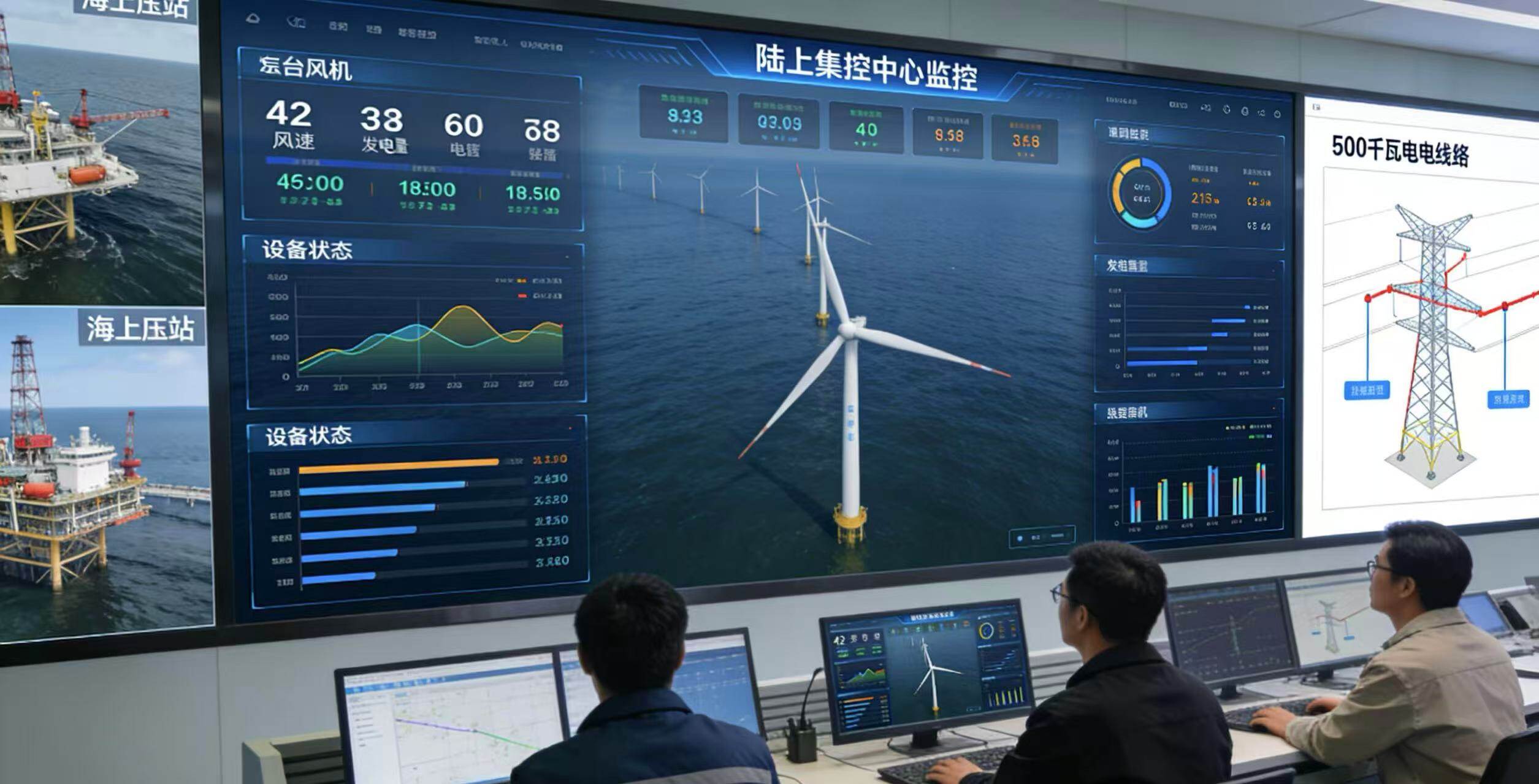
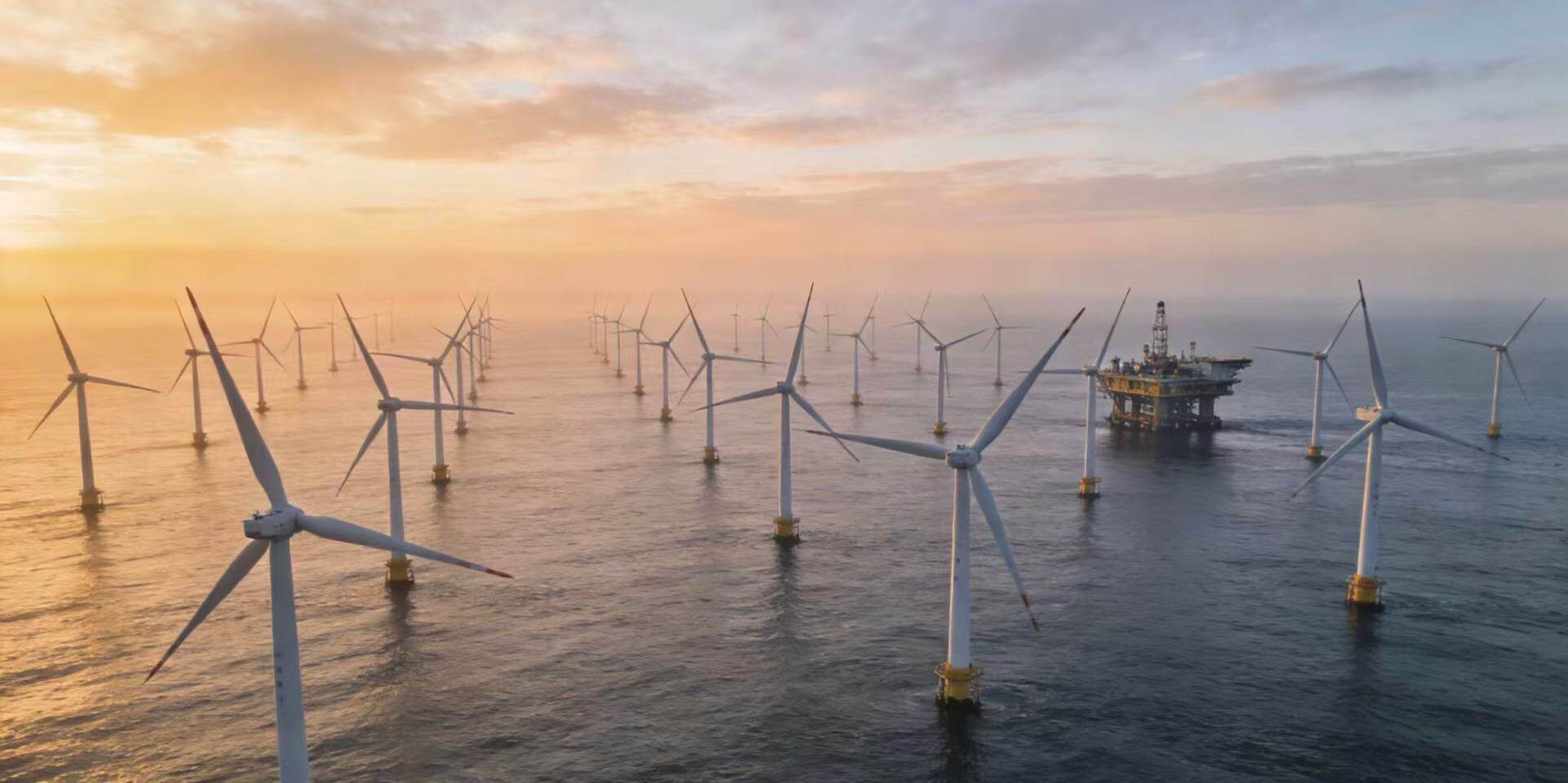
As a landmark project for the advancement of offshore wind power, this project has set multiple records: the center offshore distance is about 70 kilometers, and the operating water depth is 50 to 53 meters, making it the deepest offshore wind power project currently under construction in China; The installed capacity of a single wind turbine has reached 12 megawatts, breaking the upper limit of single unit capacity for offshore wind turbines in Shandong Province; The total installed capacity of the project is 504 megawatts, with a total investment of about 7 billion yuan and the installation of 42 12 megawatt wind turbines. It is the core pivot for Shandong Province to build a 10 million kilowatt offshore wind power base, and also a key landing project for the strategic cooperation between Huaneng Group and Shandong Province during the 14th Five Year Plan period.
Hardcore indicators lead the way, highlighting green benefits
The environmental benefits after the project is put into operation are equally impressive. It is expected that the annual power generation will reach 1.7 billion kilowatt hours, saving about 500000 tons of standard coal and reducing carbon dioxide emissions by 1.35 million tons annually. This is equivalent to providing green electricity for nearly one million households throughout the year, injecting strong momentum into achieving the regional "dual carbon" goal.
Collaborative solution of offshore power transmission problem through "sea land network"
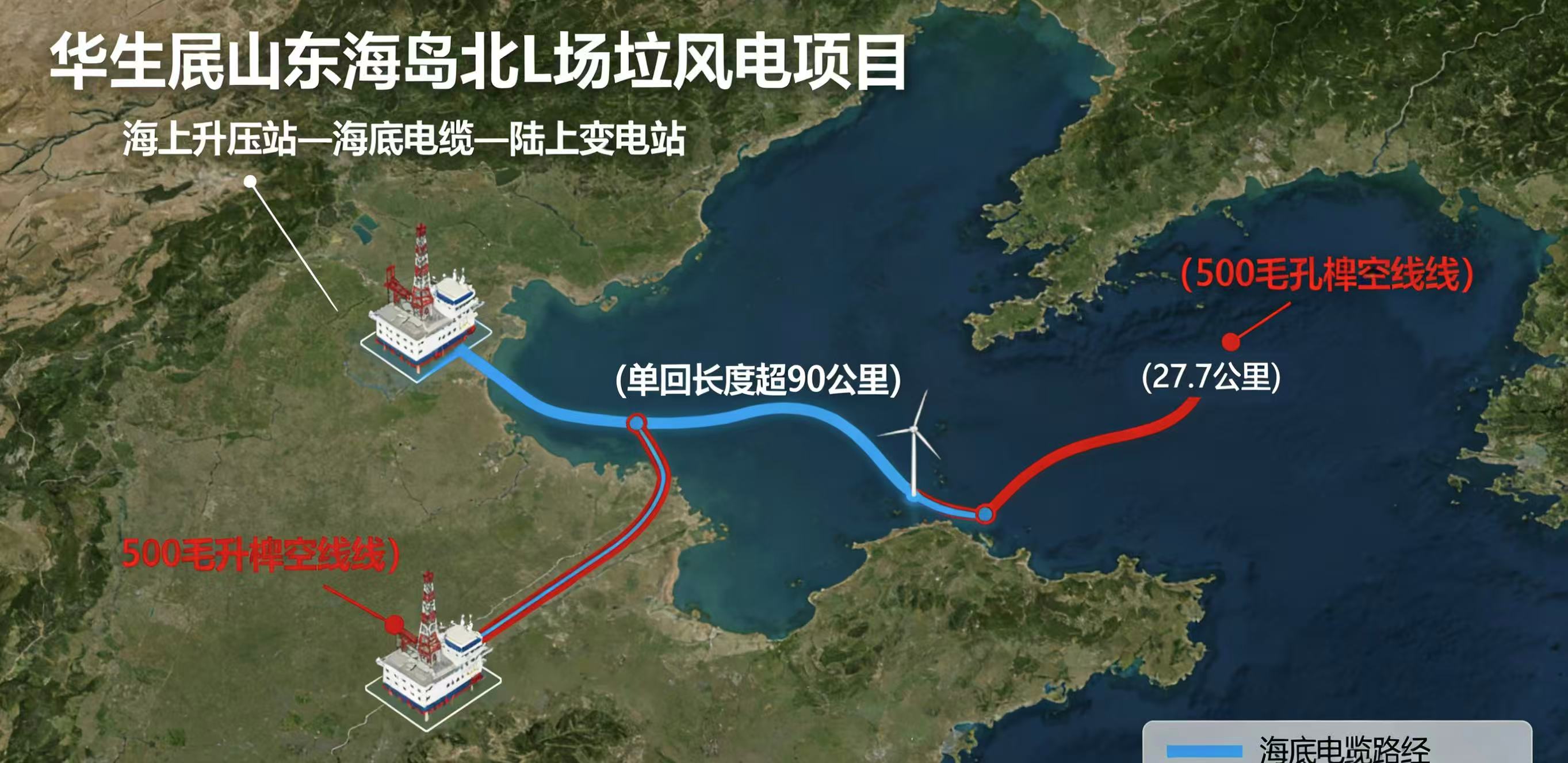
The development of deep-sea offshore wind power relies heavily on power transmission. This project is tailored to create a "sea land grid" integrated transmission solution, overcoming the technical difficulties of long-distance, large-scale, and deep water transmission. At the top of the sea, a 220 kV offshore substation rises from the sea, collecting and boosting the electricity generated by 42 wind turbines; Two 220 kV submarine cables have broken through waves, with a single circuit length exceeding 90 kilometers, achieving stable transmission of electricity to land.
On the land side, a flexible strategy of "temporary grid connection+long-term upgrade" is adopted: due to the incomplete completion of the 500 kV Muping Station supporting project, the project will initially connect to the Muping Station at a voltage level of 220 kV with a 220 kV interval; At the same time, a 27.7-kilometer 500 kV overhead power line will be newly built. After the expansion of the 500 kV interval at Muping Station is completed, the project will switch to the 500 kV voltage level and be officially connected to the grid, achieving efficient long-distance transmission of clean electricity and providing a replicable model for the power transmission of subsequent deep-sea wind power projects.
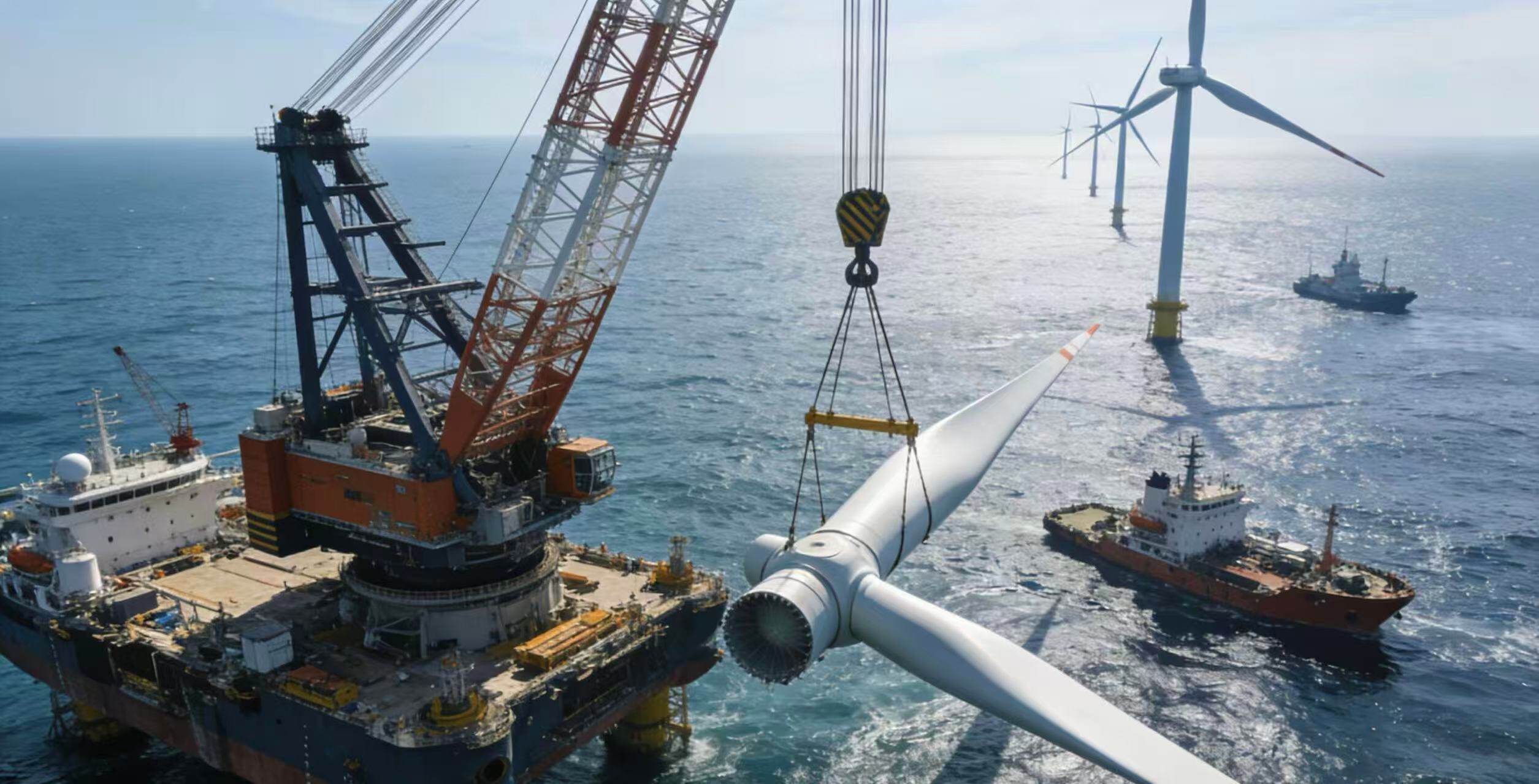
The grid connected power generation of this project not only fills the gap in the development of deep-sea wind power in northern China, but also marks the full chain technological capability of China's offshore wind power from nearshore to offshore and from shallow water to deep water, pressing the accelerator button for the development of clean energy in the ocean.Editor/Bian Wenjun
Comment

 Praise
 Collect
 Comment

 Share
Share


Write something~