 Search


- But behind the opportunities, challenges also follow closely. $12.5 billion investmen
- As a benchmark in the African aviation industry, Ethiopian Airlines has already surpassed the carrying capacity of existing infrastructure in terms of takeoff speed

In the morning light of the East African Plateau, a vast valley nestled among layers of lush greenery is ushering in a historic moment. On January 10, 2026, Ethiopian Prime Minister Abi Ahmed and his wife Zinash Tayachu jointly laid the first foundation stone for Bishovtu International Airport, and the roaring construction machinery responded to the sound. This $12.5 billion super airport is not only Ethiopia's ambition to become a world aviation power, but also positioned as the "heart of African aviation", rewriting the transportation map and economic and trade network of the entire African continent.
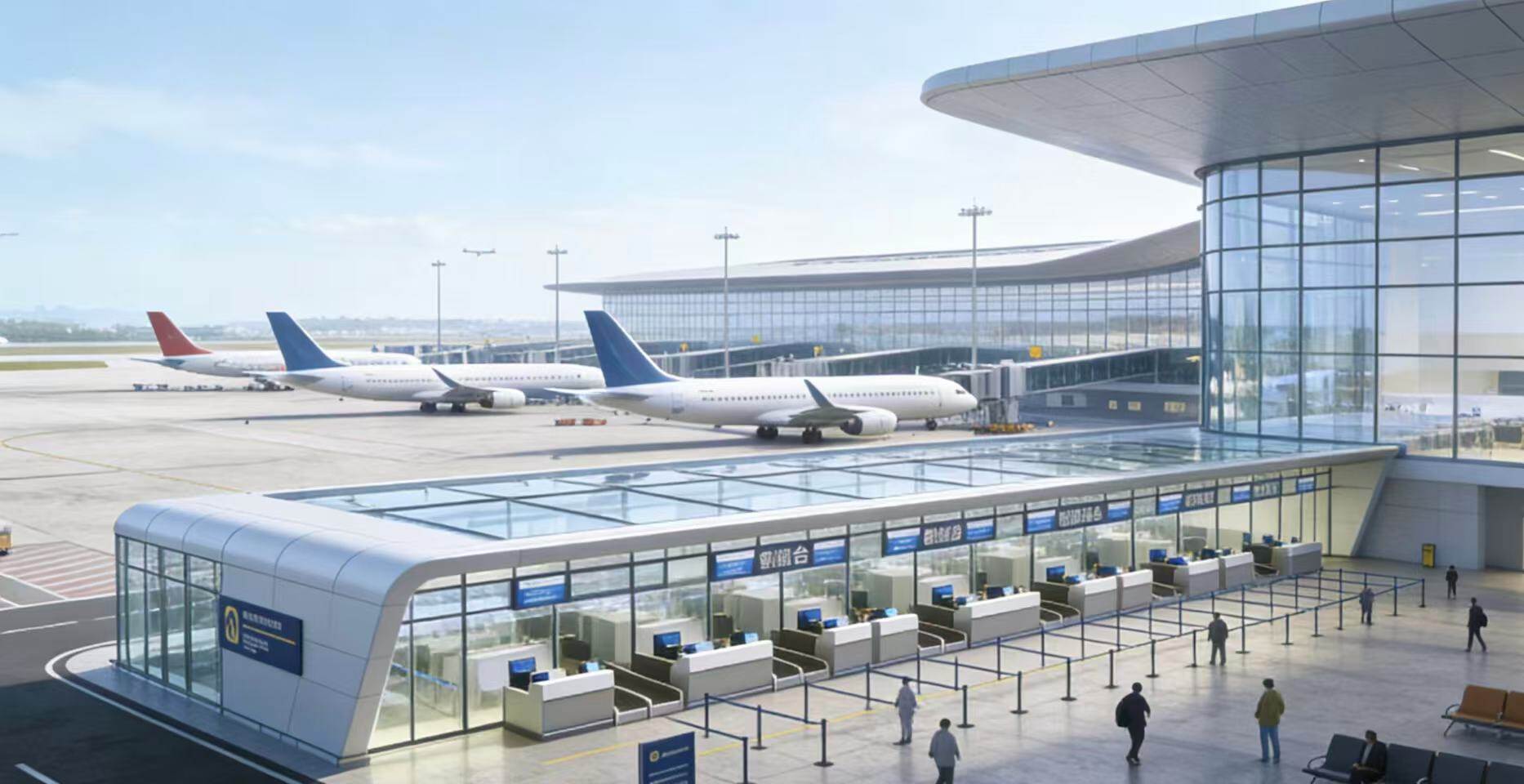
As a benchmark in the African aviation industry, Ethiopian Airlines has already surpassed the carrying capacity of existing infrastructure in terms of takeoff speed. The current core hub - Addis Ababa Bole International Airport, with an annual designed capacity of only 25 million passengers, is now approaching saturation. The crowded terminal and tight runway resources are becoming bottlenecks that restrict route expansion and capacity improvement. Prime Minister Abiy's words at the groundbreaking ceremony were resounding: "The wings of Ethiopian Airlines need a wider sky
Bischovtu International Airport is a "new nest" tailor-made for this pair of wings. This airport, located in Bischovtu Town, 45 kilometers southeast of the capital, declares the iterative upgrade of Africa's aviation hub with a set of impressive planning indicators:

The massive investment of 12.5 billion US dollars is not something that Ethiopia alone can afford. Ethiopian Airlines Group (EAG) has already planned a clear financial path: 30% of the funds come from the company's own assets, and 70% rely on international financing to leverage. This confidence stems from the outstanding business performance of Ethiopian Airlines - even in the context of global economic fluctuations, it still achieved a revenue of 7.6 billion US dollars in fiscal year 2025, providing solid support for self financing of the project. On the international financing side, the African Development Bank took the lead in extending an olive branch, promising to provide a $500 million loan and taking the initiative to act as a "financing coordinator" to facilitate global capital inflows. At present, multiple financial institutions in China, Europe, the Middle East, and the United States have expressed strong investment intentions, and the first batch of 610 million US dollars in earthwork construction funds has been disbursed early, injecting the "first bucket of gold" into the project's commencement.
The ambition of Bischovtu International Airport is far more than just the construction of an airport, but the rise of an 'aviation city'. The project was designed by Zaha Hadid Architects in collaboration with Dar Al Handasah, incorporating Ethiopian cultural symbols into a streamlined architectural language. The terminal building is not only a hub for passenger gathering, but also integrates multiple formats such as five-star hotels, high-end shopping centers, and business offices, creating a "one-stop" aviation economic ecosystem. The plan of "land air integration" is the finishing touch: a high-speed railway with a total length of 38 kilometers and a designed speed of 200 kilometers per hour will closely connect the airport with the capital Addis Ababa, and with the newly built expressway network, passengers will only need half an hour's drive from the city to the airport in the future, truly achieving seamless connection between "city and airport".
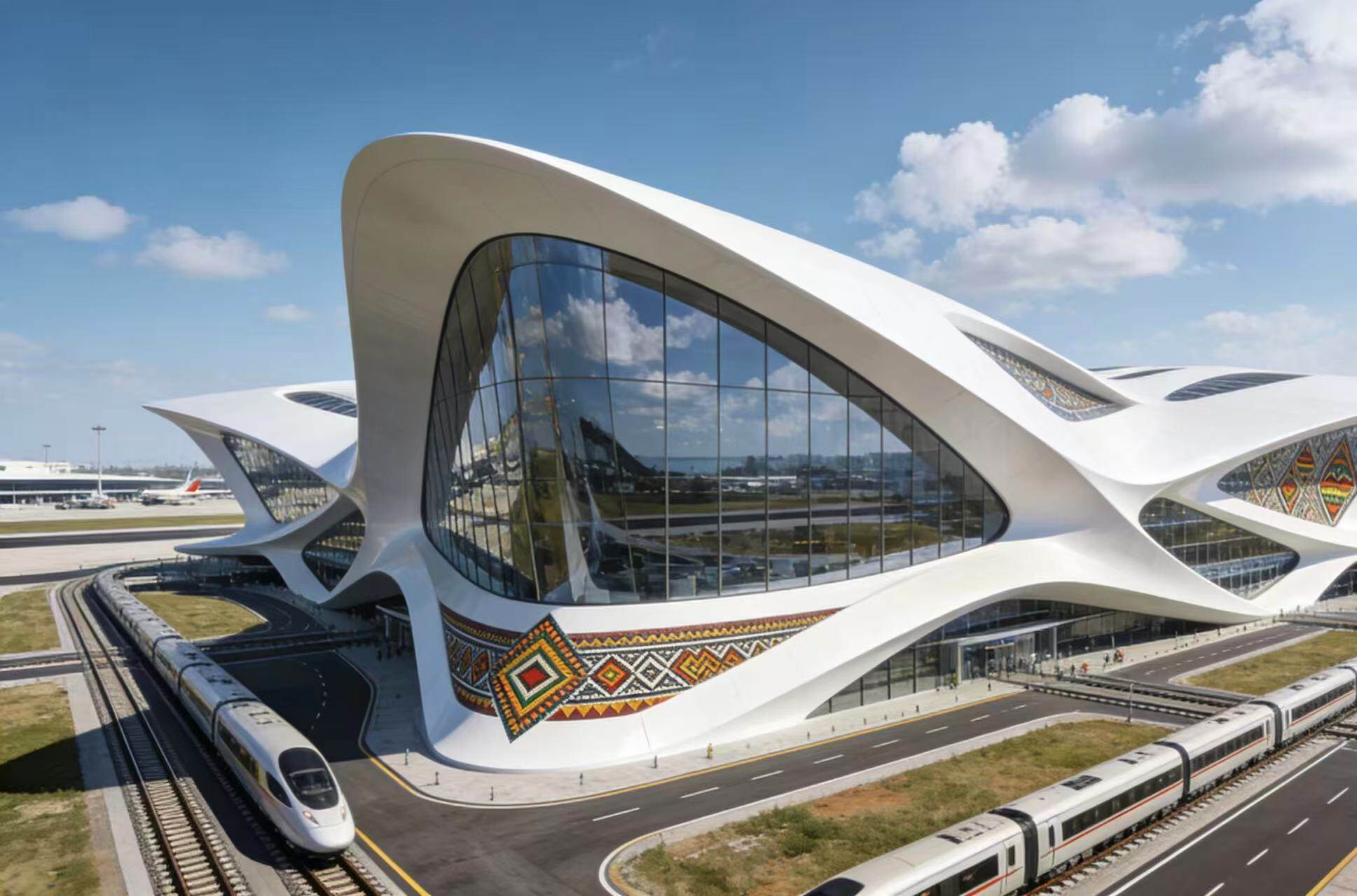
The construction of this super airport is a concrete expression of Ethiopia's national strategy. With the accelerated implementation of the African Continental Free Trade Area (AfCFTA), efficient personnel and logistics flow is the key to activating regional economic and trade vitality. The completion of Bischovtu International Airport will firmly give Ethiopia control over the transit discourse of African aviation, where goods and passengers from around the world are gathered and transported. It will not only drive the prosperity of the aviation industry, but also radiate the rise of surrounding manufacturing, tourism, and logistics industries, injecting strong impetus into the country's industrial transformation. Editor/Bian Wenjun
Comment





 Praise
 Collect
 Comment

 Share
Share


Write something~