 Search


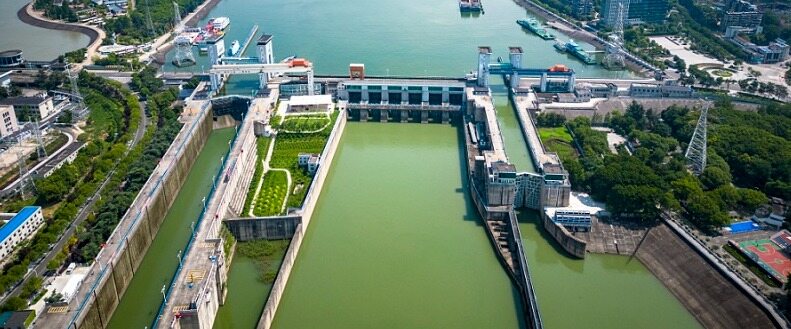
- Enable a solid bridge for regional sustainable development, and write a new chapter in the "the Belt and Road" energy cooperation
- After the completion of the project, it will not only meet the domestic electricity demand in Laos, but also be transmitted through cross-border transmission lines
Heavy news from Beijing - China Power Construction Group announced that its subsidiary Power Construction International and China Power Construction (Laos) Co., Ltd. have officially signed the EPC general contract for the 770MW hydropower station project in Balai, Laos, in conjunction with Laos Power Company Limited. The total contract amount is as high as 8.716 billion yuan. The landing of this cross-border energy cooperation is not only a milestone event for China Power Construction to deepen its cultivation of the Southeast Asian market, but also injects strong impetus into Laos' national strategy of "Indochina Battery".
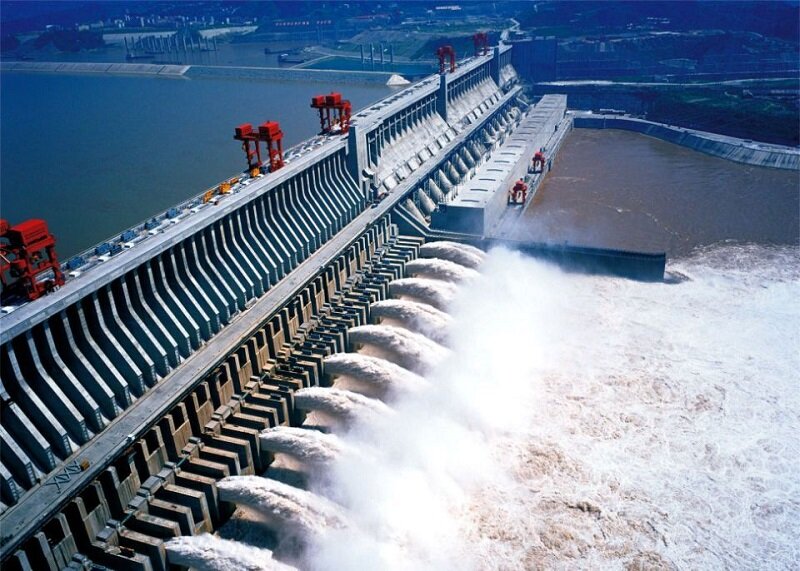
As a key energy node on the main stream of the Mekong River, the Balai Hydropower Station is located in the Balai district of Sayaburi Province, Laos. It is situated 241 kilometers upstream of the existing Sayaburi Hydropower Station and 241 kilometers upstream of the capital city of Vientiane, making its geographical location of great strategic significance. The project will construct a modern hydropower station with a total installed capacity of 770 megawatts, equipped with 14 55 megawatt bulb tubular units, and synchronously promote the entire process of design, equipment procurement and installation, trial operation and commissioning. It will also be accompanied by the construction of a booster station and a 500kV transmission and transformation line to build a complete energy transmission system. According to the plan, the total construction period of the project is 84 months, and it is expected to be fully put into operation by 2033.
The achievement of this cooperation is the result of ten years of hard work between China and Laos. Since the start of the project tracking, the China Electric Power Construction team has conducted dozens of in-depth rainforest surveys in the Mekong River Basin, established hydro meteorological observation stations and hydraulic models, collected and analyzed tens of thousands of sets of basic data, and went through multiple challenges such as dam site optimization and water level adjustment. The final design scheme has passed the strict review of the Mekong River Commission for 16 months and has been highly recognized as the "best design scheme" for projects reviewed during the same period. The project adopts bulb through flow unit technology, which combines efficient power generation and ecological friendliness, and can achieve continuous operation throughout the year. The total designed discharge capacity is 6101 cubic meters per second, ensuring energy output while minimizing the impact on the watershed ecology.
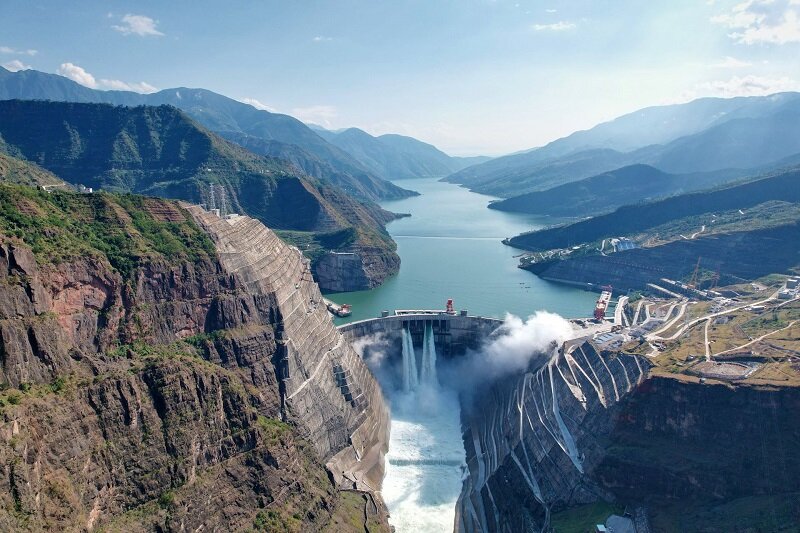
From the perspective of regional development pattern, the construction of the Balai Hydropower Station is timely. As a country rich in hydropower resources in Southeast Asia, Laos is making every effort to promote its national strategy of "having a hydropower installed capacity of 20GW by 2030". Relying on the natural advantages of the 1846.8 kilometer Mekong River flow, Laos is delivering clean energy to neighboring countries such as Thailand and Vietnam, and electricity exports have become its core source of foreign exchange income. The full industry chain services brought by China Power Construction will be implemented through an investment of 8.7 billion yuan, helping Laos accelerate its progress towards the goal of "Indochina Peninsula Battery". It is expected that the annual power generation after the project is put into operation will significantly increase Laos' electricity export scale, injecting lasting momentum into its economic development.
In the context of the global energy transformation and the "the Belt and Road" green cooperation, the project bears more far-reaching significance. As an important layout of the Southeast Asian hydropower market, the current market size in the region has reached 96 billion US dollars and is expected to increase to 367.97 billion US dollars by 2032. The Balai hydropower station will provide important support for the Southeast Asian power grid and alleviate the regional energy supply-demand gap with stable power output. China Power Construction Corporation will continue its cross-border construction experience accumulated in projects such as the San Gabriel III hydropower station in Peru, using environmentally friendly construction techniques to reduce ecological impacts, and ensuring project quality and progress through a "24/7 response" cross-border technical cooperation mechanism.
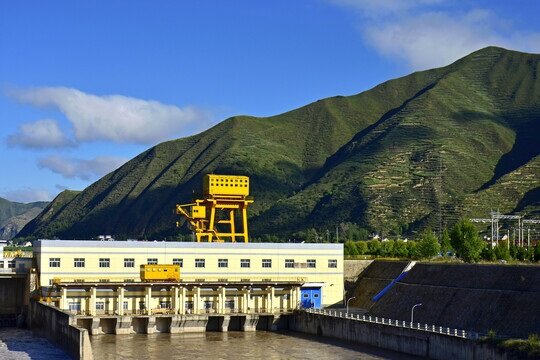
After completion, the project will not only meet the domestic electricity demand of Laos, but also provide clean electricity to neighboring countries such as Thailand and Vietnam through cross-border transmission lines, helping Southeast Asia achieve the regional goal of 30% renewable energy. At the same time, during the construction and operation of the project, a large number of local job opportunities will be created, driving the development of related industries such as building materials supply and technical training, and promoting deeper expansion of China Laos production capacity cooperation. This "green energy artery" flowing on the Mekong River will eventually become a solid bridge connecting China Laos friendship and enabling regional sustainable development, and write a new chapter in the "the Belt and Road" energy cooperation.Editor/Bian Wenjun
Comment


 Praise
 Collect
 Comment

 Share
Share


Write something~