 Search


- Brazil's unique renewable energy and strategic tax incentives have become the next digital foundation for capital competition
- With green energy and new tax policies, Brazil is attracting Goldman Sachs, ByteDance and other international giants to bet more than 100 billion on data center investment and compete for the position of computing hub in Latin America
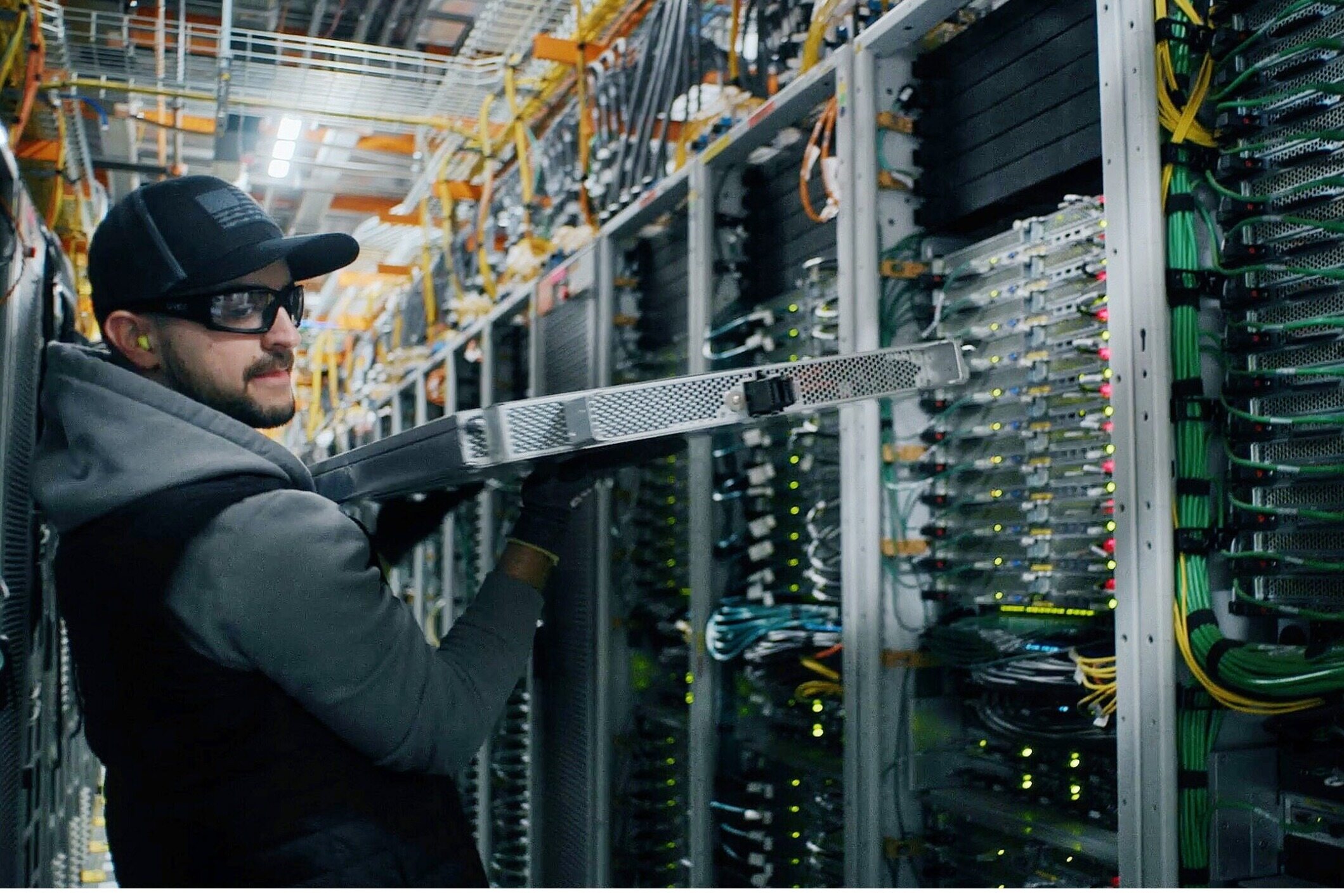
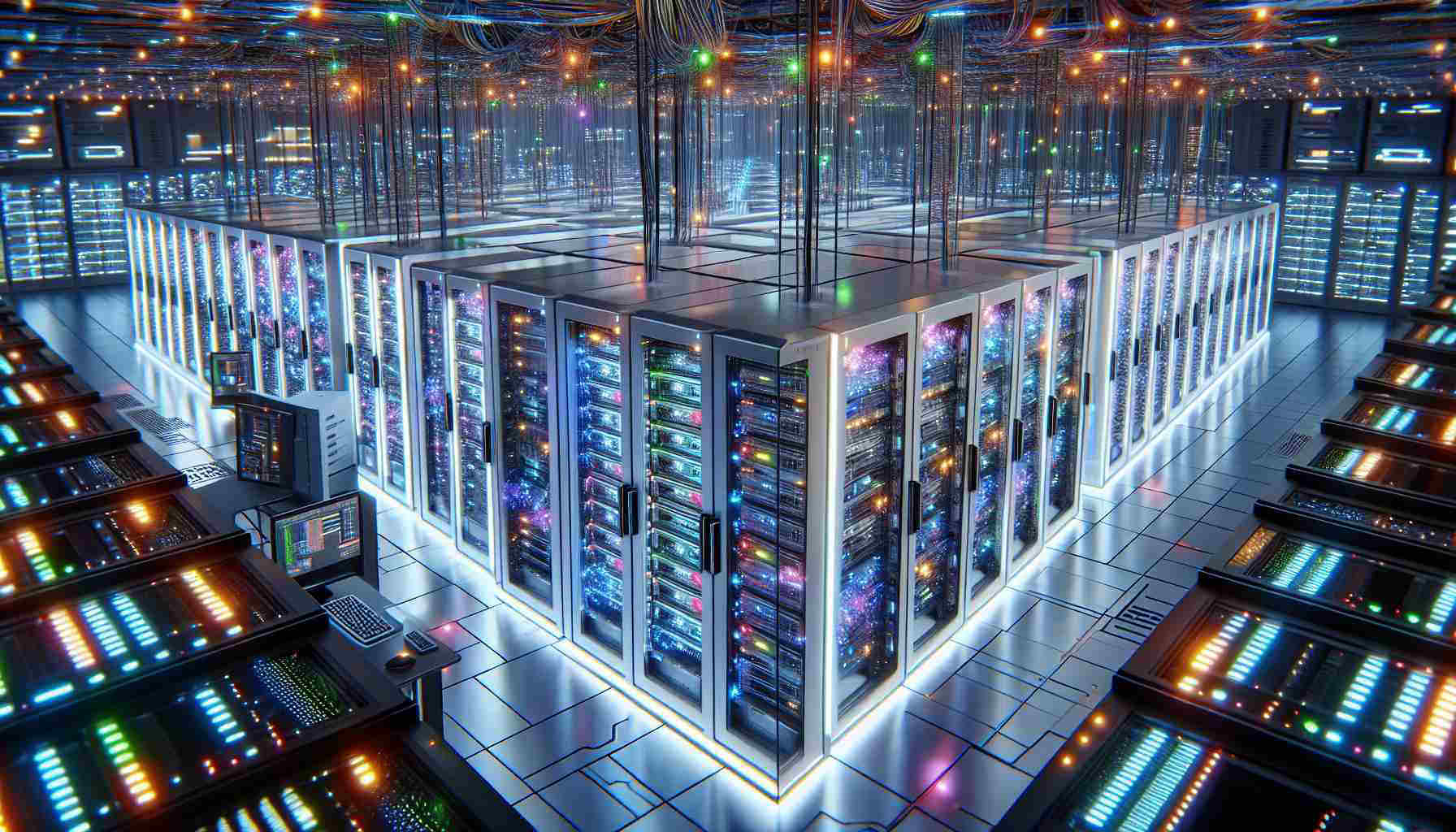
On the vast land of Cear á state in northeastern Brazil, a 200 megawatt data center has been erected, with enough electricity consumption to meet the daily needs of a city of 2 million people, and this is just the tip of the iceberg for global capital to lay out AI infrastructure in Brazil.
In September 2025, the Brazilian federal government launched a temporary decree called the "Data Center Services Special Tax Plan" ReData, which provides incentives such as tax exemptions for imported equipment entering data centers in Brazil. According to estimates from the Brazilian Ministry of Finance, this policy may attract up to 2 trillion Brazilian reals, or approximately 374.8 billion US dollars in private investment, in the next decade. From TikTok investing $38 billion to build the largest data center in Latin America, to international giants such as Goldman Sachs and Pan Atlantic Investments betting on it, a global competition around data infrastructure has fully unfolded in Brazil.
Tax incentives and strategic ambitions
The "Special Tax Plan for Data Center Services" recently launched by the Brazilian government constitutes the core policy engine for attracting global investment. This plan provides import tax exemption benefits for information and communication technology equipment required for data center construction and maintenance, and purchases of domestic equipment are also exempt from multiple federal taxes and fees. Enterprises that receive these tax incentives need to fulfill supporting obligations, including investing 2% of the procurement amount in research and development innovation, and providing at least 10% of data processing, storage, and management capabilities to the domestic market in Brazil.
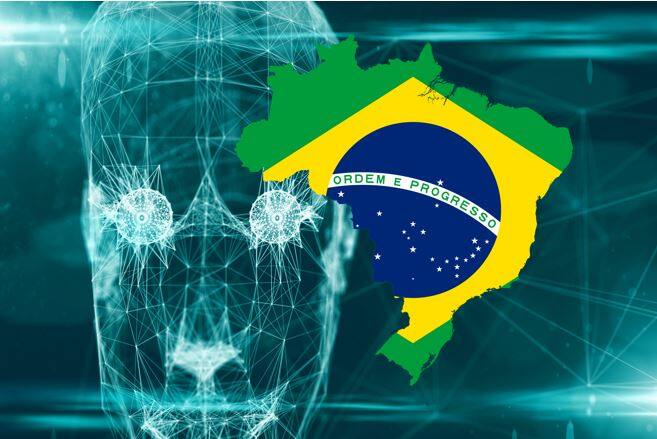
This policy does not exist in isolation, but is a key component of Brazil's national digital strategy. Brazilian Minister of Digital Transformation Juliana Saldanha has clearly stated that the government's goal is to make Brazil the center of digital infrastructure in Latin America, and to strengthen the development of cloud computing and artificial intelligence industries through this. Policy makers see the importance of data centers as the "digital foundation" of modern economy, especially with the explosive growth of artificial intelligence applications and the surge in data processing demand. Brazil hopes to seize this historic opportunity.
The timeliness of temporary measures has also given rise to a sense of urgency in the industry. The industry is closely monitoring the progress of the interim measures implemented by the Lula government until February 25th. According to the proposal reporter, Congressman Aguinaldo Ribeiro, the government and industry are negotiating to synchronize the policy with the AI regulatory framework after the parliament adjourns, in order to ensure that tax incentives continue until the end of 2026. This policy certainty is crucial for data center projects that require long-term large-scale investment.
The convergence of international giants and local forces
Driven by both policy incentives and the global AI wave, data center investment in Brazil has shown an explosive growth trend. The Brazilian Association of Data Centers (ABDC) estimates that the construction of a new data center cluster will increase the country's existing 800 MW capacity to 2800 MW, which is estimated to require an investment of approximately $20 billion in the market.
Large tech companies are at the forefront of this investment boom. The largest data center in Latin America built by ByteDance (TikTok parent company) in Fortaleza Metropolitan Area, Seala, is particularly eye-catching, with an installed capacity of 200 MW, equivalent to the power consumption of 2.1 million population cities. This project will attract Chinese companies to invest 200 billion reais, while Patria Investimentos will also invest an additional 12 billion reais. According to Rodrigo Abreu, Partner at Patria Investimentos and President of Omnia, the data center will generate an annual export service revenue of 16 billion Brazilian reals.
The cooperation model between international capital and local institutions is becoming increasingly mature. Global investment giants such as Digital Bridge, which manages $96 billion in assets, and Actis, an infrastructure investment firm under Pan Atlantic Investment, which manages $108 billion, have formed close cooperation networks with Brazilian domestic institutions such as BTG Pactual and Patria Investimentos. For example, RT One, a multinational technology company from the United States, has completed a round of financing of 1.5 billion Brazilian reals in Brazil, planning to build three large-scale data centers dedicated to artificial intelligence data processing; Venture capital firm Supernova Participa çõ es has partnered with real estate developer Mapa Investimentos to invest approximately 300 million Brazilian reals in the development of a large-scale data center park in Minas Gerais state.
Alessandro Lombardi, President of Elea Data Centers, commented on this: "Brazil is showing its potential as a data center hub. It is the country with the greatest potential for renewable energy development in the world, with well-developed infrastructure and good diplomatic relations with the United States, China, and Europe." This combination of geopolitical advantages and natural conditions makes Brazil uniquely competitive in attracting data center investment.
The tug of war between development needs and environmental protection
Behind the wave of data center construction, the increasingly prominent environmental and social controversies have become undeniable challenges. The Brazilian Consumer Protection Association, indigenous organizations, and multiple civil society organizations have issued serious warnings regarding the licensing process of some data centers, with particular focus on questioning TikTok data centers. Critics point out that these projects are classified as having low environmental impact, thereby exempting them from complete environmental impact studies and failing to adequately consult with affected indigenous communities, which may violate the Brazilian Constitution and international conventions.
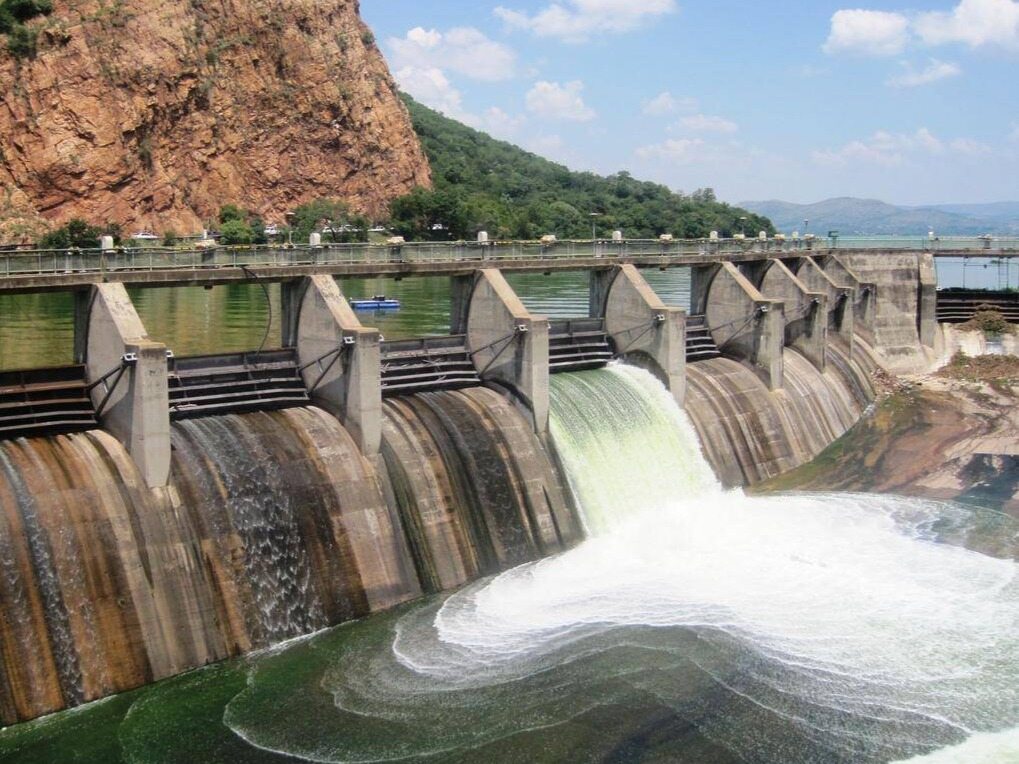
The enormous consumption of energy and water resources is the core environmental issue faced by data centers. A 200 megawatt data center consumes the same amount of electricity as the daily energy consumption of over 2 million people, and if these energy demands are not properly planned, they may exacerbate regional energy shortages. More noteworthy is the water consumption of the cooling system. Marcio Ajiar, Business Director of NVIDIA Latin America Data Center, likened it to high-performance chips that generate enough heat to cook eggs, requiring a powerful cooling system. This consumes a huge amount of electricity and requires drinking water to prevent pollution, making it difficult to use a circulating water source. In Brazil, where the climate is hot, large data centers can consume millions of liters of water per day, putting heavy pressure on local water supply.
The improvement of regulatory framework has become the key to balanced development. Critics argue that ReData policies lack clear social and climate protection measures, have vague definitions of terms such as "clean energy" or "water efficiency," and fail to adequately prevent potential exacerbation of water resource pressures, rising local energy costs, and territorial conflicts. In a statement, Brazilian civil society organizations warned that "without a sound social environment, the state may use public resources to fund a digital model that exacerbates regional inequality and undermines the sovereignty it claims to defend
At a construction site in Cear á state, engineers are debugging advanced liquid cooling systems to address the heat dissipation challenges of up to 200 megawatts in data centers in Brazil's hot climate. Not far away, residents of the Anasai indigenous community held a rally demanding an independent assessment of the long-term environmental impact of the data center. This game not only concerns the layout of technological infrastructure, but also touches upon the fundamental proposition of development and justice in digital transformation. Keywords: data center AI
With the exponential growth of AI computing demand, Brazil's planned capacity of 2800 MW data centers may just be the starting point. These 'supercomputer hotels' are not only absorbing green electricity, but also testing the wisdom of an emerging market country in balancing technological ambitions with environmental protection, global opportunities with local concerns. The data center competition in Brazil is essentially a rehearsal for the future form of digital society.Editor/Cheng Liting
Comment

 Praise
 Collect
 Comment

 Share
Share


Write something~