 Search


- The shipment volume of trains on the Western Land Sea New Corridor reached 1.425 million TEUs, a year-on-year increase of 47.6%
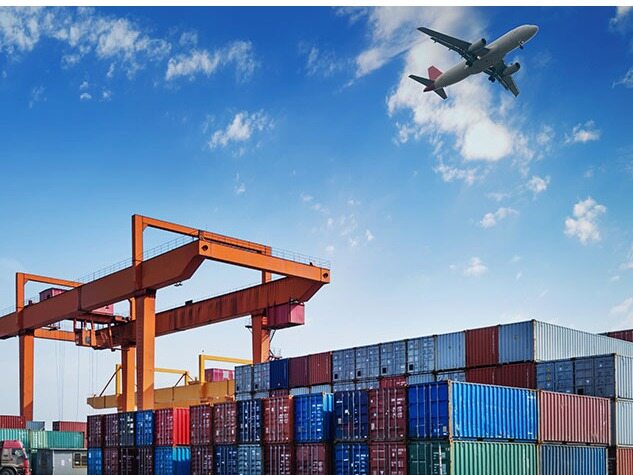
With the rapid densification of the channel network, 21 new train routes were added within a year and successfully connected to China Europe and Central Asia trains. This not only effectively supports the two-way prosperity of "domestic goods going abroad" and "foreign goods entering China", but also highlights the key role of the Western Land Sea New Corridor as an international strategic channel.
In the whole year of 2025, the Western Land Sea New Channel trains delivered an impressive performance: a total of 1.425 million TEUs of container goods were shipped, a year-on-year increase of 47.6%. This is the first time that the annual shipping volume of the channel has exceeded one million TEUs, setting a new historical record.
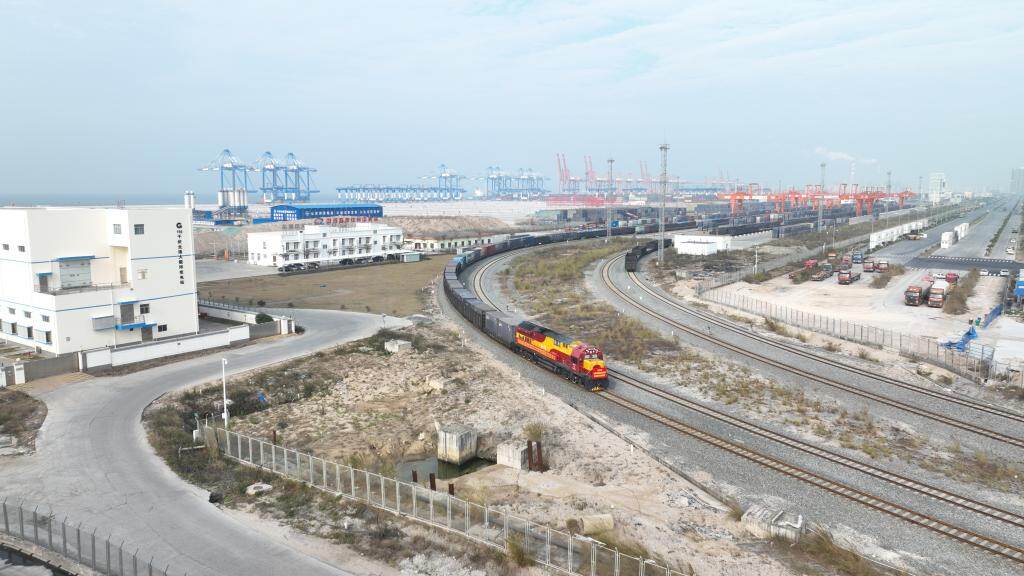
Balanced growth of east-west freight volume
Data shows that by 2025, the Western Land Sea New Corridor will exhibit distinct characteristics of "two-way prosperity". Goods shipped from western regions such as Sichuan, Chongqing, and Yunnan to ports such as Beibu Gulf Port and Zhanjiang Port reached 701000 TEUs, a year-on-year increase of 40.4%; Meanwhile, goods shipped from ports to the western region reached 724000 TEUs, with a growth rate of 55.3%. The almost steady and rapidly growing trend of "one in, one out" indicates that the channel is not only a convenient shortcut for China's western hinterland to go abroad, but also an important corridor for ASEAN and global goods to enter the Chinese market. Nowadays, characteristic routes such as the "Hainan Qinzhou Xi'an" grain and oil freight train and the "UAE Qinzhou Lanzhou" automobile freight train have been operating normally, and an efficient international logistics network is accelerating its weaving.
Double the number of scheduled train routes in one year
In order to meet the rapidly growing transportation demand, the train network of the Western Land Sea New Corridor has been rapidly encrypted in the past year. As of now, the total number of scheduled train routes for the channel has reached 44, a significant increase of 21 compared to the end of 2024. This increasingly dense railway network, like capillaries, penetrates deep into the western inland, connecting major hubs and ports, ensuring the stability and timeliness of train operations, and providing a solid transportation guarantee for the stability of the industrial and supply chains.
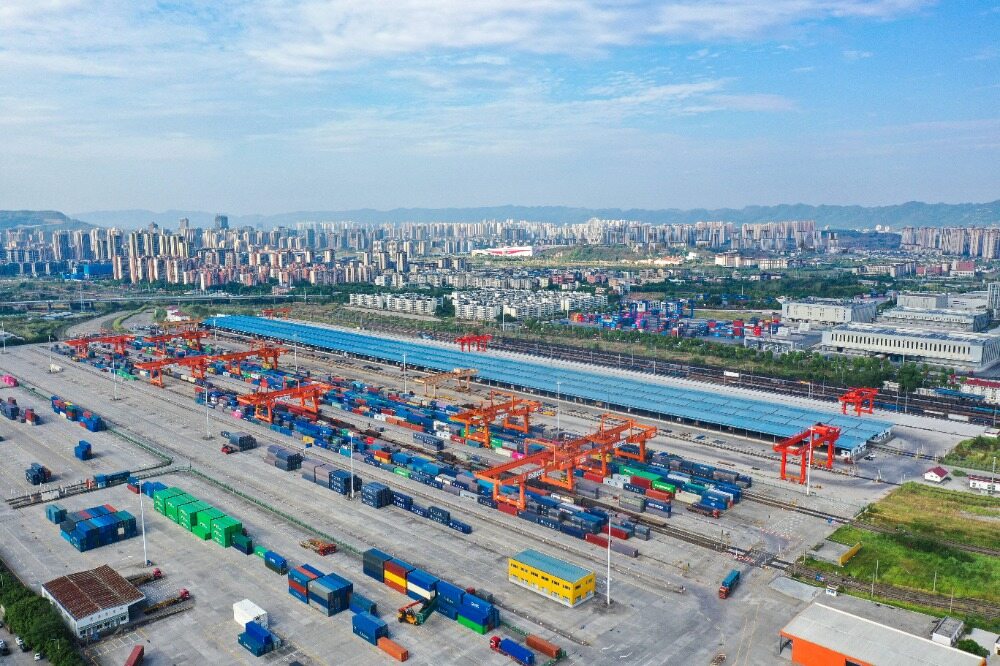
Key projects accelerate the improvement of future transportation capacity
Currently, the Huangbai Railway (from Huangtong to Baise), a landmark project of the Western Land Sea New Corridor, is being intensively constructed. It will serve as another major railway freight artery connecting the Sichuan Guizhou region to the Beibu Gulf. At the same time, the railway export channels in Guangxi are also expanding and improving: the construction of a second line on the Qinzhou Fangchenggang section of the Nanfang Railway and the construction of a second line on the Qinzhou East Qinzhou Port Railway are both accelerating.
The construction of these key infrastructure projects indicates that the freight capacity and operational efficiency of the new land and sea channel in the west will be further improved in the future, laying a solid foundation for the continued expansion of economic and trade exchanges between China and the countries jointly building the the Belt and Road, and for building a more smooth, efficient and reliable new international land and sea trade channel.Editor/Yang Meiling
Comment

 Praise
 Collect
 Comment

 Share
Share


Write something~