 Search


- The resumption of bidding for the Dubai Creek Tower is not only a revival of a super high-rise building, but also marks a profound
- When the world's tallest tower returns to the construction site from the blueprint, it carries not only a height competition
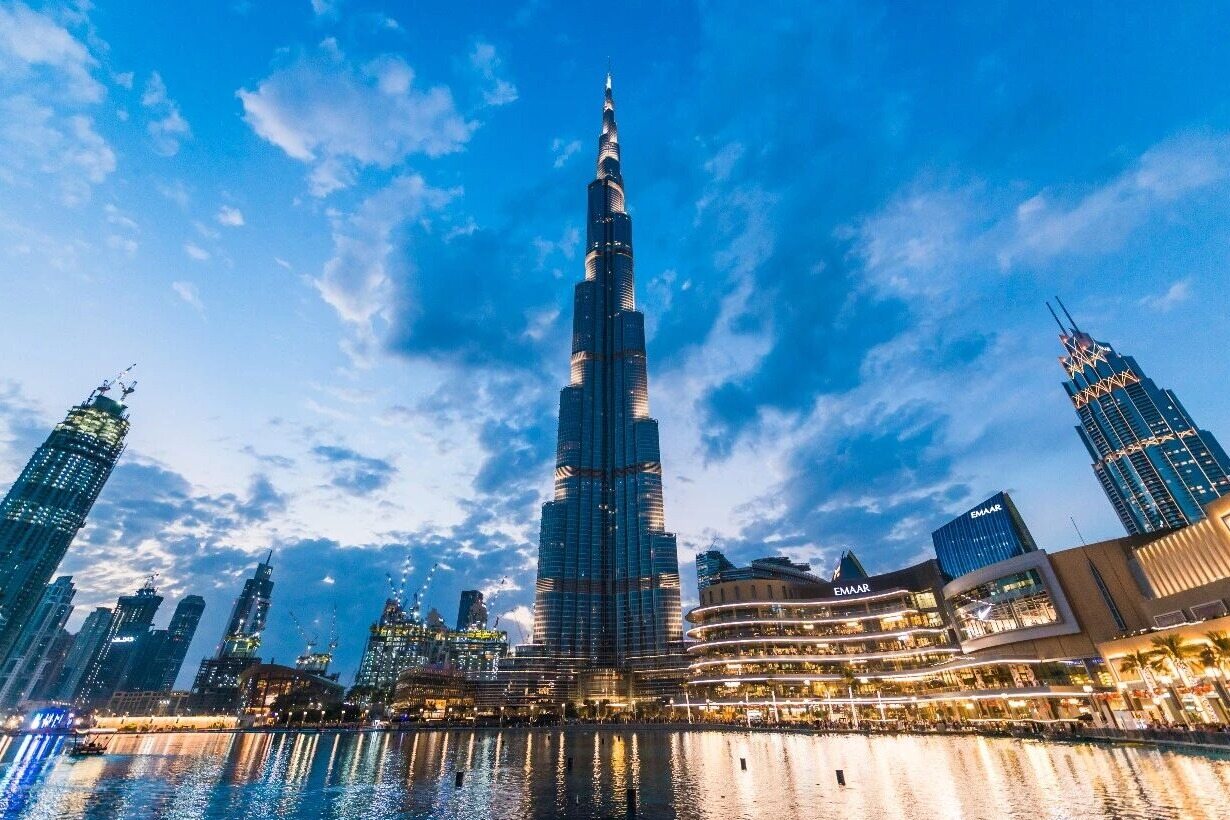
Dubai's sky will be rewritten again. "In January 2026, at the" Dubai International Project Management Forum 2026 "hosted by the Dubai Roads and Transport Authority, Mohamed Alabar, founder of Imar Properties, announced to the world that the construction bidding for the Dubai Creek Tower will begin within the next three months. This project, which was once highly anticipated as the "future world's tallest tower," has officially pressed the restart button after years of silence, sending a strong signal to the global infrastructure market that the Middle East mega project is entering a new era.
From Stagnation to Restarting: The Evolutionary Path of a Tower
The story of Dubai Creek Tower began in 2016. At that time, the scheme designed by architect Santiago Calatrava made its debut, and its dynamic spine and petal shaped observation deck were once hailed as the "next world miracle". However, around 2020, the project gradually slowed down and came to a halt during the foundation construction phase.
Industry analysis points out that the suspension is due to multiple considerations: the impact of the epidemic on the supply chain and labor force, the impact of oil price fluctuations on economic confidence, and Imar Group itself hopes to break away from pure high-level competition and shift towards a new benchmark of pursuing sustainability, tourist experience, and technological integration. Alabar revealed on the forum that the tower design has undergone multiple rounds of revisions and has formed a new plan that he called "exquisite". At present, the team is focusing on reshaping visual identity and aesthetic expression, aiming to create a landmark urban symbol that is not only in height, but also in architectural art and experiential value.
This restart comes at a critical moment when Dubai's tourism industry has rebounded beyond expectations and the "Dubai 2040 Urban Master Plan" has entered an acceleration period. The He Gang Tower is no longer just a physical height competition, but is also seen as a "strategic engine" driving the value enhancement of the entire He Gang area.
Imar: The 'Landmark Maker' Creating Skylines
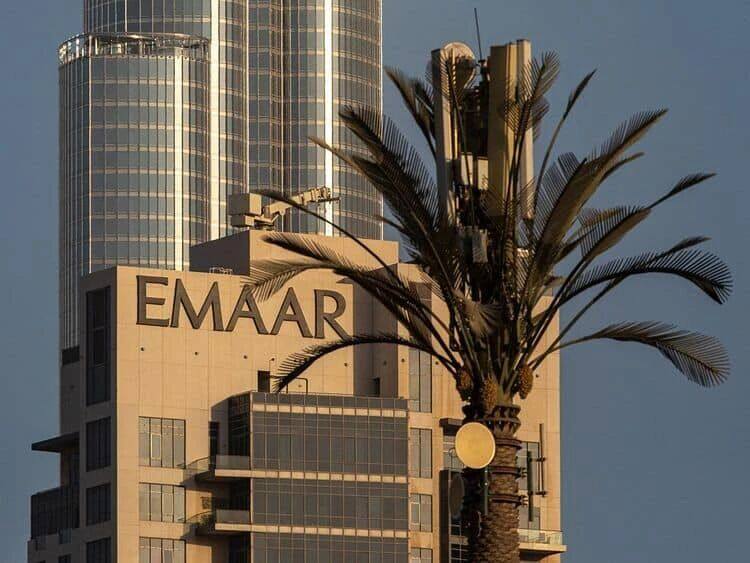
Imar Real Estate, this name is deeply tied to Dubai's skyline. Founded by Mohammad Alabar in 1997, the group is known for its "landmark driven development" model, with representative works including the world's tallest building, the Burj Khalifa, the world's most visited Dubai Mall, the cultural landmark Dubai Opera House, and the overall community of Dubai City Centre.
Imar excels at driving regional value and urban transformation through iconic buildings. As the core strategic project of its "post Burj Khalifa era", the River Harbor Tower carries the group's redefinition of future urban development - from building a single landmark to creating a comprehensive future community with long-term vitality, economic self drive, and cultural attraction.
Hegang District: a testing ground for future cities
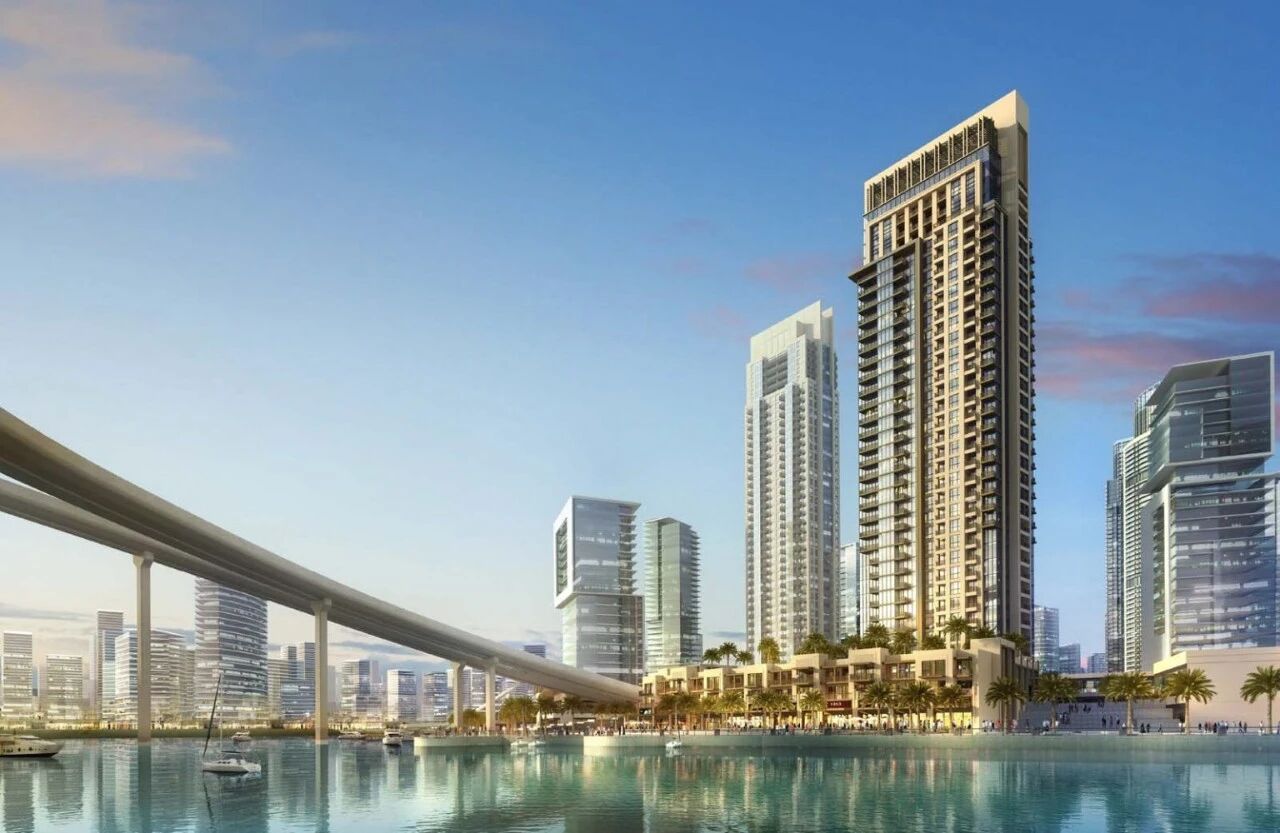
The River Harbour Tower does not exist in isolation, it is the core of the "Dubai River Harbour Area" covering an area of approximately 6 square kilometers. This area is positioned as a model of smart, sustainable, and livable future cities, expected to accommodate approximately 200000 people and integrate multiple functions such as residential, commercial, tourism, and cultural.
The river port area located on the banks of Dubai Bay aims to redefine urban life through world-class infrastructure, green spaces, and waterfront landscapes. As the visual and spiritual focal point of the region, the construction of the He Gang Tower will greatly enhance the international recognition and attractiveness of the entire area, and also echo Dubai's urban strategic transformation from pursuing "the highest" to "the most beautiful, intelligent, and experiential". Keywords: Middle East news and information, Middle East international news
The restart of Dubai Creek Tower is like a watershed: it marks the transition of the Middle East construction market from scale expansion to intensive cultivation. For Chinese enterprises, this means a transformation opportunity from "physical output" to "mental output", and from "executing orders" to "co creating value". Whether we can seize this round of value chain restructuring and establish technological barriers and brand awareness in segmented fields will affect the pattern of the Middle East market in the next decade. With the start of the bidding process, the story of this' Tower of the Future 'has just turned a new page. Editor/Yang Beihua
Comment

 Praise
 Collect
 Comment

 Share
Share


Write something~