 Search


- The first phase of Vietnam Longcheng International Airport project will be completed and put into operation in the first half of 2026
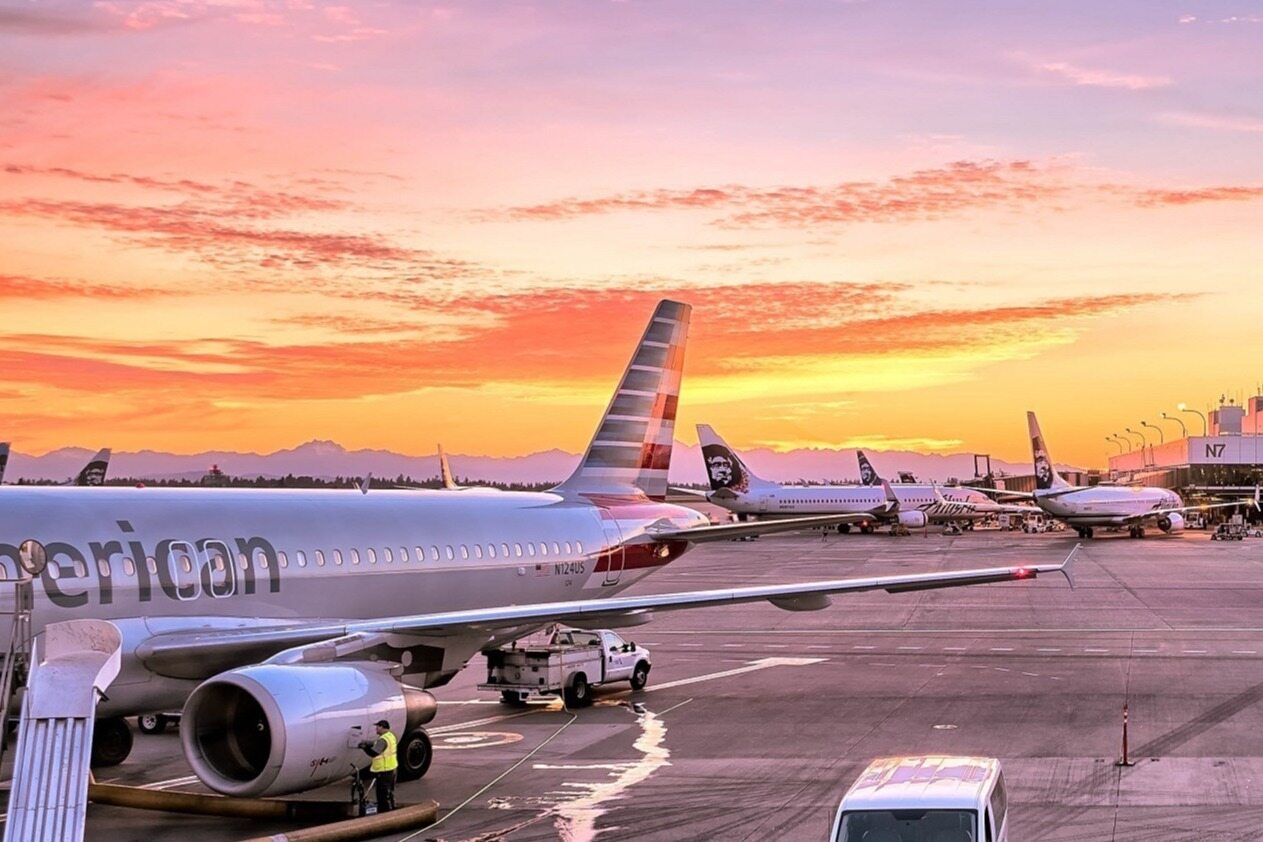
At the beginning of 2026, when the first ray of sunshine swept over the vast construction site in Vietnam's Thong Nai province, a huge project carrying the national vision was quietly approaching a critical juncture. Only 40 kilometers away from Ho Chi Minh City, a terminal building inspired by the national flower of Vietnam, the lotus, has begun to take shape, with metal and bamboo shining together in the morning light. This is the largest transportation infrastructure project in Vietnamese history - Long Thanh International Airport. It is not only a transportation hub, but also seen as the gateway to opening a new era for Vietnam Airlines.
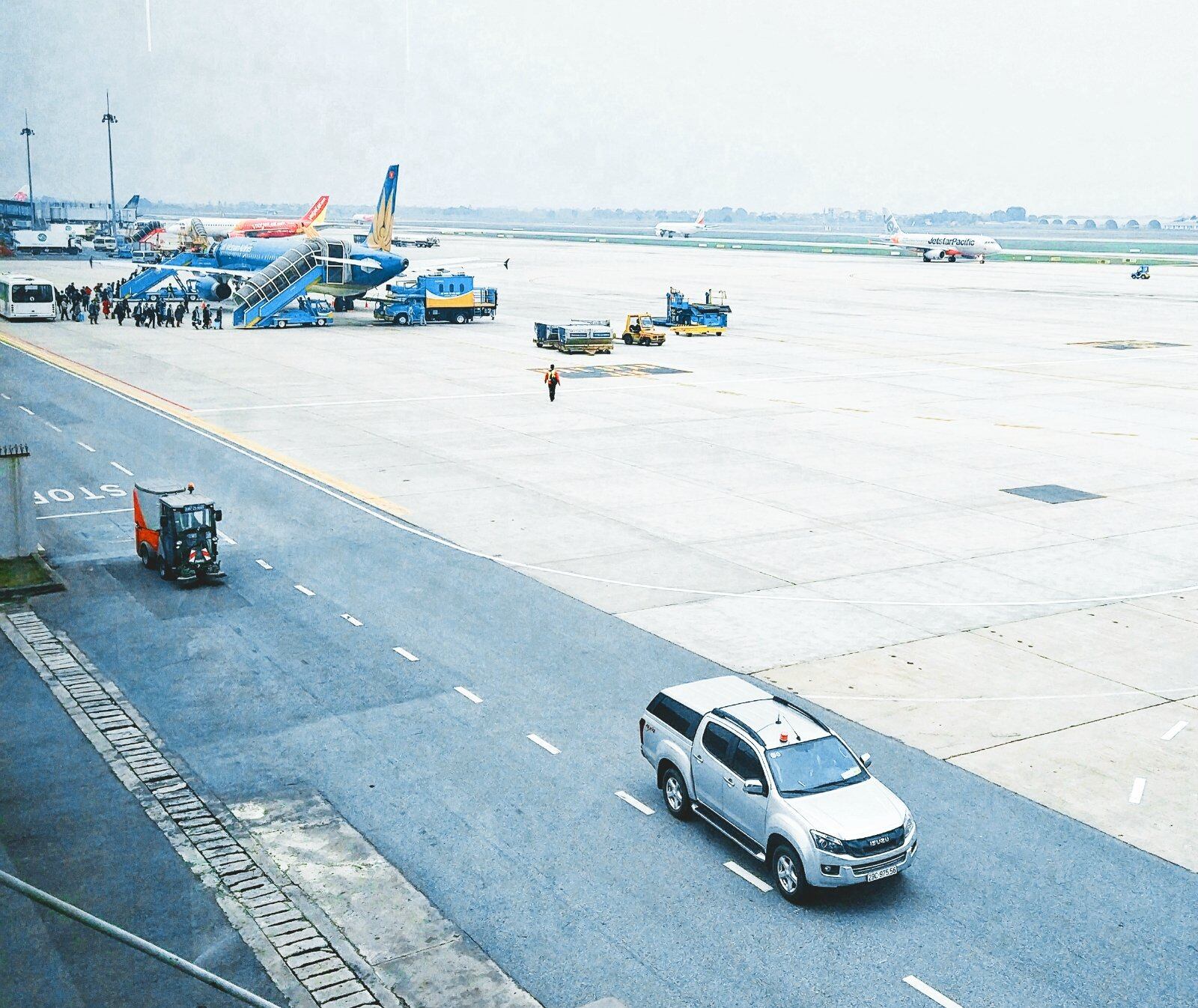
4F level hub blueprint
The overall planning of Longcheng International Airport covers an area of 5000 hectares and can be expanded to 21000 hectares in the long term, positioning it as the highest level 4F international aviation hub. After completion, the airport will have 4 runways and 4 terminals, with an annual passenger throughput capacity of 100 million and a cargo and mail throughput of 5 million tons. Only one phase of the project can achieve the goal of receiving 25 million passengers and processing 1.2 million tons of cargo and mail annually. The total investment of the project is about 336 trillion Vietnamese dong, of which the first phase investment is about 109 trillion Vietnamese dong. The funds come from a combination of multiple channels such as Vietnam's national finance, international aid, and social capital.
The fusion of tradition and modernity
The airport terminal was designed by Heerim Architects&Planners in South Korea, inspired by lotus petals. The roof lines are soft and smooth, deeply integrating traditional Vietnamese cultural symbols with modern aviation functions. The indoor space continues the natural theme, creating a peaceful and warm atmosphere through lotus ponds, palm groves, and lotus leaf patterns on the ceiling. What is particularly prominent is that the airport extensively uses glued bamboo, which is expected to become the world's largest bamboo structure terminal building, reflecting both local material traditions and conveying a distinct concept of sustainable development. In terms of spatial layout, the airport draws on the hub radiation model, with an open central hall and extended finger walkways, which is in line with the design ideas of modern airports such as Istanbul and Beijing Daxing. Keywords: Southeast Asian Engineering Information Network, Southeast Asian Engineering Construction
Construction Progress and International Cooperation
Longcheng International Airport will be constructed in three phases, with the first phase expected to be completed and put into operation in the first half of 2026. The overall project is expected to be fully completed by 2040. The project is led by Türkiye Industry and Trade Construction Group, and the Vietur contracting consortium composed of 10 enterprises is responsible for the construction. Vietnamese enterprises such as Vinaconex and Newtecons also actively participate. The construction of the airport will not only significantly enhance Vietnam's air transportation capacity and strengthen regional connectivity, but also showcase the new heights of Vietnam's infrastructure development to the world with designs that integrate cultural symbols and environmental innovation. (This article is from the official website of Jian Dao www.seetao.com. Reproduction without permission is prohibited, otherwise it will be prosecuted. Please indicate Jian Dao website+original link when reprinting.) Jian Dao website Southeast Asia column editor/Gao Xue
Comment


 Praise
 Collect
 Comment

 Share
Share


Write something~