 Search


- New hydropower station integrates power generation, flood control, and people's livelihood
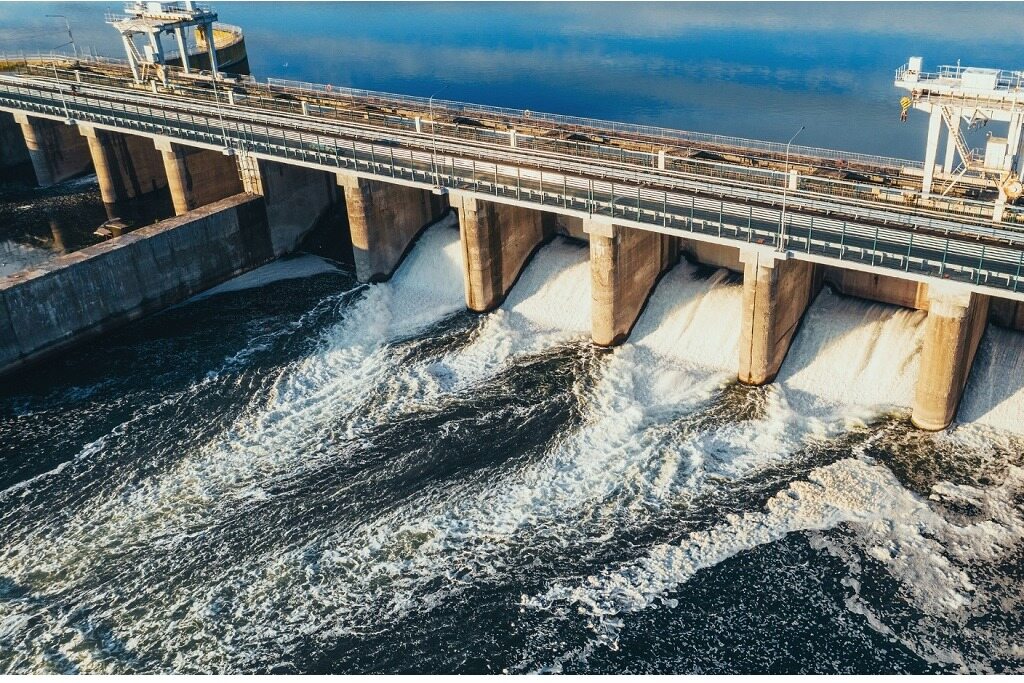
Between the mountains in the eastern section of the the Himalayas, India's energy ambitions are being visualized through a giant project. Prime Minister Modi recently approved a $2.8 billion Kamara hydroelectric project, a 1720MW energy fortress planned to rise in Arunachal Pradesh within 8 years. It aims not only to light up millions of households but also to create new coordinates for India's clean energy landscape.
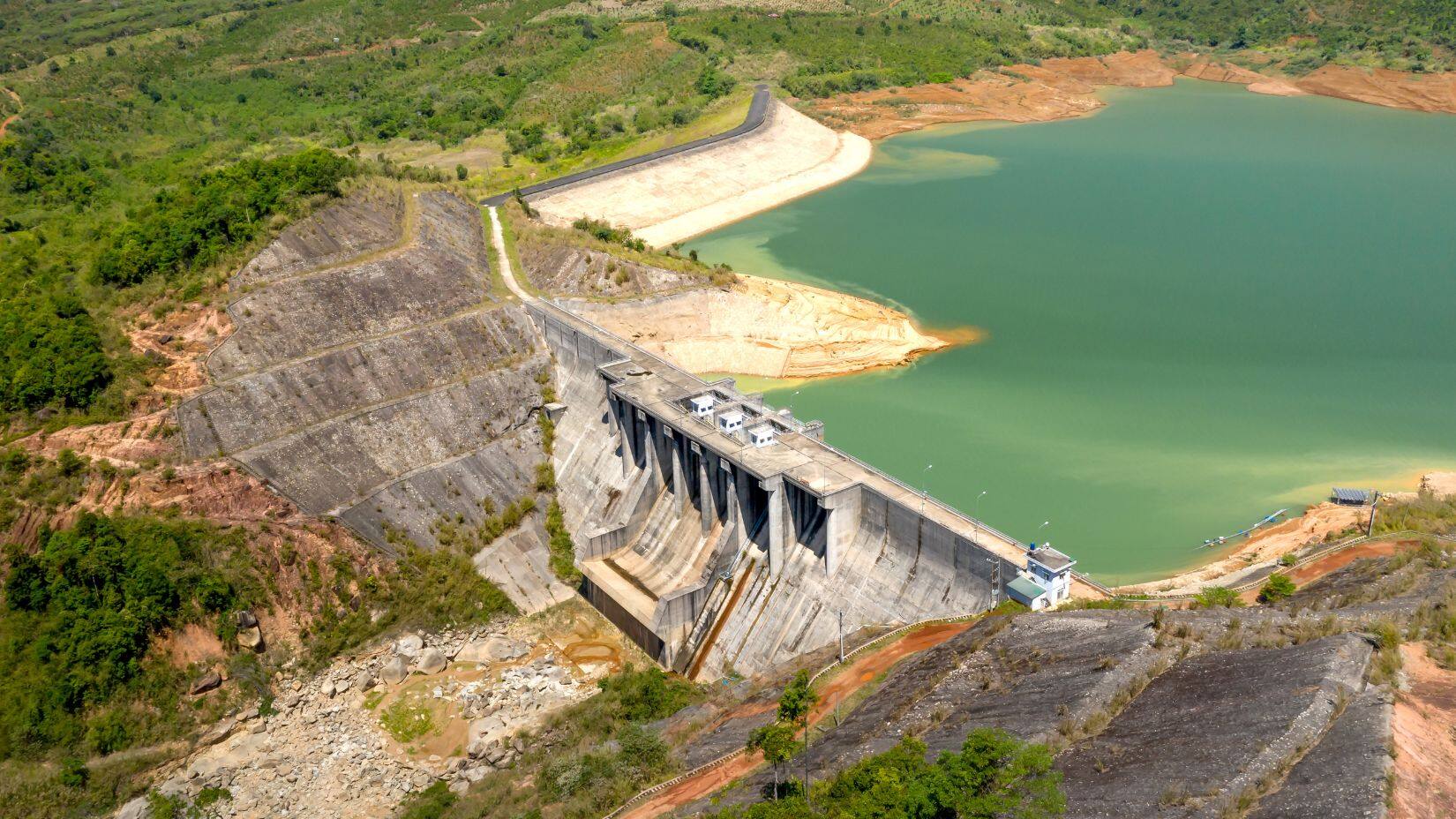
Building a New Energy Landmark in Eight Years
This is not an ordinary hydropower station, but a strategic level project jointly built by the Indian National Hydroelectric Corporation and the state government. The project spans across Kamlai, Kradadi, and Kurenkumi, with extremely sophisticated configurations: 8 210MW main units paired with 1 40MW peak shaving unit, forming a total installed capacity of 1720MW. According to the plan, in 96 months, this area will produce 6.87 billion kilowatt hours of clean electricity annually, enough to fill the regional power gap and become the power heart of the Brahmaputra River basin. The federal government has promised to provide special funds not only for the main construction, but also for the improvement of flood control, road and power transmission systems to clear obstacles for the project.
Power generation, flood control, and people's livelihood dance together
The value of the Kamara project far exceeds that of electricity itself. It is a comprehensive ecosystem that integrates power generation, flood control, and people's livelihood. The reinforcement of flood control facilities will build a safety barrier for downstream coastal residents; On the livelihood level, Arunachal Pradesh will directly receive 12% of free electricity, and an additional 1% of the revenue will be injected into the local development fund. What is even more exciting is that about 196 kilometers of roads and bridges will be extended synchronously with the power station, completely improving the local blocked traffic situation, allowing mountain specialties to emerge from the deep mountains, and allowing modern civilization to flow into the countryside.
Hydropower clusters reshape regional patterns
Isolated projects are difficult to succeed, and Kamala is just a key player on the chessboard. As part of NHPC's grand layout in Arunachal Pradesh, it echoes downstream projects such as Subansiri, Debang, and Etalin, and will form a large-scale hydropower cluster in the future. This is not only the ultimate exploration of India's abundant hydropower resources, but also a key support for the country to achieve energy independence and low-carbon transformation. Keywords: Southeast Asian news, hydropower stations
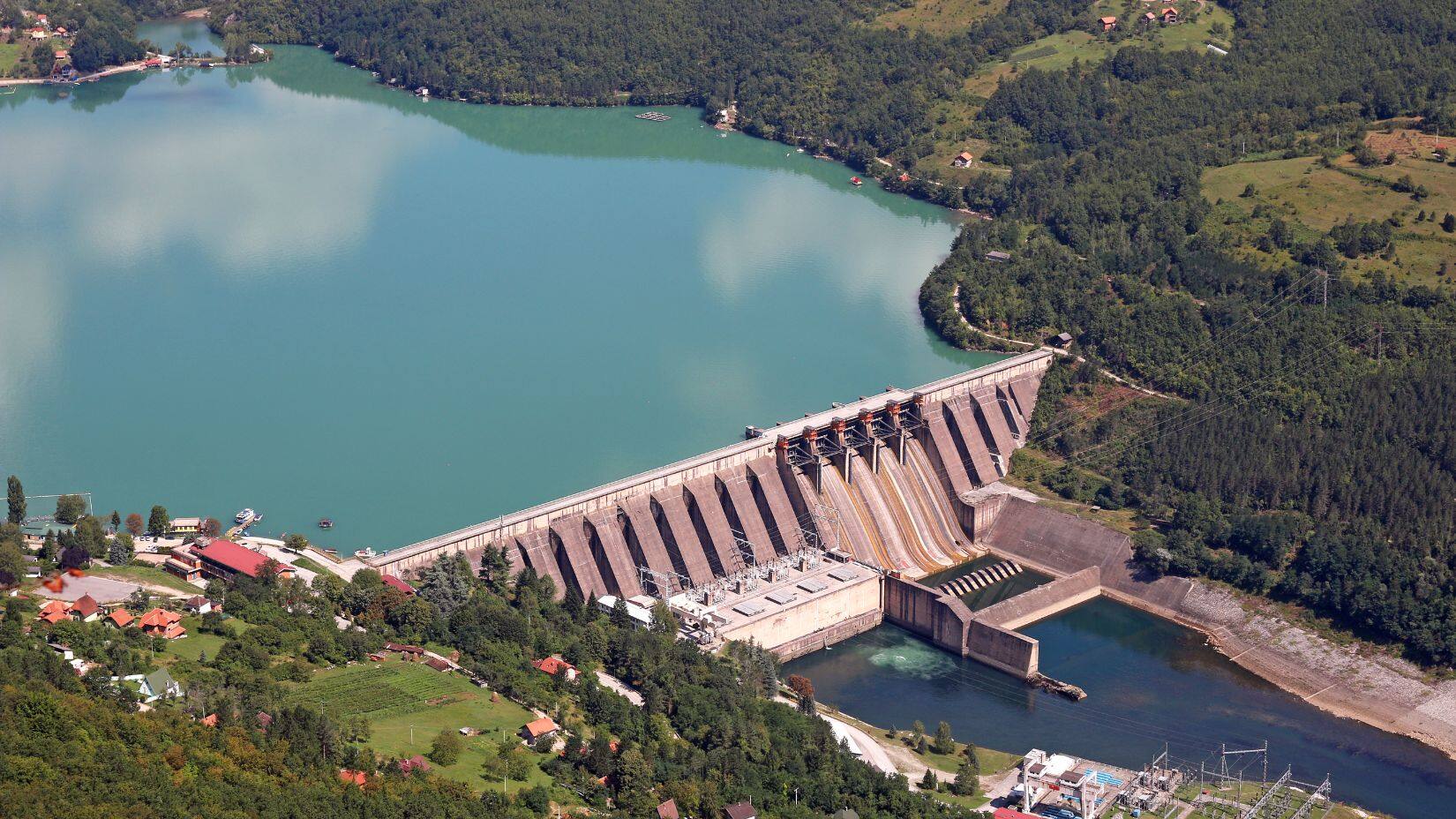
When the turbines of the Kamala project begin to rotate eight years later, they not only output electric current, but also pulse India towards becoming an energy powerhouse. On this geologically complex plateau, India is attempting to use reinforced concrete and massive capital to tame the rushing rivers and write a modern epic about light and development.Editor/Cheng Liting
Comment


 Praise
 Collect
 Comment

 Share
Share


Write something~