 Search


- The total installed capacity of this project is 1000 megawatts, which will ensure the stability of Cambodia's power grid
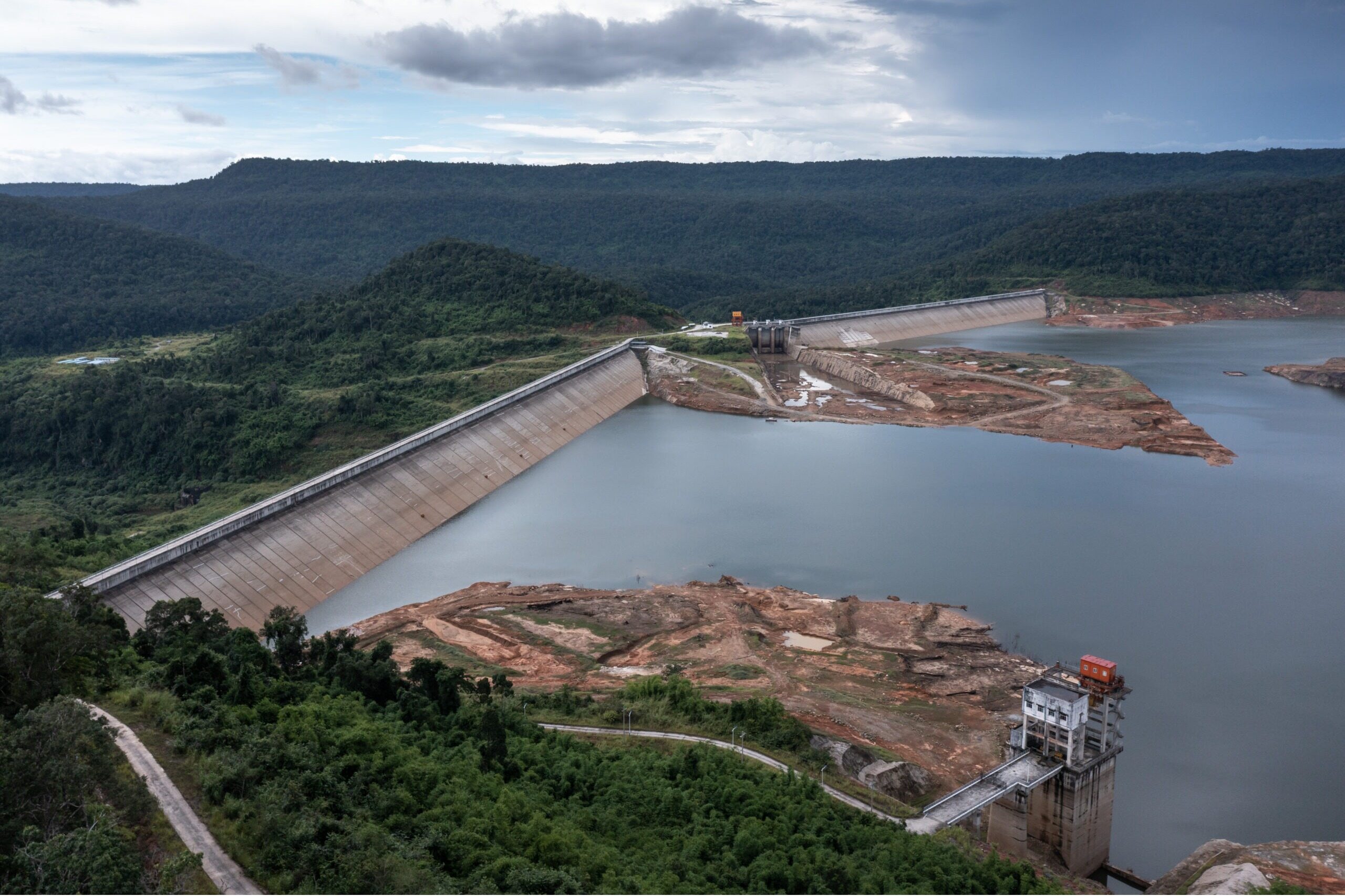
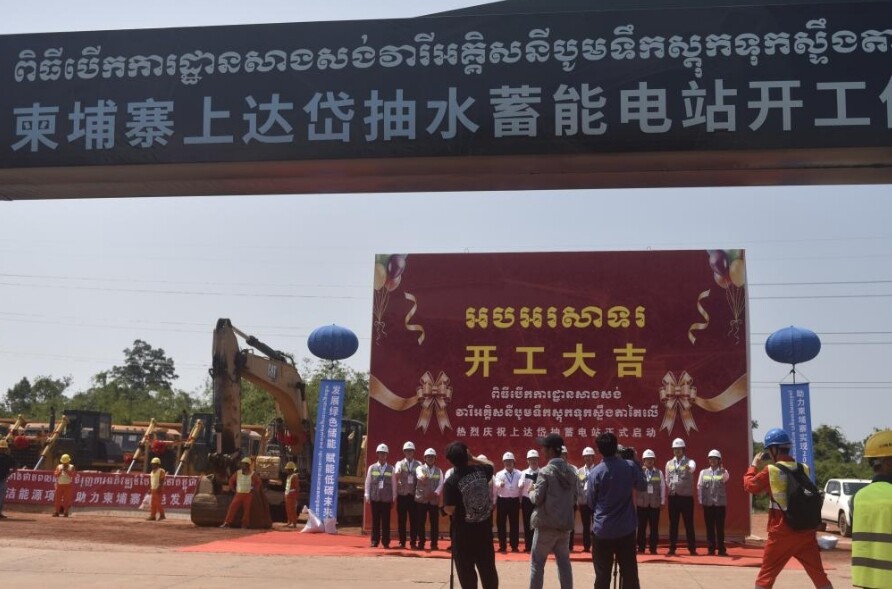
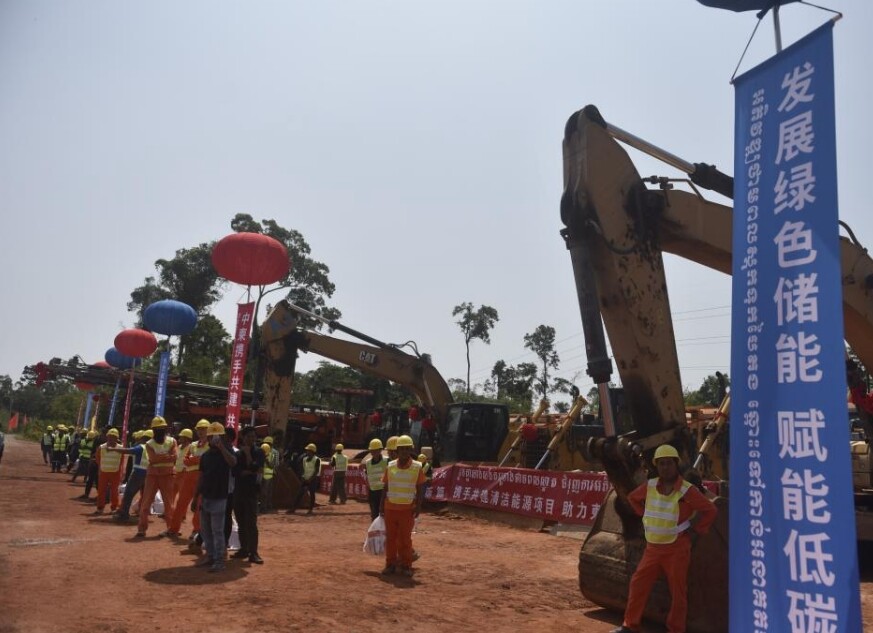
In recent days, machines have been roaring in the Dadai River Basin of Cambodia's Gogong Province. The Shangadai Pumped Storage Power Station, jointly invested by China Heavy Machinery Co., Ltd., Erzhong (Deyang) Heavy Equipment Co., Ltd., and Southern Power Grid Lancang Mekong International Energy Co., Ltd., has officially started construction.
Cambodian Minister of Mines and Energy Gao Latana and Chinese Ambassador to Cambodia Wang Wenbin jointly attended the ceremony. As a core project on the key list of production capacity cooperation between China and Cambodia, this project not only marks the deep binding of the two countries in the field of energy infrastructure, but also fills the gap in Cambodia's large-scale pumped storage technology.
This power station, with a total investment of approximately 996 million US dollars and a total installed capacity of 1000 megawatts, is the first pumped storage project in Cambodia's history to cross the threshold of gigawatts. According to the latest data released by the Cambodian Ministry of Mines and Energy, the country's electricity demand is growing at an average annual rate of over 10%, while the existing power grid has a serious lack of capacity to absorb intermittent new energy sources such as wind power and photovoltaics.
Gaolatana spoke frankly on site, stating that without a regulated power source, the stability of the power grid will face severe challenges. After the project is put into operation, it will stabilize the fluctuation of new energy supply through double regulation capacity, and is expected to increase the peak shaving capacity of the national power grid by about 15%.
Dual support of technology and economy
From a technical perspective, the Shangdadai Power Station is not just a simple reservoir construction, but a sophisticated energy conversion system. It utilizes the natural drop in the Dadai River basin to build a giant power bank between the upper and lower reservoirs: pumping and storing energy during the noon period of photovoltaic power generation, and releasing water to generate electricity during the evening peak period. The representative of the project investor revealed that this design can reduce Cambodia's new energy curtailment rate to below 5%, directly serving the country's strategic goal of achieving a 40% renewable energy share by 2030. Keywords: new energy, pumped storage power station
Economic accounts can also be calculated. Although the initial investment of nearly 1 billion US dollars may seem huge, compared to the high operating costs of relying on imported diesel power generation, the full lifecycle electricity cost of pumped storage is more advantageous. More importantly, the construction of the power station will directly create over 2000 job opportunities and drive the development of surrounding industries such as roads and building materials.Editor/Cheng Liting
Comment




 Praise
 Collect
 Comment

 Share
Share


Write something~