 Search


- This TOD growth axis using fully autonomous driving has officially started construction
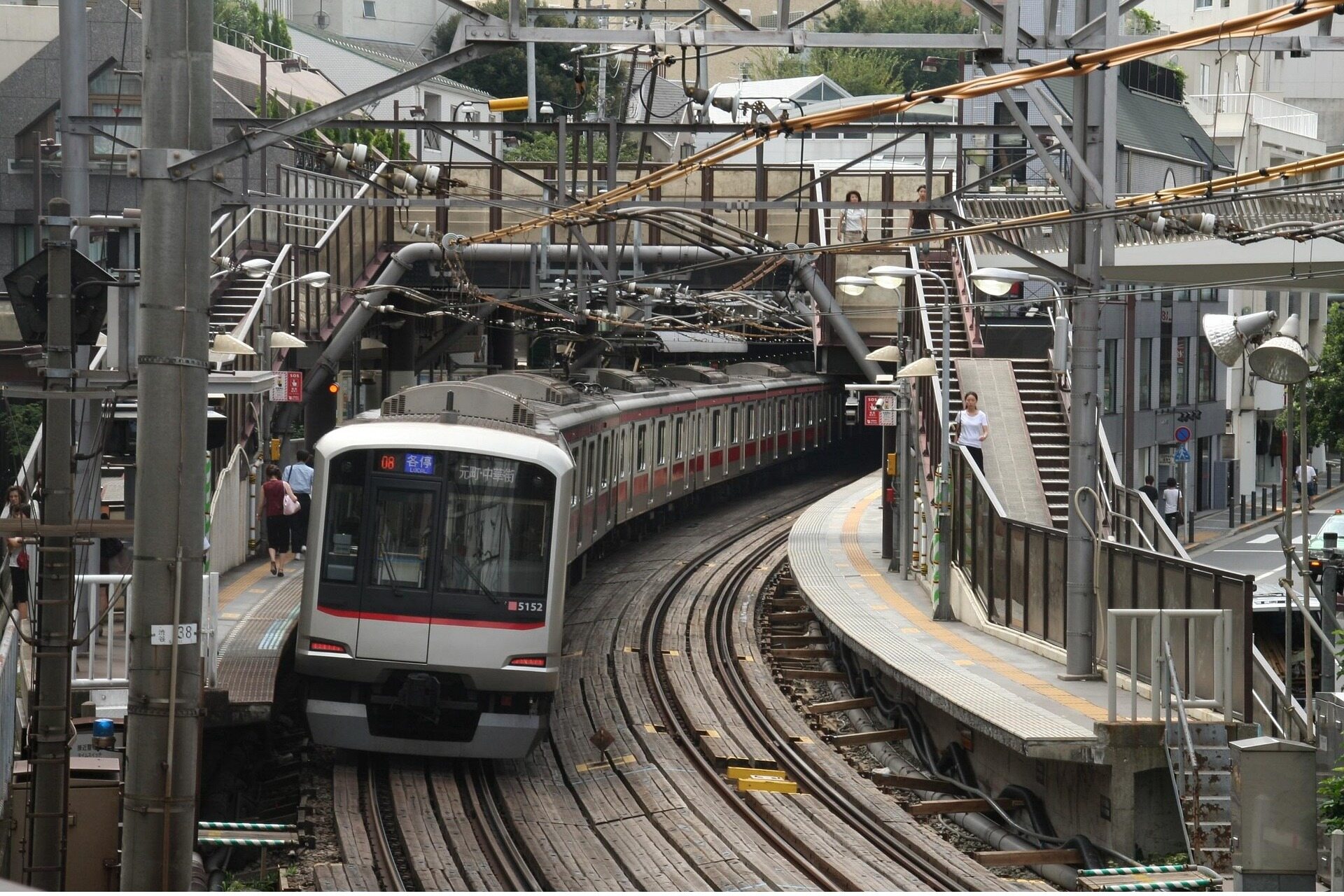
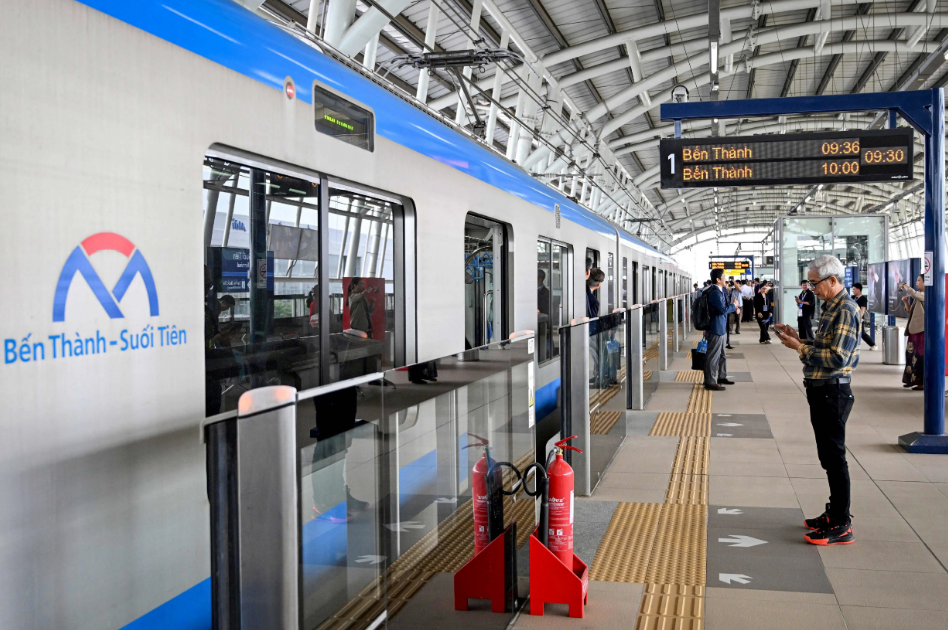
Against the backdrop of increasingly fierce infrastructure competition in Southeast Asia, the Ho Chi Minh City Subway Line 2 (Bincheng Chanliang section) is becoming a key window for observing the transformation of Vietnam's urban governance model. This underground artery with a total length of 11.3 kilometers is not only Vietnam's first rail transit project to break free from "official development assistance dependence", but also breaks the cumbersome shackles of international loans with a special mechanism of full financial investment.
With the landing of the EPC contract in early 2026, this project, which had been stagnant for more than a decade, finally moved from drawings to reality, marking a substantial step forward for Vietnam in infrastructure self-reliance and TOD (TOD) mode.
Say goodbye to the sovereign credit experiment of ODA
Unlike the previous model of relying on foreign aid such as Deutsche Bank, the total investment of 2.12 billion US dollars for Line 2 is fully borne by the public finance of Ho Chi Minh City. This transformation is due to Resolution No. 188 passed by the Vietnamese National Assembly in 2025, which allows for simplified approval and delegation of technology selection rights, making Line 2 a pilot field for institutional innovation. This not only avoids the risk of lagging international funding matching, but also attempts to use TOD development to support construction funds and explore a new path for infrastructure that does not rely on external debt.
Speed Challenge in EPC Mode
In March 2026, Vietnam's Changhai Group and China Railway Group won the bid for EPC general contracting for 1.73 billion US dollars, accounting for 81% of the total investment. This combination of Vietnamese leadership and Chinese technology aims to balance local coordination efficiency and engineering quality. On the technical level, the project adopts GoA4 level fully automated unmanned driving (CBTC system) and reserves space for 6-car formation, which can double the future transportation capacity. However, to complete it within 60 months - doubling the 12 year construction period of Line 1- remains a severe trust test for the construction team crossing dense pipelines and main roads.
TOD driven spatial revolution
The ambition of Line 2 goes beyond transportation. According to Decision No. 3065 issued by the end of 2025, 12 stations and vehicle depots along the line have been designated as TOD core development areas, covering a radius of 1000 meters. The government intends to guide population towards rail transit and reshape urban spatial structure through intensive commercial and residential development. If this strategy of using land to support iron is successful, it will provide a model for the adoption of PPP mode in subsequent lines, completely changing the passive situation of Vietnam's infrastructure relying solely on financial investment. Keywords: Southeast Asia, Metro
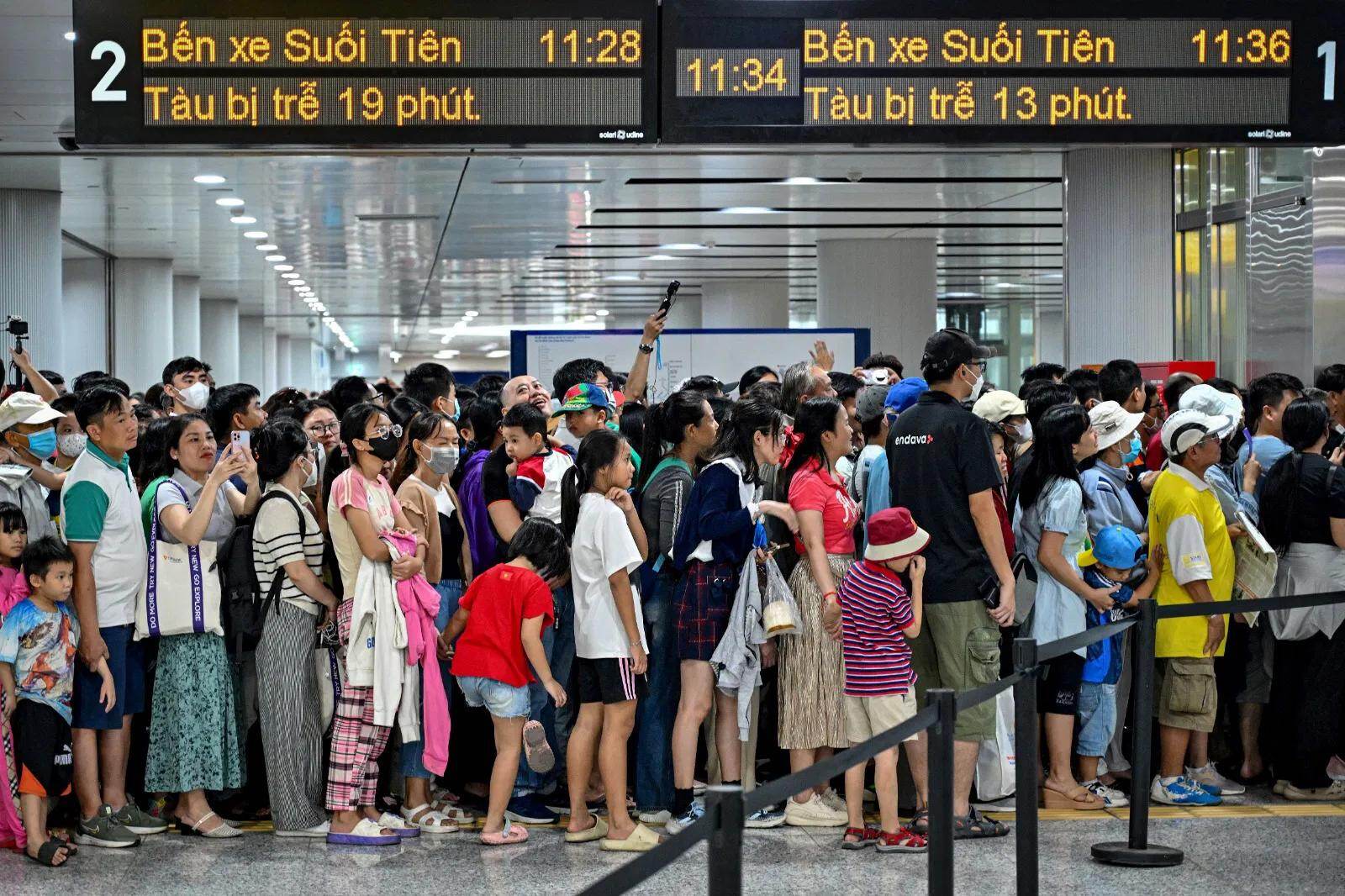
From its conception in 2007 to its groundbreaking in 2026, the Ho Chi Minh City Subway Line 2 not only serves to alleviate congestion, but also represents Vietnam's national will to break free from foreign aid dependence and reshape its infrastructure discourse power. Although the public has doubts about the completion in 5 years, this route, which adopts international top standards and deeply integrates Sino Vietnamese technology and capital, has become a touchstone for testing whether Vietnam can build an integrated public transportation system before 2030. Once opened, it will not only be a subway, but also a landmark example of urban renewal in emerging markets in Southeast Asia.Editor/Cheng Liting
Comment


 Praise
 Collect
 Comment

 Share
Share


Write something~