 Search


- Expected to drive Saudi Arabia's economic growth of $17 billion and create 80000 job opportunities
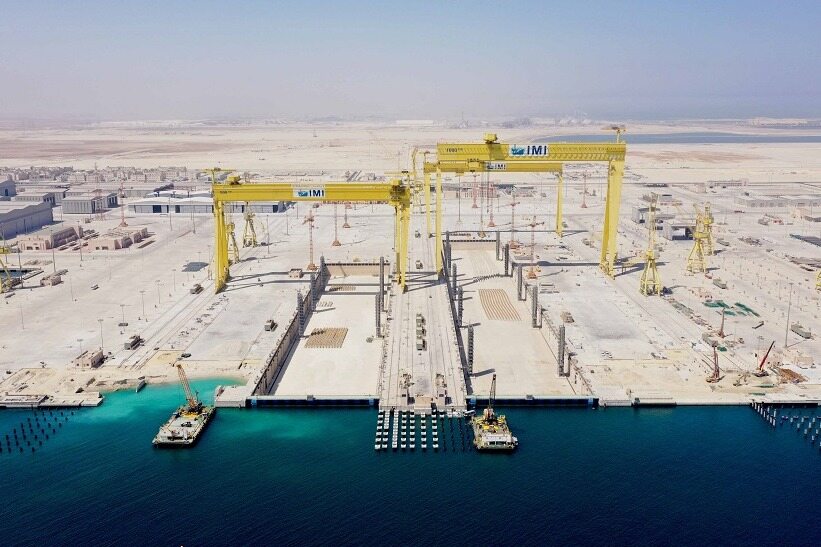
In the Lasherr Industrial Zone of Jubail City, Eastern Province, Saudi Arabia, a once barren coastline now stands a "steel giant" covering an area of approximately 11.25 square kilometers. At the beginning of 2026, the Saudi King Salman International Integrated Port Facility Project (referred to as "Saudi King's Port"), in which Chinese companies were deeply involved, achieved overall mechanical completion and was officially handed over to the owner. This "super shipyard" personally laid by the Saudi king is slowly opening the curtain on its transformation of the regional industrial destiny.
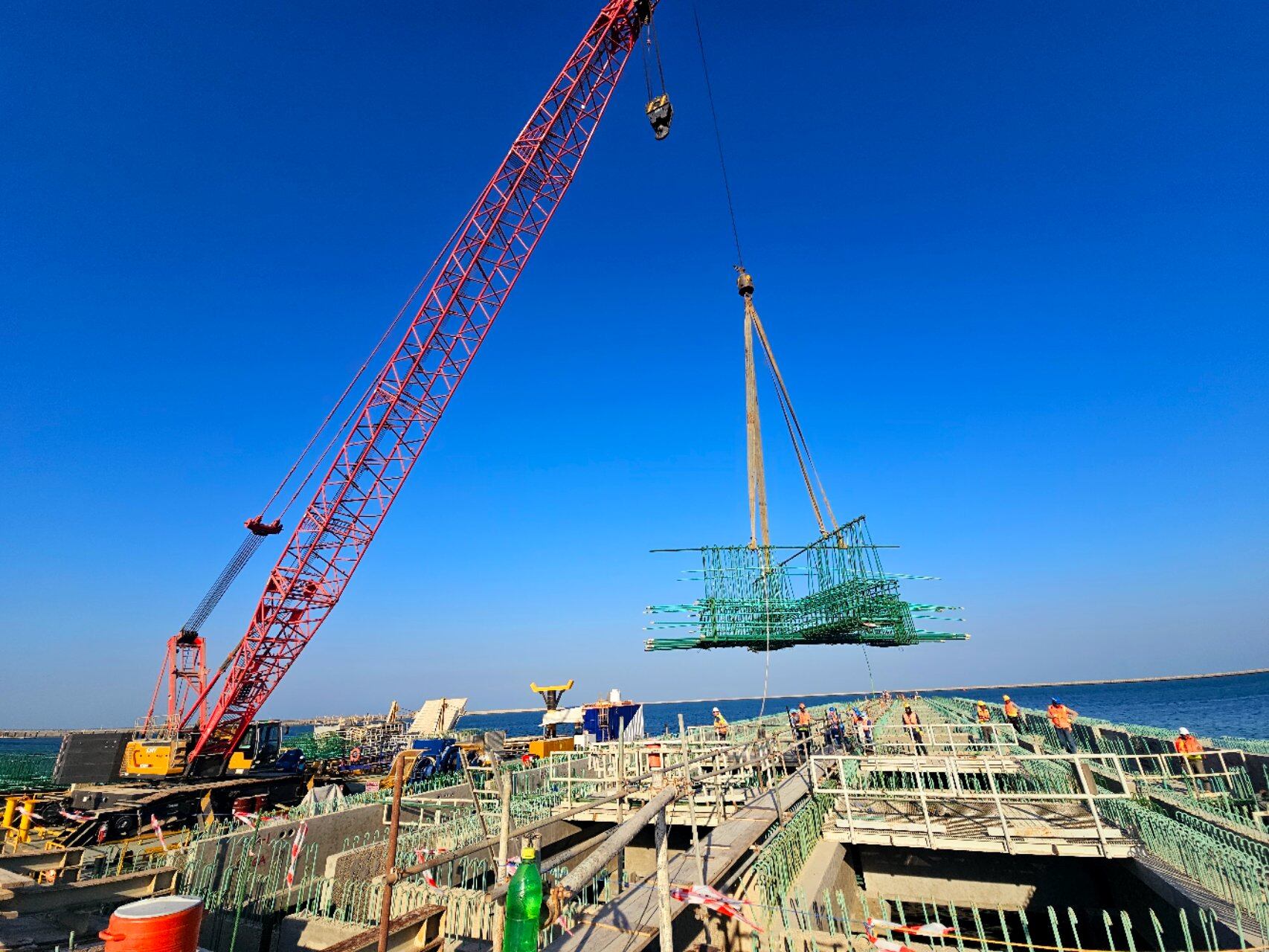
Build a world-class engineering benchmark
The Saudi King's Port project is an important component of Saudi Arabia's "Vision 2030", invested and constructed by Saudi Aramco and IMI International Ports Joint Venture. The project incorporates the wisdom and sweat of multiple Chinese companies from design to construction. China Power Construction Group Shandong Electric Power Construction Co., Ltd. has undertaken the EPC general contracting of the P4-P5-P6 main section; Zhenhua Heavy Industry has constructed core equipment including dry dock gates and ship lift systems; China Shipbuilding Industry Corporation's Ninth Design and Research Institute provides overall planning, preliminary design, and general contracting services for multiple key equipment.
The strong alliance of enterprises from the three countries has turned this land into the world's largest shipbuilding and ocean engineering base. After the completion of the project, Saudi Arabia will for the first time have the ability to build 3 very large crude oil vessels (VLCC), 15 other types of vessels, and multiple offshore platforms annually, and can complete the repair and maintenance of hundreds of various types of vessels, completely changing Saudi Arabia's industrial pattern in the field of marine engineering.
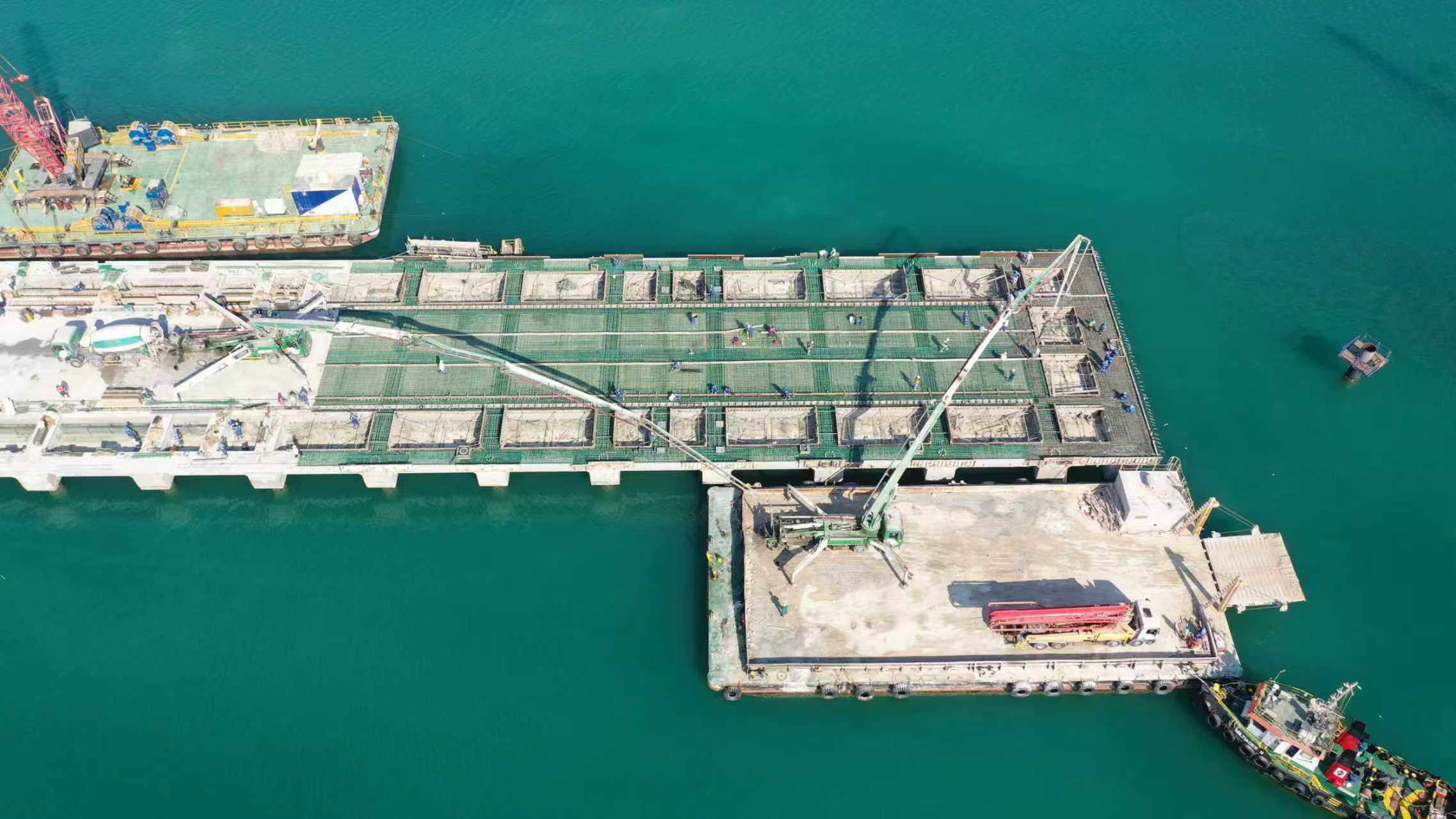
Multiple 'world firsts'
Entering King's Harbor, a series of shocking data witness the world-class level of engineering:
The world's largest shipyard: covering a total area of approximately 11.25 square kilometers, equivalent to nearly 1600 standard football fields;
The highest gantry crane: The net lifting height of the giant gantry crane reaches 113.5 meters, equivalent to the height of a 40 story building, ranking first in the world;
Super lifting capability: With a combined lifting capacity of 2100 tons, it can easily lift large ship sections;
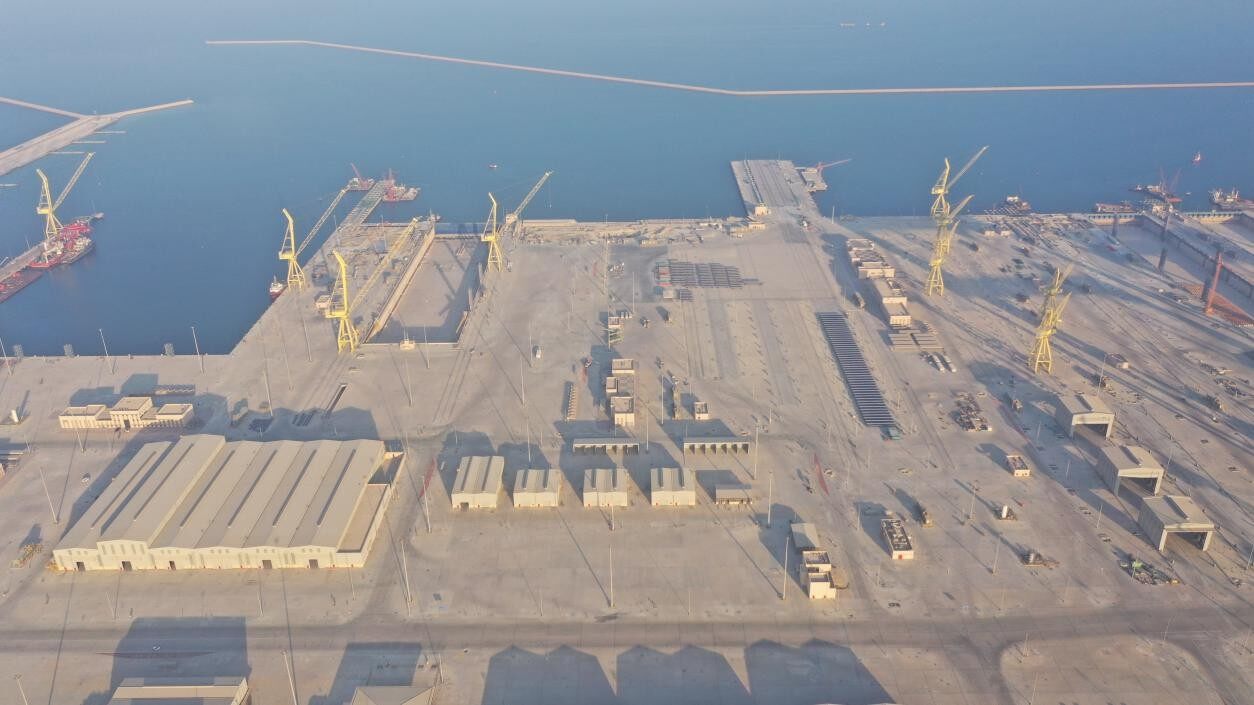
The strongest ship lift: The ship lift system has a maximum lifting capacity of 25000 tons, ranking first among similar facilities in the world;
The longest dock line: The total length of the dock extends to 7 kilometers, setting a new global record for dock length.
Behind these 'world firsts' is a concentrated display of China's equipment manufacturing and engineering technology. From the dock gate to the ship lift, from the storm shelter to the boarding tower, the core equipment made in China is distributed throughout every key link of the shipyard, laying a solid foundation for its efficient operation.
Boosting Saudi Arabia's Transformation Vision
Saudi King's Port is not only a shipyard, but also a strategic pivot for Saudi Arabia's economic diversification. The project is expected to directly drive Saudi Arabia's economic growth of $17 billion, create 80000 job opportunities, and become an important platform for promoting local industrialization and cultivating technical talents.
As a key energy, logistics, and manufacturing hub in Saudi Arabia's "2030 Vision," King's Port will significantly enhance Saudi Arabia's shipping and construction capabilities in the Red Sea and Gulf regions, reducing its reliance solely on crude oil exports. Meanwhile, through deep cooperation with China in technology, management, and talent, Saudi Arabia is gradually building a domestic high-end manufacturing system, accumulating strength for medium - and long-term sustainable development.
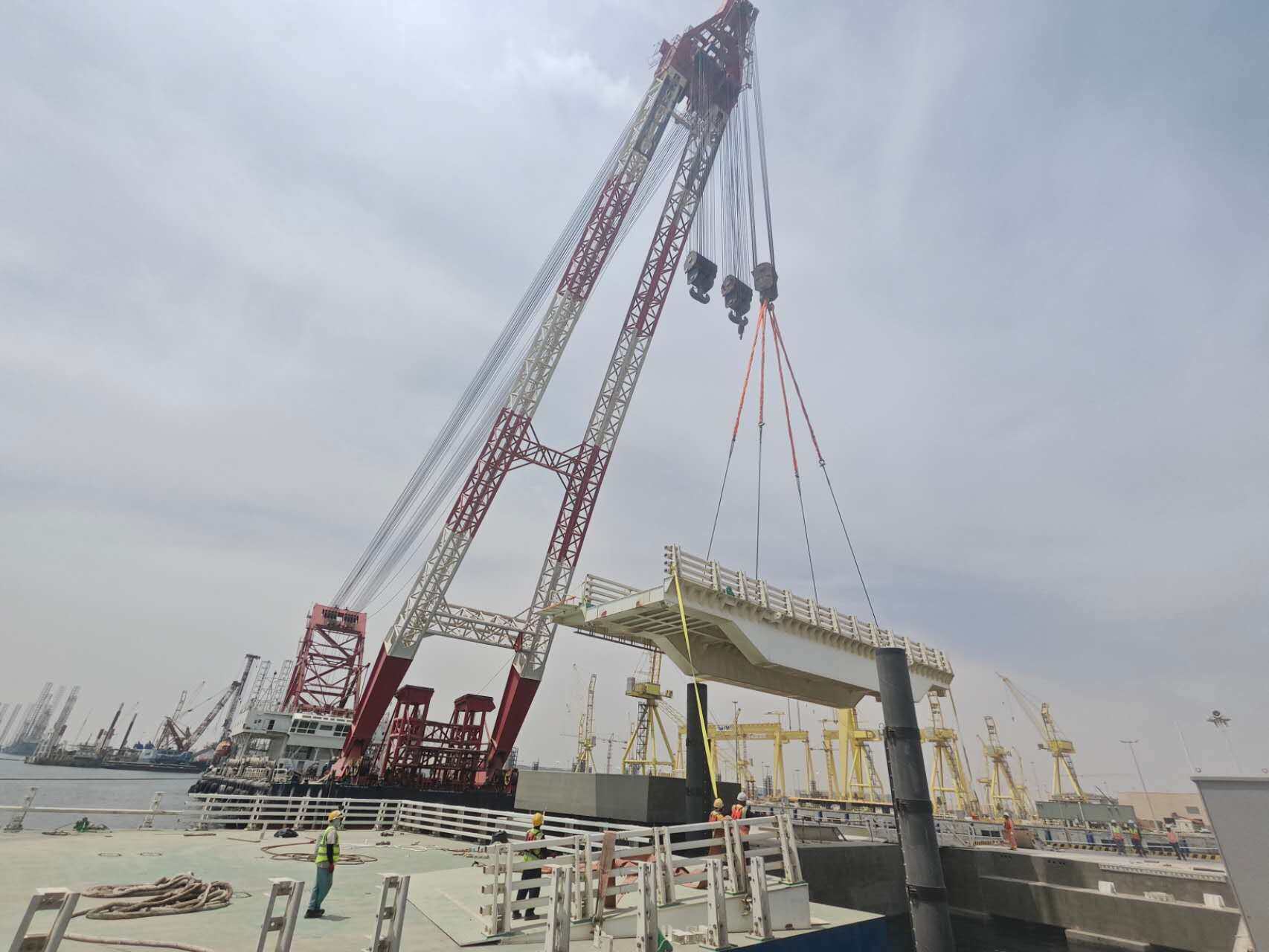
This super project standing by the Persian Gulf is not only a vivid practice of China and Saudi Arabia in jointly building the the Belt and Road, but also another milestone for Chinese technology, Chinese equipment and Chinese standards to go global. In the future, it will continue to witness more possibilities for industrial collaboration and innovation linkage between the two countries, adding a significant touch to the global ocean economy picture.Editor/Yang Meiling
Comment



 Praise
 Collect
 Comment

 Share
Share


Write something~