 Search


- Using waste cooking oil to turn waste into treasure
- Injecting a shot in the arm for the low-carbon transformation of the global aviation industry
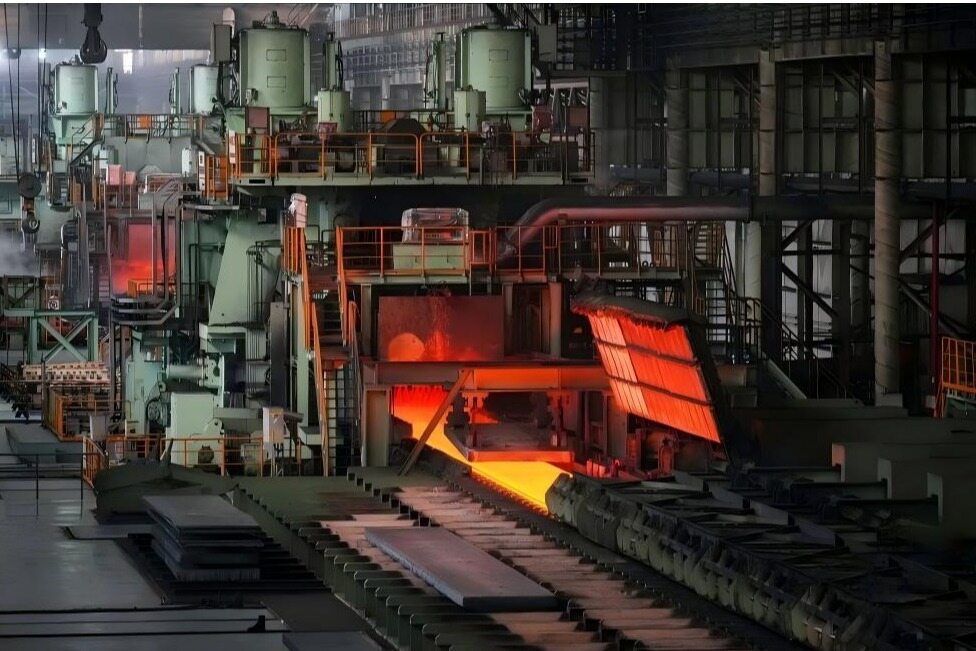
At a critical moment when the aviation industry is seeking a blue sky decarbonization path, a news from the Middle East has ignited hope - discarded cooking oil is about to turn into green power for airplanes to soar.
Recently, Tata Projects Limited, a contracting company under India's Tata Group, officially announced that it has become the exclusive general contractor (EPC) for SAF One Energy Management's sustainable aviation fuel (SAF) project in the Middle East. This cooperation marks a substantial step towards the transformation of the aviation energy structure in the Middle East region.
Strategic considerations behind site selection
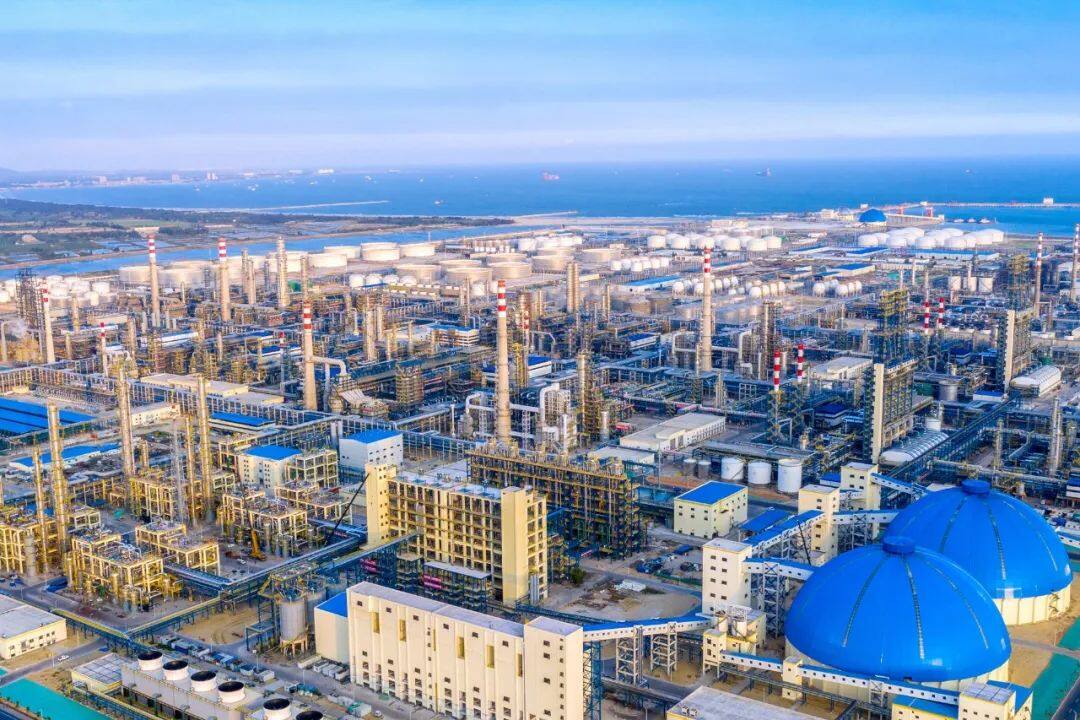
The final settlement of the project in Fujairah, United Arab Emirates is by no means accidental. Fujairah is located on the east coast of the United Arab Emirates, guarding the key point of the Strait of Hormuz, and is an important global oil transportation hub and oil storage center. This place has complete port facilities, huge refining capacity, and a well connected regional logistics network, providing unparalleled geographical advantages for the collection of raw materials (waste oils and fats) and the global distribution of final products (SAF). Choosing this place is precisely to upgrade the traditional energy hub into a new pivot for sustainable energy in the future.
The magic of turning waste oil into green aviation fuel
This project will adopt the most mature and widely used SAF production technology globally, the HEFA pathway (hydrogenated ester and fatty acid technology). The magic of this technology lies in its ability to convert waste oils and fats such as waste cooking oil (UCO) and animal fat into sustainable fuels with chemical compositions almost identical to traditional aviation kerosene through a series of processes such as hydroprocessing, deoxygenation, and isomerization.
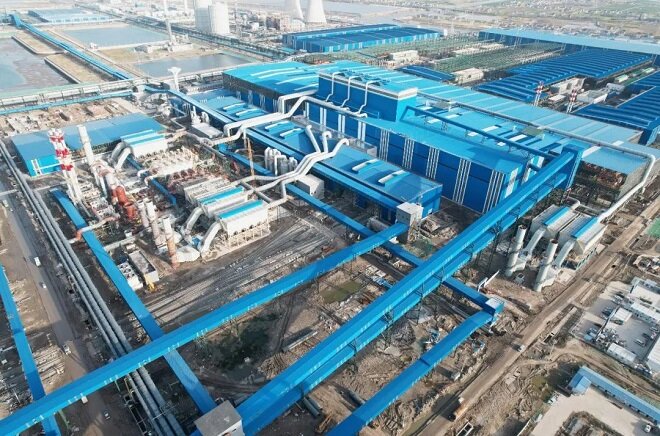
HEFA technology's SAF can be mixed with traditional aviation fuel at a ratio of up to 50% without the need to modify aircraft engines. Its full lifecycle carbon reduction can reach up to 80%, making it the most realistic and immediate solution for carbon reduction in the aviation industry. The technical selection of the project reflects the combination of prudence, pragmatism, and efficient emission reduction.
Who is driving this green transformation?
The strong capital and industry alliance are the solid backing for the implementation of this project. The project operator SAF One Energy Management Company was jointly established by Novus Aviation Capital Limited and Sencirc Holding Limited, professional institutions in the aviation investment field, focusing on developing SAF solutions on a global scale.
More notably, the project has received up to $30 million in investment support from SAFFA funds. The member list of this fund can be called the "All Stars of the Aviation Industry", including core companies in the industry chain such as Airbus, Air France KLM, Qantas, etc. This is not just a financial investment, but also represents the urgent need and firm commitment of mainstream airlines to ensure the supply of green fuels in the future. They invest not only in factories, but also in the key to their own future emission reduction goals.
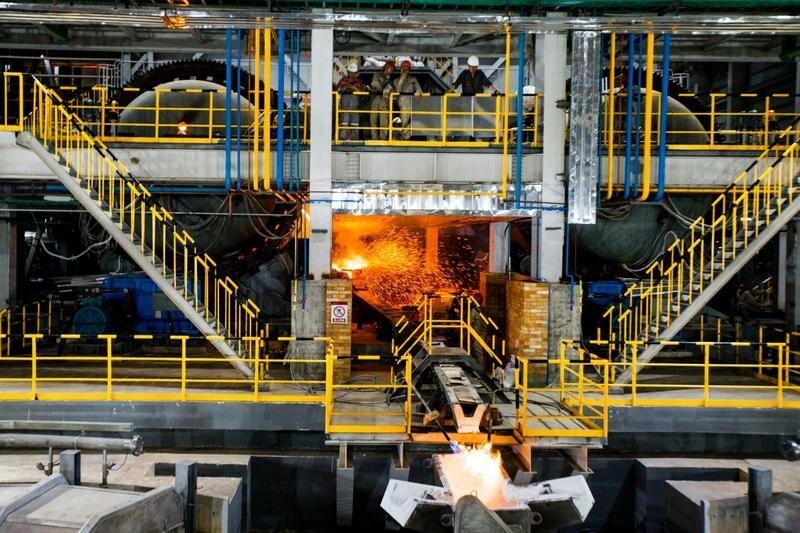
According to the plan, this milestone factory is scheduled to commence construction in 2026 and is expected to achieve commercial production in the fourth quarter of 2028. The first phase of the project is designed to have an annual production capacity of 125 million liters (approximately 100000 tons), which will effectively alleviate the urgent demand for low-carbon aviation fuels in the Middle East and surrounding regions after it is put into operation.
For the general contractor Tata project, this cooperation is an important demonstration of its strength in the global energy transition infrastructure field, especially in modular delivery capabilities. From traditional energy engineering to cutting-edge green fuel factories, the Tata project is expanding its engineering footprint to the future track.
As 2028 approaches, the sea breeze in Fujairah will not only bring a sense of trade, but also create new hope for green aviation. The rise of this factory indicates that the Middle East's role on the global energy map is quietly shifting from a traditional "energy supplier" to a "green energy innovator". The dream of a "net zero" sky in the global aviation industry has thus added a solid piece of puzzle.Editor/Yang Meiling
Comment





 Praise
 Collect
 Comment

 Share
Share


Write something~