 Search


- Azerbaijan's largest oil producing field cluster, the Azeri Chirag Guneshli oil field, continues accelerate its subsequent development
- "Khankendi" submarine construction vessel and "Israel Huseynov" pipe laying barge realize the deep binding of local industrial capacity and project development
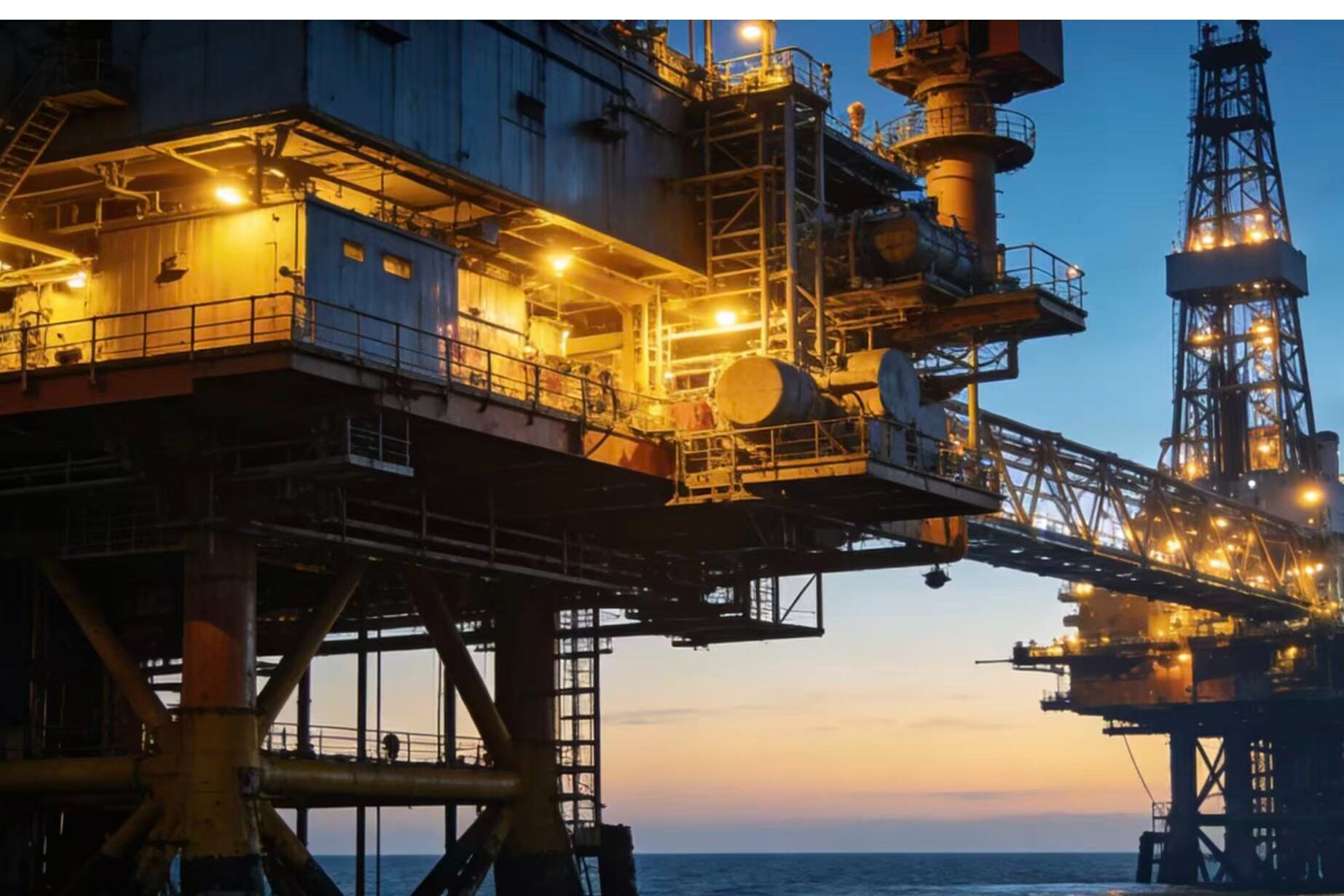
As a core hub for energy development in the Caspian Sea region, Azerbaijan boasts abundant oil and gas resources and a mature development system, leading the coordinated development of the regional energy industry for a long time. In 2026, the country will heavily upgrade its overall plan for oil and gas exploration, with a batch of billion dollar core projects intensively implemented and capacity expansion measures fully launched. This will not only deeply release its own energy potential, but also promote the iteration of energy infrastructure and the upgrading of industrial chain levels in the Caspian Sea region, strengthen the international energy supply security defense line, and strongly reshape the new pattern of energy development in the Caspian Sea region.
2026 oil and gas production capacity achieves leapfrog expansion
In 2026, Azerbaijan will focus on the development of two core oil and gas fields, and simultaneously promote the construction of offshore platforms, the laying of submarine pipelines, and the upgrading of terminal facilities, comprehensively pushing the scale of oil and gas extraction to a new level. Among them, the Shahdeniz gas field and ACG oil field projects have become key supports for capacity expansion.
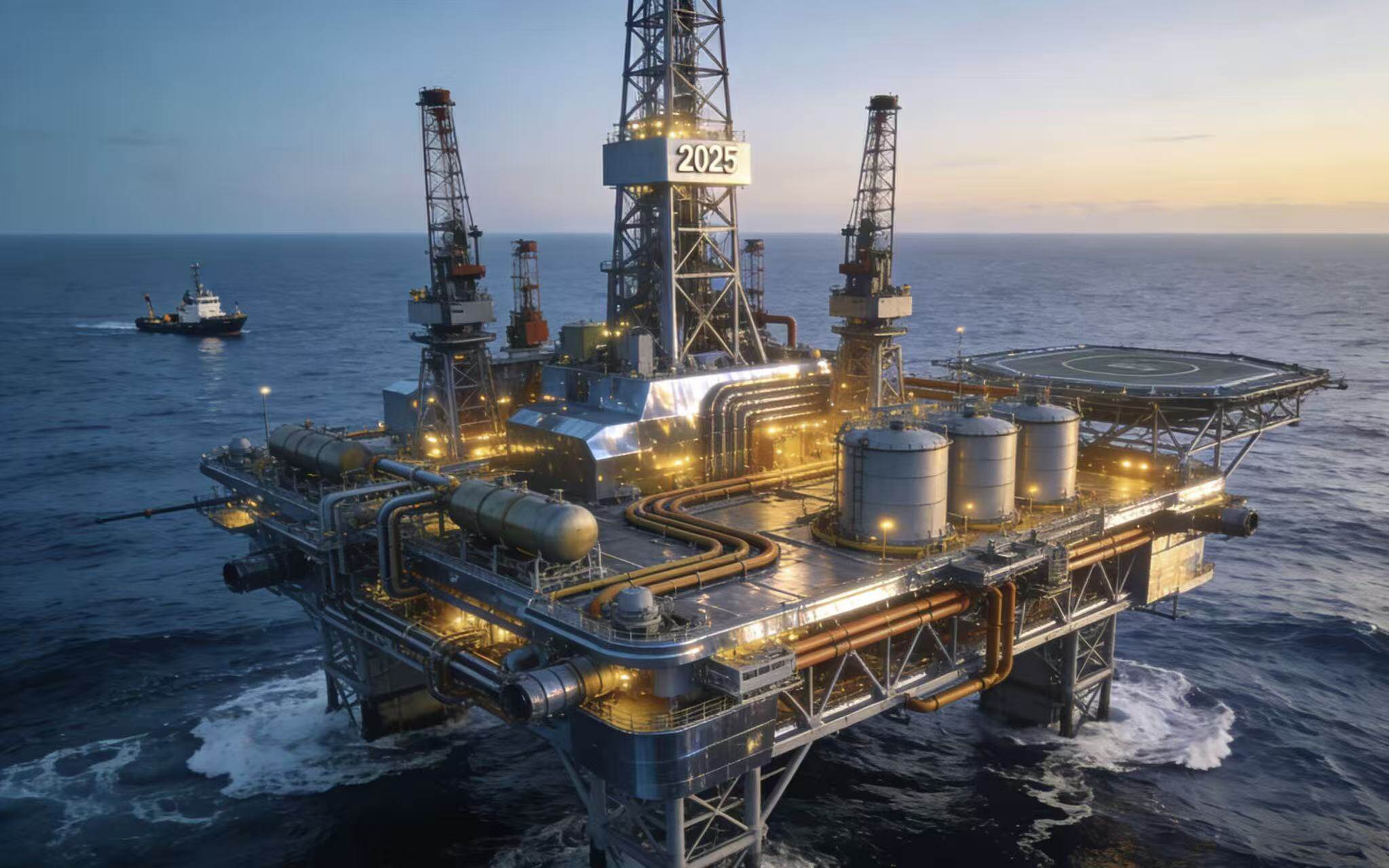
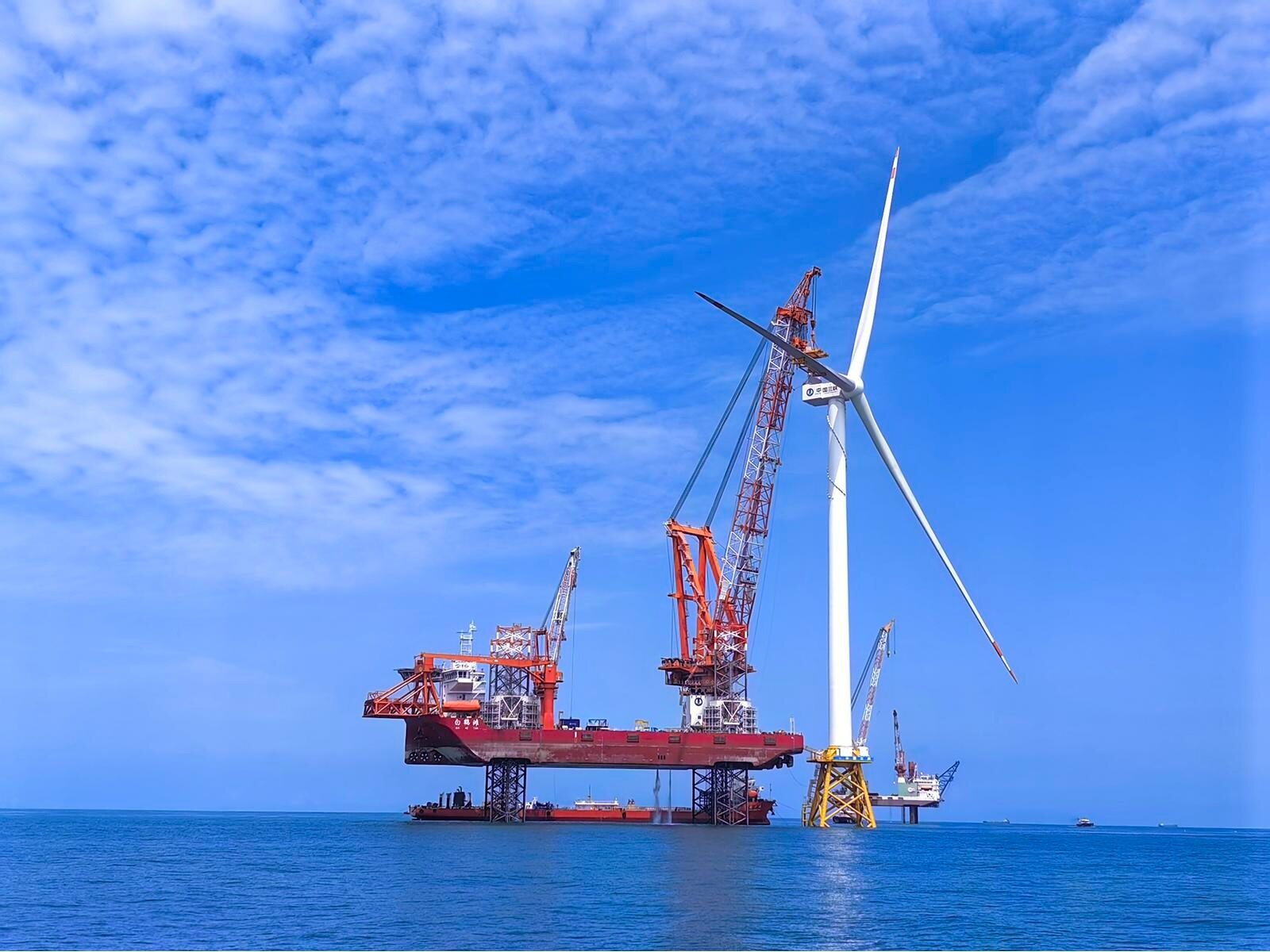
As one of the largest gas fields in the Caspian Sea, the Shah Deniz gas field's compression and development project (SDC) is listed as a top priority, with a total investment of 2.9 billion US dollars. The core goal is to develop low-pressure natural gas reserves and maximize resource recovery. As early as October 2025, the Shah Deniz consortium led by BP has finalized three core offshore contracts totaling US $700 million, covering the transportation and installation of 19000 ton compression platforms, the laying of 26 km subsea pipelines and other core contents, and all manufacturing and offshore projects are completed relying on the local capacity of Azerbaijan - the platform is manufactured in the Baku deepwater jacket factory, and the local flagship "Khankendi" subsea construction ship and "Israel Huseynov" pipe laying barge are used for offshore operations, realizing the deep binding of local industrial capacity and project development. After the project is put into operation, it is expected to increase the export volume of 50 billion cubic meters of natural gas and 25 million barrels of condensate oil. The offshore installation work will officially start in 2026 and be fully completed in 2029.
Empowering the coordinated development of energy in the Caspian Sea to reach a new level
The upgrade of Azerbaijan's 2026 mining plan is not just a single capacity expansion, but also a strong radiation driving effect through project cooperation, infrastructure sharing, and industrial chain extension, promoting the acceleration of energy integration in the Caspian Sea region.
At the level of infrastructure connectivity, the promotion of the Shahdeniz gas field supporting pipeline project will improve the Caspian gas transmission network, and its output gas has been stably supplied to Georgia, Türkiye and many European countries through the South Caucasus Pipeline (SCP) and Trans Anatolian Pipeline (TANAP). After the increase in production capacity in 2026, it will drive the optimization of the pipeline transportation system in the western part of the Caspian Sea, open up convenient channels for oil and gas exports to neighboring countries such as Kazakhstan and Turkmenistan, and further strengthen the international energy hub position of the Caspian Sea region.
Green and intelligent dual wheel parallel, leading the new direction of energy transformation in the Caspian SeaWhile expanding the scale of oil and gas extraction, Azerbaijan is simultaneously promoting the green and intelligent transformation of energy development, setting a benchmark for the upgrading of traditional energy industries in the Caspian Sea region, and achieving both scale and quality improvement.
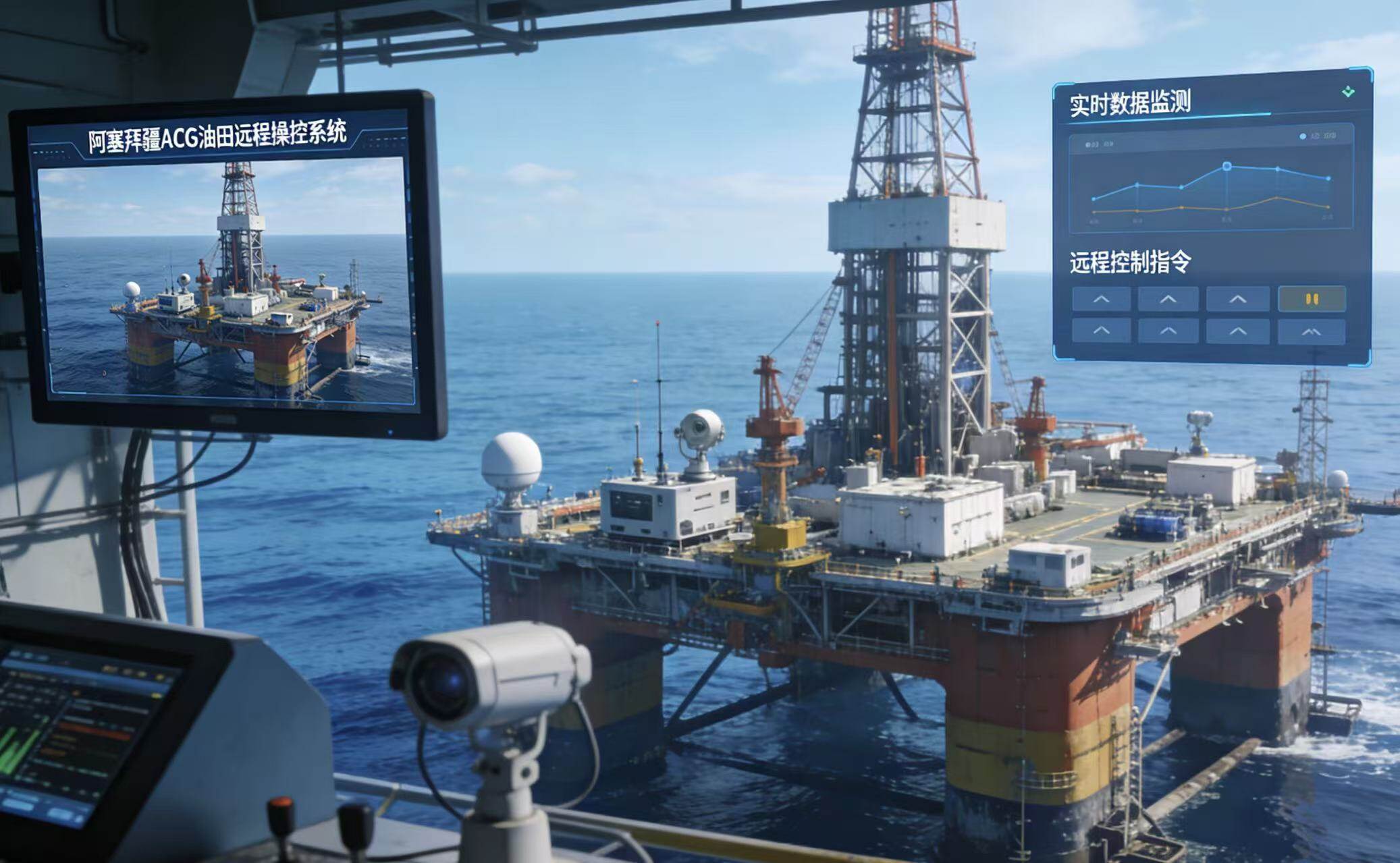
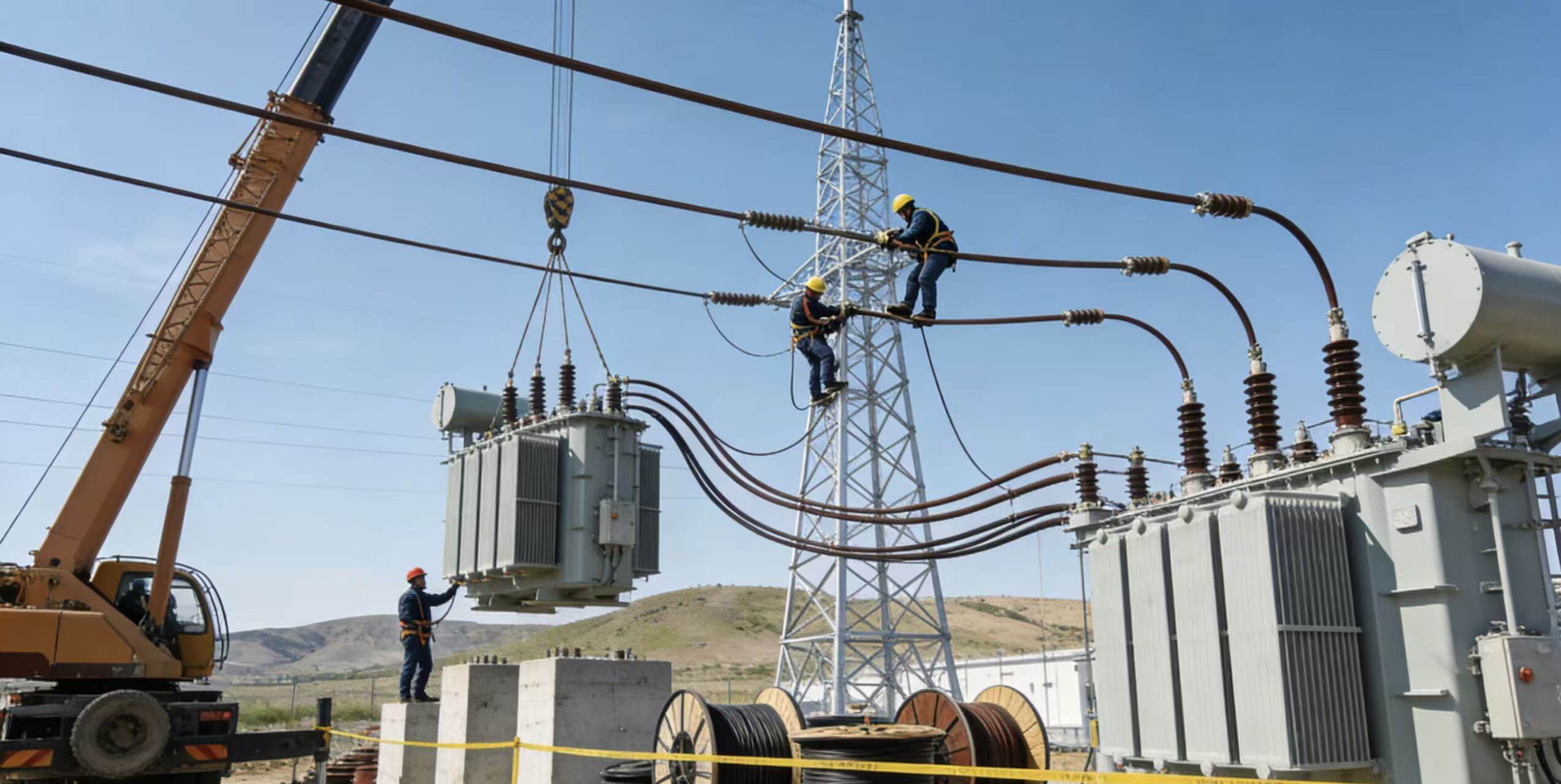
In the core projects to be promoted in 2026, green, low-carbon, and digital intelligent technologies will be fully integrated: the Sangachar Terminal Electrification Project will significantly reduce operational carbon emissions by connecting to the national power grid to replace gas-fired power generation; As a globally leading remote control platform, the ACE offshore platform is equipped with fully automated drilling equipment and intelligent control systems, enabling remote operation and maintenance of shore based control rooms. This not only improves operational efficiency but also reduces energy consumption and safety risks.Editor/Bian Wenjun
Comment

 Praise
 Collect
 Comment

 Share
Share


Write something~