 Search


- The China Laos power grid project provides a textbook level case for the eco-friendly transformation of infrastructure construction
- As heavy-duty drones hoist power tower materials and fly over the pristine rainforest where Asian elephants roam, a 500 kV power air corridor connecting China and Laos is quietly taking shape
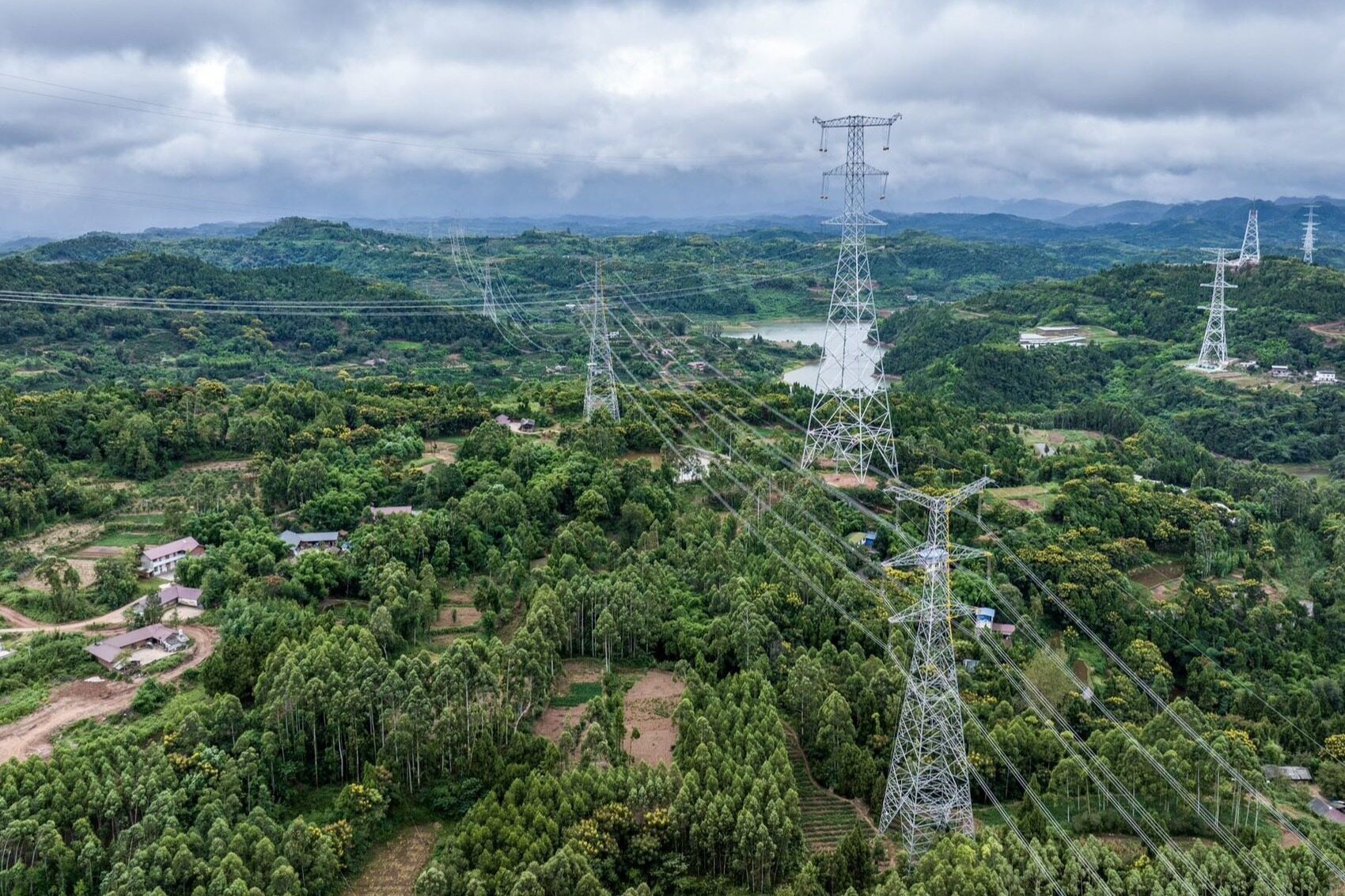
When a group of overloaded drones smoothly flies over the canopy layer of a tropical rainforest, lifting several tons of tower materials, while the Asian elephant herd below is still leisurely foraging - this is not a sci-fi scene, but a daily occurrence at the construction site of the China Laos 500 kV interconnection project. This major project is not only a technological breakthrough, but also a profound practice of how to coexist harmoniously with nature.
Strategic Link Beyond Energy Interconnection
The China Laos 500 kV interconnection project marks a new stage of cooperation between the two countries, from land connectivity to grid interconnection. As a flagship project included in the Action Plan of the China Laos Community of Shared Future, it is planned to be completed in 2026, which will form a bidirectional power mutual assistance capacity of up to 1.5 million kilowatts, and annually transmit about 3 billion kilowatt hours of clean electricity. This route is like an "energy silk road" embedded in the hinterland of Southeast Asia, and its significance goes far beyond simple electricity trading.
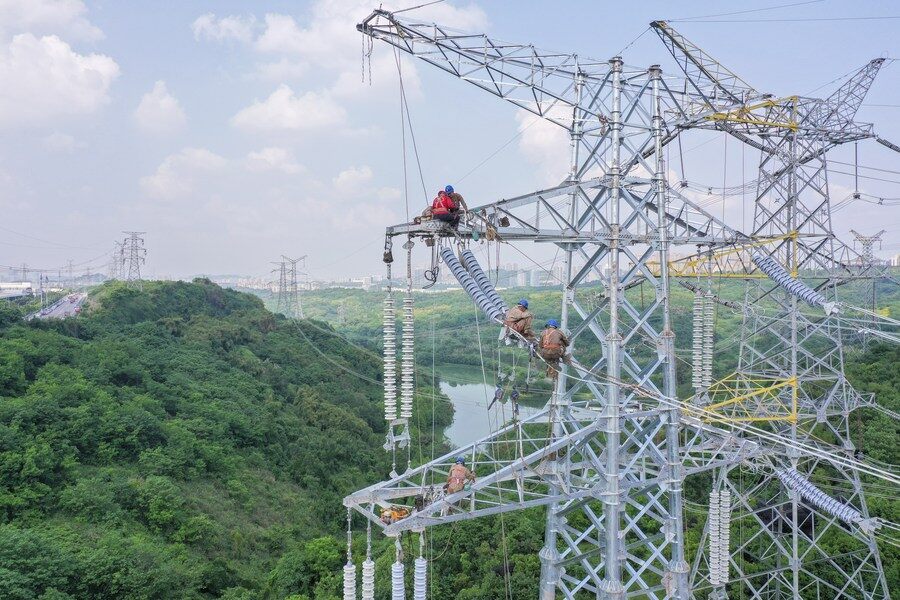
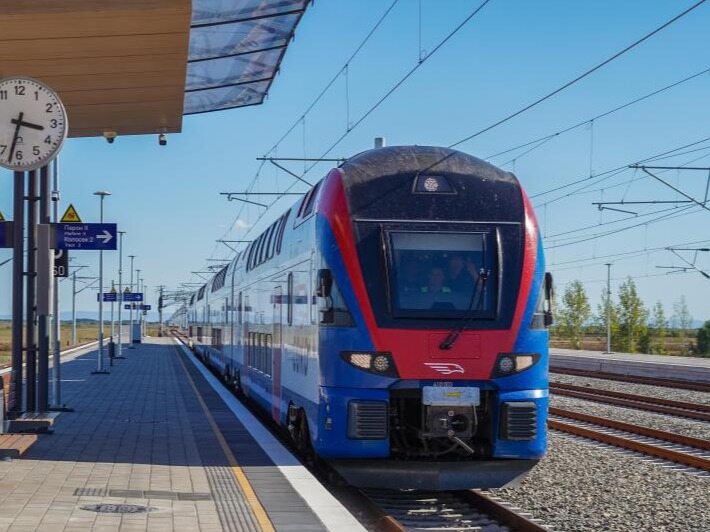
Firstly, it is a key chess piece for optimizing the regional energy structure. The project will effectively adjust the power surplus and deficit between the two countries. The surplus hydropower from Laos during the flood season can be transmitted to China, while during the dry season or peak electricity consumption, China's power can also support Laos in reverse, achieving cross-border resource complementarity. Secondly, it carries the strategic mission of deepening regional integration. As another entity achievement of the the Belt and Road Initiative, the project and the Laos China Railway form a three-dimensional network of railway+power grid, greatly improving regional economic resilience and coordinated development. In the end, it set an example of high standard green infrastructure. The project has placed ecological protection at the core since its inception, and its construction process itself is a vivid interpretation of the concept of sustainable development, providing a valuable paradigm for subsequent cross-border infrastructure cooperation.
To protect the rainforest creatures to the greatest extent possible
The biggest challenge and highlight of the project all come from the Xishuangbanna tropical rainforest where the line passes through - this is one of the regions with the richest biodiversity in China and home to rare species such as Asian elephants and Indian bison. Faced with unavoidable ecological sensitive areas, builders have chosen a more difficult but visionary path: exchanging technological innovation for ecological space.
The core strategy is active avoidance and path optimization. In the planning phase, the team made multiple rounds of fine tuned adjustments to the route, forcibly reducing the proportion of crossing the original rainforest from 32% to 20%, successfully bypassing the core areas of five nature reserves. The real revolution occurs in the transportation sector. Faced with the challenge of crossing unmanned forests for 42000 tons of materials, the project abandoned the traditional methods of building construction roads and setting up cableways on a large scale, and creatively adopted an air transport matrix consisting of helicopters and heavy-duty drones. Especially with the application of the four machine combined lifting technology, the bottleneck of lifting large tower materials weighing 200-600 kilograms in a single operation has been overcome, achieving point-to-point precise delivery.
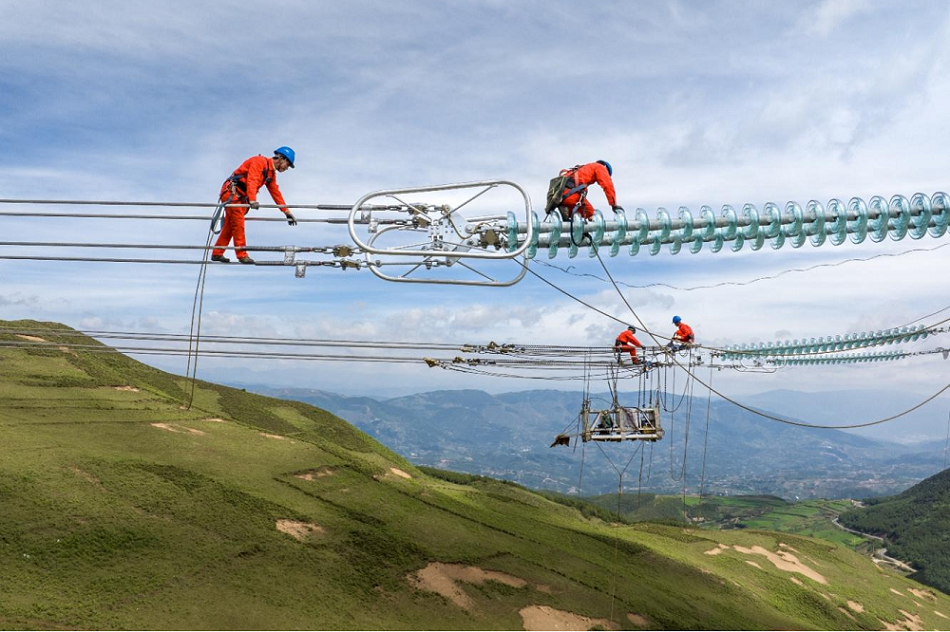
The construction of this series of aerial corridors has achieved remarkable results: a total of 15 cable car constructions have been reduced, saving over 80000 square meters of temporary land. More importantly, about 30000 trees have been spared during construction. The completion of each iron tower maximizes the preservation of the original ecology around it. Behind this is an additional investment of about ten million yuan, but the project leader believes that "preserving over a hundred acres of intact rainforest is worth everything". This is not a waste of cost, but a necessary consideration paid for the immeasurable ecological value, which is a direct manifestation of modern engineering ethics. Key words: the Belt and Road, China Laos kV interconnection project
Now, the domestic section of this project has been successfully completed, and the silver line shuttles across the green sea, becoming a unique scenery. It indicates that every clean hydroelectric power imported from Laos to China in the future will bear the imprint of "green construction". The story of the interconnection between China and Laos power grids enlightens us that the most advanced engineering is not only a technological monument to conquer geographical obstacles, but also a humanistic answer to learn to avoid, bypass, and respect nature. When the pace of development resonates with the heartbeat of the rainforest, infrastructure truly becomes a gift passed down to the futureEditor/Cheng Liting
Comment



 Praise
 Collect
 Comment

 Share
Share


Write something~