 Search


- By 2025, Chinese transformers will occupy 60% of the global production capacity
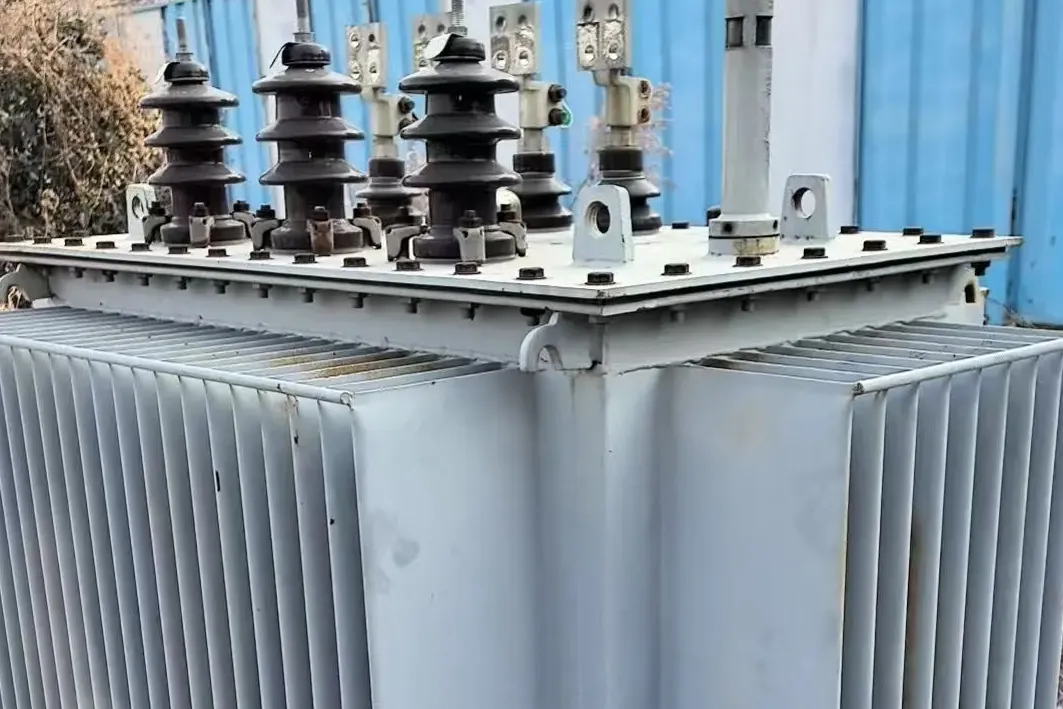
When the European and American power grids urgently need to be replaced due to aging, and when new energy projects are blooming around the world, global attention is coincidentally focused on the production lines of Chinese factories. In 2025, the total value of China's transformer exports reached a historic high of 64.6 billion yuan, a year-on-year increase of nearly 36%. Among them, exports to Europe surged by over 138%, while exports to Asia increased by 65%. China accounts for over 60% of the global transformer production capacity, and behind this data, "Made in China" is filling the global supply chain gap with a "hard currency" posture.
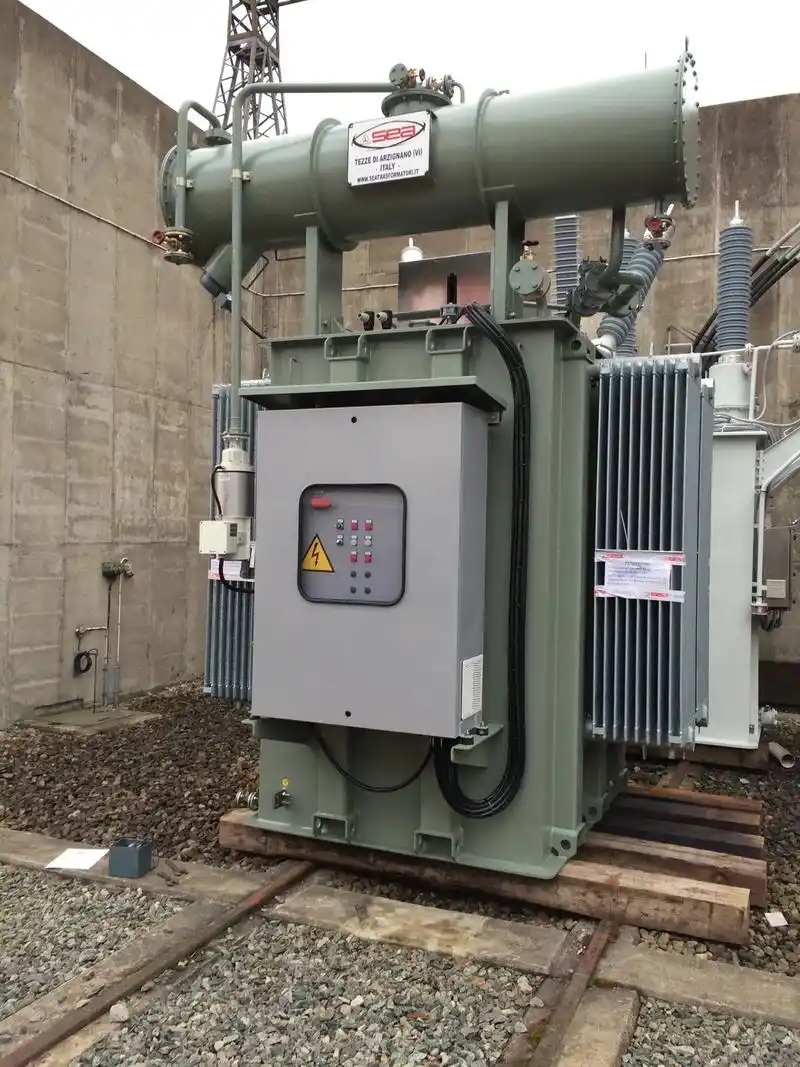
Why has the transformer suddenly gone from an unknown industrial product to a "hot commodity"? The answer lies in the urgent need for global energy transition.
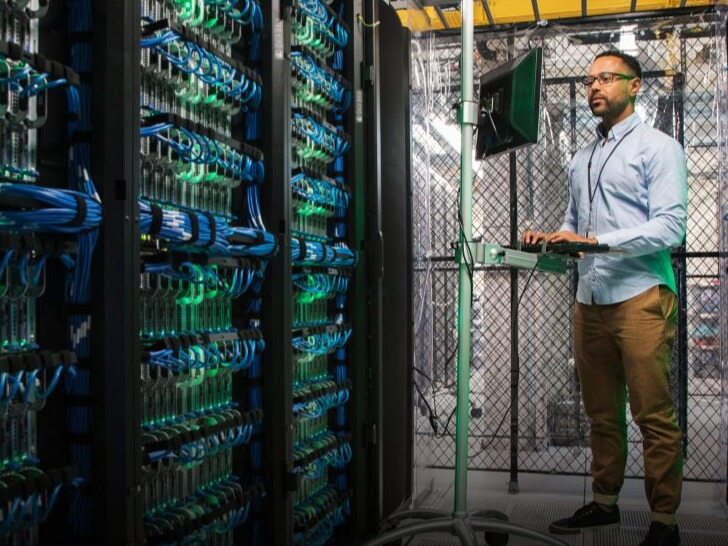
This is a "multiplier effect" triggered by computing power and new energy. AI data centers are truly "electricity eating monsters", and massive power conversion cannot be achieved without transformers; A photovoltaic power station of the same scale requires 1.8 times more transformers than a thermal power station and is more dispersed in distribution; Inside a new energy vehicle, there are 5-6 transformers hidden, and the demand far exceeds that of fuel vehicles. Transformers are stuck at the throat of energy transition.
But this is not simply the release of production capacity, but the result of a technological counterattack.
The core material "oriented silicon steel", which was once monopolized by Japan and the United States, has now achieved full autonomy. Baosteel has built the world's only 0.18mm thin specification production line, with performance comparable to top tier levels but lower costs. In the field of ± 1100 kV high voltage, Chinese technology has become a global leader, capable of producing customized products that can adapt to the high temperature of 60 ℃ in deserts and have a lifespan of up to 30 years. The world's first 500 kV vegetable oil transformer has been launched, filling the international gap in environmentally friendly insulation technology.
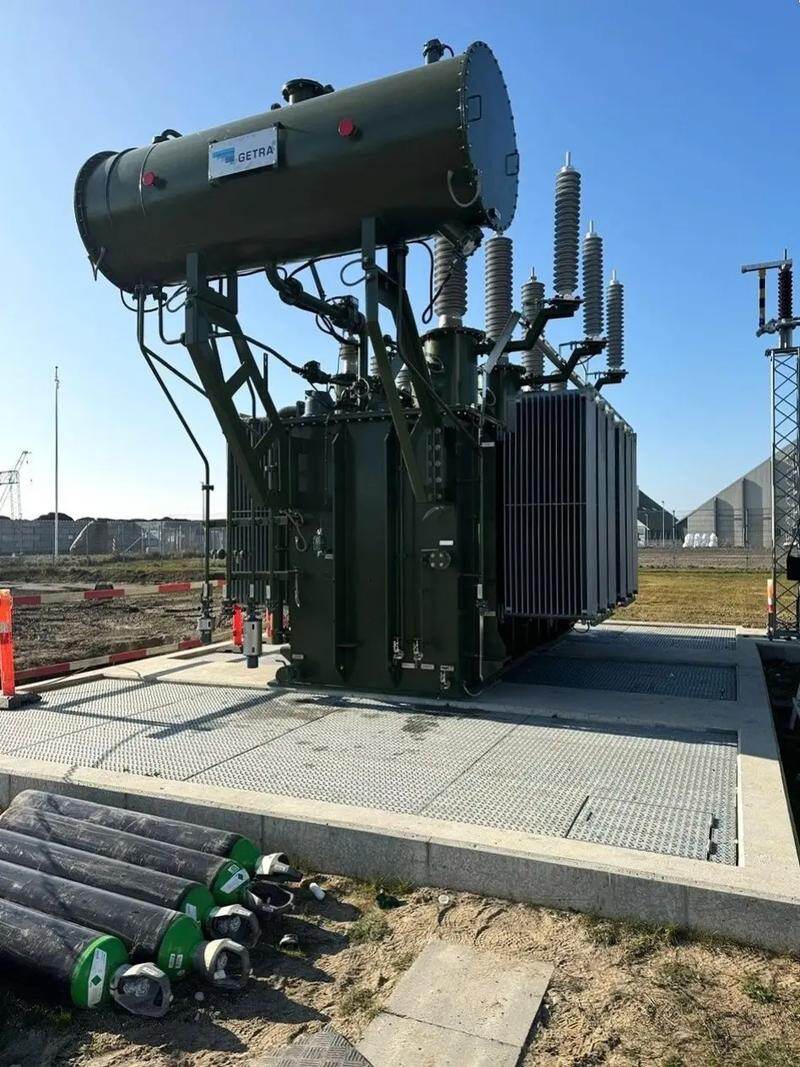
This' hard currency 'status even makes geopolitics appear somewhat awkward. Although the United States has imposed high tariffs on Chinese transformers, there is a domestic production capacity gap of over 30%, forcing companies to purchase through third-party channels or even bear tariffs to buy. Europe is facing pressure to upgrade its power grid, with Germany, Spain, and other places even facing the risk of negative electricity prices due to transformer shortages that prevent wind power from being connected to the grid. Keywords: transformer, international export
The global popularity of Chinese transformers is not only a victory of scale advantage, but also an inevitable result of long-term accumulation of core technologies such as ultra-high voltage and new materials.Editor/Cheng Liting
Comment





 Praise
 Collect
 Comment

 Share
Share


Write something~