 Search


- Central and local state-owned enterprises join hands to solve the problem of resource and load mismatch
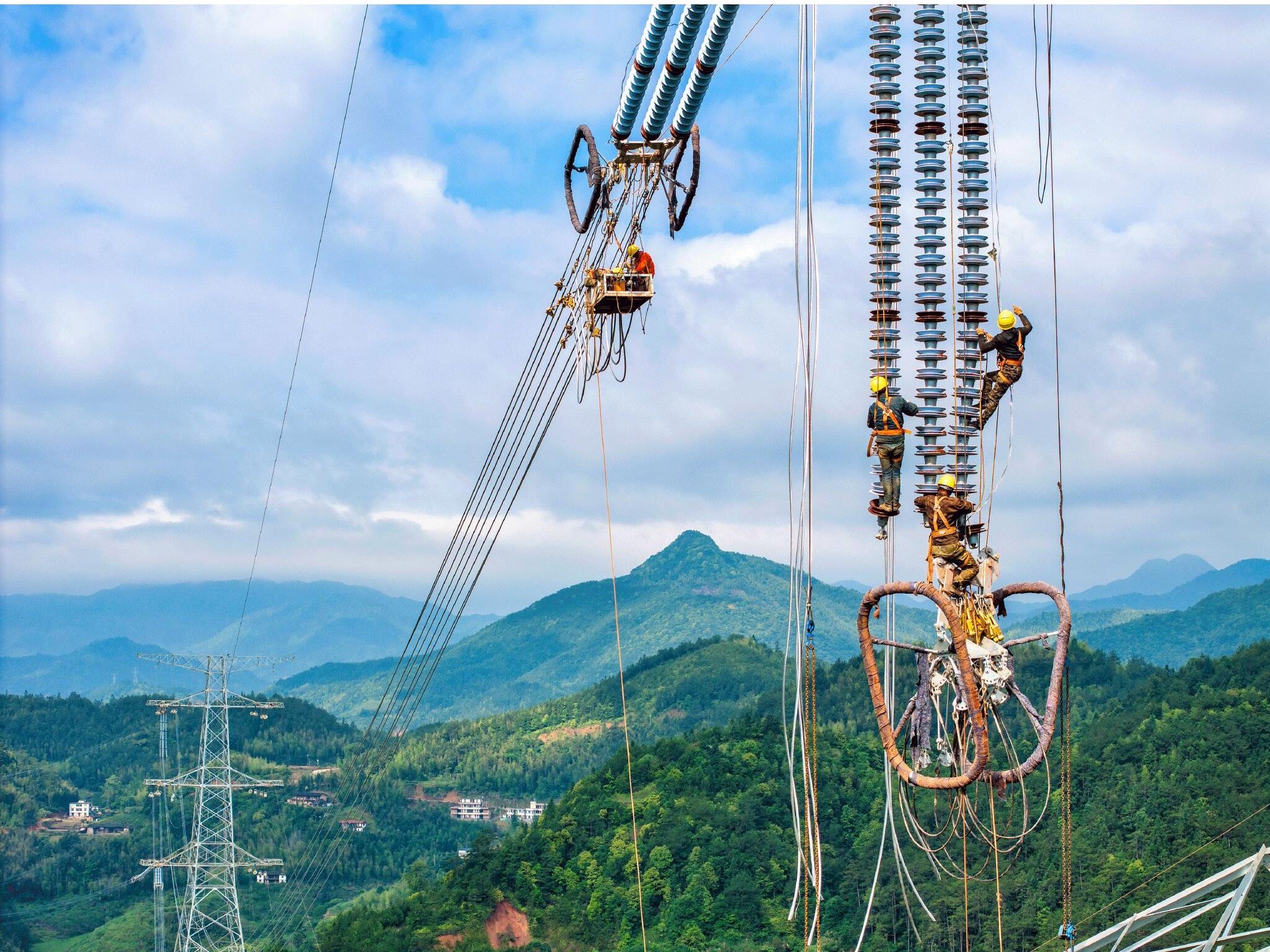
On March 11, 2026, a signing ceremony related to the national energy layout was quietly held at the headquarters of Inner Mongolia Electric Power Group. With the solemn signing of the agreement by representatives of Inner Mongolia Power Group and State Grid Corporation of China, the Dalat Mengxi 1000 kV AC transmission and transformation project with a total investment of 4.374 billion yuan has officially entered the substantive promotion stage. This is not only a simple signing, but also a breakthrough move in the deep water area of China's energy structure transformation.
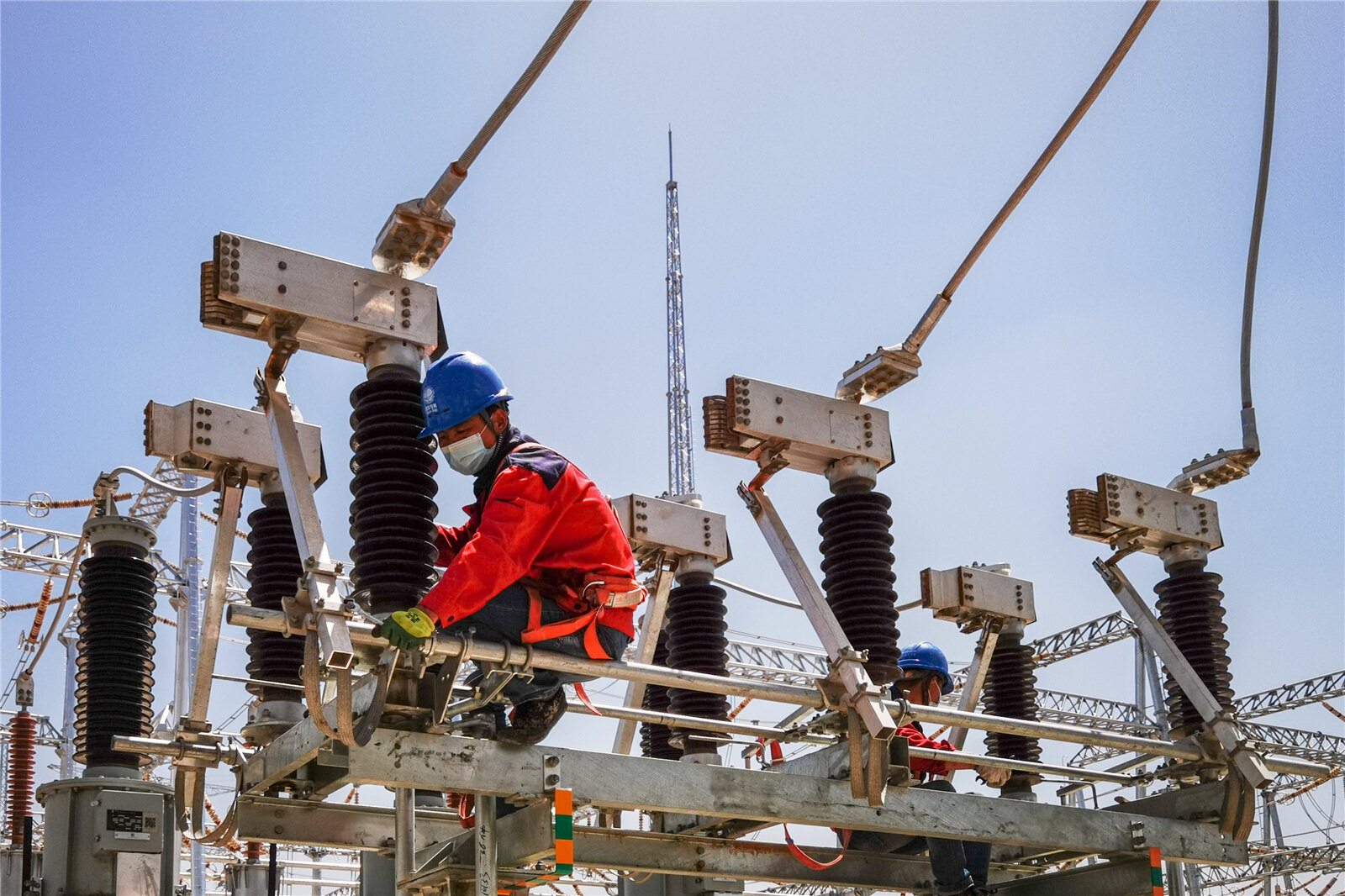
Connect the last kilometer of green power transmission
Inner Mongolia is rich in wind and solar energy resources and is the core area of China's Shagehuang New Energy Base. However, local consumption capacity is limited, and a large amount of clean electricity cannot be efficiently transmitted to power load centers such as Beijing Tianjin Hebei. At the same time, the North China region has long faced a power shortage, and there is an urgent need to increase the proportion of green electricity. The spatial mismatch between resources and electricity demand has always been a bottleneck in energy transformation.
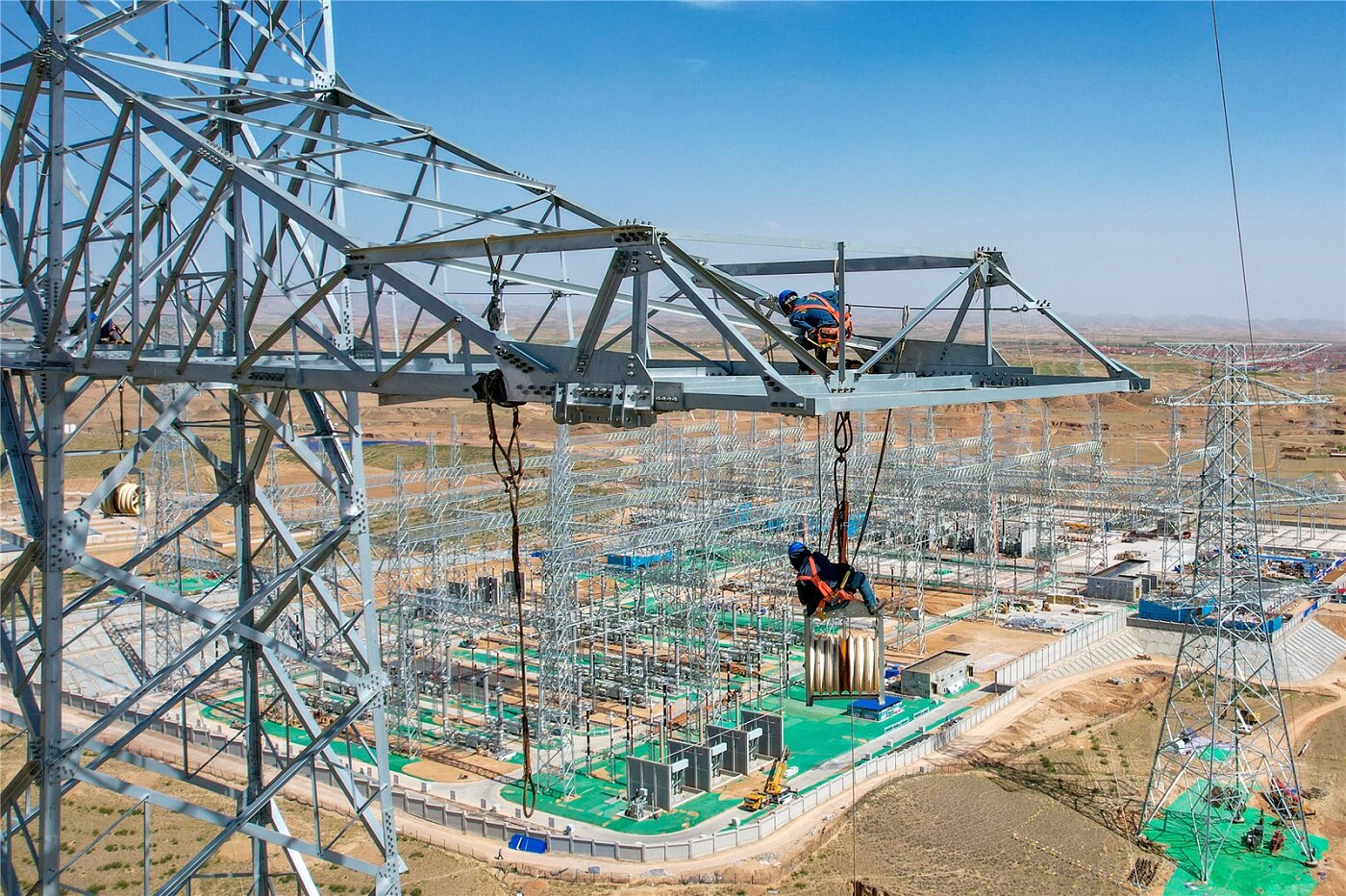
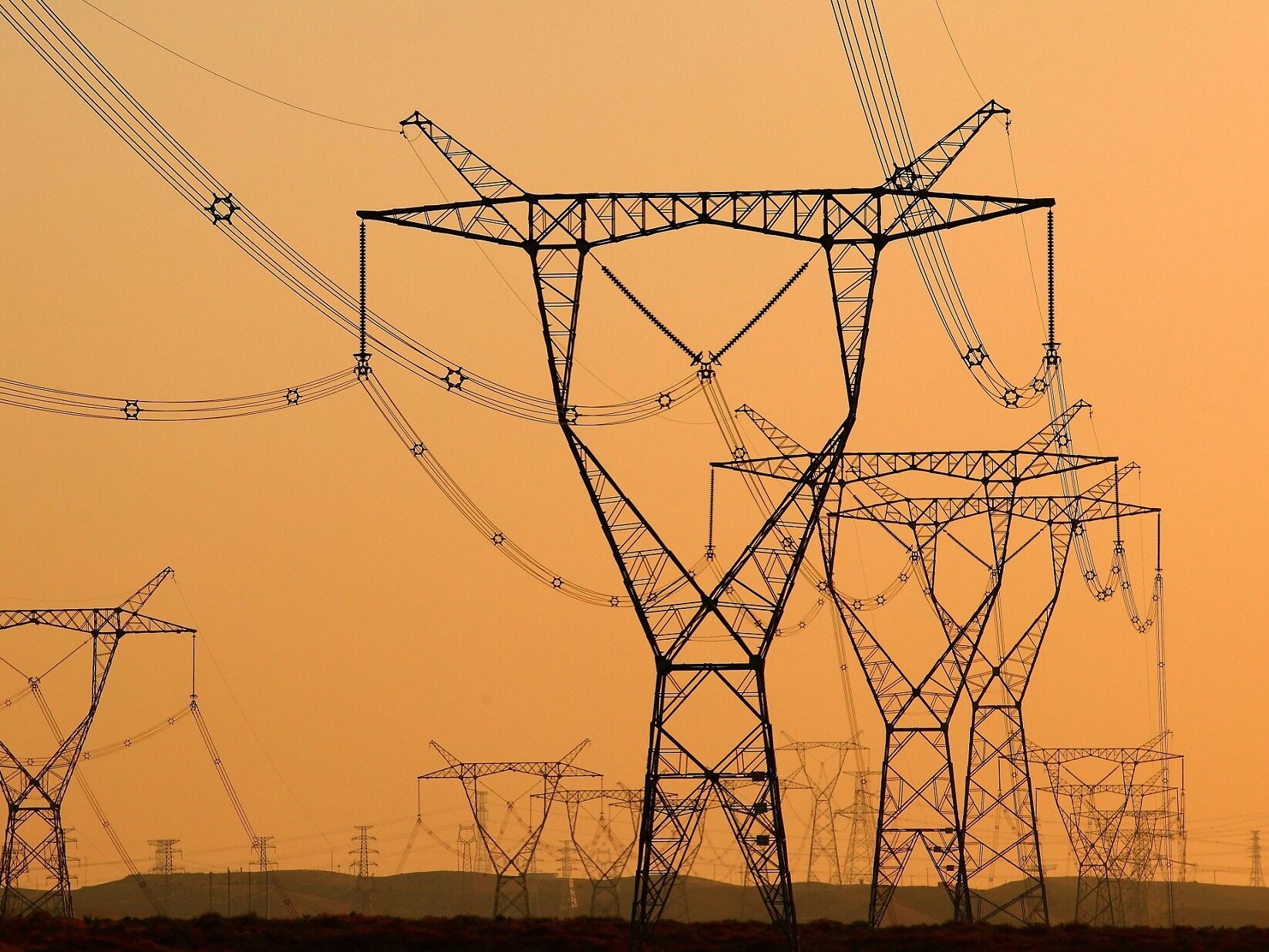
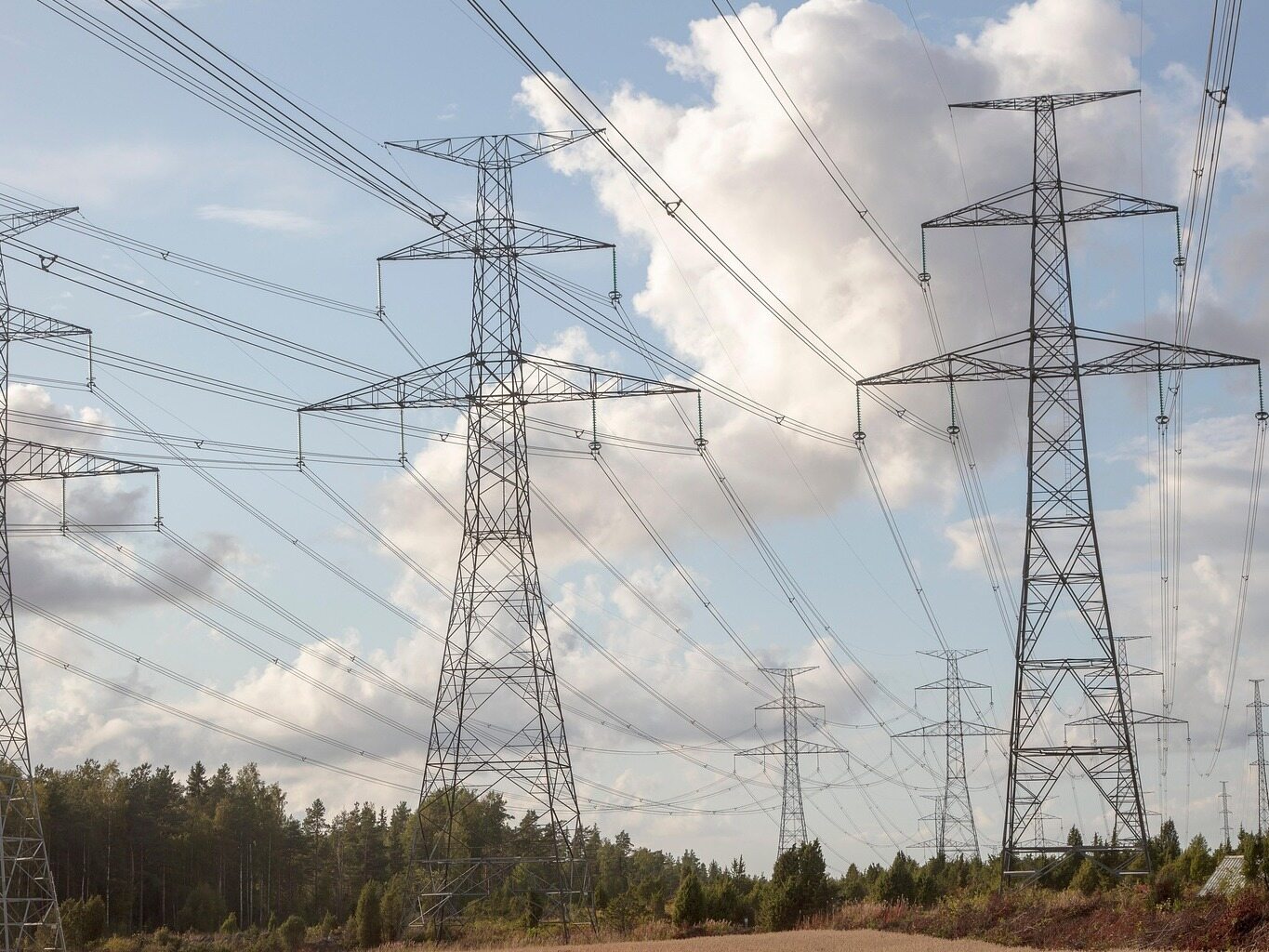
The Dalat Mengxi 1000 kV project is the "electric highway" that breaks through this bottleneck. As the core supporting project of the Mengxi Beijing Tianjin Hebei ± 800 kV high-voltage direct current project, the project is planned to start construction in April this year and be completed and put into operation in 2027. At that time, it will build a double circuit 1000 kV transmission line with a total length of nearly 250 kilometers, and synchronously construct a large substation to stably supply Inner Mongolia's wind, solar and green power to the North China ultra-high voltage power grid.
A new paradigm of central local collaborative construction and management
This cooperation has created a new model of central local collaborative construction and management for ultra-high voltage engineering. According to the agreement, the project is funded and constructed by State Grid Corporation of China, with Inner Mongolia Electric Power Group responsible for on-site construction management, and State Grid Ultra High Voltage Company providing comprehensive support in terms of technology, cost, and other aspects throughout the process. This division of labor model is not simply a division of rights and responsibilities, but fully leverages the technological advantages of central enterprises and the territorial coordination advantages of local enterprises, achieving a dual guarantee of efficiency and quality.
The relevant person in charge of State Grid Corporation of China stated that during the 15th Five Year Plan period, the scale of China's ultra-high voltage construction will continue to expand, and Inner Mongolia will become the core main battlefield. The cooperation model between the two parties has provided replicable experience for a large number of ultra-high voltage projects in the future. Inner Mongolia Electric Power Group has also made it clear that it will prioritize this project, fully advance the preliminary procedures, strictly control quality and safety, ensure synchronous operation with the power supply side, and avoid the problem of disconnection between the power grid and the grid.
The Deep Logic of Energy Strategy
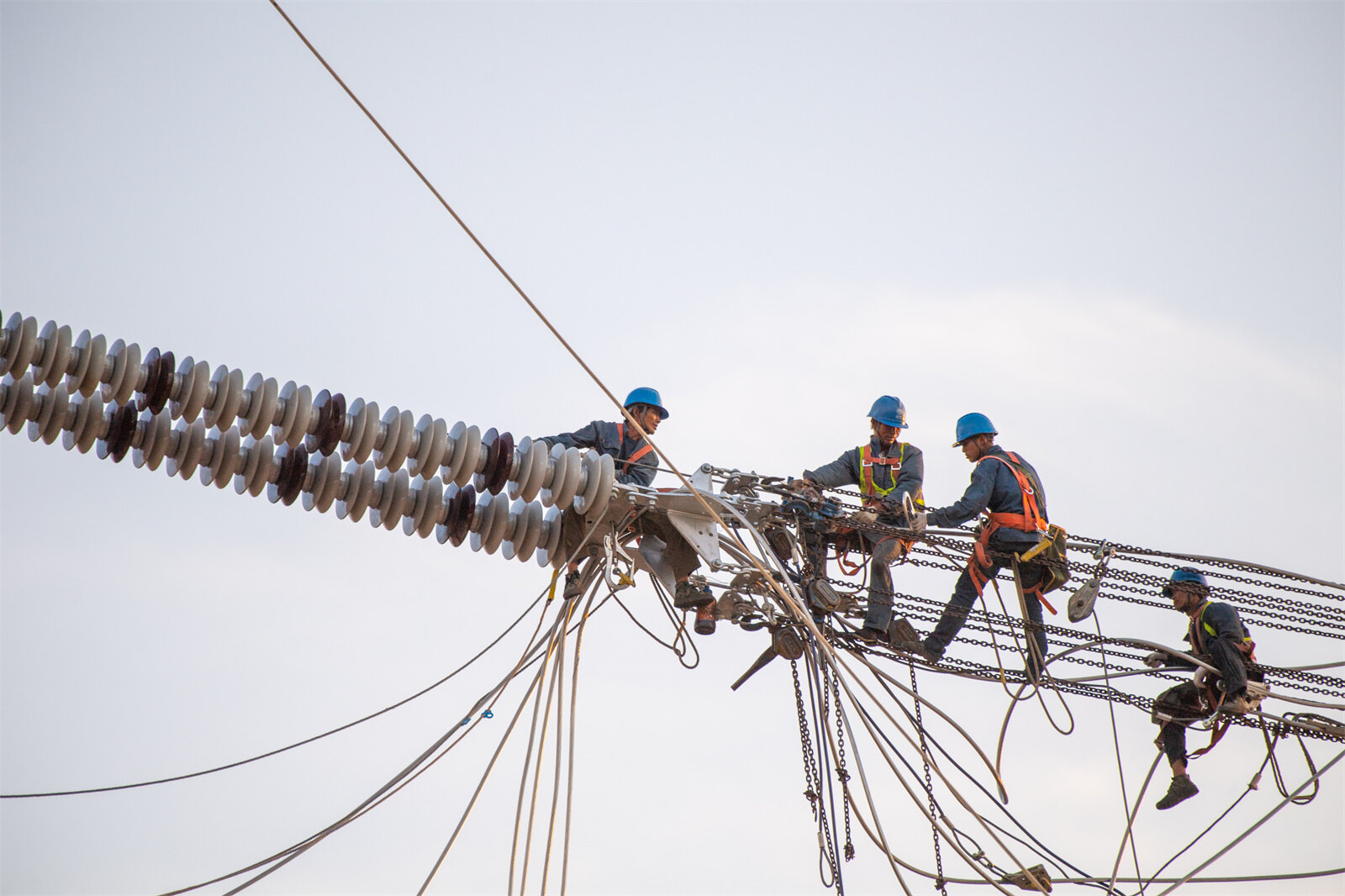
At present, China's energy transformation has entered a deep water zone. As the core carrier of energy allocation, the ultra-high voltage power grid is no longer simply infrastructure construction, but a strategic project to ensure national energy security, promote the implementation of dual carbon goals, and promote regional coordinated development.
This signing marks the beginning of Inner Mongolia's ultra-high voltage construction during the 15th Five Year Plan period. In the future, with the implementation of a batch of "Six Connections and Six Direct" projects, Inner Mongolia will truly become the core hub for national energy export, and green electricity from the west will be continuously transmitted to all parts of the country, achieving the optimal allocation of energy resources nationwide. This not only transforms Inner Mongolia's resource advantages into economic advantages, but also provides hard core support for reducing carbon dioxide emissions and optimizing energy structure in the Beijing Tianjin Hebei region.Editor/Yang Meiling
Comment




 Praise
 Collect
 Comment

 Share
Share


Write something~