 Search


- This move aims to build a nationwide technology ecosystem and promote governance reform and innovation
At a technology summit in Islamabad, Pakistani Prime Minister Shahbaz Sharif announced an ambitious plan: the government will invest $1 billion in the field of artificial intelligence by 2030. This decision marks Pakistan's transition from traditional infrastructure to digital infrastructure, attempting to seize the opportunity of the Fourth Industrial Revolution and reshape the country's economic structure.
From hard connectivity to soft connectivity
The core of the 2.0 phase of the China Pakistan Economic Corridor is to shift from the "hard connectivity" of infrastructure to the "soft connectivity" of industry and digital. Dr. Nadim Javid, President of the Pakistan Institute for Development Economics (PIDE), stated that the AI fund will help promote governance reform, drive innovation, and create development opportunities for the youth, who make up 63% of Pakistan's total population.
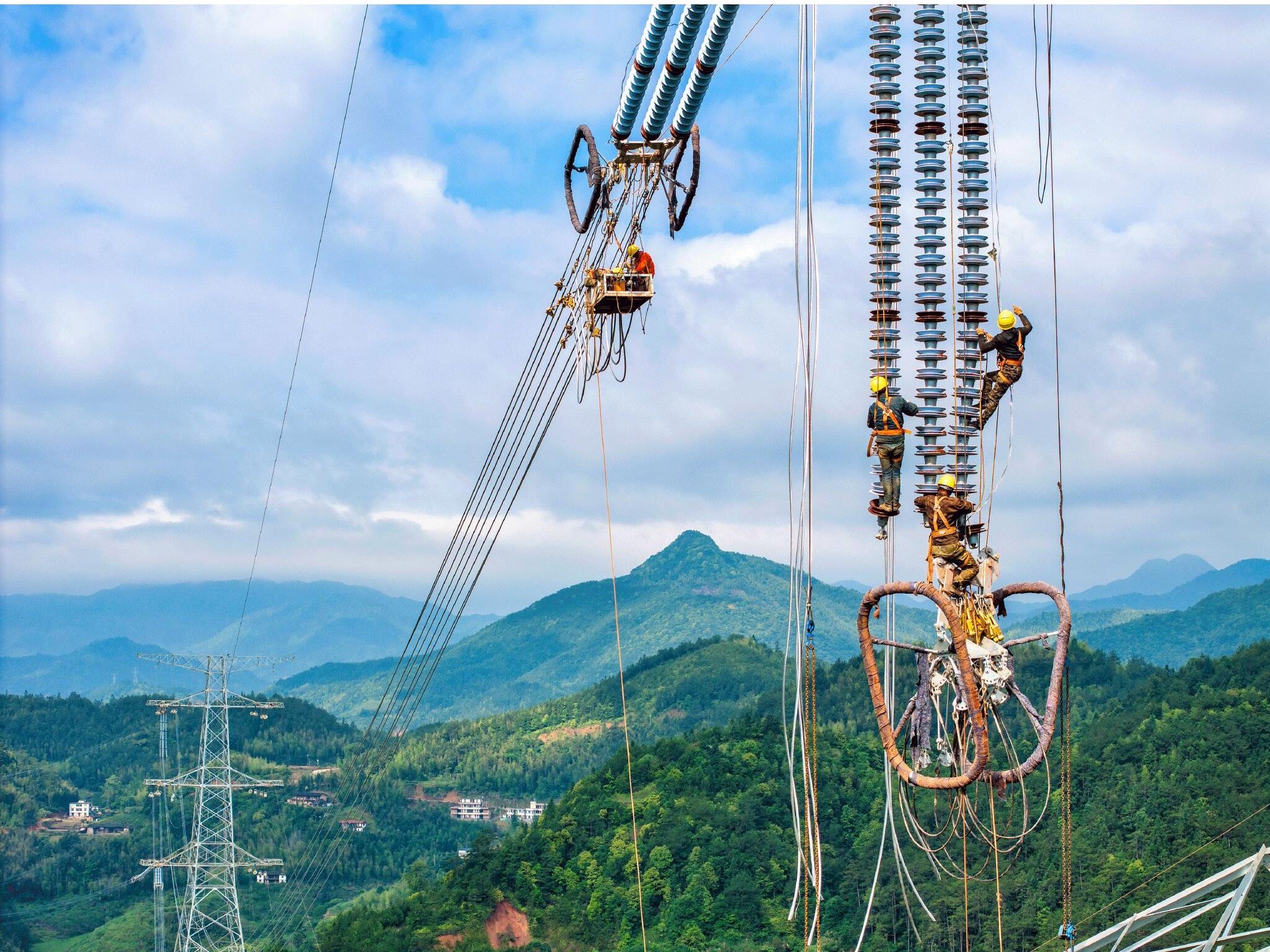
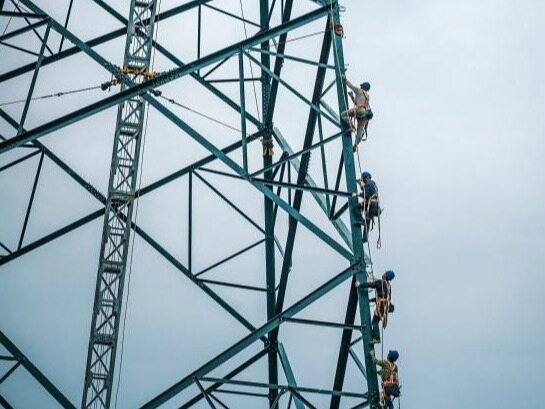
This transformation is not carried out in isolation. Pakistan is actively promoting the expansion of the China Pakistan Economic Corridor towards the digital economy, such as the release of the China Pakistan Mining Cloud Mining Platform, which aims to build a digital service system through cross-border e-commerce models. This transition from "road construction" to "network building" is a crucial step in upgrading Pakistan's economic structure.
Cultivate millions of AI talents
The project aims to build a national technology ecosystem, including offering artificial intelligence courses in federally administered schools, providing 1000 fully funded doctoral scholarships by 2030, and providing artificial intelligence skills training for one million non information technology industry practitioners to improve production efficiency and people's livelihoods.
This talent strategy is not only aimed at IT elites, but also emphasizes inclusiveness. By training non IT practitioners, Pakistan hopes to apply AI technology to traditional industries such as agriculture, healthcare, and mining, achieving a deep integration of "AI+traditional industries" and improving overall production efficiency.
Resonance with the 'Soaring Pakistan' program
Dr. Javid emphasized that the various measures under the China Pakistan Economic Corridor 2.0 framework are highly compatible with Pakistan's Soaring Pakistan Development Plan, jointly promoting export growth, energy inclusiveness, efficiency improvement, and environmental sustainability.
The Soaring Pakistan Plan is Pakistan's national economic transformation plan aimed at achieving economic takeoff through export-oriented growth. The injection of artificial intelligence funds will provide technical support for this plan, especially playing a key role in enhancing the added value of export products and optimizing energy management. This dual wheel drive model of "policy+technology" is expected to inject new vitality into the Pakistani economy.Editor/Yang Meiling
Comment



 Praise
 Collect
 Comment

 Share
Share


Write something~