 Search


- Nigeria's 2026 budget plans to invest over 240 billion naira, with a focus on railway infrastructure construction and maintenance
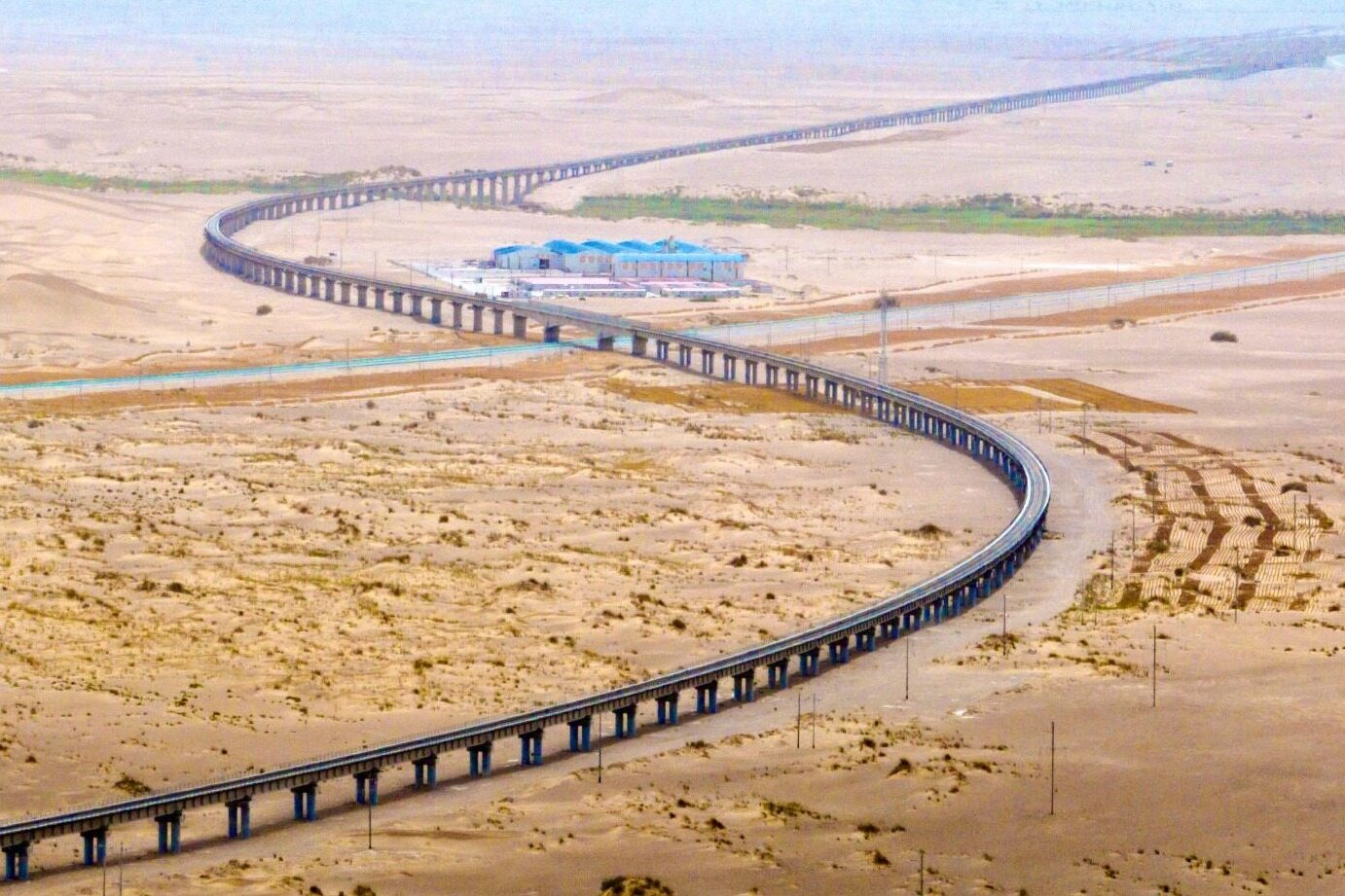
In 2026, Nigeria's transportation development blueprint is facing a critical injection of funds. According to the latest released federal budget, the Nigerian government plans to invest over 240 billion naira (approximately 169 million US dollars) in railway and related projects this year. This budget not only highlights the core position of railways in national infrastructure and logistics strategies, but also indicates that Nigeria, especially its economic center Lagos, is accelerating towards a new stage of modern development with rail transit as its artery.
Consolidate assets and promote new cities
This budget of over 240 billion naira is not just a 'pepper spray', but has a clear strategic focus. The funds mainly flow into three major sectors: the Nigerian National Railways Corporation, the modernization project of the Federal Ministry of Transport, and the urban rail transit project represented by the Lagos Green Line. Among them, the NRC received 34.24 billion naira in funding, of which 11.65 billion naira were designated as capital expenditures, primarily for the procurement of new trains and systematic maintenance of existing lines (including railway repairs, track bridge repairs, etc.), aimed at ensuring the safe and efficient operation of the existing railway network. This reflects the government's pragmatic approach of "consolidating existing assets".
Lagos Green Line Acceleration
Among numerous projects, the Lagos Green Line Phase I project is undoubtedly the most dazzling star in this budget. The Nigerian government has allocated an annual matching fund of up to 1023 billion naira for this project. It is worth noting that the project has received a federal support of 146.14 billion naira in the 2025 budget. Such continuous and high-intensity funding support highlights the government's high attention to this 70 kilometer long and 17 station urban rail transit artery. The total investment of this project is about 3 billion US dollars, and it will be implemented by China Harbour using the "investment construction operation" model. The goal is to connect the coastal station with the Lequi Free Trade Zone, greatly alleviating the traffic pressure on Lagos, an African metropolis. Keywords: latest traffic news, latest traffic reports
Preparing for the Future Railway
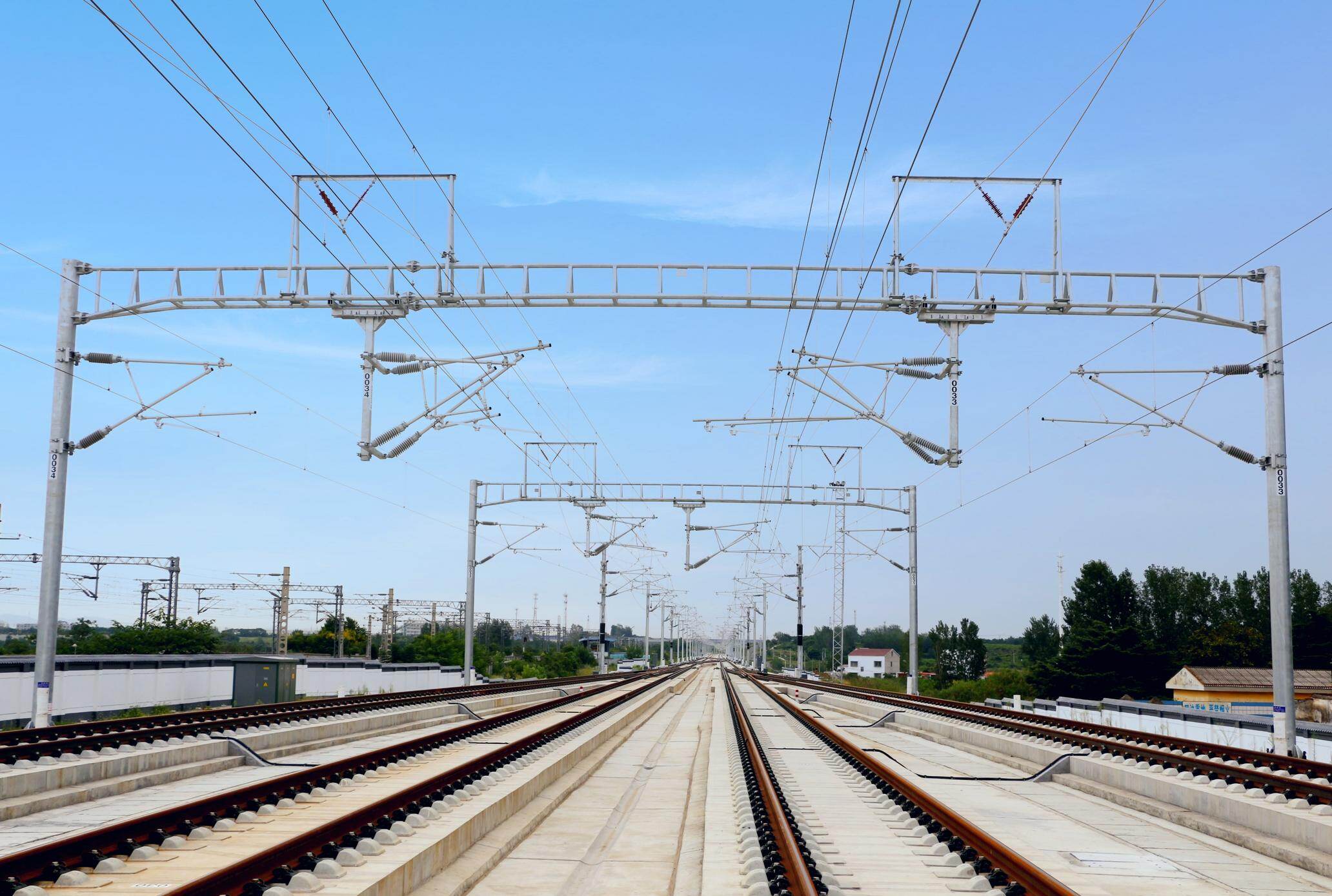
In addition to ensuring current and ongoing projects, Nigeria's railway budget for 2026 also reflects a clear strategic foresight. The government has allocated a special fund of 68.5 billion naira for consulting and preliminary research work on several proposed railway lines, including the Lequi Ijebuode, Ore Cachora, and coastal railways. This investment marks the Nigerian government's high attention to the preliminary preparation work such as feasibility study and financing structure design of the project. This indicates that the government's strategy is to make sufficient and professional preparations for the new generation of large-scale railway projects that may introduce social capital to participate in construction in the future, while consolidating the current foundation, rather than blindly opening up new stalls. This series of arrangements together outline a robust and visionary roadmap for the development of Nigeria's railways.Editor/Gao Xue
Comment

 Praise
 Collect
 Comment

 Share
Share


Write something~