 Search


- Xinjiang's foreign trade achieves historic leap during the 14th Five Year Plan period
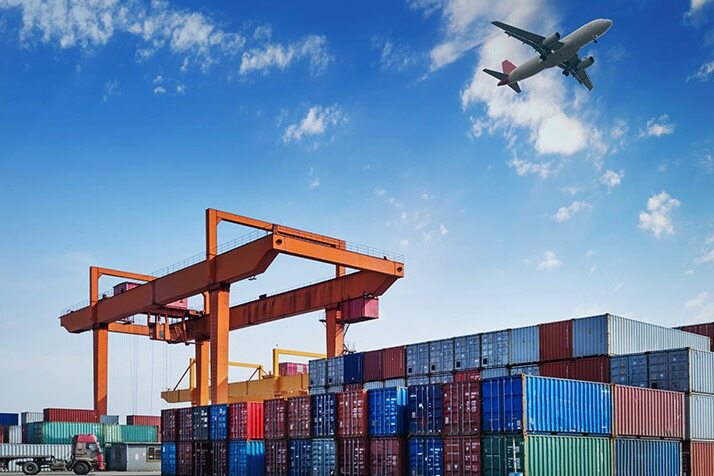
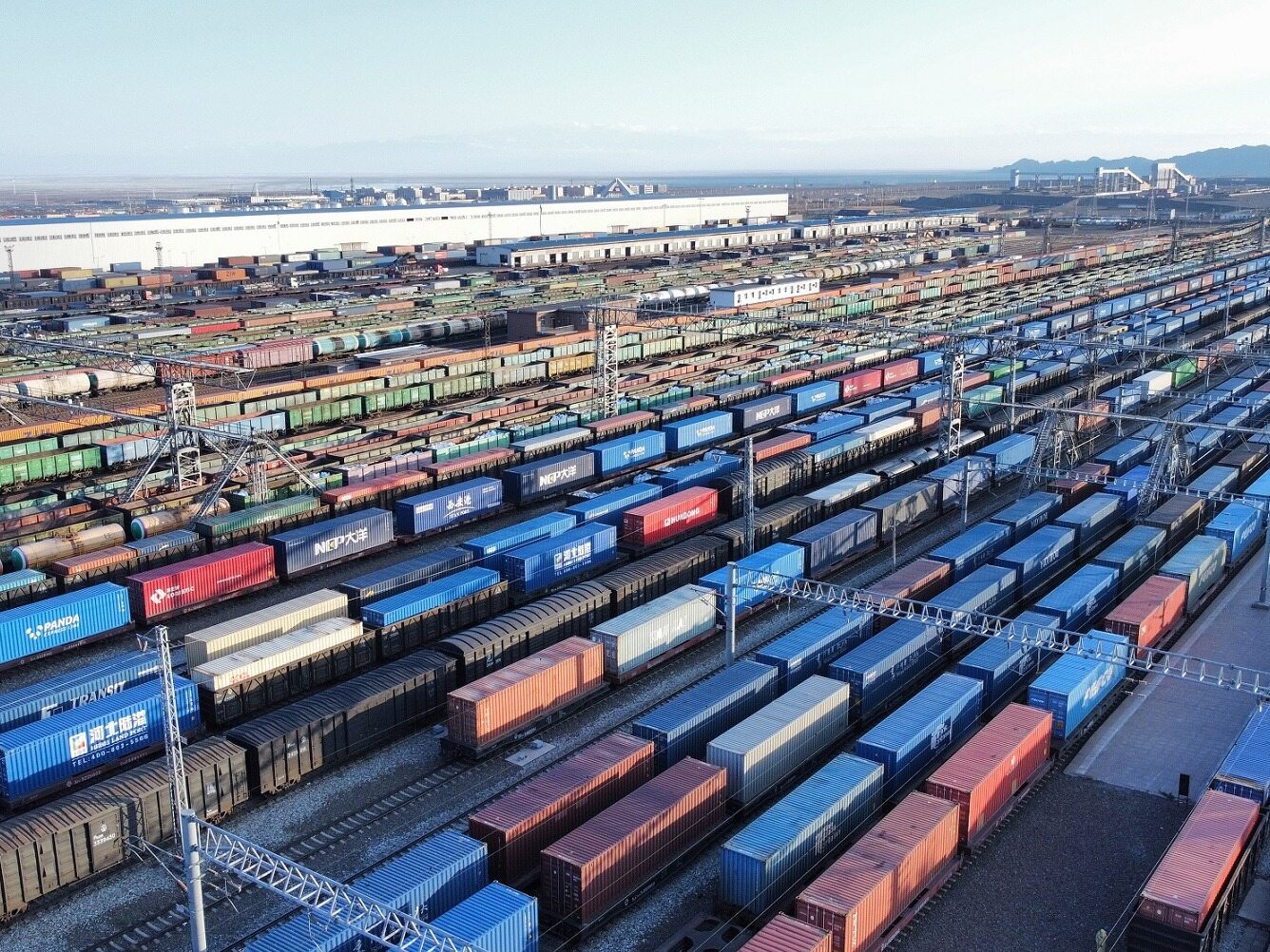
In winter in Urumqi, the whistle of the China Europe freight train rang out, and the train loaded with goods sailed from the Alashankou port to Central Asia and Europe. In the Kashgar area of Xinjiang Pilot Free Trade Zone, Wang Ming, the head of a cross-border e-commerce enterprise, is busy processing orders from Europe. Nowadays, the clearance time has been significantly reduced, and 24-hour clearance has doubled our cargo turnover efficiency, "said Wang Ming. In the past five years, he has witnessed the leapfrog development of Xinjiang's foreign trade.
Historic breakthrough in foreign trade scale
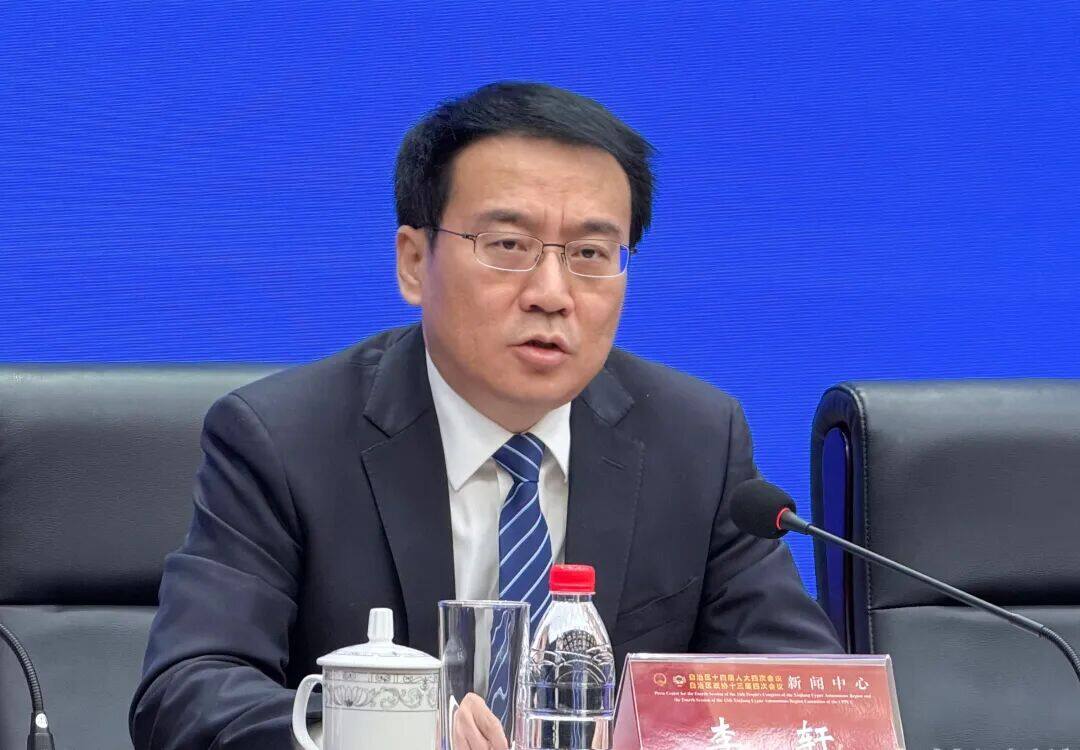
During the 14th Five Year Plan period, Xinjiang's foreign trade achieved an impressive result. Li Xuan, Secretary of the Party Group and Deputy Director of the Department of Commerce of the Autonomous Region, introduced at a press conference on January 28 that the total import and export volume of Xinjiang's foreign trade has continuously surpassed four hundred billion level thresholds of 200 billion yuan, 300 billion yuan, 400 billion yuan, and 500 billion yuan, achieving a "four consecutive jumps". By 2025, the total import and export volume of Xinjiang will reach 520.37 billion yuan, a year-on-year increase of 19.9%, and the development of opening up to the outside world will reach a new level.
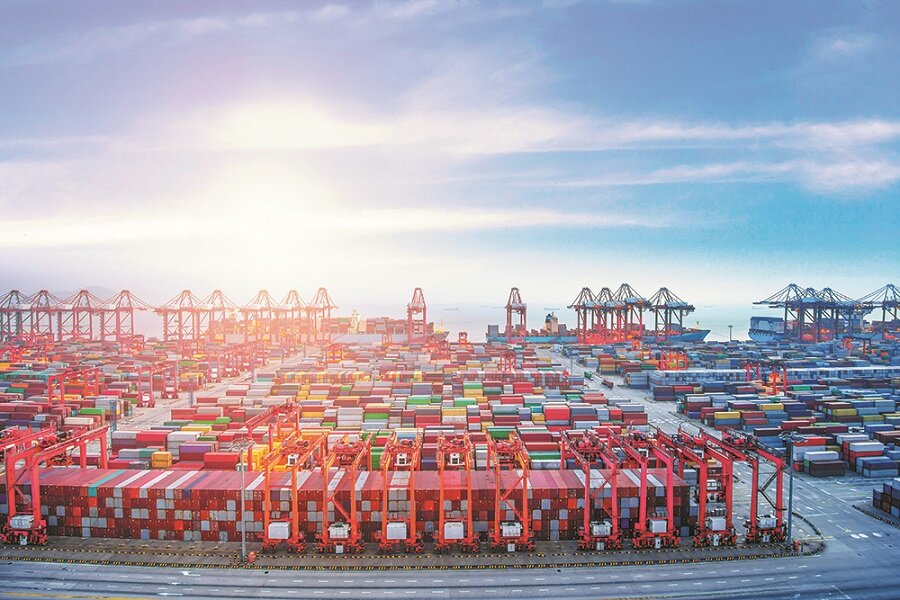
Behind this achievement is the deep integration of trade and industry. In the past five years, Xinjiang has actively undertaken the transfer of industries from the eastern and central regions, and made every effort to attract investment. A large number of export-oriented and outward oriented industrial projects have successively settled in or are about to land. The new forms of foreign trade, such as global bonded maintenance of aircraft, cross-border e-commerce and overseas warehouses, and market procurement, are flourishing, promoting the continuous optimization of trade structure and the increasingly prominent trend of coordinated development between industry and trade.
Pilot free trade zones become the core engine
The construction of open platforms is an important support for the rapid development of foreign trade in Xinjiang. During the "14th Five Year Plan" period, Xinjiang has formed a multi-level and three-dimensional open platform matrix led by China (Xinjiang) Pilot Free Trade Zone and supported by Kashgar, Khorgos National Economic Development Zone, etc.
As the core carrier of Xinjiang's institutional opening-up, the 129 reform measures implemented in the Xinjiang Pilot Free Trade Zone have continued to yield results. By 2025, the import and export volume of the pilot free trade zone will account for over 40% of the total in Xinjiang, becoming the core engine driving the high-quality development of Xinjiang's foreign trade. Li Xuan stated that Xinjiang is accelerating the construction of an outward oriented characteristic industrial system that drives investment through trade and promotes trade through investment, promoting the transformation of economic development from a "channel economy" to a "hub economy" and "industrial economy".
Smooth channel+optimized environment
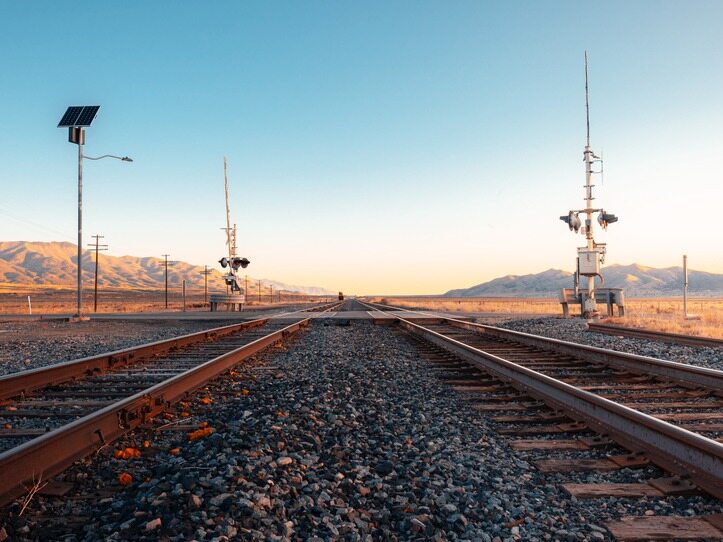
The continuous upgrading of interconnectivity has laid a solid foundation for the rapid development of foreign trade in Xinjiang. Xinjiang fully leverages its unique geographical advantages of "five ports connecting eight countries and one road connecting Europe and Asia" to create a golden channel between Asia and Europe and a gateway for opening up to the west. Among them, more than half of China Europe (Asia) regular trains leave Xinjiang, and major highway ports such as Alataw Pass and Khorgos have achieved 24-hour customs clearance. The country's first "smart railway port+territory fast customs clearance" model has significantly reduced customs clearance time.
Air transportation also performed outstandingly. Urumqi Tianshan International Airport has 37 international cargo routes, connecting 36 cities in 22 countries and regions. By 2025, the air cargo volume will increase by 152.2% year-on-year. In the past five years, the average annual growth rate of import and export freight volume at Xinjiang ports has been 7.8%, and the international logistics network linked by land and air has become increasingly perfect.

The continuous optimization of the international business environment is an important guarantee for improving the quality and efficiency of Xinjiang's foreign trade. Xinjiang has issued regulations to promote the development of port economy, and has also introduced a series of policy measures to promote innovative development in goods trade, service trade, and digital trade, providing a sound institutional support for the development of foreign trade. At the same time, Xinjiang has established a comprehensive service system that integrates government, industry associations, professional organizations, and enterprises, accurately solving the pain points and difficulties in the development of foreign trade enterprises, and continuously cultivating and strengthening business entities.
Based on the achievements of the 14th Five Year Plan, the future direction of Xinjiang's foreign trade development has become clear. Li Xuan said that in the next step, Xinjiang will continue to rely on the regional advantages of the core area of the the Belt and Road, accelerate the transformation to the dual wheel drive model of "institutional opening" and "trade and investment integration", continue to strengthen the open platform, open international channels, optimize the business environment, cultivate characteristic industries, promote the high-quality development of Xinjiang's foreign trade with steady growth in scale, rich and diversified subjects, and continuous optimization in structure, and contribute Xinjiang's strength to the high-quality development of the joint construction of the the Belt and Road.Editor/Yang Meiling
Comment



 Praise
 Collect
 Comment

 Share
Share


Write something~