 Search


- An energy breakthrough battle to dispel darkness has officially begun in Badghis Province, northwest Afghanistan
- The roadmap for the cross-border transmission artery of Turkey Afghanistan Pakistan has been formulated and is about to enter the substantive promotion stage
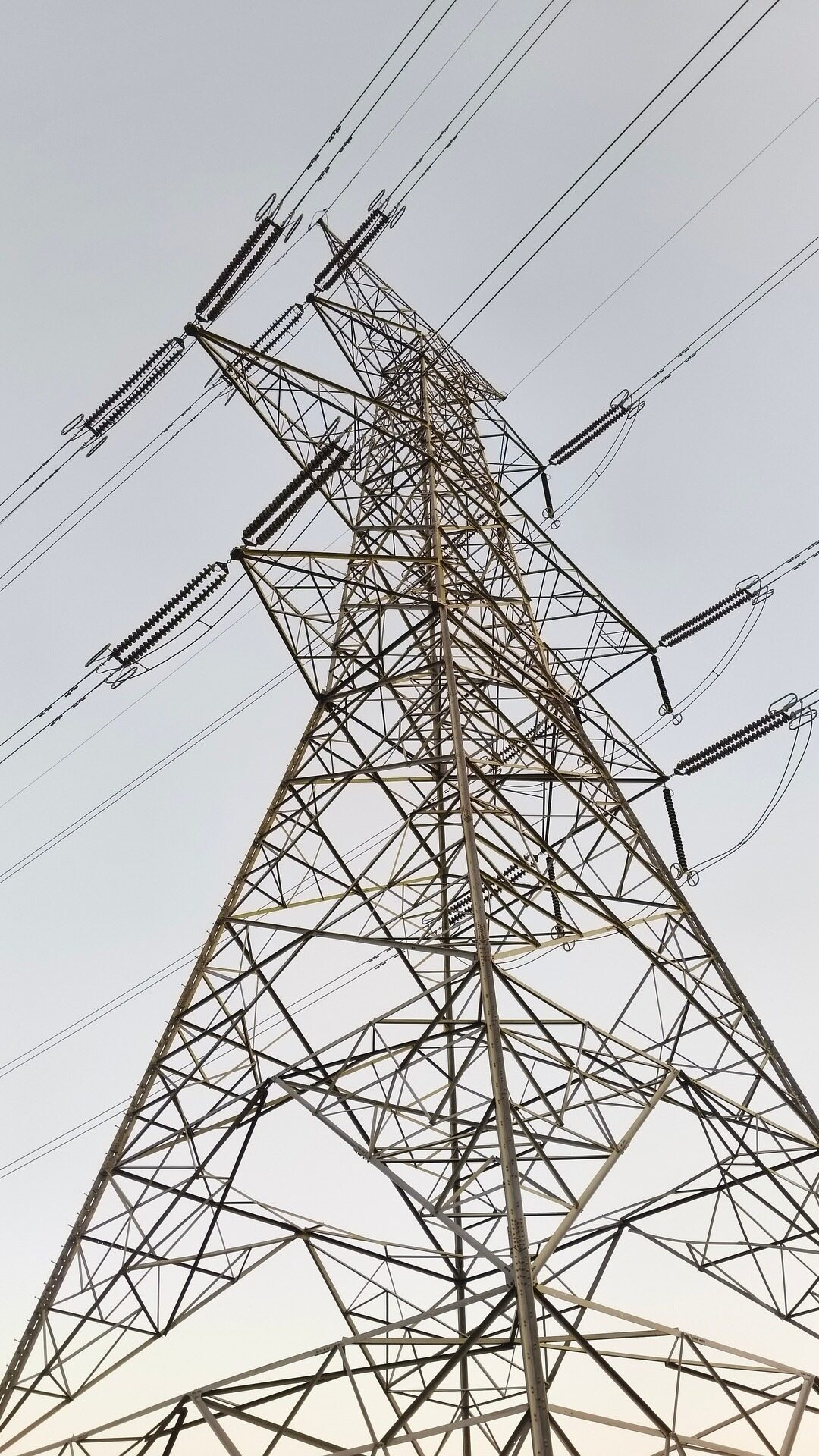
The power grid construction project has officially started in the Badghis Sang-e-Atash area of Badghis Province in northwestern Afghanistan, with plans to connect 21 villages scattered in remote areas to the national grid. This is not only the laying of infrastructure, but also a crucial step for about 7000 households in the area to bid farewell to the "no electricity era" and embrace modern civilization.
Say goodbye to the 'power island'
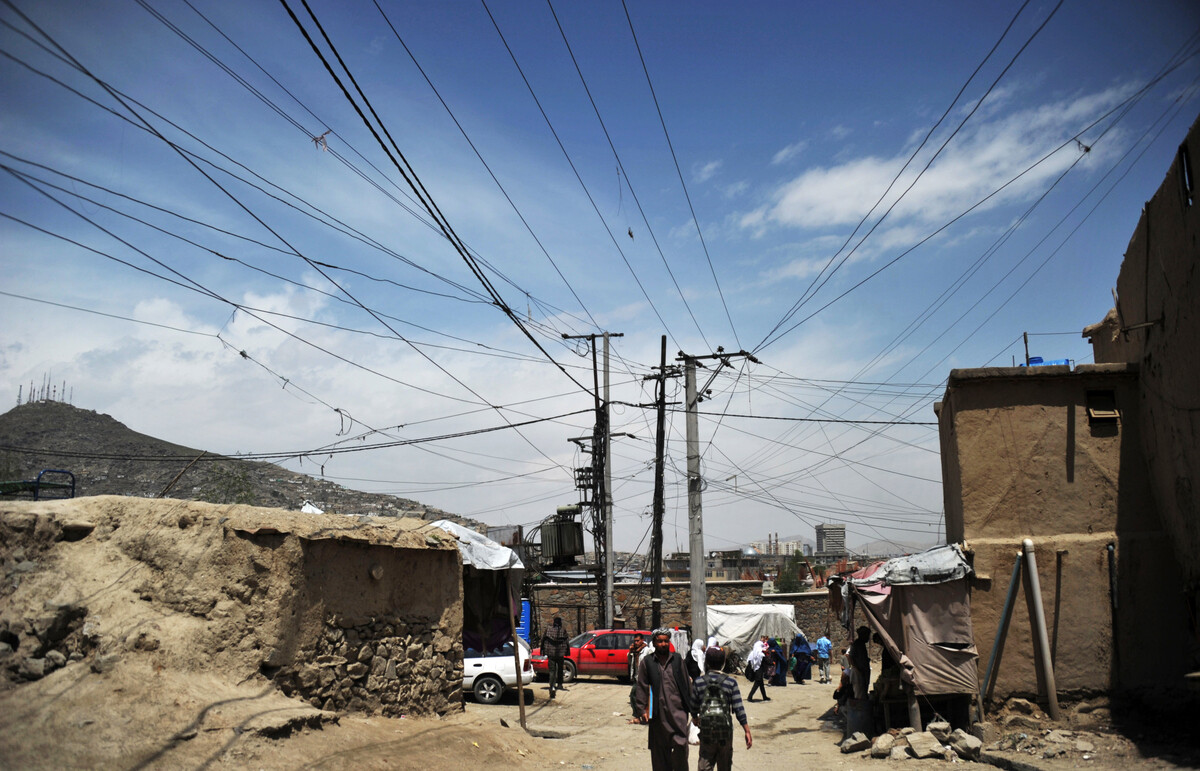
For residents in the Sange Atash region, electricity shortage was once the biggest bottleneck restricting their survival and development. For a long time, due to its remote geographical location, complex security situation, and weak infrastructure, the region has been an "isolated island" that is difficult for State Grid to reach. Residents have to rely on expensive diesel generators to maintain basic lighting, or fall into pitch black at night. This situation not only makes it difficult to provide public services such as healthcare and education, but also makes it impossible for small-scale businesses to start.
The project, led by the well-known Afghan power company Breshna Sherkat, has a total investment of 2 million US dollars. This funding will be converted into tangible changes in the next 5 months: building new transmission lines, installing transformers, and supporting facilities. After the completion of the project, it is expected to directly benefit about 7000 households.
Data support and case comparison
According to a previous report released by the World Bank, the electrification rate in rural areas of Afghanistan has been hovering around 30% for a long time, and in remote provinces like Badghis, this figure is often below 10%. Similar microgrid access projects have had successful precedents in neighboring Pakistan's Balochistan province - in 2022, Pakistan increased local handicraft output by 18% within a year through a similar "last mile" power grid extension project in the region.
For Afghanistan, stable power supply means that traditional industries such as carpet weaving and agricultural product processing will be freed from power constraints and directly transformed into increased household income.
TAP transmission project breaks down regional energy barriers
If the Sanger Atash project is a breakthrough at the "point", then the upcoming Turkey Afghanistan Pakistan TAP transmission line project is a grand vision on the "line".
Abdul Bari Omar, the head of the Afghan National Electricity Company's DABS, recently revealed that the roadmap for the TAP transmission line project has been completed and will be submitted to Turkmenistan for review. This marks that this multinational energy artery is only one step away from substantial construction.
Strategic significance and perspective analysis:
The TAP project is not just a power line, it is a golden corridor connecting the energy rich regions of Central Asia with the energy consumption markets of South Asia.
Energy complementarity: Turkmenistan has abundant natural gas and electricity resources, while Afghanistan and Pakistan face severe energy shortages. The TAP line is designed to have a transmission capacity of up to 1300 megawatts, and once completed, it will completely change Afghanistan's embarrassing situation of "passing through without electricity".
Economic leverage: For Afghanistan, participating in the TAP project not only solves its own electricity needs, but also generates stable fiscal revenue through the collection of transit fees. According to the Asian Development Bank's estimation, just transit fees alone can increase Afghanistan's annual income by tens of millions of dollars, which is crucial for the fragile wartime economy of the Afghan government.
Geopolitics: This project aims to elevate Afghanistan from a mere geographical gateway to an energy hub, facilitating its integration into the regional economic integration process.
The Last Mile from Blueprint to Reality
hidden danger. Despite the bright future, we must soberly recognize that implementing large-scale infrastructure projects in Afghanistan faces triple challenges of security, funding, and technological maintenance.
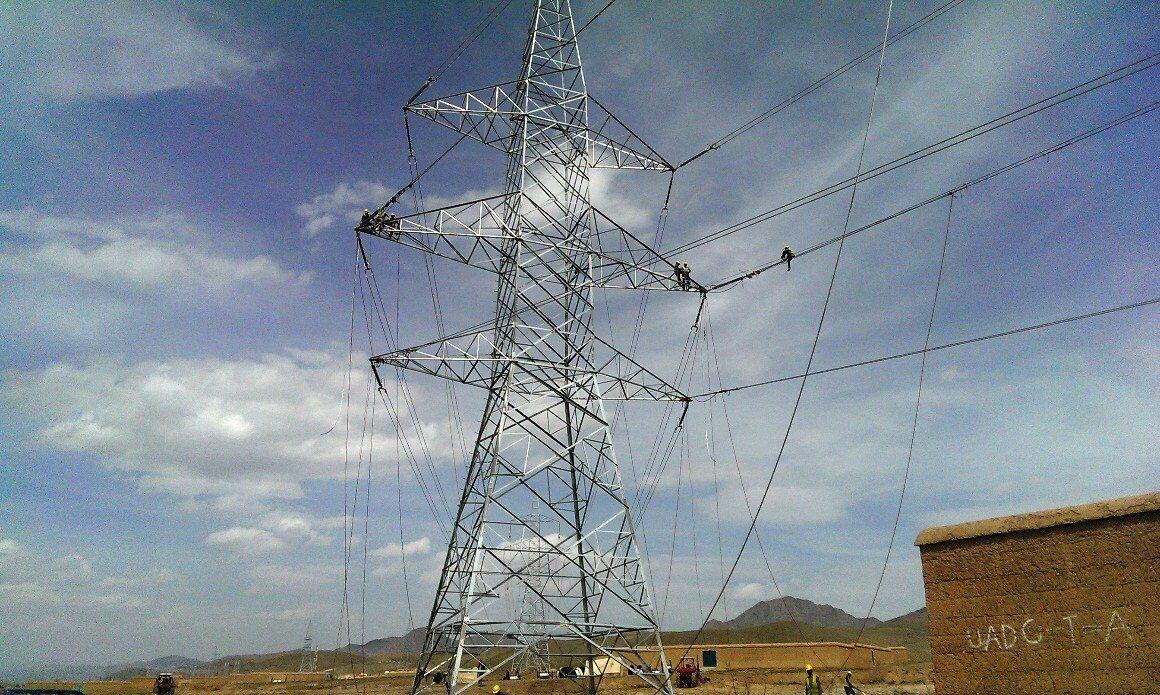
The security situation in the Sange Atash region and the areas along the TAP line remains severe. Previously, there have been multiple incidents where transmission towers were destroyed, resulting in widespread power outages. How to ensure the safety of construction personnel and prevent damage to facilities is the primary challenge faced by Breshna Sherkat company.
Funding and maintenance. The initial investment of $2 million is just the beginning, and the subsequent line maintenance, electricity theft management, and electricity fee recovery (the electricity fee recovery rate of Afghanistan Power Company has always been a pain point) will determine the sustainability of the project.
Technological dependence. At present, there is a shortage of local power technicians in Afghanistan, which heavily relies on foreign experts and technical support from neighboring countries.
The submission of the roadmap for Sanger Atash's power grid ignition and TAP project is like two sides of a coin, reflecting Afghanistan's resilience and desire to rebuild in ruins. When the first light bulb lit up in those 21 villages, it not only illuminated children's desks, but also the future path of industrialization and regional connectivity for this country. For the international community, supporting these projects is not only humanitarian aid, but also a strategic investment in long-term peace and prosperity in the region.Editor/Cheng Liting
Comment







 Praise
 Collect
 Comment

 Share
Share


Write something~