 Search


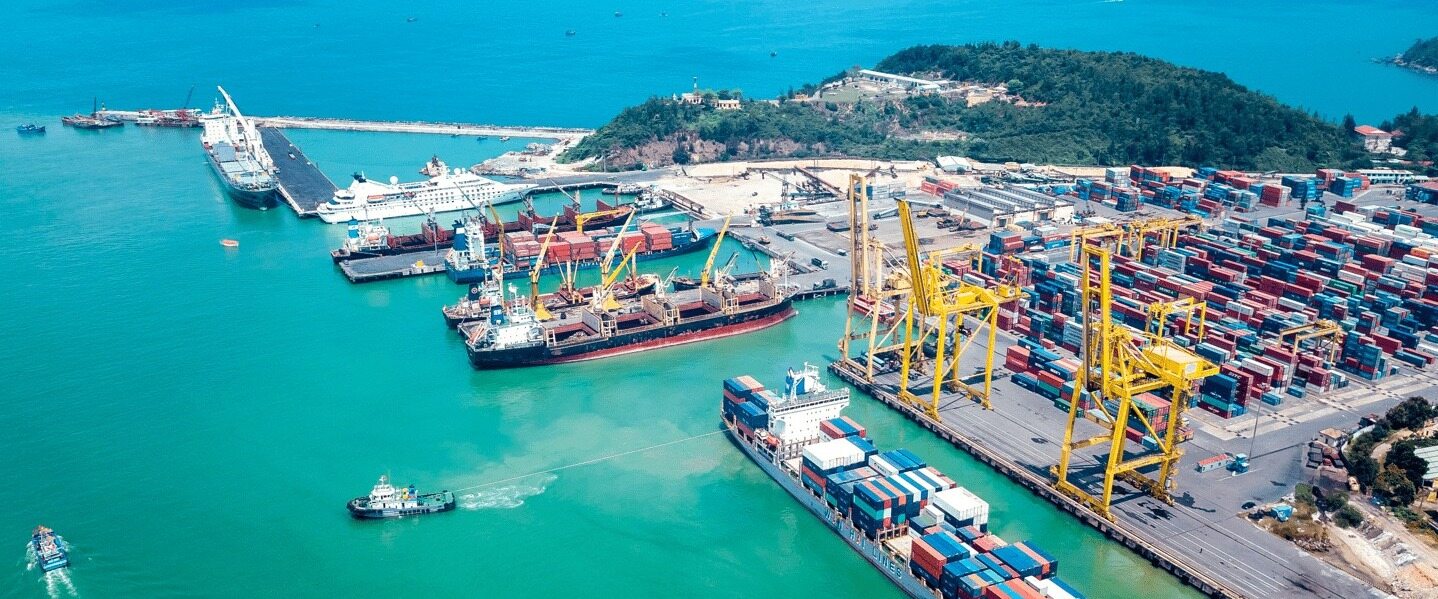
- Vietnam invests 13.8 billion US dollars to upgrade ports, can it cure the 'logistics pain points' of the manufacturing industry
In the wave of global supply chain restructuring, Vietnam is attempting to transform its geographical advantages into tangible economic momentum through a large-scale port revolution.
The anxiety behind the data explosion
The data for 2025 is not only a leap in numbers, but also a confirmation of Vietnam's position as an emerging manufacturing center. The expected total throughput of 1.17 billion tons and container volume of 34.36 million TEUs not only represents a 12% year-on-year growth, but also reflects international capital's bet on "Made in Vietnam". The World Bank's report has pointed out that Vietnam's logistics costs as a percentage of GDP have long been higher than the regional average, which was the Achilles' heel that constrained its manufacturing upgrading. However, with the explosive growth of port throughput, this pain point is being diluted - more efficient distribution capabilities are making Vietnam not just a cheap OEM factory, but gradually possessing the embryonic form of a global supply chain hub.
The investment logic from quantity to quality
If the past decade has been an era of "horse racing and enclosure" in Vietnamese ports, then the next five years will be a window period of intensive cultivation. The expected investment of up to 359.5 trillion Vietnamese dong between 2026 and 2030 sends a clear signal that the logic of infrastructure has changed.
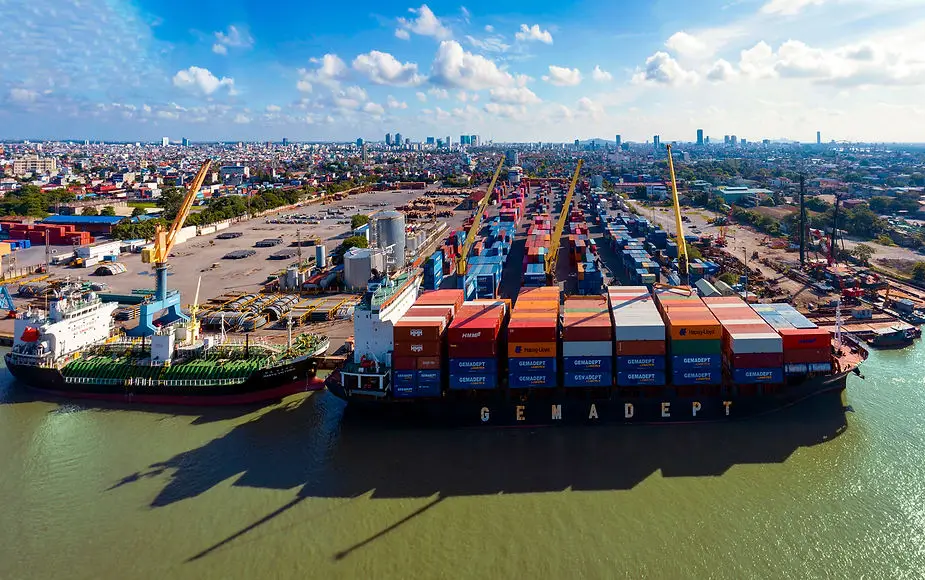
Unlike previous simple berth expansion, nearly 7.3 trillion Vietnamese dong will be precisely dripped into invisible infrastructure such as channel dredging and breakwaters. Taking Cai Mep Thi Vai, the only deep-water port in Vietnam that can accommodate 24000 TEU class ultra large container ships, as an example, its channel dredging project is not only a technical challenge, but also a key bargaining chip in the competition for the trans Pacific route. It is precisely this tilt towards deep-water infrastructure that gives Vietnam the confidence to connect to the world's largest cargo ships when facing competition from surrounding ports such as Singapore and Linchaban.
The Ambition of Coastal Defense and the Size of Ho Chi Minh City
The port map of Vietnam is showing a strategic trend of "attacking from the north and defending from the south".
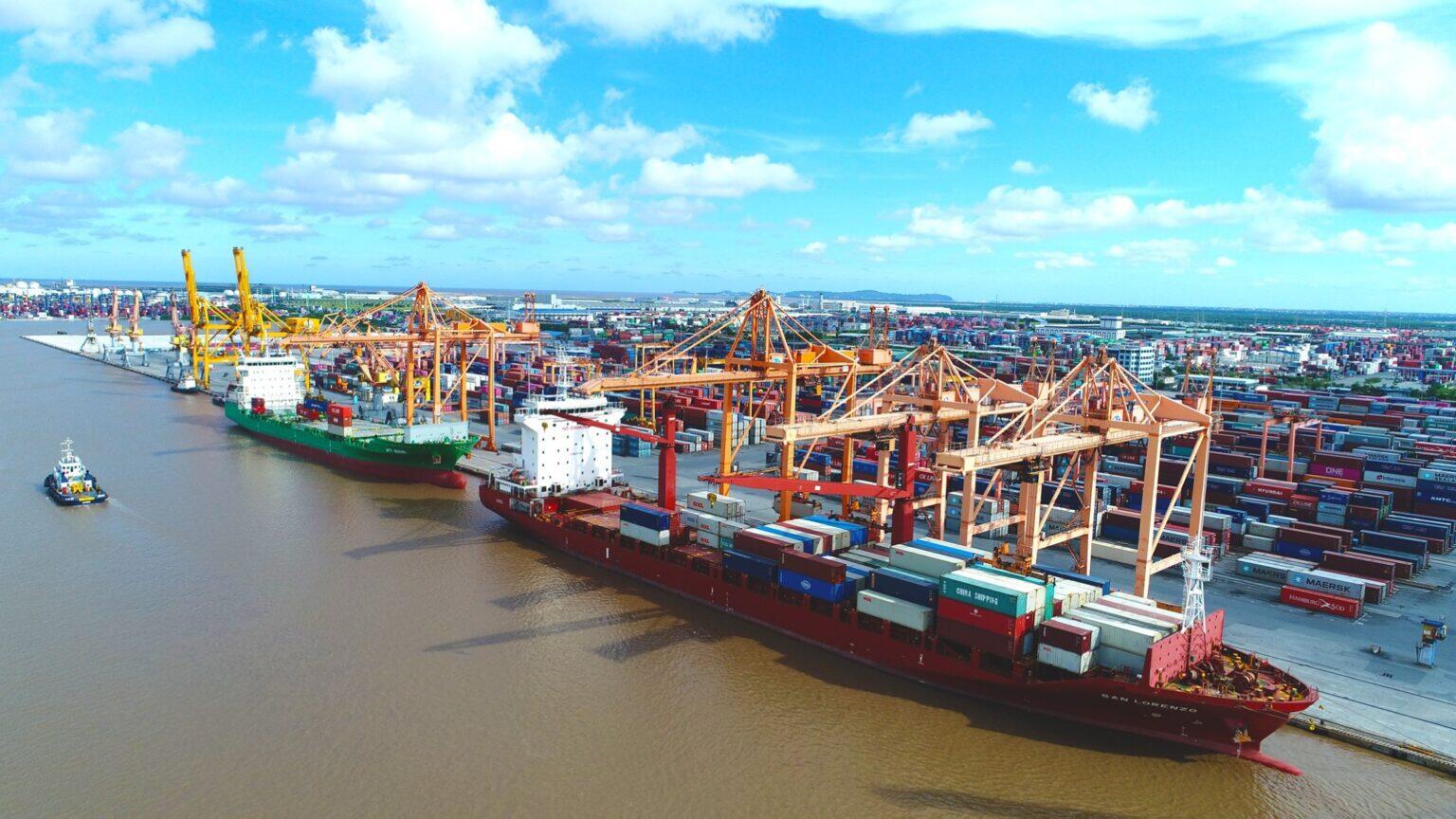
In the north, Haiphong Port has been given the political status of a "special level port", which is not only an upgrade of transportation hub, but also a leap in urban level. The expansion of Lixian International Port is not an isolated project, but a "port industry city" integrated network woven together with Jiaping Airport and the highway network. The local government has even planned a dedicated logistics industry park to attract electronics giants such as Samsung and LG to establish regional distribution centers. This model of front port and back factory allows goods to enter the factory immediately after disembarking, greatly reducing intermediate costs. According to the target of 215 million tons by 2030, Haiphong is replicating the "port to city" path of Yangshan Port in Shanghai.
In the south, Ho Chi Minh City has absorbed the port resources of surrounding provinces through administrative restructuring, and has become a super port cluster with 99 berths. This is not a simple "1+1=2", but a chemical reaction after resource integration. Despite facing the challenge of tight land resources, its 2030 throughput target of 253 million tons still maintains its position as the largest port in Southeast Asia. It is worth noting that Ho Chi Minh City is attempting to address rising labor costs and congestion issues through automated terminal renovations, such as the automation upgrade of Saigon New Port.
The hidden worries and games behind prosperity
However, amidst the cheers, challenges still followed closely.
International shipping giant Maersk warned in a recent regional report that although Vietnam's port hardware has improved rapidly, the "last mile" collection and distribution system is still a weakness. The normalized congestion of highways around Ho Chi Minh City has resulted in longer departure times for goods than sea navigation; In addition, the low efficiency of transportation between inland ports and seaports also limits the potential of multimodal transport.
The deeper game lies in capital and technology. Of the investment demand of 13.8 billion US dollars, public finance can only cover about 20%, and the remaining huge funding gap depends on the PPP model (government and social capital cooperation) and foreign investment injection. But in the context of high global interest rates, how to attract top operators such as Hutchison Whampoa or PSA International Ports Group to invest and enter the market is testing the transparency of Vietnam's policies and the design of return mechanisms. Keywords: Vietnam Port, Logistics
The rise of Vietnamese ports is essentially a microcosm of its national industrialization strategy. From pursuing throughput speed to pursuing deep water and intelligent quality, Vietnam is laying roads with concrete and steel to reach the threshold of developed countries. But as a proverb in the shipping industry goes: "Ports are not only places where ships dock, but also blood vessels for economic flow." Only by unblocking the blockages in these blood vessels can Vietnam truly evolve from a world factory to a world logistics center.Editor/Cheng Liting
Comment


 Praise
 Collect
 Comment

 Share
Share


Write something~