 Search


- When the installation target of 25 gigawatts is put on the table, the energy transition in the Philippines is a full sprint
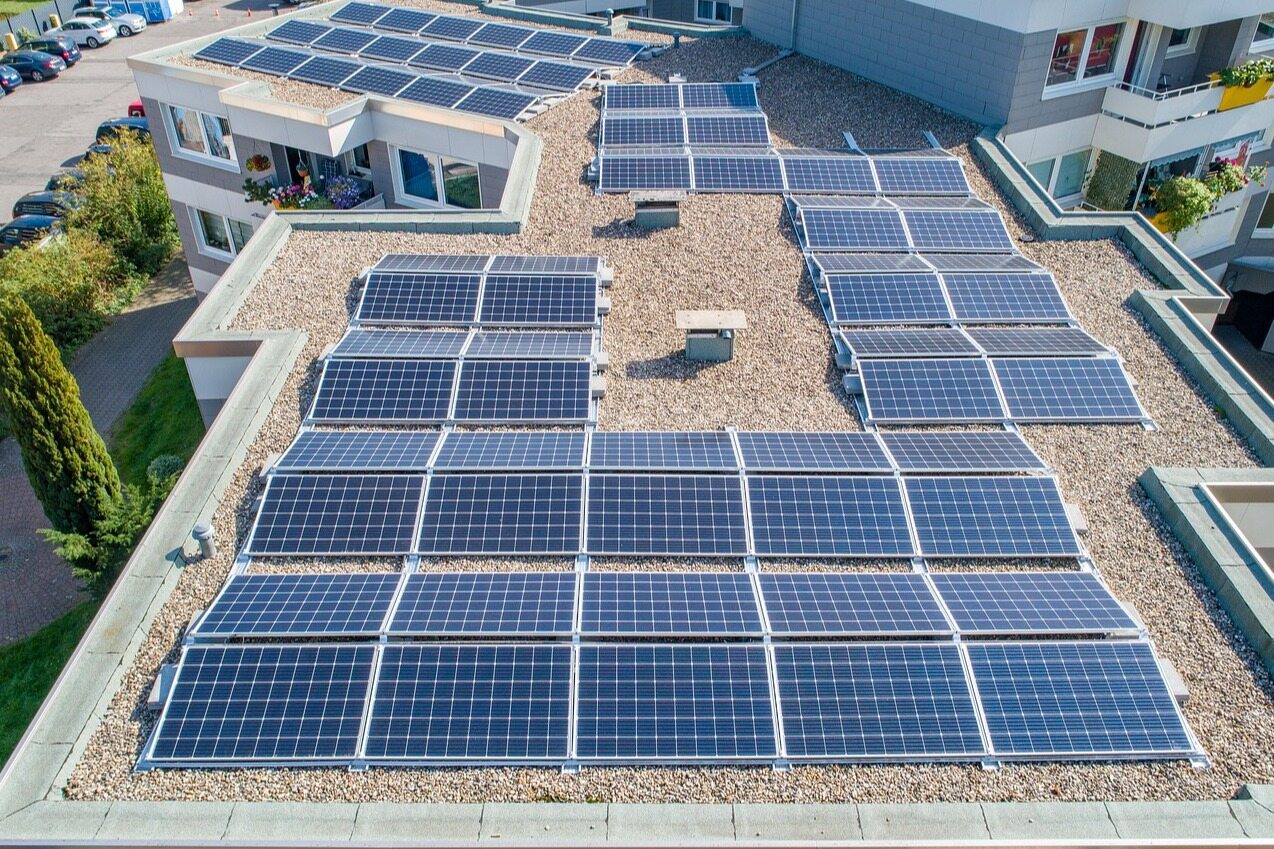
DOE recently unveiled a ten-year energy transition blueprint, with its ambition hidden in the figure of "25GW" - the renewable energy installed capacity that the country plans to add through the "GEA" mechanism by 2035. Unlike previous scattered attempts, this is a systematic battle driven by the state machinery.
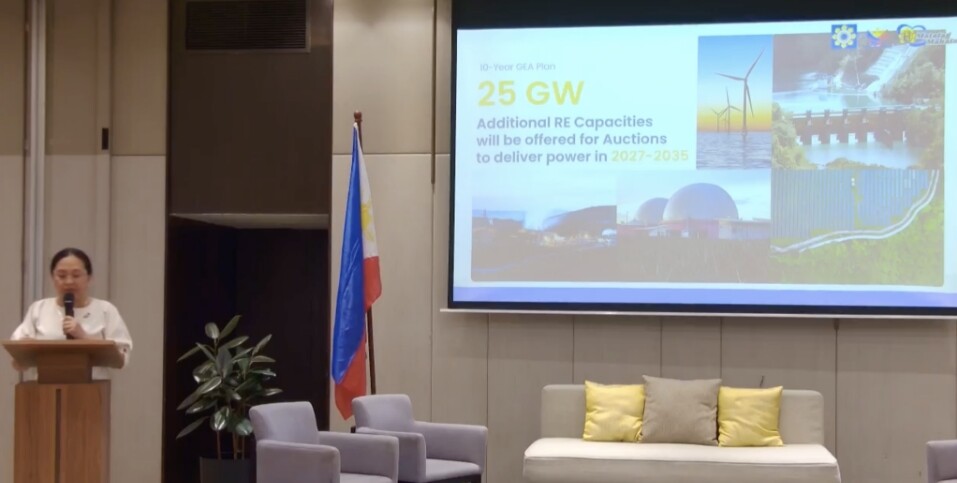
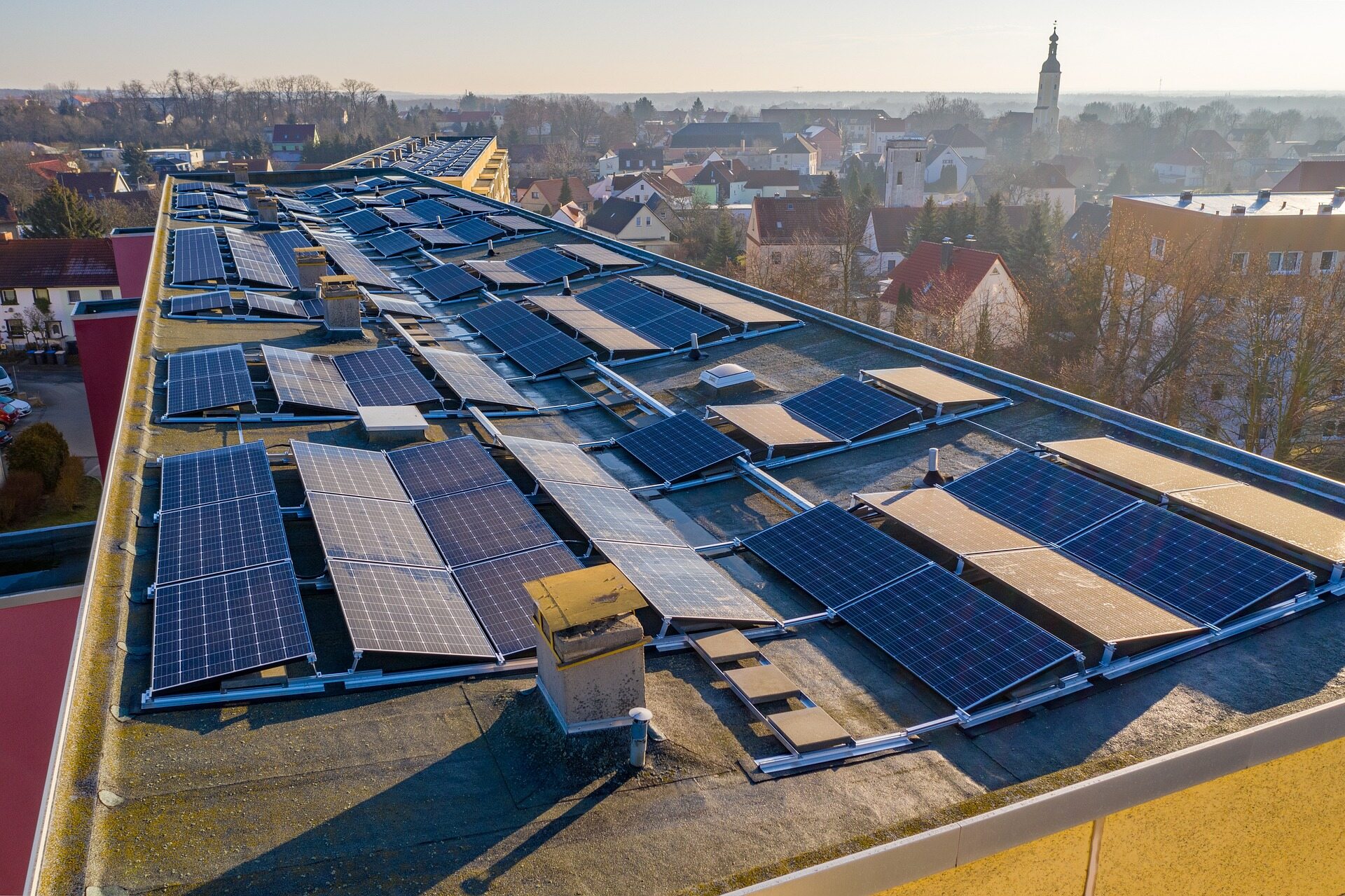
The first shot of the battle will be fired in 2026. In just the first two years, over 8GW of capacity has been introduced to the market, and this "open gate release" supply rhythm is extremely rare. The specific outcome is quite particular: the GEA-6 auction in the first quarter of 2026 was launched first, with onshore wind power and floating solar energy as the "vanguard", with the latter being locked in a long-term delivery target of 910MW. Subsequently, the GEA-7 auction held in the same year shifted its focus to rooftop solar energy and its supporting energy storage, aiming for the 85MW increment to be landed in Visayas and Mindanao in 2028.
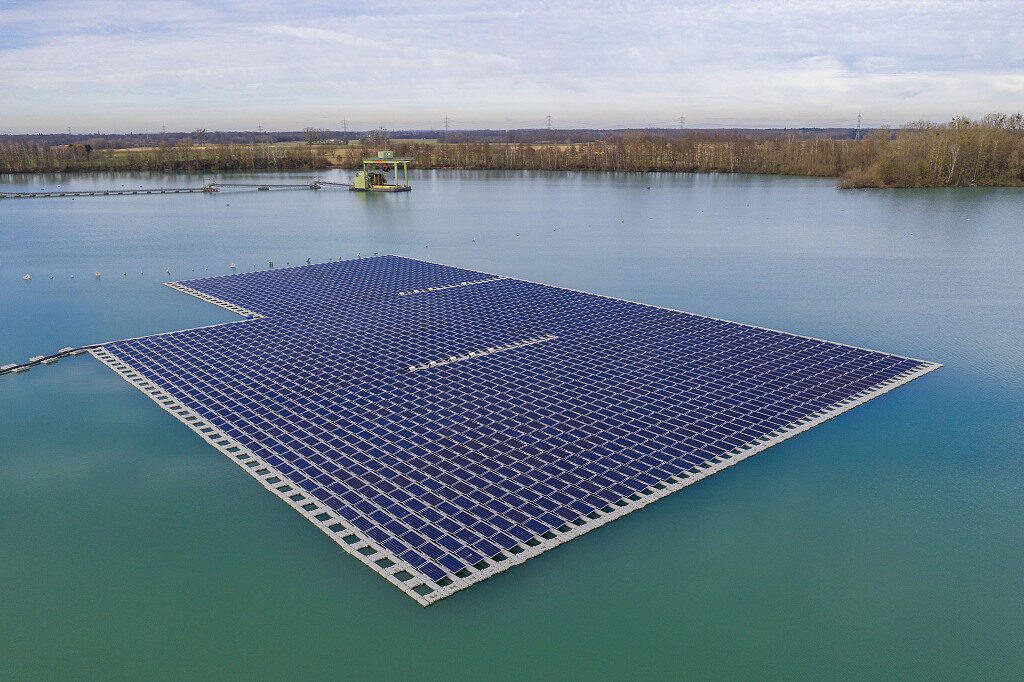
From the water surface to the roof
If the first two rounds of auctions were focused on "laying out quantity", then the subsequent GEA-8 was focused on "exploring boundaries". This round of bidding, expected to be launched by the end of 2026 or 2027, will install photovoltaic panels on channels, farmland, and even fish pond surfaces. Agricultural photovoltaic complementarity and fishery photovoltaic complementarity are no longer concepts, but specific bidding terms. By GEA-9 in 2027, traditional clean energy sources such as biomass, geothermal, and hydropower will return to the stage, forming a complete green puzzle together with new technologies. Keywords: Southeast Asia, photovoltaics, rooftop photovoltaics
This series of actions is not passive water. Previously, GEA-4 had approved over 10GW of projects, and GEA-5, which focuses on offshore wind power, has also been launched in November 2025. The Philippines' calculations are very precise: through high-frequency and segmented technology auctions, it is necessary to ensure that the proportion of renewable energy reaches the "passing line" of 35% by 2030, and to strive for the "excellent line" of 50% by 2040. As the gears of policy begin to bite, an energy substitution of sunlight, wind, and water flow is accelerating between tropical islands.Editor/Cheng Liting
Comment


 Praise
 Collect
 Comment

 Share
Share


Write something~