 Search


- In the depths of the desert in Riyadh, a super airport named after the king is rising. This is not just a pile of steel and cement
- When the six runways of King Salman International Airport point towards the future, Saudi Arabia is trying to carve out its own route on the aviation map
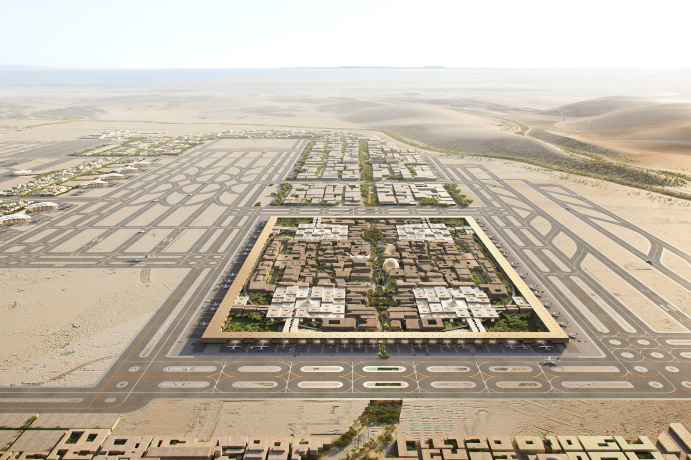
In December 2022, under the desert sun in Riyadh, Saudi Crown Prince Mohammed bin Salman stood in front of a map and traced his finger across a 57 square kilometer piece of land. Here, a super airport named after his father will be born - King Salman International Airport. When the news came out, many people thought of the power changes between brothers and brothers in the popular TV series. The inheritance rules that the Saudi royal family has long followed seem to be quietly changing. This airport may not only be a pile of steel and concrete, but also a footnote to a dynasty's ambition.
Super Engineering, in the Name of Salman
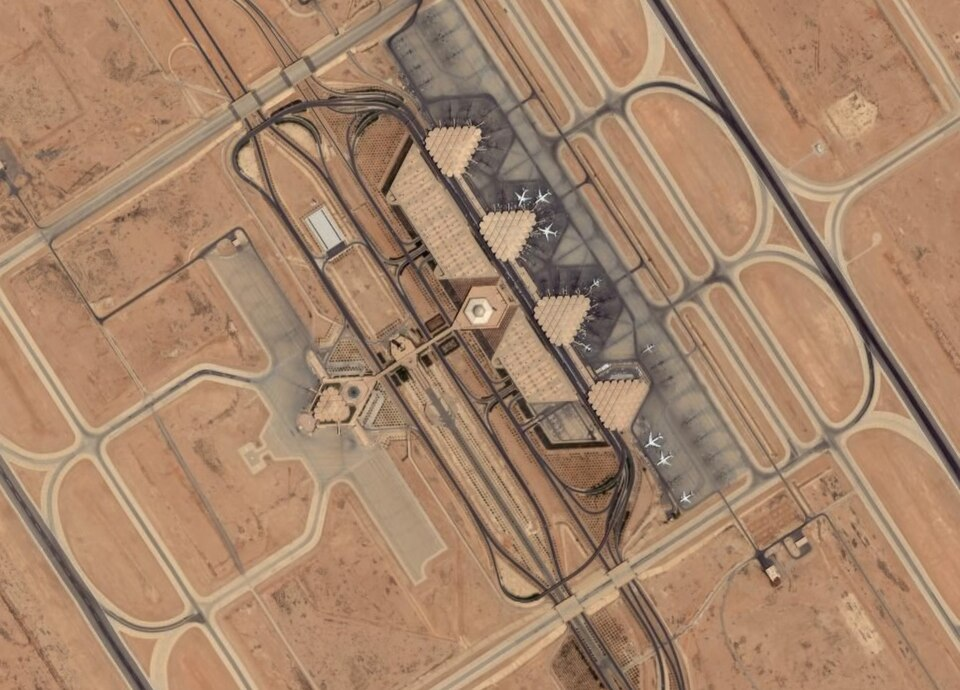
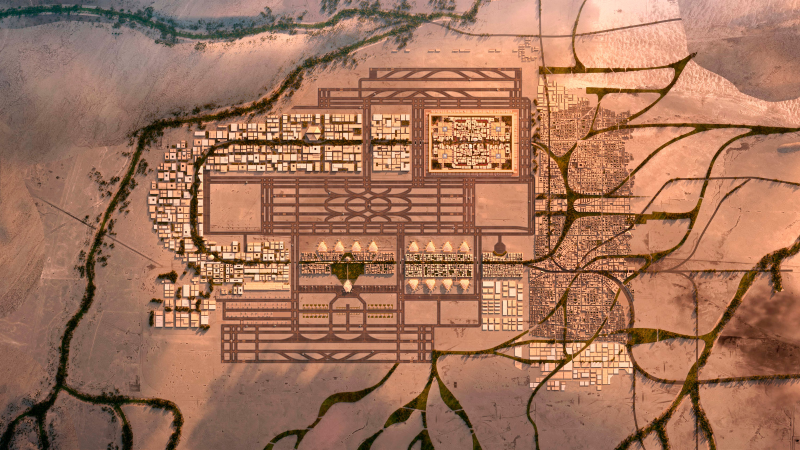
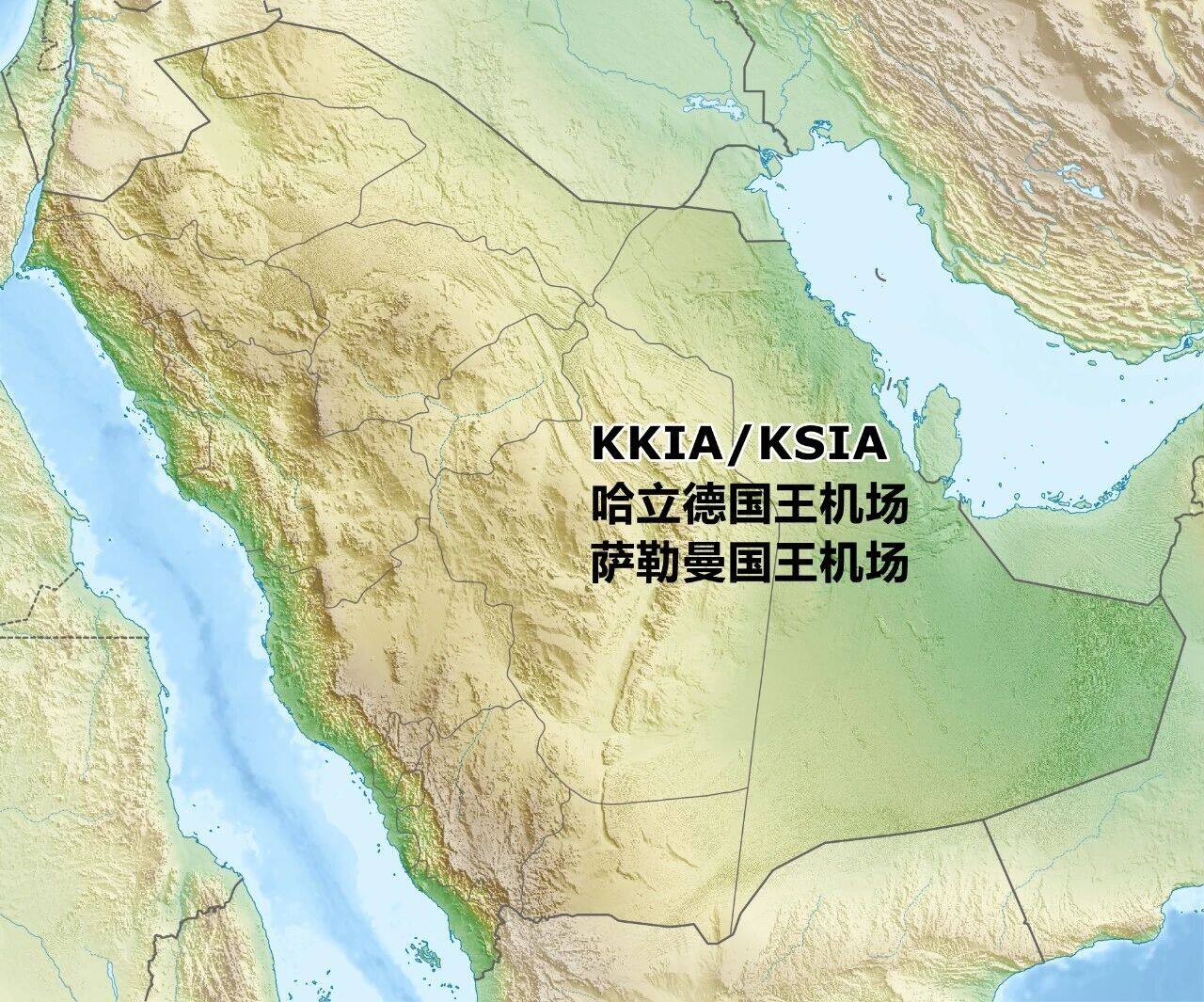
King Salman International Airport was not built from scratch, but was expanded based on the existing King Khalid International Airport. The old airport has two parallel runways and an annual passenger volume of approximately 40 million people. The new plan will completely change everything - the airport covers an area of 57 square kilometers, including six passenger terminals, five of which are reserved for existing facilities, a newly built iconic circular terminal, as well as a private aviation terminal and six runways.
The construction schedule has been clarified: the first batch of facilities will be put into use in 2026, and the entire project will continue until 2034. The target numbers are astonishing - by 2030, the passenger throughput will reach 100 million, and by 2050, it will reach 185 million; In terms of freight transportation, it is expected to reach 2 million tons in 2030 and 3.5 million tons in 2050. In addition, 12 square kilometers of airport support facilities, residential and leisure facilities, retail stores, and other logistics real estate will be built as supporting facilities.
On the surface, this is the core content of Saudi Arabia's "Vision 2030" plan, which aims to promote economic diversification and build Riyadh into a bridge connecting the East and the West. Going further, naming the new airport after the current king and creating a brand new Riyadh Airlines instead of expanding the existing Saudi Arabian Airlines are all sending a signal: this is a landmark project of the Salman dynasty, and the future of this country belongs to the Salman direct line.
Political agenda, aviation ambition
The new airport and Riyadh Airlines, the twin star project, carry far more than just an economic mission. Salman and his team hope to create employment, attract foreign investment, alleviate youth unemployment and social dissatisfaction through these mega projects, indirectly consolidate the domestic support base of the young crown prince, and reduce the backlash of the royal conservatives towards the "abandoning brothers and establishing sons" model.
These two major projects are not only economic tools, but also extensions of the political agenda of the Crown Prince. Highlighting the names and achievements of the two generations of Salman and his son, while downplaying the collective color of the traditional royal family's "brothers and brothers", laying the groundwork for the future shift from collective rule of the older generation to individual strong leadership of the younger generation. On the official website of the new airport, these intentions are expressed quite bluntly.
Riyadh Airlines, as a new national airline, will form synergies with King Salman International Airport. Saudi Arabia's goal is clear: to compete head-on with Dubai and Doha in the aviation industry and compete for the position of the Middle East aviation hub.
Challenging and unpredictable success or failure
Despite the huge and ambitious investment, King Salman International Airport also faces multiple severe challenges. Firstly, there is market competition. At present, the Middle East aviation market is mainly dominated by Dubai Airport and Doha Airport, which have established mature hub networks and operational experience. Saudi Arabia has relatively limited experience in this area and may find it difficult to quickly attract international airlines to relocate. The passenger volume of Dubai Airport has exceeded 89 million in 2024, while Doha Airport has also reached 47 million, while Riyadh's current passenger volume is only about 40 million, showing a significant gap.
Next is demand risk. The new airport aims to accommodate 100 million passengers by 2030 and 185 million passengers by 2050, far exceeding the current level. If tourism and trade growth falls short of expectations, it may lead to idle airport facilities and difficulty in recovering investment. The third is geopolitical influence. Frequent conflicts in the Middle East may reduce air traffic. The total volume of the regional aviation market may not be as large as expected, and with multiple parties sharing the pie, Saudi Arabia's cake may be smaller than imagined. Keywords: Southeast Asian Engineering Information Network, Overseas Engineering Construction
If King Salman International Airport is successful, it will significantly enhance Saudi Arabia's global status and become a super hub connecting the East and the West. Otherwise, it may also become a mess of overinvestment and difficult to recover. Of course, for the young crown prince, whether this airport can meet expectations if he can smoothly ascend to power and govern for a long time may no longer be so important - it has become a declaration in itself. Editor/Yang Beihua
Comment



 Praise
 Collect
 Comment

 Share
Share


Write something~