 Search


- Faced with the escalation of geopolitical conflicts in the Middle East leading to soaring oil prices
- Saudi Arabia, Russia and other major oil producing countries around the world urgently take action
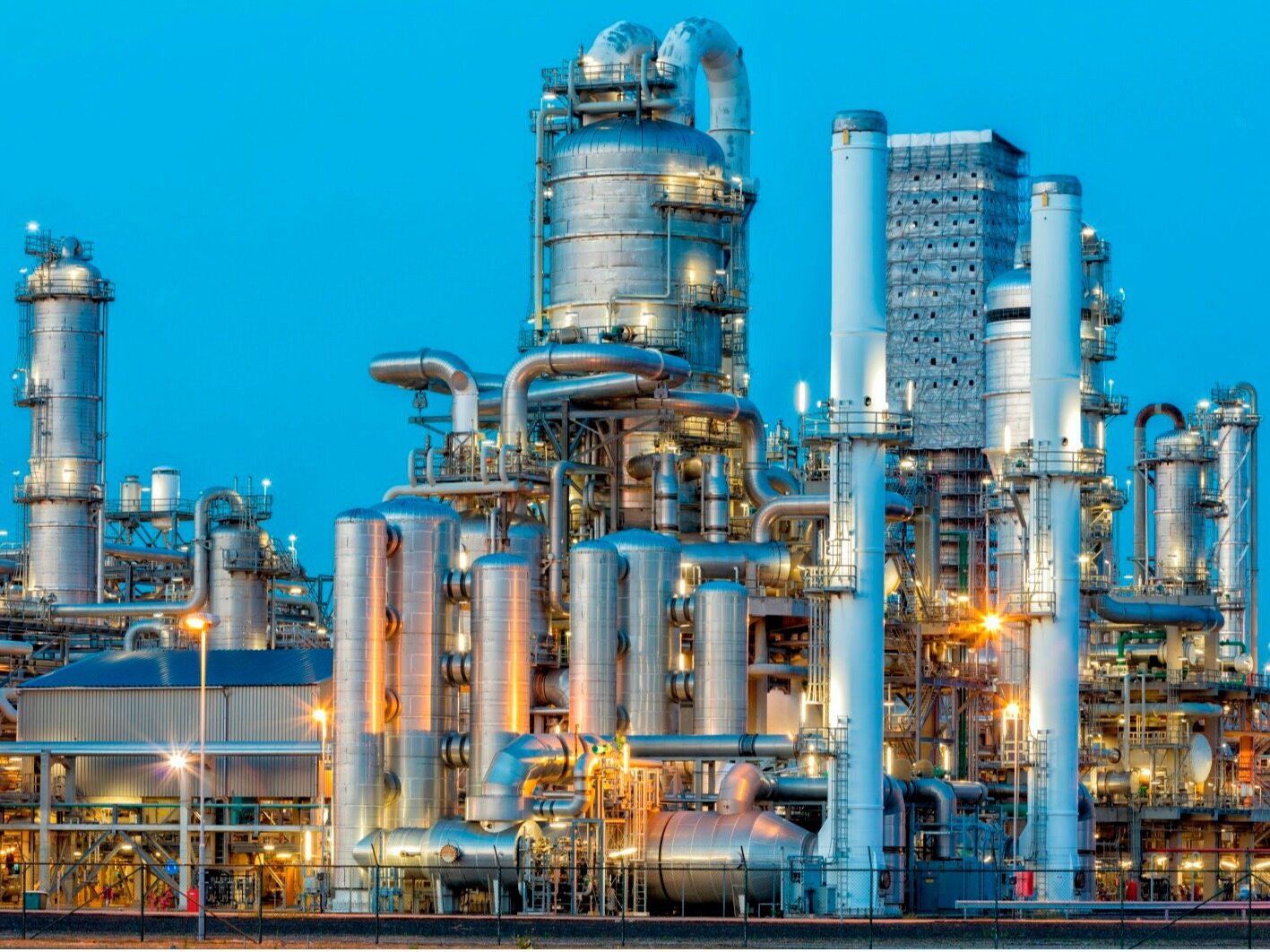
On March 1, 2026, an online conference that touched the global energy nerve was urgently held within the OPEC+framework. Faced with international oil prices once exceeding $82 per barrel due to the escalation of the US Iran conflict, the eight major oil producing countries of Saudi Arabia, Russia, Iraq, the United Arab Emirates, Kuwait, Kazakhstan, Algeria, and Oman have reached a consensus to resume crude oil production from April 2026, with an average daily increase of 206000 barrels.
This decision is not only a "cooling down" of the current market panic, but also an important support for the stable operation of the global economy. Against the backdrop of the risk of blockade in the Strait of Hormuz due to conflict and the obstruction of the global oil transportation artery, the actions of oil producing countries have been interpreted by the market as the activation of a "stabilizer".
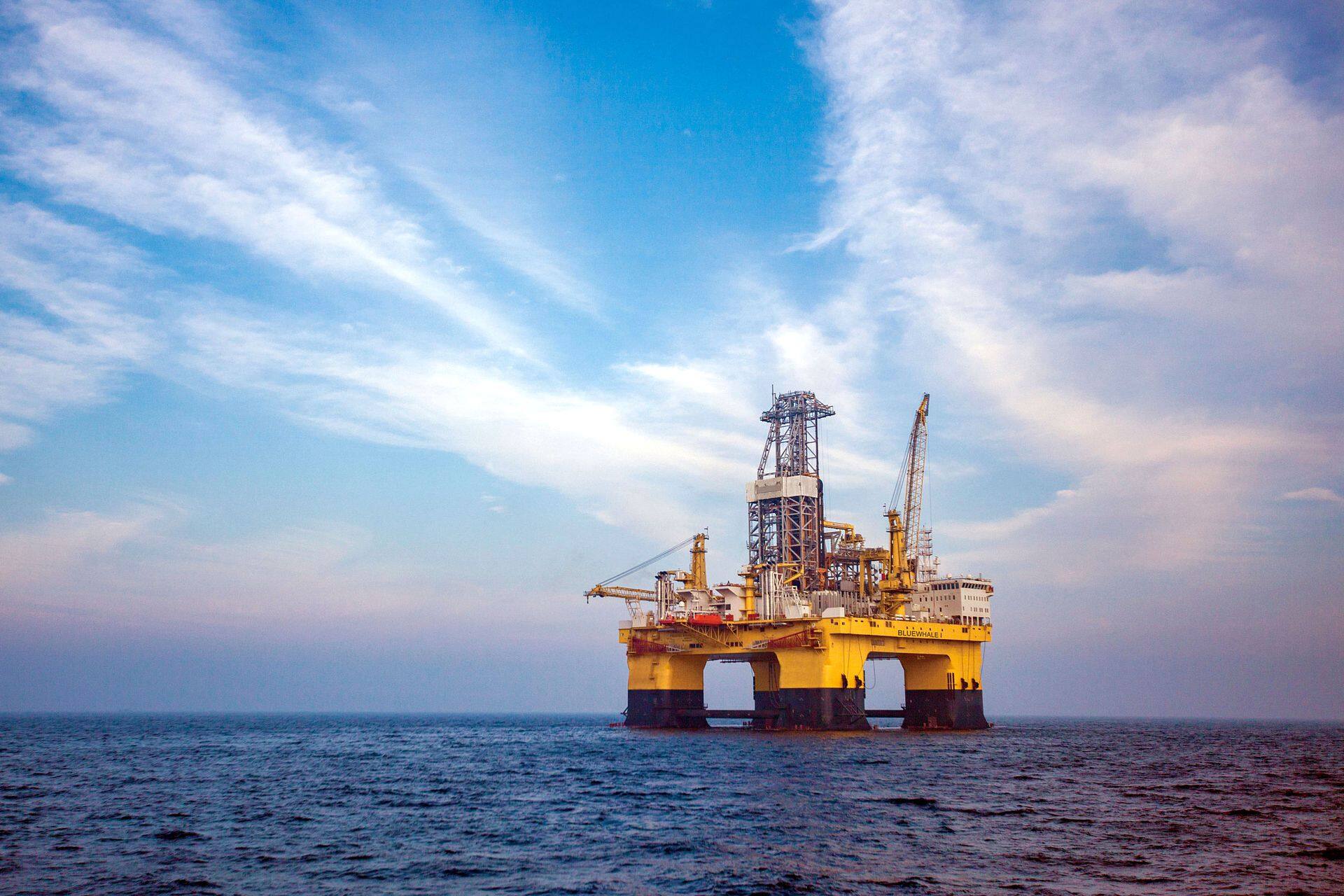
Low inventory and stable economy
Given the current stable global economic expectations and low oil inventories, the G8 countries have decided to adjust their production, "OPEC explained in a statement, explaining the reasons for this increase in production.
In fact, this decision is not an isolated event. Since April 2023, these eight countries have implemented voluntary production cuts of approximately 1.65 million barrels per day, and added an additional reduction of 2.2 million barrels per day in November of the same year. These measures have played a key role in maintaining stable oil prices, but have also led to sustained low global oil inventories.
Entering 2026, with the increasing expectation of global economic recovery, especially the approaching peak of summer oil consumption, the demand for crude oil in the market is beginning to rebound. At the same time, the crude oil production of non OPEC countries such as the United States and Canada is also increasing, and the supply and demand pattern of the global oil market is undergoing subtle changes.
This production increase of 206000 barrels per day, although the absolute quantity is not large, its symbolic significance is significant. It sends a clear signal to the market that major oil producing countries have the ability and willingness to release production capacity at critical moments, prevent oil prices from rising uncontrollably due to panic, and thus avoid impacting global inflation and economic recovery.
flexible regulation and control
It is worth noting that this increase in production is not a sudden attack, but a continuation of OPEC+'s established strategy. Looking back at the production policies of the past year, a clear "pause restart" curve can be seen:
March 2025: The eight countries decided to gradually increase crude oil production from April 1 of the same year and maintain monthly production increases until December thereafter.
From January to March 2026: Due to factors such as weak seasonal demand, the eight countries announced a suspension of production increases.
March 1, 2026: With the approaching peak of summer demand and the uncertainty brought by the US Iran conflict, the eight countries have decided to resume the pace of increasing production.
This' stop and go 'strategy reflects OPEC+'s high sensitivity and flexible response to the market. The statement emphasized that in order to maintain the stability of the oil market, the eight countries will flexibly adjust the pace of production increase according to market conditions. This means that if geopolitical risks further intensify in the future or if there are new fluctuations in the global economy, oil producing countries may adjust or even reverse their current production plans at any time.
Can increasing production hedge against Hormuz risk?
Although OPEC+has released signals of increased production, the core contradiction in current international oil prices is not simply a supply and demand relationship, but rather geopolitical risks. On February 28th, the United States and Israel launched a military strike against Iran, putting the Strait of Hormuz - a "chokepoint" that carries about 20% of global oil transportation - at risk of substantial blockade.
Analysts point out that if the Strait of Hormuz is blocked for a long time, global crude oil supply may decrease by 18 million barrels per day, which will trigger a "historic surge" in oil prices. In this context, although OPEC+'s increased production can alleviate supply constraints to some extent, it is difficult to fully hedge the huge risk premium brought by geopolitics.
For a major energy importing country like China, this increase in production is undoubtedly good news. It helps alleviate the imported inflationary pressure caused by the tense situation in the Middle East and provides external guarantees for the smooth operation of the domestic economy. However, the market still needs to closely monitor the actual passage of the Strait of Hormuz and the subsequent development of the US Iran conflict, which will ultimately determine the true direction of international oil prices in 2026.Editor/Yang Meiling
Comment

 Praise
 Collect
 Comment

 Share
Share


Write something~