 Search


- Kazakhstan is advancing oil and gas extraction and refining capacity expansion at full speed
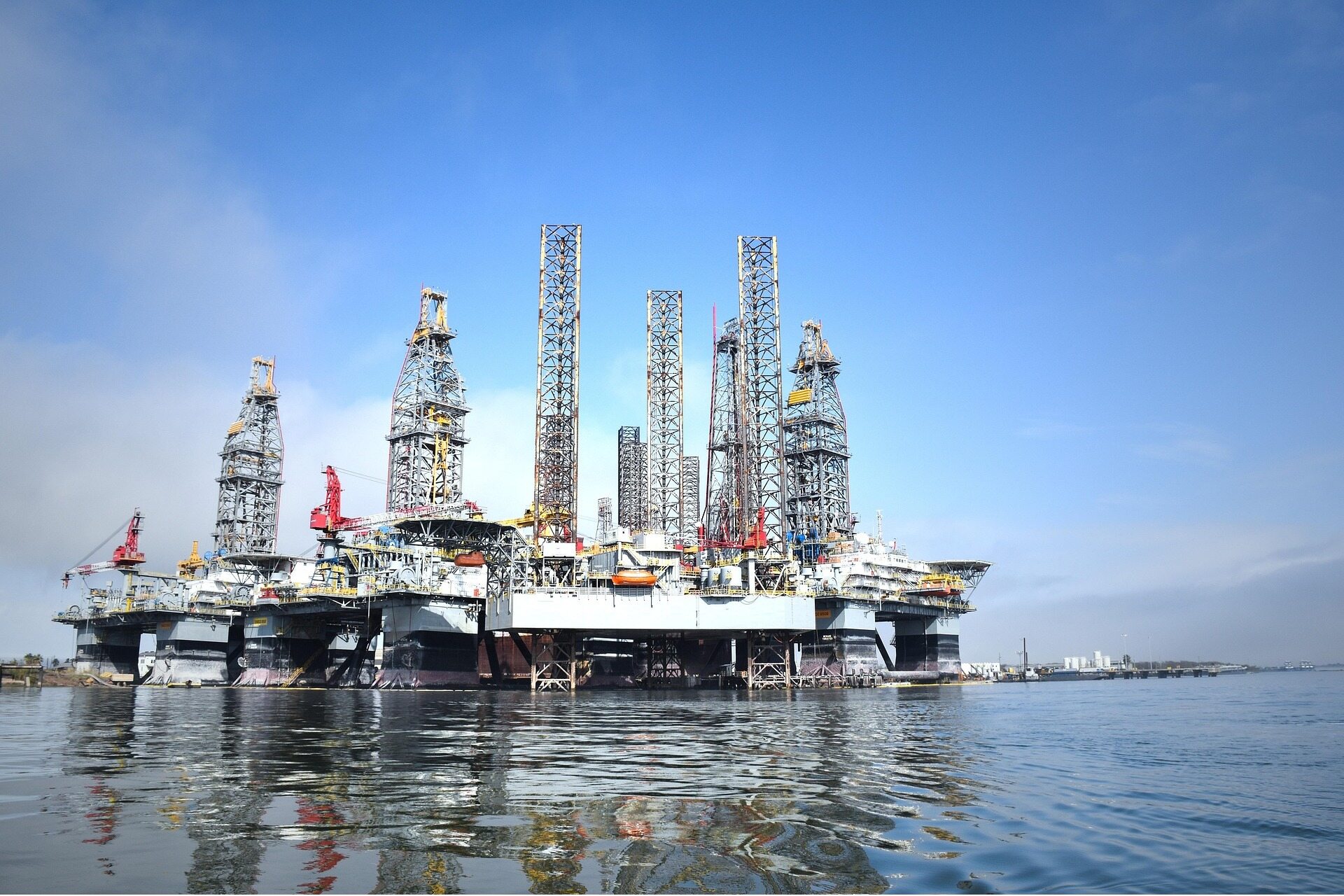
At the government meeting held on April 14, 2026, Kazakhstan's Minister of Energy Yellan Akkenenov outlined a clear national energy development blueprint. Faced with a profound adjustment in the global energy landscape, the largest economy in Central Asia is upgrading its entire industrial chain, attempting to significantly increase industrial added value while ensuring the export of traditional energy.
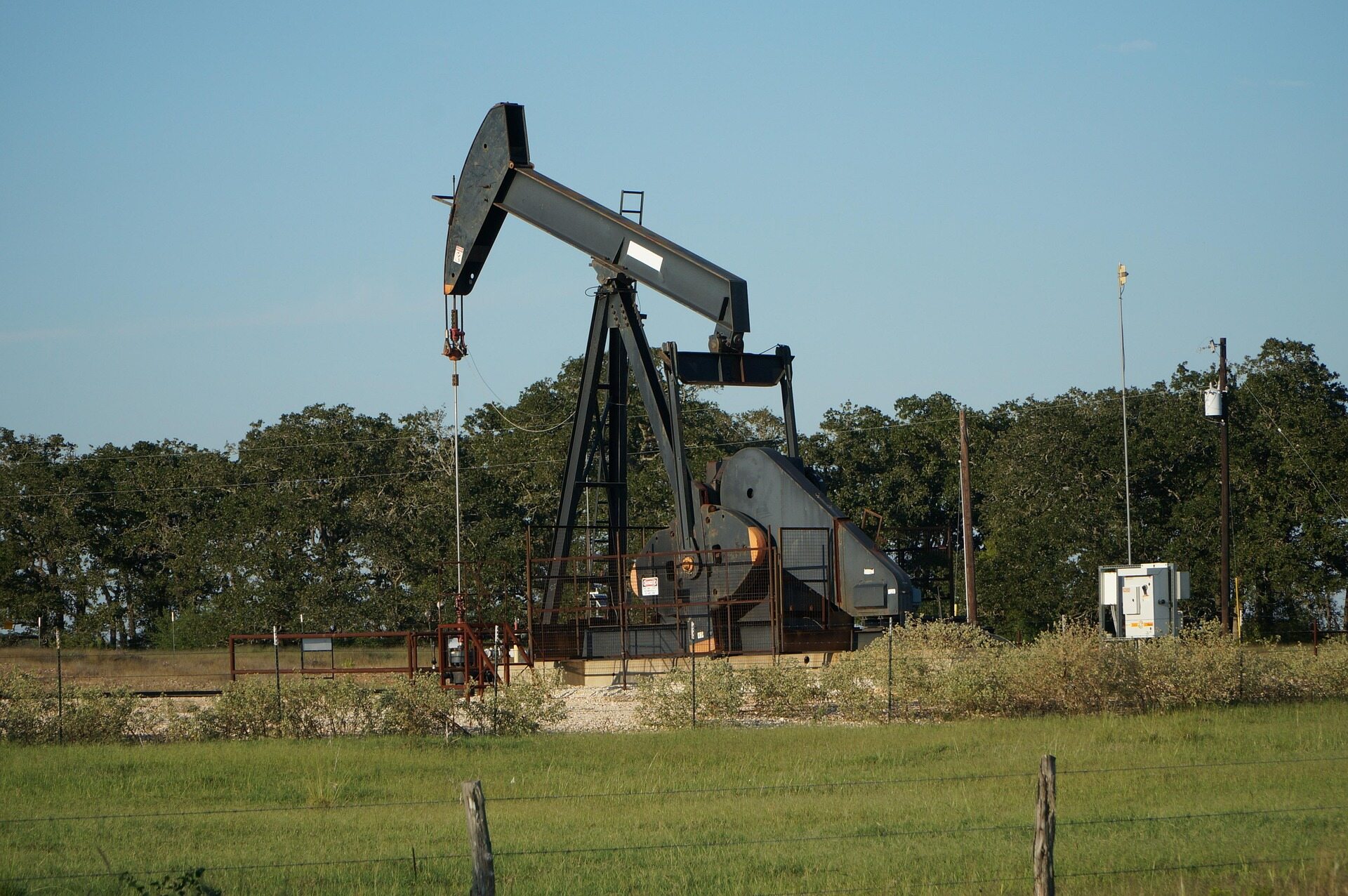
Data is the most powerful proof. The beginning of 2026 is strong, with national crude oil and condensate production reaching 19.7 million tons from January to March, and natural gas production reaching 13.6 billion cubic meters. According to the plan, crude oil production is expected to remain stable throughout the year, while natural gas production is expected to climb to 62.7 billion cubic meters. To strengthen the resource foundation, the Ministry of Energy is working together with the Samruk Kazena Fund to promote the development plan of new oil and gas fields until 2035. The highly anticipated Kashgar glycerol field natural gas processing project is about to put into operation a new facility with an annual processing capacity of 1 billion cubic meters before the end of the year, which will further unleash the country's enormous natural gas potential.
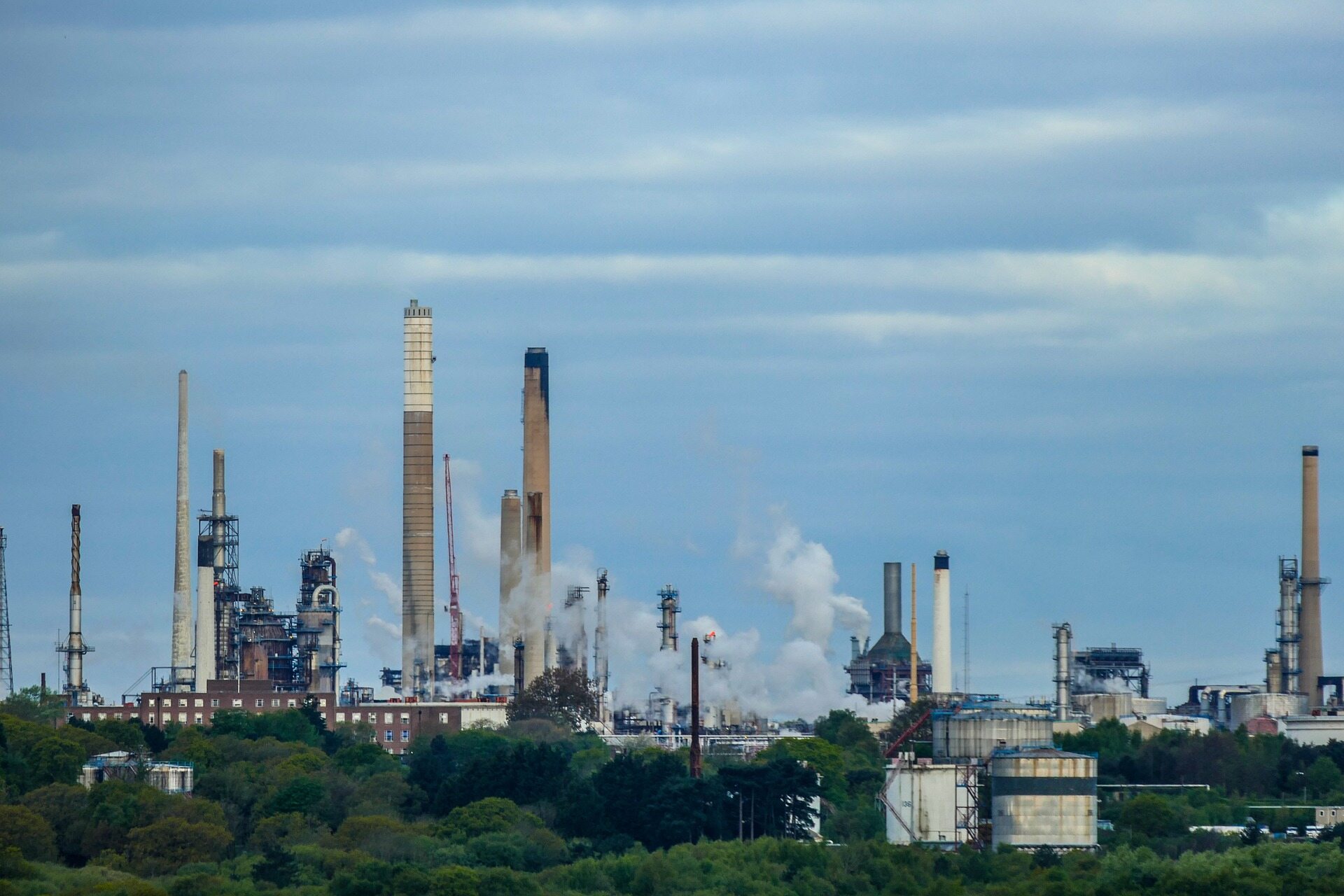
If upstream mining is the cornerstone, then midstream refining is the key to industrial upgrading. Kazakhstan is bidding farewell to the era of solely exporting fuel oil and shifting towards high value-added refined oil and petrochemical products. The refining industry is undergoing frequent actions: the three existing refineries are undergoing a complete transformation - the production capacity of Pavlodar Refinery will jump from 5.5 million tons to 9 million tons, Chimkent Refinery will double to 12 million tons, and Atyrau Refinery will also increase to 6.7 million tons. What is even more anticipated is a new refinery project with an annual processing capacity of 10 million tons, which will completely reshape the domestic supply pattern of refined oil products.
The downstream petrochemical industry is also experiencing rapid growth. The production of oil and gas chemical products in the first quarter has reached 134000 tons. The polypropylene production plan jointly promoted by the Ministry of Energy and Kazakhstan National Oil and Gas Company is running at full speed, and it is expected that the production will increase to 450000 tons this year, with a target of 580000 tons by 2026. Keywords: International Energy, Energy Development, Kazakhstan
Electricity security is the underlying support for all of this. In the first three months, the national power generation reached 33.7 billion kilowatt hours, and it is expected to reach 126.5 billion kilowatt hours for the whole year. However, the supply gap still exists. The government plans to add approximately 2.4 gigawatts of power generation capacity by 2026, not only to light up thousands of households, but also to provide a continuous source of power for the expansion of the entire industrial system. From crude oil extraction to petrochemical production, and then to power security, Kazakhstan is building a more resilient and competitive diversified energy system.Editor/Cheng Liting
Comment

 Praise
 Collect
 Comment

 Share
Share


Write something~