 Search


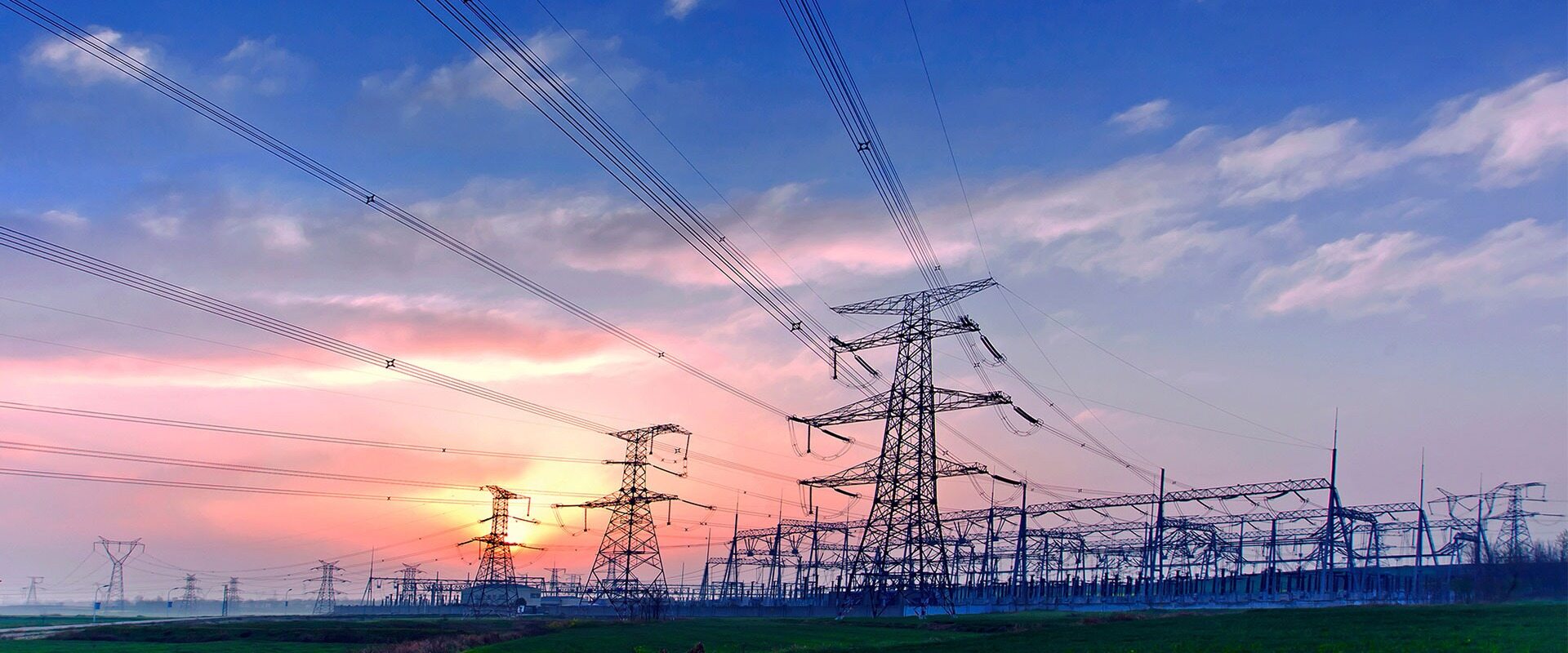
- The US Iran conflict has triggered a global energy panic, and the closure of the Strait of Hormuz has led to a surge in oil prices
Faced with the skyrocketing oil prices and soaring safe haven assets caused by the Middle East war, China has chosen a completely different path: moving energy sovereignty from the ocean back to the land. Through a 4 trillion yuan investment in the construction of ultra-high voltage power grids and energy storage systems, China is building the world's largest "AI power bank", attempting to achieve "asymmetric surpassing" of the United States in the AI era by leveraging its power advantages.
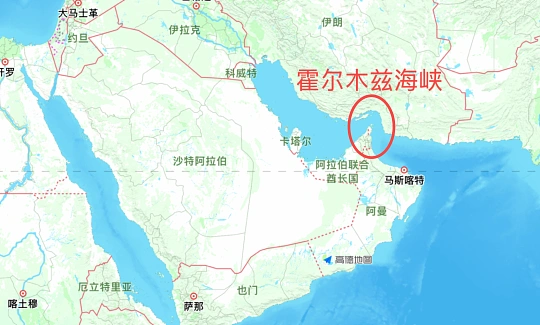
The throat of the global economy is being choked
On March 2, 2026, the war in the Middle East is no longer about border friction, but has evolved into an "energy tsunami" that affects the global supply chain. The Islamic Revolutionary Guard Corps of Iran has issued a stern warning: if its oil and gas facilities are attacked, it will destroy the energy facilities of all Middle Eastern countries. Meanwhile, the Strait of Hormuz has been closed, and any ships attempting to pass through will face a blow.
This narrow waterway is the lifeline of global energy, carrying approximately one-fifth of the world's crude oil and liquefied natural gas transportation. Once there is a long-term interruption, the global daily oil supply will instantly decrease by 14 to 18 million barrels. As a result, international oil prices soared by 13%, breaking through $82 per barrel. The global financial market is experiencing severe volatility, with a sharp rise in risk aversion. Spot gold has surged above $5400 per ounce, while spot silver has also surged to $94 per ounce.
In the Chinese A-share market, this panic sentiment has reached its peak. On March 2nd, the "Three Barrels of Oil" (PetroChina, Sinopec, and CNOOC) collectively hit the daily limit up for the first time in history, with their market value increasing by about 247 billion yuan in one day. This rare phenomenon confirms the deep global anxiety about energy supply chain disruptions.
China builds a steel Great Wall of energy sovereignty
Just as the world is struggling with oil prices, China has revealed its ultimate trump card in dealing with the energy crisis. State Grid announced that fixed assets investment is expected to reach 4 trillion yuan during the "15th Five Year Plan" period, a sharp increase of 40% year on year. This huge sum of money is not only for repairing power lines and building infrastructure stations, but also for the largest "energy sovereignty migration" in human history.
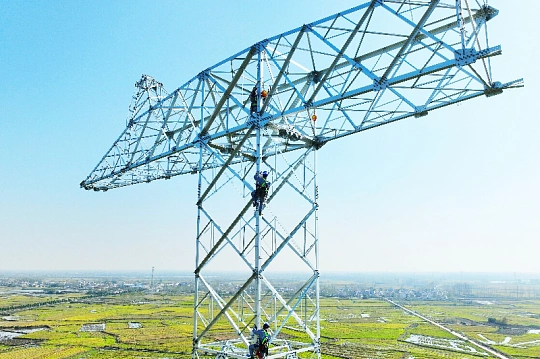
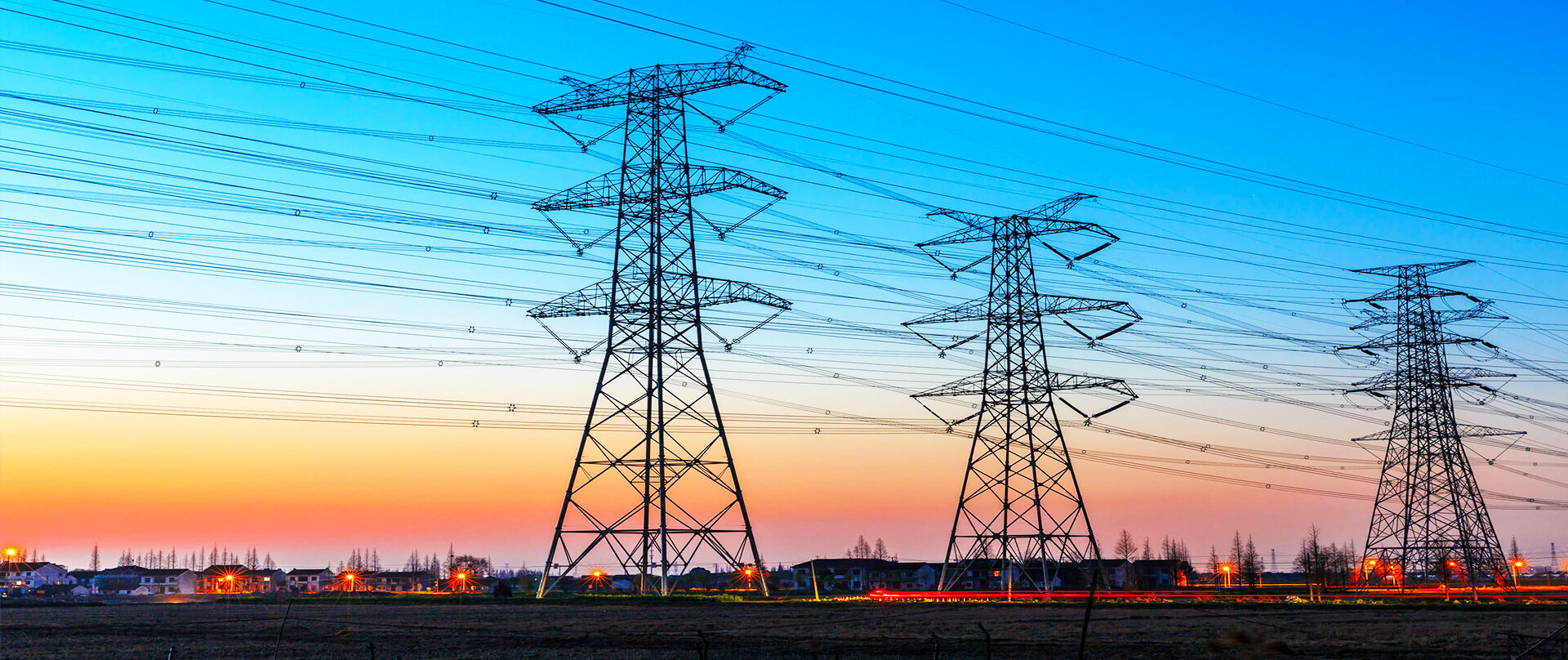
China's strategic logic is exceptionally clear: since the lifeline of oil is in someone else's hands, then we must completely switch the track. The energy distribution in China is extremely uneven. The west and north have inexhaustible wind, light and water, but the power consumption is very small (for example, the light rejection rate in Xizang was as high as 44.4%), while the eastern industrial zone is seriously short of power. The highlight of this 4 trillion yuan project - ultra-high voltage technology - is to build a series of "power highways" on the land of China, realizing the "domestic circulation" of energy production and consumption.
This investment will further improve the technological loop, including flexible DC transmission, large-scale energy storage and peak shaving, etc. This means that in the future, when developing countries want to establish power systems, they will prioritize the more cost-effective "Chinese solution". This is not only buying a "ticket" to the future global energy order, but also laying the foundation for China's competition in the AI era - as the United States seeks expensive natural gas power for AI, China's power grid is becoming a huge "AI power bank".
Oil prices remain high and difficult to recover, gold is poised to take off
Despite the alarming situation in the Middle East, there are multiple constraints on the leverage of the game in reality. Firstly, Iran's current blockade capability is limited and essentially a form of "retaliatory pressure" rather than "strategic occupation", with a high probability of not lasting too long. Secondly, the US government is facing mid-term election pressure and is extremely sensitive to rising oil and gas prices. If prices spiral out of control, it will directly shake its voter base.
OPEC also does not want oil prices to enter a destructive and uncontrollable state, and has announced a daily increase of 206000 barrels in April. Under the balance of this multi-party game, the international crude oil market is likely to gradually fall back to a rational range after experiencing a short-term safe haven surge.
In contrast, the trend of gold is more clear. Compared to the violent fluctuations of crude oil, after a deep pullback in the recent period, gold may launch another offensive relying on the rigid support of safe haven demand. The smoke of gunpowder in the Middle East tells us that energy security built on "fragile pipelines" is highly fragile. China's 4 trillion yuan "Century Project" is moving energy security from the uncertain high seas back to its own rugged mountains.Editor/Yang Meiling
Comment





 Praise
 Collect
 Comment

 Share
Share


Write something~