 Search


- The Strait of Hormuz throat crisis is forcing the physical reconstruction of the logistics map in the Middle East
- With the rise of new land sea arteries and the accelerated disintegration of the old pattern relying on a single waterway, the global supply chain is ushering in a resilience revolution
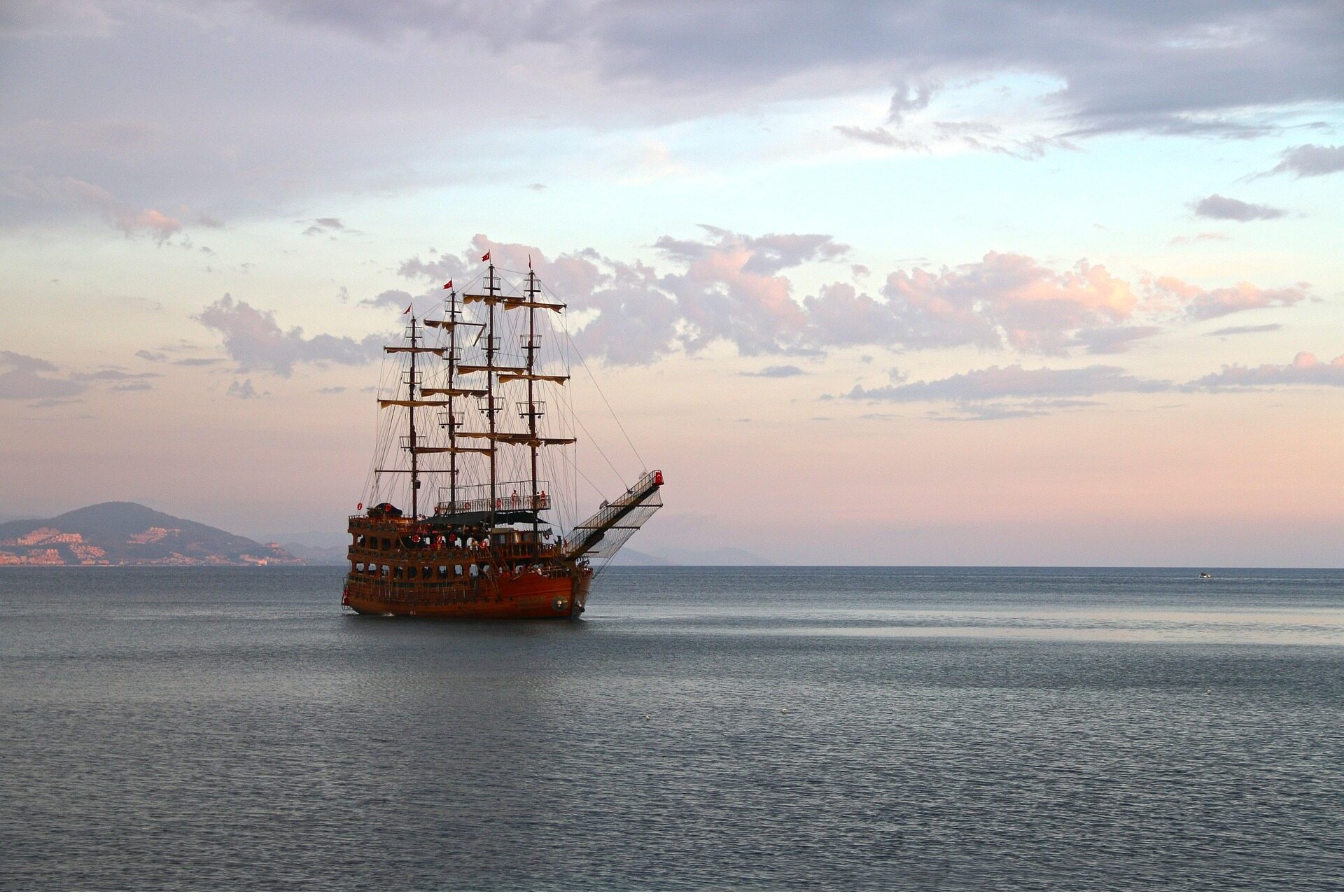
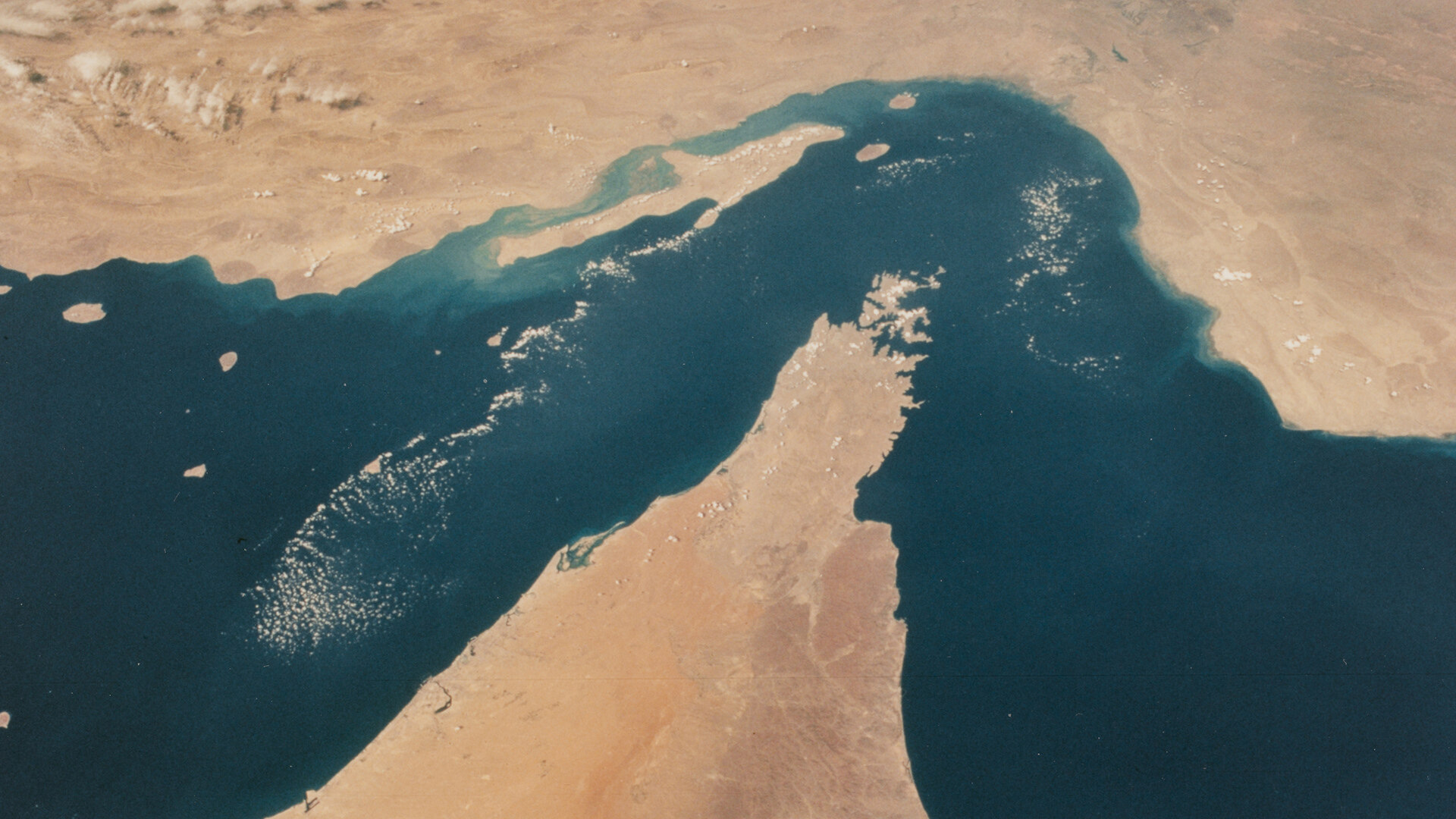
When the smell of gunpowder in the Strait of Hormuz caused global insurance rates to soar in the past month, Middle Eastern strategists did not stop at calculating short-term fluctuations in oil prices. This waterway, which is only 21 nautical miles at its narrowest point, has long maintained 30% of the world's maritime oil trade like a fragile blood vessel. Nowadays, the temporary "embolism" of this blood vessel has not suffocated the Middle East economy, but has become a delayed surgical knife, completely cutting open the chronic disease that relies on a single channel.
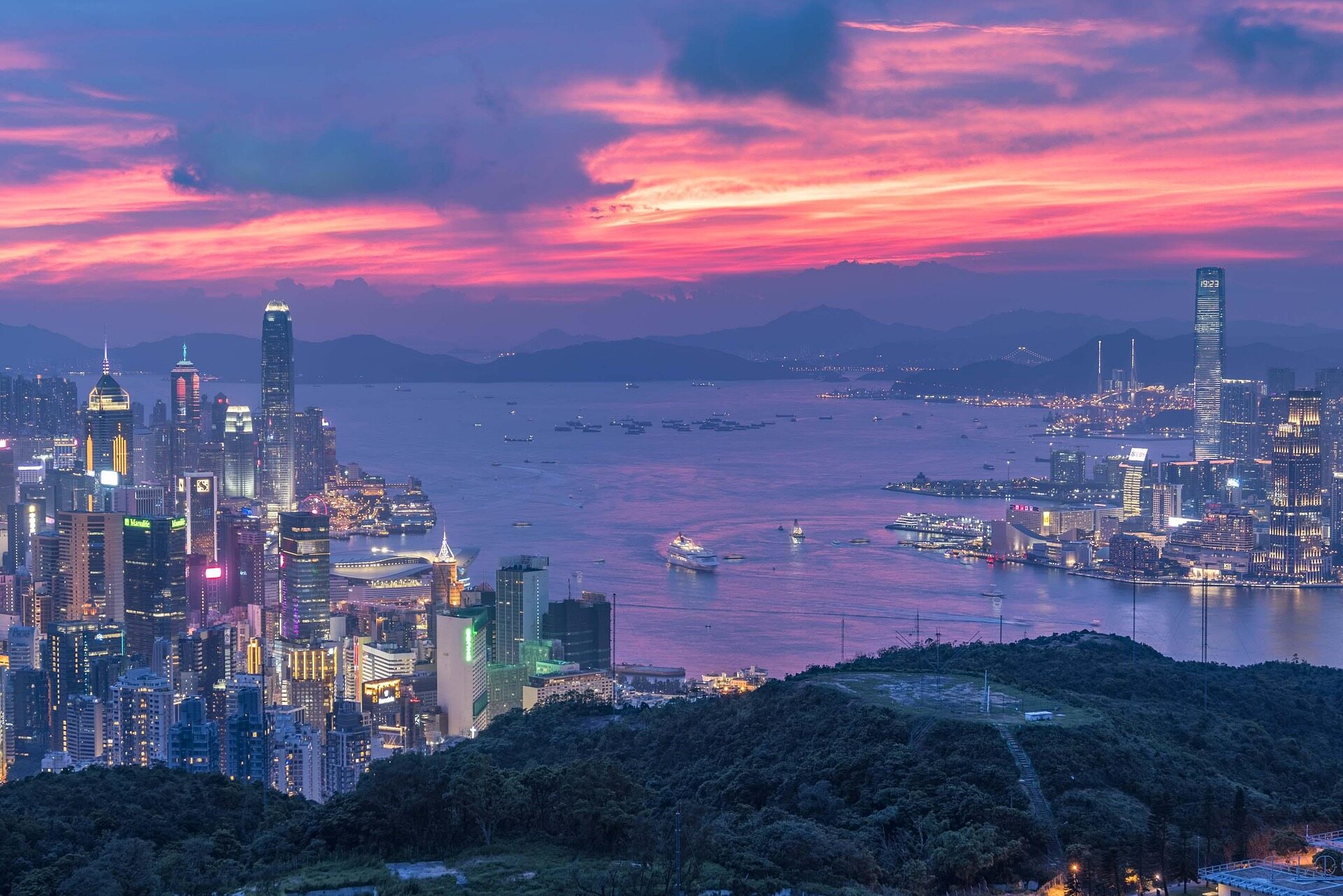
Arterial vessels in the desert
The most profound legacy of this geopolitical crisis is not the peak on the oil price K-line chart, but the physical reconstruction of the logistics map in the Middle East. Saudi Arabia is aggressively refueling the Yanbu Port along the Red Sea coast and attempting to further increase the capacity of the "East West Pipeline" connecting the eastern oil fields from 5 million barrels per day. This is not only a spare tire plan for energy exports, but also an attempt to draw an energy artery parallel to the coastline on the map. At the same time, the Fujairah Port in the United Arab Emirates is pumping blood from the Persian Gulf directly into the Indian Ocean through a daily crude oil pipeline of 1.8 million barrels, of which 700000 barrels of idle capacity can be converted into a wartime artery at any time.
More disruptive changes occur on land routes. A cross-border "land bridge" connecting the United Arab Emirates, Saudi Arabia, Jordan, and Haifa Port in Israel has entered silent operation. The truck fleet driven by logistics technology companies such as Trucknet and Puretrans has compressed the originally 14 to 21 day sea voyage around Cape of Good Hope to 4 days. This is not only a tactical evasion of Houthi armed attacks in the Red Sea, but also a strategic detour against the risk of blockading the Strait of Hormuz. When trucks replace giant ships as the main transportation force, the land rights value of the Middle East as the center of the "world island" is instantly activated.
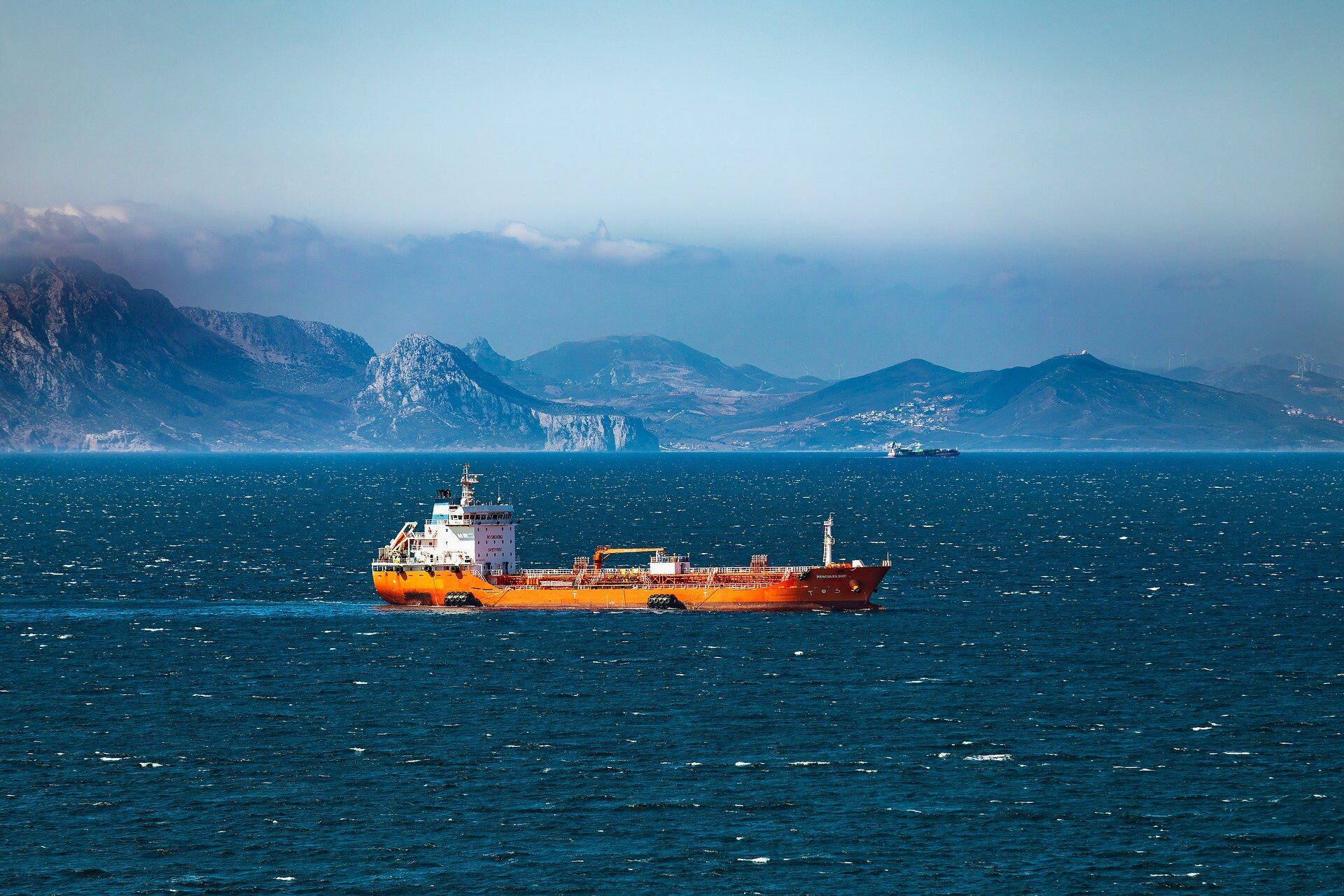
The darkest moment of high-tech supply chain
This crisis unexpectedly pierced the Achilles heel of the high-tech industry. 38% of the world's helium is produced in Qatar, which is an essential coolant for chip manufacturing. As the strait was blocked, the helium inventory of Samsung and SK Hynix was in short supply, with prices skyrocketing by 30%. This heavy blow has awakened global tech giants: supply chain resilience is far more important than efficiency. In order to maintain the production capacity of AI servers and data centers, capital has begun to pour into the Middle East land transportation network at no cost, driving shipping giants such as Maersk to quickly shift towards multimodal transport. For the technology industry, which is at the core of the AI computing power race, any movement in the Strait of Hormuz is no longer a distant geopolitical noise, but a sword of Damocles hanging directly above its head.
Generate a super cycle of infrastructure construction
Capital has the most sensitive sense of smell. The emergency loan of 2 billion dollars from the World Bank went to Türkiye and other transportation hubs, aiming to open up the "development road" of the Persian Gulf northward through Iraq; The India Middle East Europe Economic Corridor, which has been put on hold for many years, has also gained substantial acceleration due to this crisis. The former tense regional neighbors have sat at the same negotiating table under the common interest of "de risking". The statement by the UAE Minister of Foreign Trade that the trend of leaving the Strait of Hormuz is irreversible actually declares the end of an old era. Keywords: Strait of Hormuz, Middle East
The "suspension of navigation" warning in the Strait of Hormuz is actually the starting gun for the transformation of the Middle East economic model. It declared the end of the era that relied solely on maritime transportation, and a three-dimensional, decentralized logistics network consisting of pipelines, railways, and ports is emerging in the desert. For global investors, this is not only a defensive layout to avoid geopolitical risks, but also the beginning of a decade long infrastructure super cycle. When the strait is no longer the only lifeline, the Middle East will no longer be just a warehouse for energy, but a truly global logistics hub connecting Asia, Europe, and Africa.Editor/Cheng Liting
Comment




 Praise
 Collect
 Comment

 Share
Share


Write something~