 Search


- An energy revolution about light and wind has quietly reshaped China's development trajectory
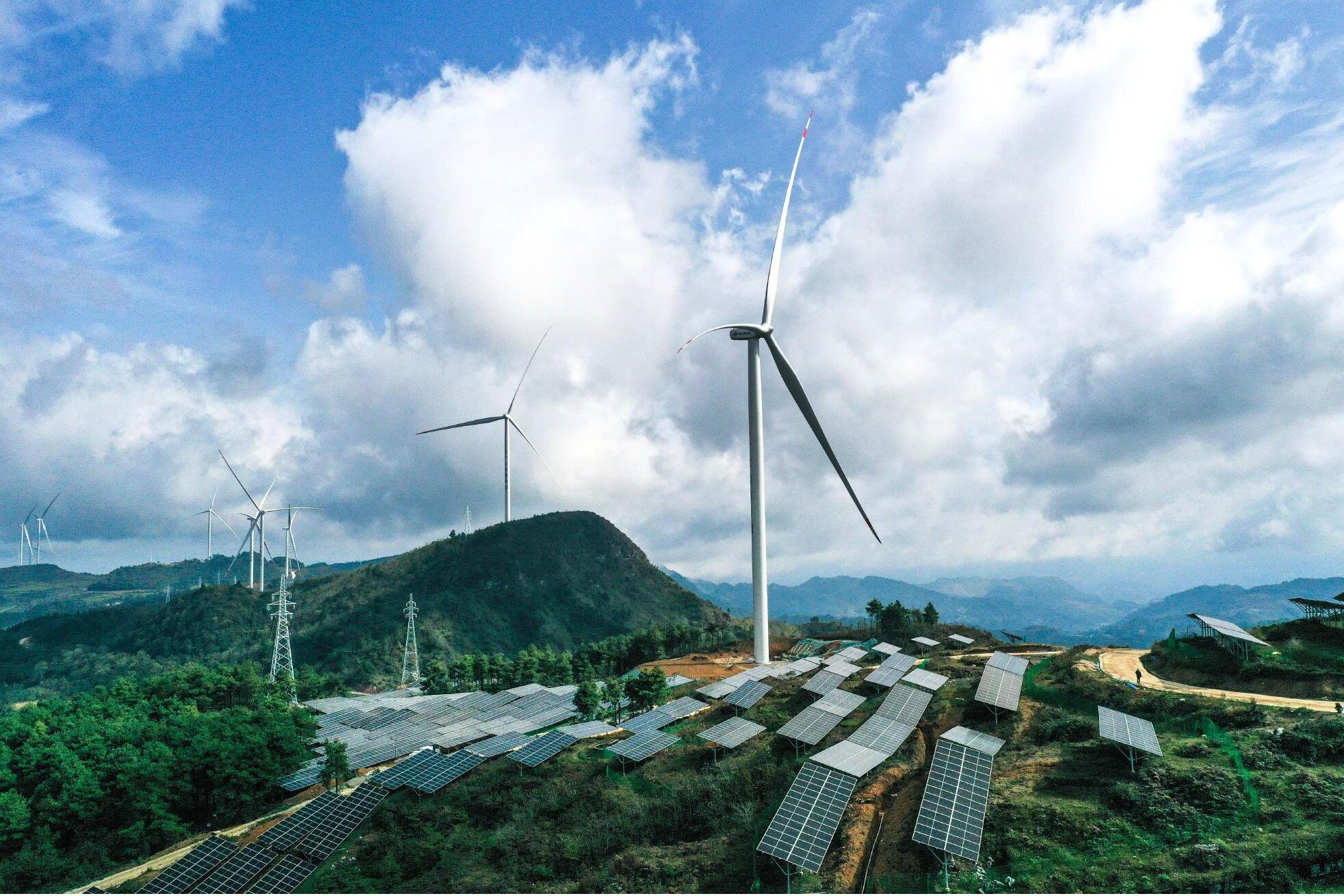
As of March 2026, the list of key scenic projects released by 14 provinces across the country has amazed the industry. The total scale exceeds 137GW, which is equivalent to 137 million kilowatt nuclear power units operating simultaneously. Shandong, Gansu, Hebei, Jiangsu, Tianjin, Fujian, Ningxia, Shanxi, Zhejiang, Sichuan, Hainan, Anhui, Jiangxi, Guizhou, from the eastern coast to the western Gobi, new energy projects cover almost half of China. There are 304 wind power projects alone with an installed capacity of 66.15GW, and photovoltaics are particularly strong, reaching 9GW in Gansu Province alone.
This is not simply a pile of numbers, behind it are the hard constraints of the dual carbon target. The timetable for peaking carbon emissions by 2030 and achieving carbon neutrality by 2060 is very tight, and the transition to traditional energy requires a time window. Wind and solar power must take the lead. Shanxi has directly planned a 15GW provincial-level large-scale scenic base, while Yunnan has included a 32GW scenic list among 1677 provincial-level major projects. This ubiquitous layout is actually aimed at holding the energy bowl in one's own hands.
Dual breakthrough of cost and technology
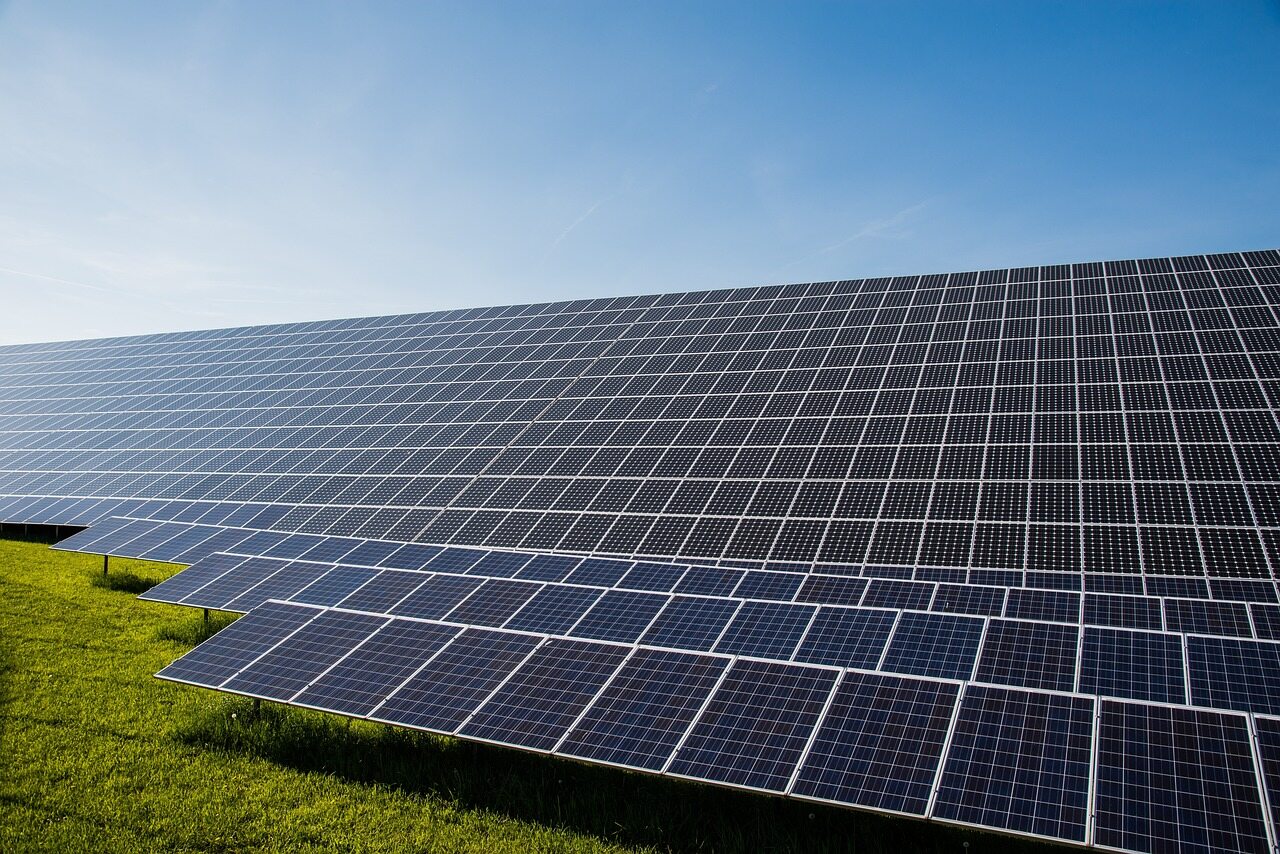
Don't be scared by the huge investment scale, wind and solar power are actually very cost-effective. A 137GW nuclear power plant would cost 2.74 trillion yuan and require the disposal of nuclear waste, while wind and solar power would only cost around 1.2 trillion yuan. More importantly, the site selection is flexible, where the wind is strong, where to build, and where the light is good, where to lay. On the Gobi Desert in Gansu, the sight of the illuminated board is endless; Floating wind turbines have started to rotate on the sea surface of Fujian.
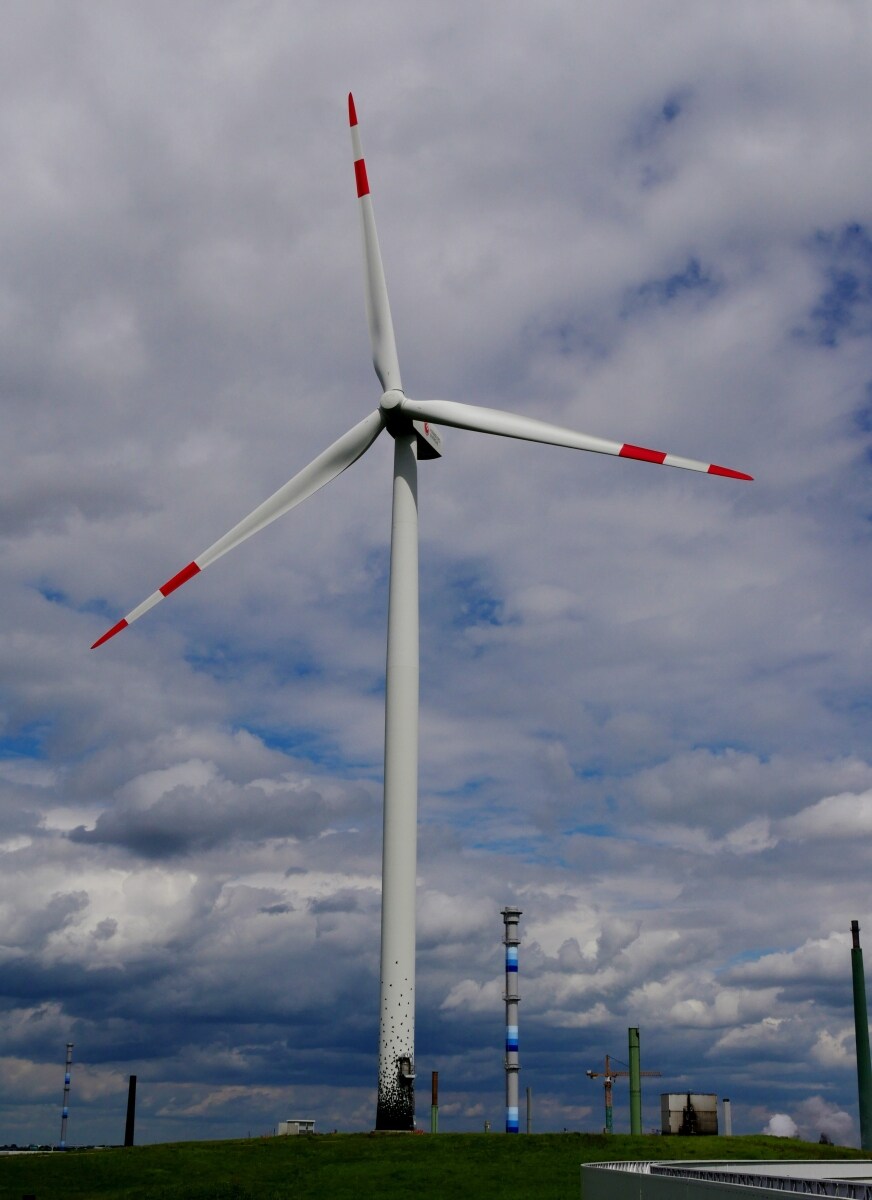
Technological iteration is the core driving force. Nowadays, wind turbines are no longer the mainstream of 1.5MW, 8MW, or even 10MW turbines from the past. One rotation of the blades can generate 20 kWh of electricity. On the photovoltaic side, the conversion efficiency from monocrystalline silicon to HJT has long exceeded 25%. Now the cost of wind power per kilowatt hour has dropped below 0.2 yuan, and photovoltaic power has dropped below 0.3 yuan, which is cheaper than thermal power. That's also why the investment in the power grid in the first quarter was able to hit 167.45 billion yuan, burning 1.8 billion yuan every day, because the power supply is too fast, and the ultra-high voltage and smart grid must keep up, otherwise it's useless if electricity cannot be delivered.
Growing Pains and Future Prospects
But this 137GW is not without hidden concerns. The biggest headache is still the lack of land, difficulty in integrating into the power grid, and inability to keep up with energy storage. How to balance the beautiful scenery in the west with fewer people and the high electricity consumption in the east with less land? The current approach is to generate electricity on top of photovoltaic panels and farm and raise sheep underneath, implementing a photovoltaic+mode. As for the issue of fluctuations, new technologies such as flow batteries and compressed air energy storage are crazily catching up on the lessons.
The most tangible benefits of this wave of large-scale construction are employment and safety. The manufacturing of wind turbine blades, installation of photovoltaic panels, and operation and maintenance of the power grid can drive employment for hundreds of thousands of people through 304 projects. More importantly, 70% of China's oil is imported, while wind and light are local resources that cannot be used up or taken away. Keywords: new energy, energy map
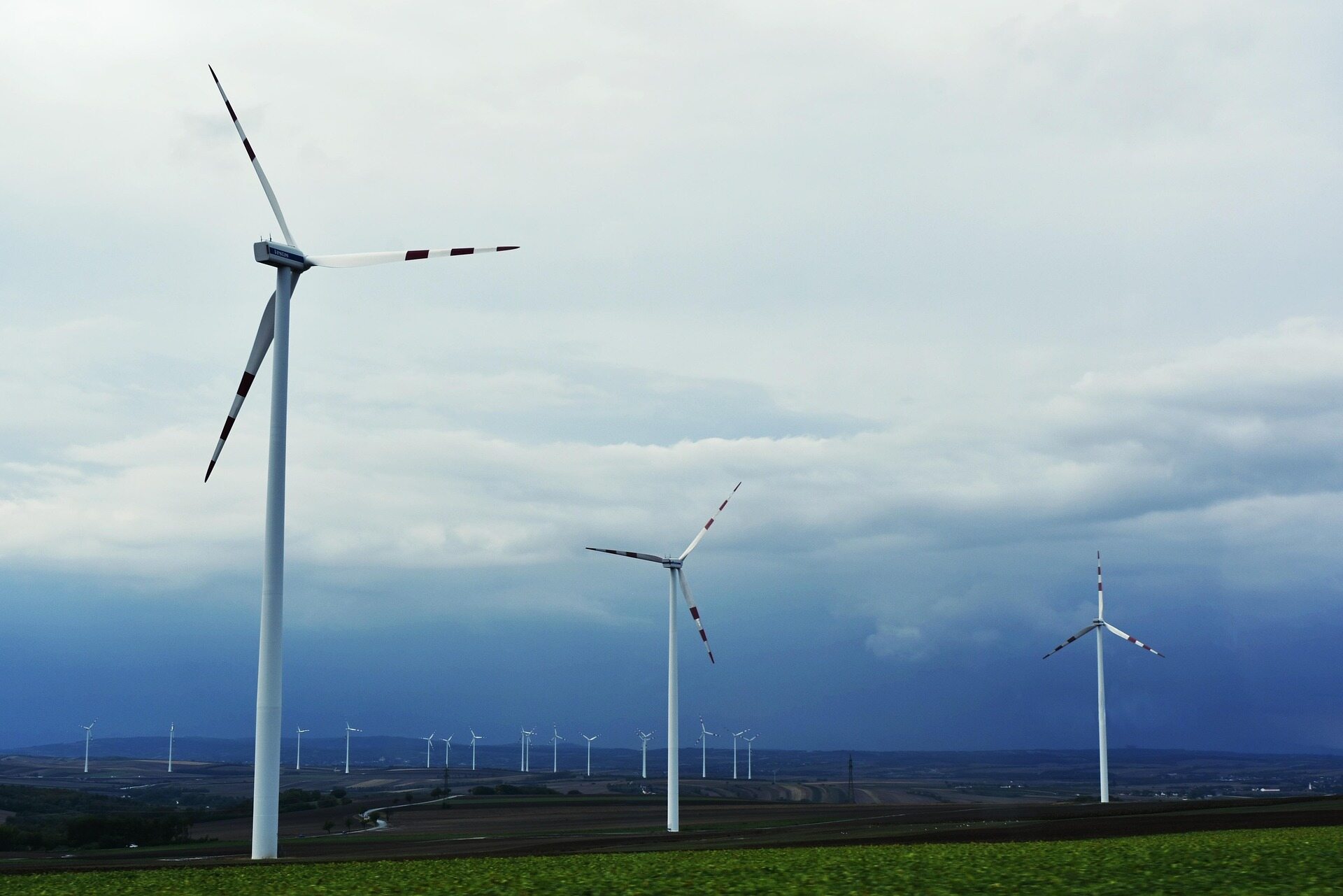
There is room for a decrease in future electricity prices, and there will be more blue skies and white clouds. 137GW is just the beginning, far from the goal of 1.2 billion kilowatts by 2030, but the wind has changed, and new energy is becoming the absolute main force from supporting role.Editor/Cheng Liting
Comment

 Praise
 Collect
 Comment

 Share
Share


Write something~