 Search


- China has more than 140 humanoid robot manufacturers and 330 product models.
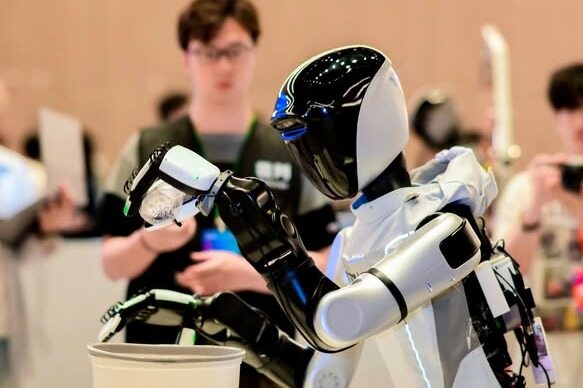
The "2026 Standard System for Humanoid Robots and Embossed Intelligence" was released at the annual meeting of the National Technical Committee on Standardization of Humanoid Robots and Embossed Intelligence held in Beijing on Saturday. Organizers called it China's first top-level design covering the entire industry chain and lifecycle of humanoid robots and embodied intelligence.
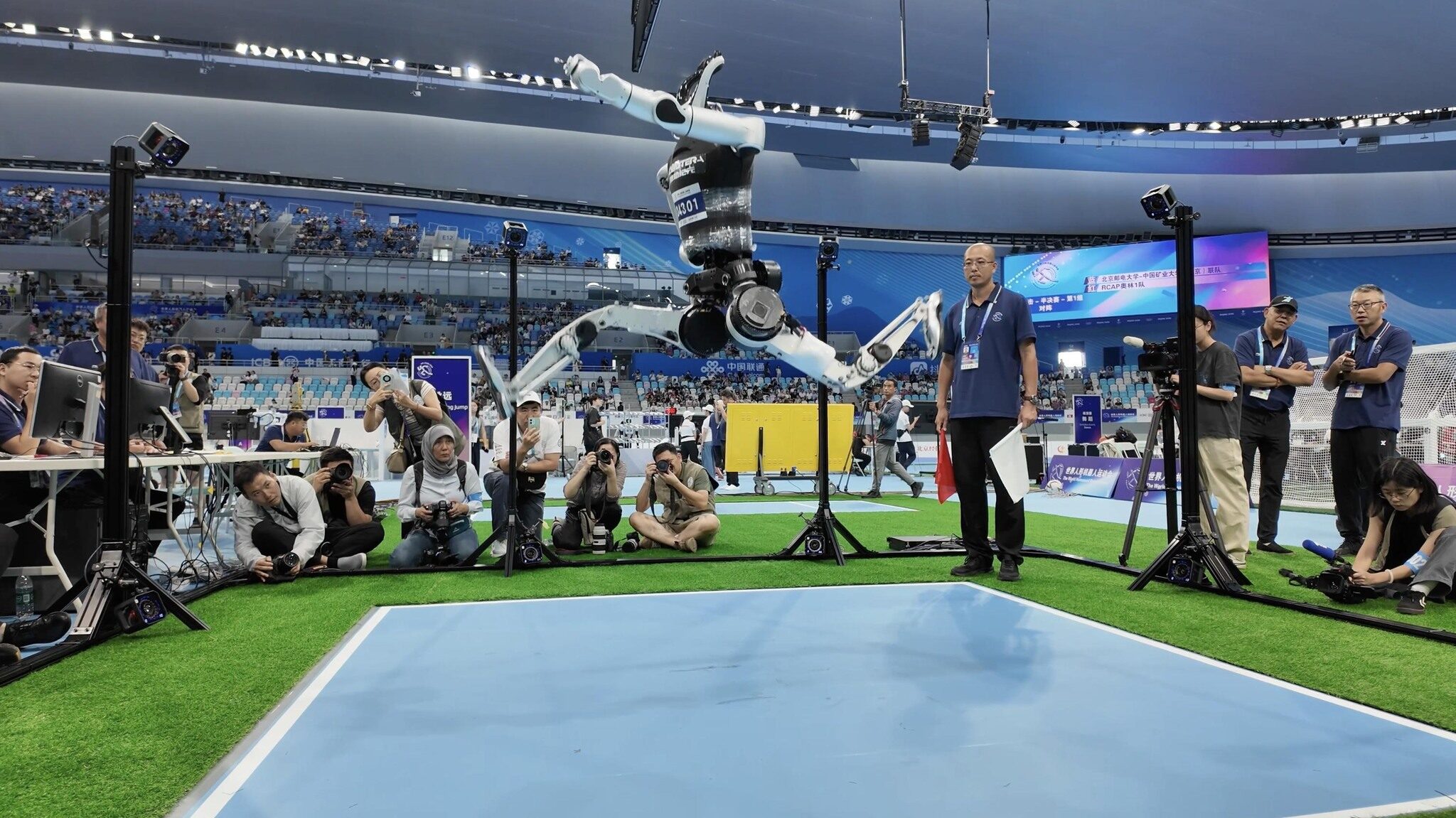
According to data from the Ministry of Industry and Information Technology in January, China has more than 140 humanoid robot manufacturers and 330 product models. Industry insiders generally believe that 2026 will be a crucial year for the transition to large-scale mass production.
Public interest in humanoid robots is also growing. According to Zheng Xiaodan, head of JD.com's intelligent robot business unit, humanoid robots made frequent appearances during this year's Spring Festival, and sales of related products on the JD.com platform surged accordingly. However, the large-scale practical application of humanoid robots still faces challenges.

During panel discussions, several executives pointed out that consistency in manufacturing processes is a major challenge.
"Humanoid robots involve a complete supply chain—from networks and components to complete systems, operating systems, and algorithms," said Chen Jianyu, founder of Robotera.
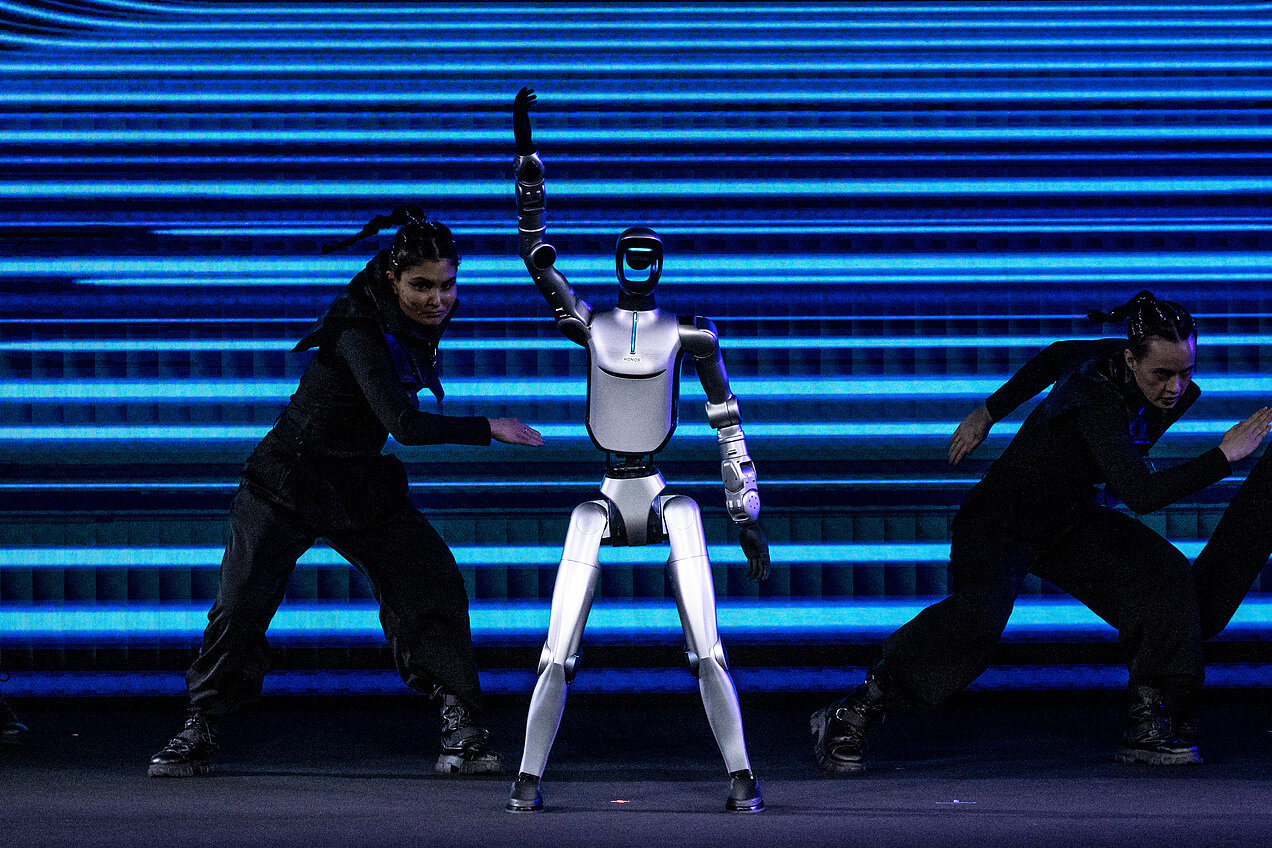
Gao Jiyang, founder of robotics startup Galaxea, added that even minute mechanical differences between units are amplified when integrated with large base models, necessitating systematic calibration to integrate sensors, structures, and software into a unified framework.
Hardware maturity remains uneven. Attendees pointed out that key components such as high-torque joints and dexterous robotic arms have not yet achieved stable economies of scale, resulting in high costs and limiting predictable scalability.
Besides hardware, data was repeatedly cited as a structural bottleneck.
“We still lack high-quality embodied data and related standards,” said Wang Zhongyuan, director of the Beijing Institute of Artificial Intelligence. He added that inconsistent data formats and annotation methods among companies create information silos, forcing developers to duplicate tasks.
The newly released framework aims to address these challenges. Its structure covers six major areas: foundational standards, neuromorphic computing and intelligent processing, humanoid structures and components, complete systems, applications, and safety and ethics. The framework reflects the coordinated opinions of government agencies, research institutions, enterprises, and universities.
 “For robots to be truly applied in the real world, industry standards are crucial,” said Wang Xingxing, founder and vice chairman of the committee for Unimai Robotics. He believes that unified task definitions, evaluation systems, and safety protocols are urgent priorities.
Currently, there are no globally recognized standards for humanoid robots. Xu Jincheng, founder and CEO of haptic sensing company Pashinya Technology, stated that China's progress in the field of embodied intelligence has attracted international attention, and continued technological advancements will enable China to play a significant role in shaping future international norms.Editor/Cao Tianyi
Comment





 Praise
 Collect
 Comment

 Share
Share


Write something~