 Search


- Hungary becomes the core gateway for China's new energy vehicle industry chain to enter Europe
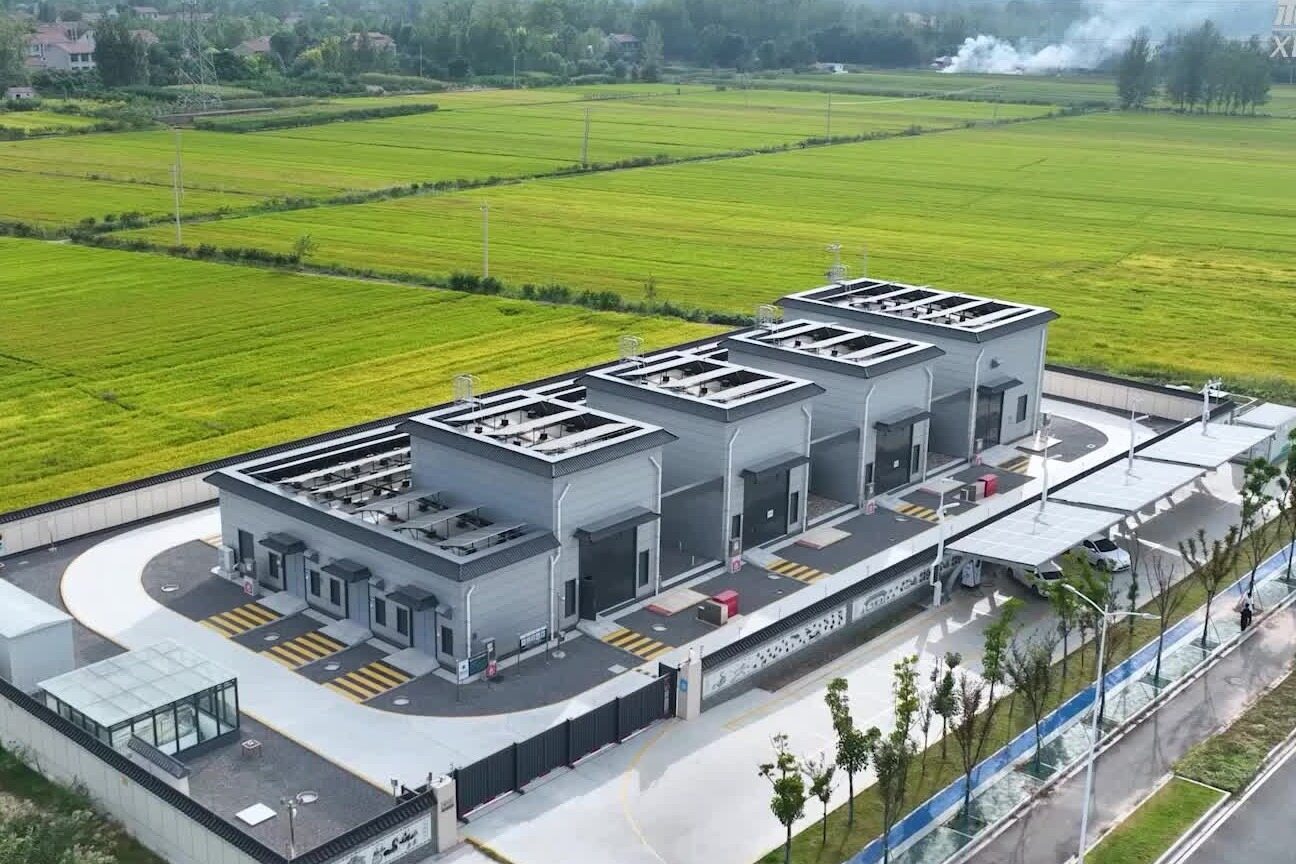
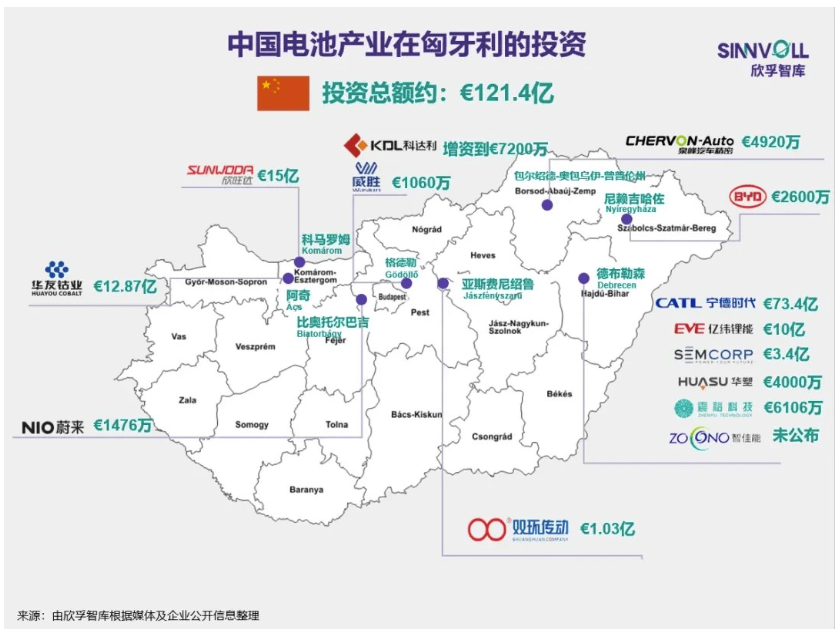
While the old industrial powers in Western Europe are still arguing fiercely about "de risking", Hungary, hundreds of kilometers away, is a bustling construction scene - CATL's 7.34 billion euro super battery factory has broken ground, BYD's first European passenger car production base has settled in Segde, and Chinese giants such as Lenovo and NIO have successively increased their investments. This landlocked country in Central and Eastern Europe, with an area of only 93000 square kilometers and a population of just over 10 million, is becoming a strategic pivot for Eastern capital to tear open the European defense line.
The Eastern color flowing in the bloodline
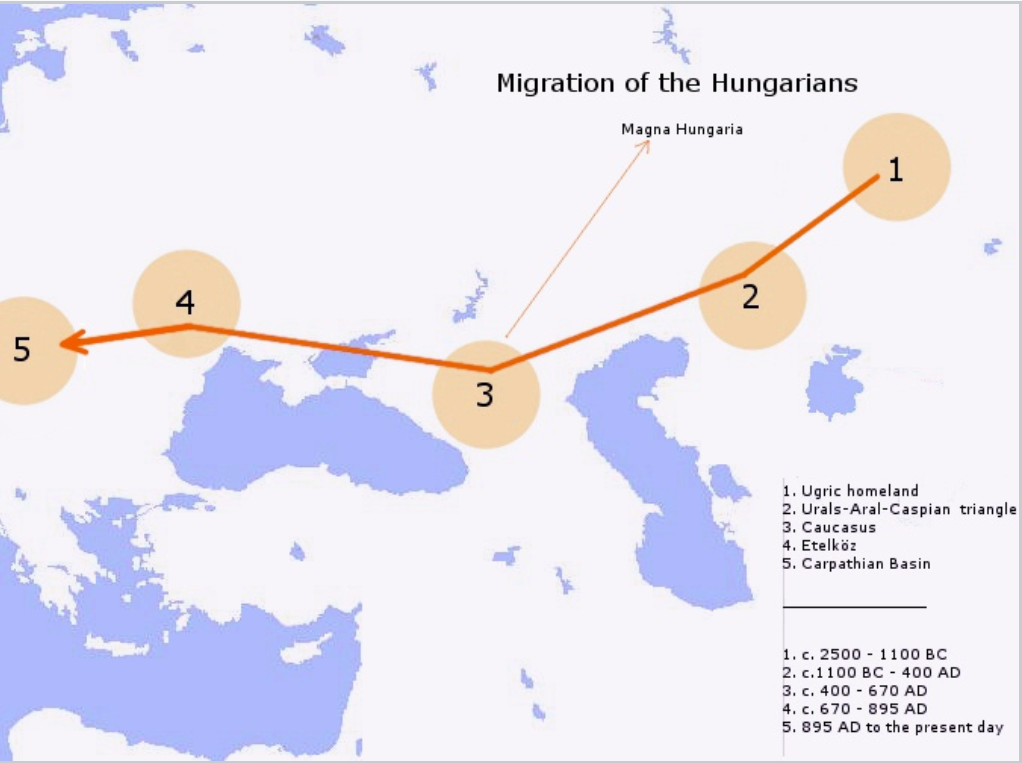
To understand Hungary's choices today, we must trace back to the millennium migration of this nation. In the year 896 AD, a group of nomadic people from the eastern Ural Mountains - the Magyars - rode horses and pulled bows and arrows, and finally stopped in the Carpathian Basin in the middle reaches of the Danube River. This is the ancestor of the Hungarians today.
Until today, the order of Hungarian names still follows the surname before the given name, which is completely consistent with East Asia; Many traditional folk songs still have a strong Eastern flavor in their melodies. This cultural barrier rooted in blood determines that they have never completely leaned towards the West psychologically.
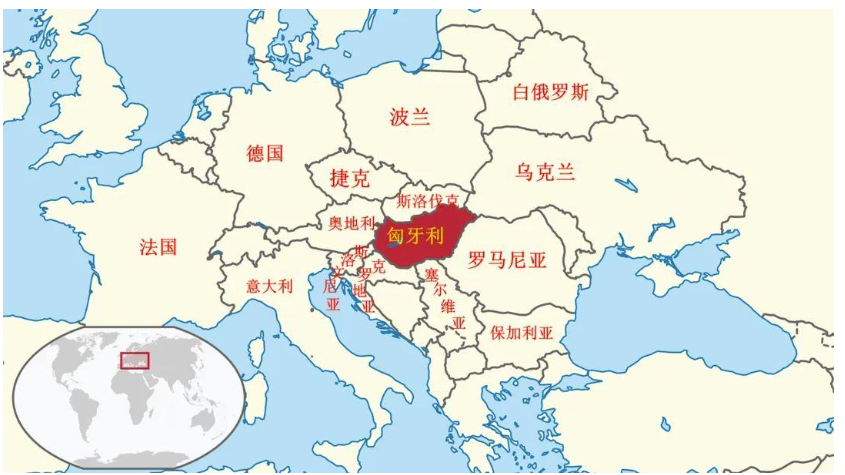
What truly made Hungarians realize reality was the heart wrenching Treaty of Trianon in 1920. As a defeated country in World War I, Hungary was forcibly ceded two-thirds of its territory and half of its population. Once a dominant regional power, it overnight became an inland small country without an outlet to the sea. The humiliation of being ruthlessly rubbed down by Western powers has deeply ingrained itself in the memory of the Hungarian nation, giving rise to an extreme sense of 'national insecurity'.
Orban's bold gamble of 'opening up to the east'
Current Prime Minister Orban has figured out the underlying logic of great power games. When the masters in Brussels threatened him with freezing billions of euros in the recovery fund to take sides, Orban didn't take it at all - he had a clear conscience in his heart: following the big boss in Western Europe who always shouted for environmental protection and political correctness, the Hungarian economy would eventually be dragged to death.
To withstand the EU's constant rhetoric and firmly embrace the rising tree in the East has become Hungary's only way to break through. This tough guy politics based on extreme pragmatism has opened a huge hole for Eastern capital in the heartland of Europe:
CATL invested 7.34 billion euros to build the largest foreign direct investment project in Hungary's history in Debrecen; BYD announces the construction of Europe's first passenger car production base in Segde; Chinese companies such as Lenovo, NIO, and Huawei have successively closed down. Compared with the absurdly high labor costs and energy prices in Germany and France, Hungary's labor force has outstanding cost performance ratio and excellent engineers' quality, which can obtain relatively cheap supply from the energy crisis after the Russia-Ukraine conflict.
More importantly, the policy environment - when other European countries use various anti subsidy investigations to disgust Eastern car companies, the Hungarian government directly lays out the red carpet: giving land, policies, and tax incentives, all the way with green lights. This kind of "through train" level treatment is unique in the entire Western camp.
The "Blood Transfusion Tube" Strategy of Factory and Railway
But the entry of Chinese capital into Hungary is not just about building a few factories. Behind the super factory lies a huge 'geo logistics spider web' - the Hungary Serbia Railway, constructed by Eastern companies. This steel giant connecting Budapest and Belgrade is a key artery in opening up the European trade route.
Imagine this scene: New energy vehicle components and high-end manufacturing equipment from the East arrive at the port of Piraeus in Greece via ocean going cargo ships, and then are directly loaded onto trains, heading north along the railway line that runs through the Balkan Peninsula and straight into Hungary. Upon arriving in Budapest, the heart of Europe, the goods were quickly distributed throughout the entire EU market.
This is equivalent to building a production base within Europe while also repairing a 'blood transfusion tube' that is not controlled by Western maritime power. The combination of factories and railways has thoroughly revitalized the heavy asset layout of Eastern Capital in Europe. When the products produced by these factories become "EU made" in the legal sense, Brussels' carefully designed trade barriers and high tariff walls instantly disappear.
The pain of old Europe and the hope of new Europe
If we shift our perspective from grand narratives to ordinary people's livelihoods, we will see a highly impactful picture of class division. While German Volkswagen workers took to the streets to protest against factory closures and large-scale layoffs, the small Hungarian town hundreds of kilometers away was thriving.
According to official data from Hungary, the total amount of foreign direct investment in 2023 exceeded 13 billion euros, reaching a historical high. Among them, direct investment from China reached 7.6 billion euros, accounting for 58%. After 2020, China has once again become the largest source of foreign investment in Hungary. In 2025, China will continue to be Hungary's largest source of foreign investment, with large Chinese enterprises such as CATL, BYD, NIO, and Lenovo promoting local industrial upgrading.
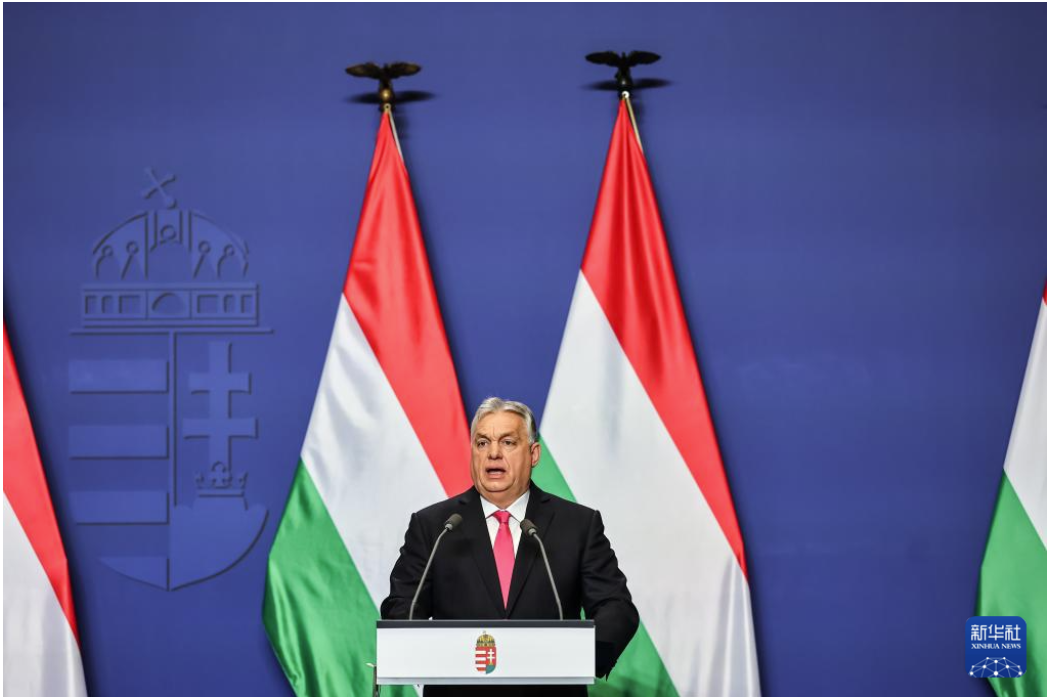
The 'Old Europe' is painfully deindustrializing, while the 'New Europe' represented by Hungary is vigorously reindustrializing by seizing the dividends of Eastern capital. Hungarian Prime Minister Orban made it clear in January 2026 that Hungary is committed to "reindustrialization" by increasing industrial output and developing high value-added industries to promote economic growth. The government provides financial support through the "Baros Gabor Reindustrialization Credit Program" and strengthens cooperation with China in areas such as electric vehicles.
On one hand, there is the anxiety of the welfare system being overwhelmed and the middle class slipping, while on the other hand, there is the hope of a large number of new jobs emerging and young people's income increasing. This stark contrast in destiny has completely torn off the hypocritical veil of Europe's so-called 'community of shared destiny'. In the face of rice bowls and survival, no one is willing to bury the declining old hegemony. Keywords: Social Review News Network, New Energy
The Danube River still flows quietly, but beneath its surface, a geopolitical tide capable of changing the fate of Europe is surging and surging. Hungary chose to look east not because they don't love Europe, but because they deeply realize that the hope for the future is not in the arrogant and biased Brussels office building, but on the dusty steel freight train that crosses the Eurasian continent. This grand narrative about Normandy has just finished its prologue.Editor/Gao Xue
Comment


 Praise
 Collect
 Comment

 Share
Share


Write something~