 Search


- China and Southeast Asian countries are embracing significant opportunities to deepen strategic cooperation
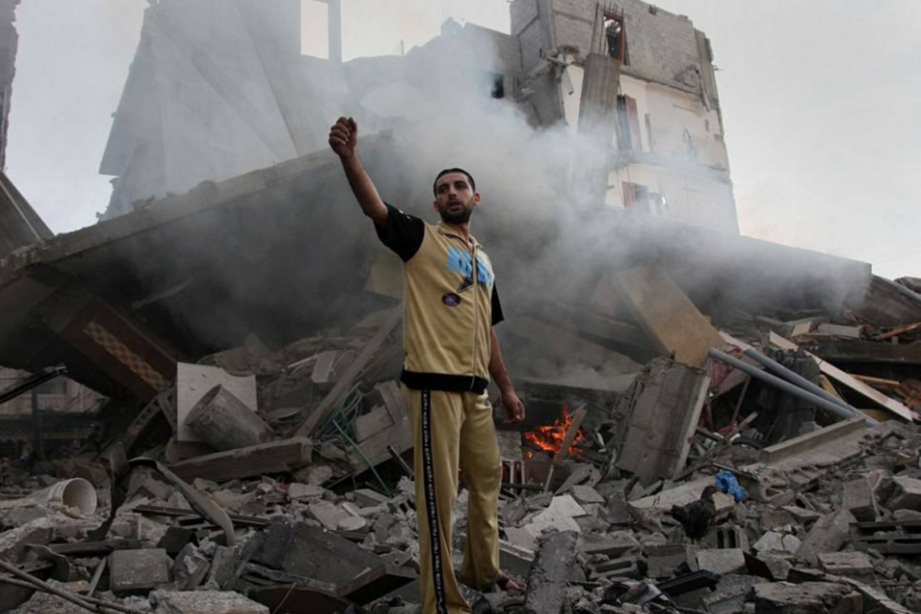
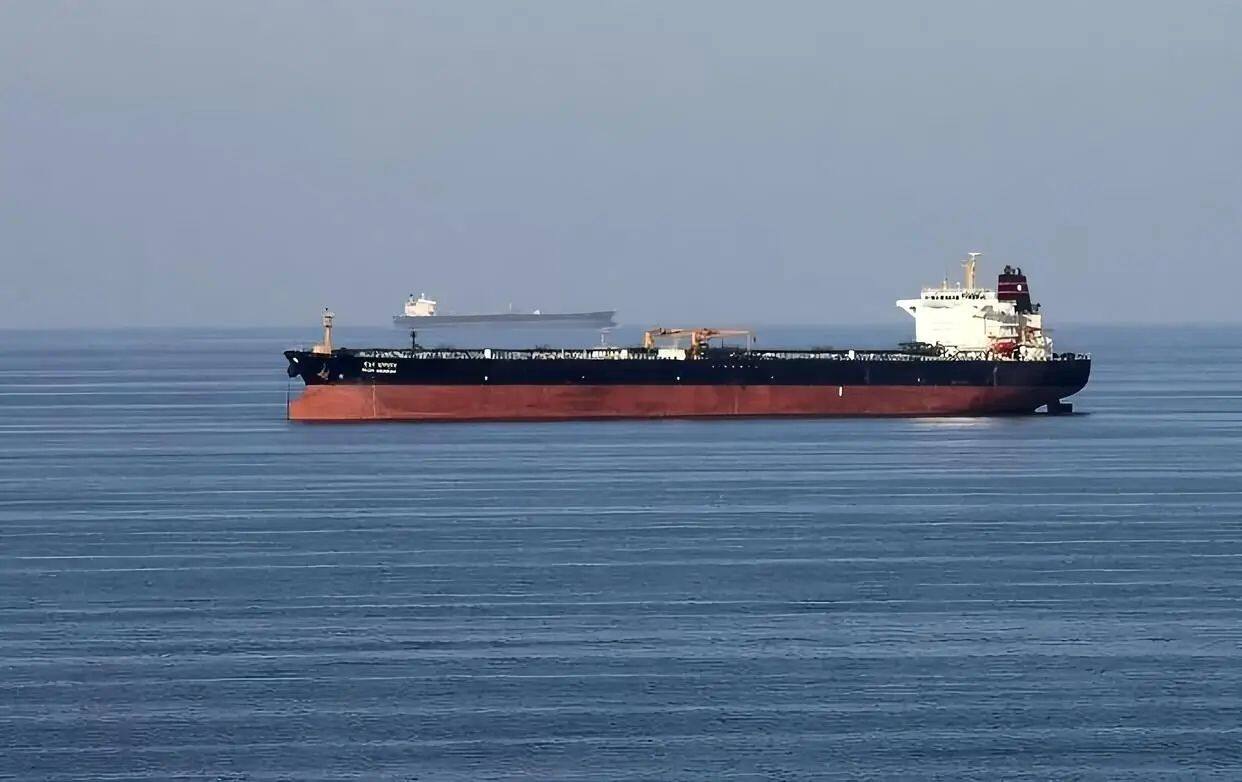
On February 28, 2026, a joint military strike between the United States and Israel, codenamed "Epic Fury," disrupted the tranquility of the Persian Gulf. With the death of Iran's Supreme Leader Khamenei in an attack, the war quickly spread throughout the Gulf region. The Iranian Islamic Revolutionary Guard Corps immediately announced the blockade of the Strait of Hormuz, instantly cutting off the global energy "throat". A tanker attempting to pass through was hit and sunk, and international oil prices skyrocketed by 13%.
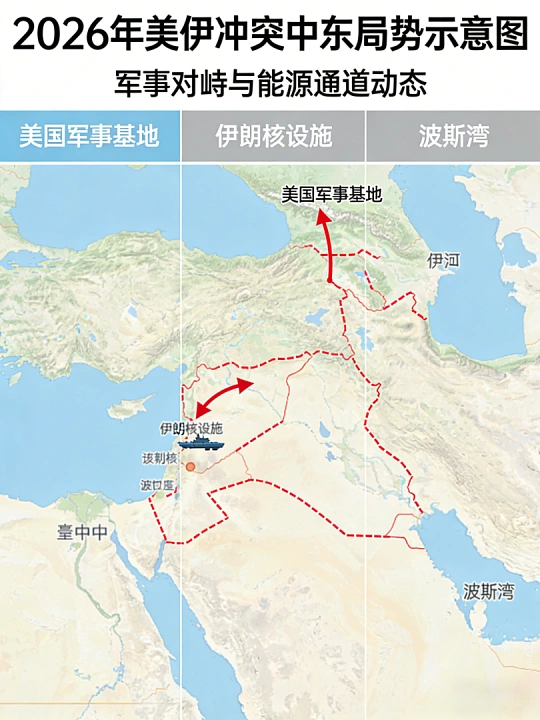
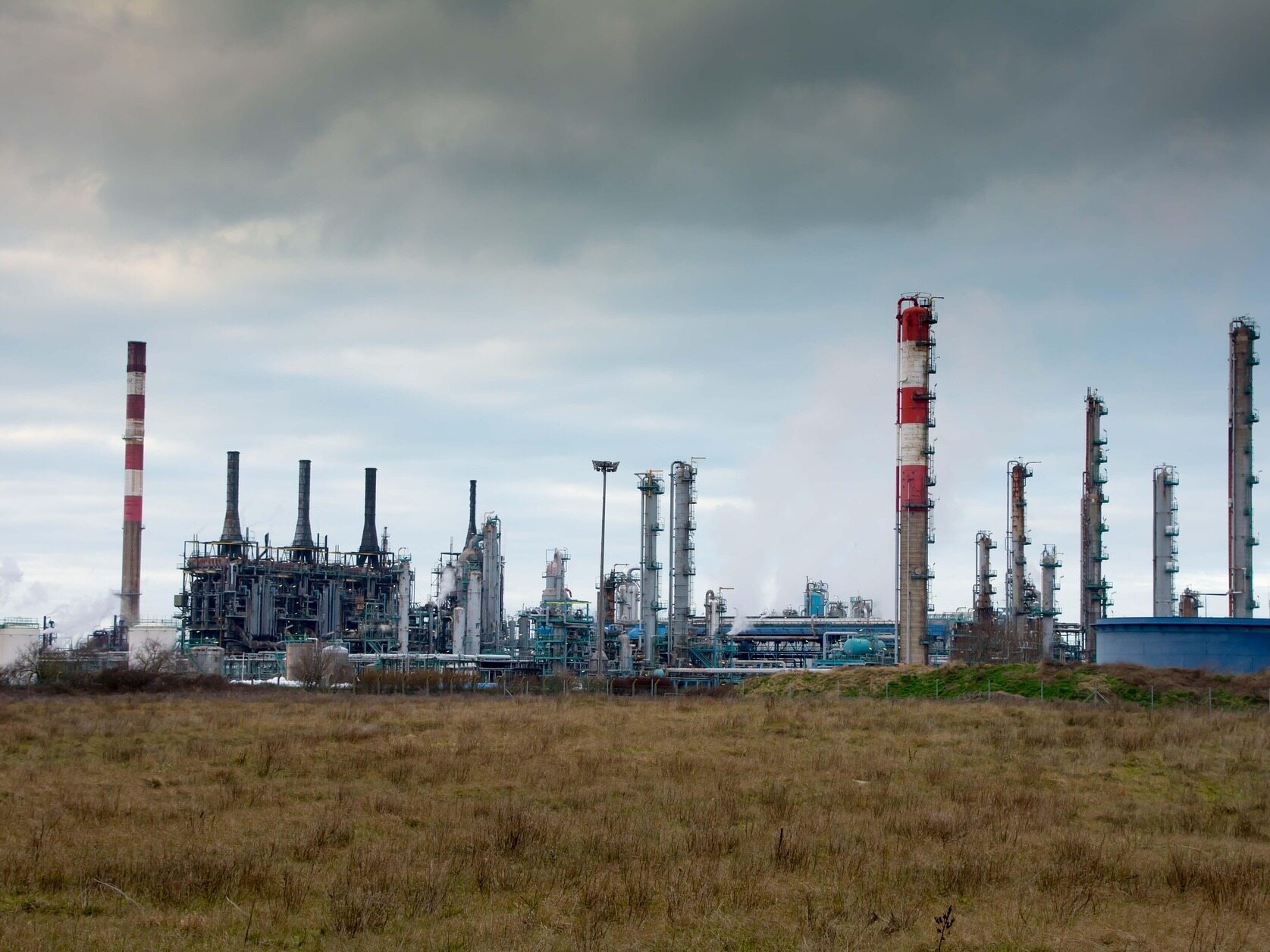
This sudden crisis not only plunged Gulf countries such as the United Arab Emirates and Kuwait into flames, but also made Southeast Asian countries thousands of miles away feel the pain firsthand. Data shows that 56.48% of Thailand's crude oil imports rely on the strait, and Singapore will import 2.2 million tons of liquefied natural gas through this channel by 2025. Faced with the common crisis of "supply cut-off", China and Southeast Asian countries are accelerating their alliance and trying to find new ways out in the turmoil.
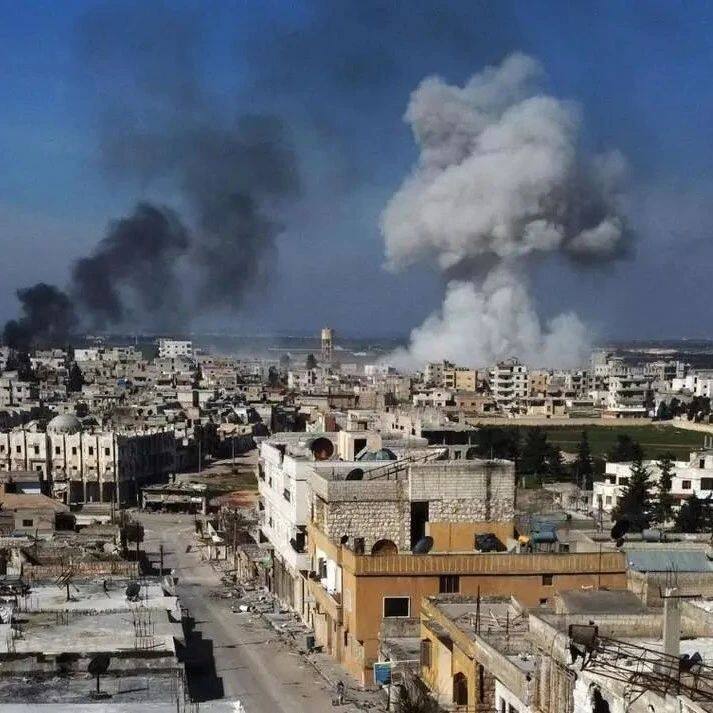
The Strait of Hormuz is paralyzed
On February 28th, Israeli Defense Minister Katz announced the launch of a military operation codenamed "Roaring Lion", and the US military immediately followed suit with full force. Thick smoke billowed over Tehran, and the Iranian presidential palace and multiple military bases were attacked. The next day, the news of the death of Iran's Supreme Leader Khamenei was officially confirmed, and the situation in the Middle East instantly spiraled out of control.
The war has not stopped on Iranian soil. According to Xinhua News Agency, there were multiple loud explosions in Dubai, United Arab Emirates, and a fire broke out at the iconic Jumeirah Sailor Hotel. Kuwait Air Force Base and Bahrain US Army Base have been attacked one after another, causing chaos along the Persian Gulf coast.
Faced with a joint attack by the United States and Israel, the Iranian Islamic Revolutionary Guard Corps Navy announced on the evening of February 28th that it would prohibit any ships from passing through the Strait of Hormuz. Less than 24 hours after the ban came into effect, an oil tanker attempting to forcefully pass through was hit by a missile and sank. Ship tracking data shows that the shipping speed of this channel, which undertakes about 20% of global crude oil trade by sea, has generally dropped to zero and is actually paralyzed.
Shipping giants Maersk and Hapag Lloyd have urgently announced the suspension of all routes passing through the Strait of Hormuz. More than 150 oil and gas tankers loaded with oil and gas have been forced to anchor and observe outside the Gulf of Oman, posing a severe challenge to the global energy supply chain.
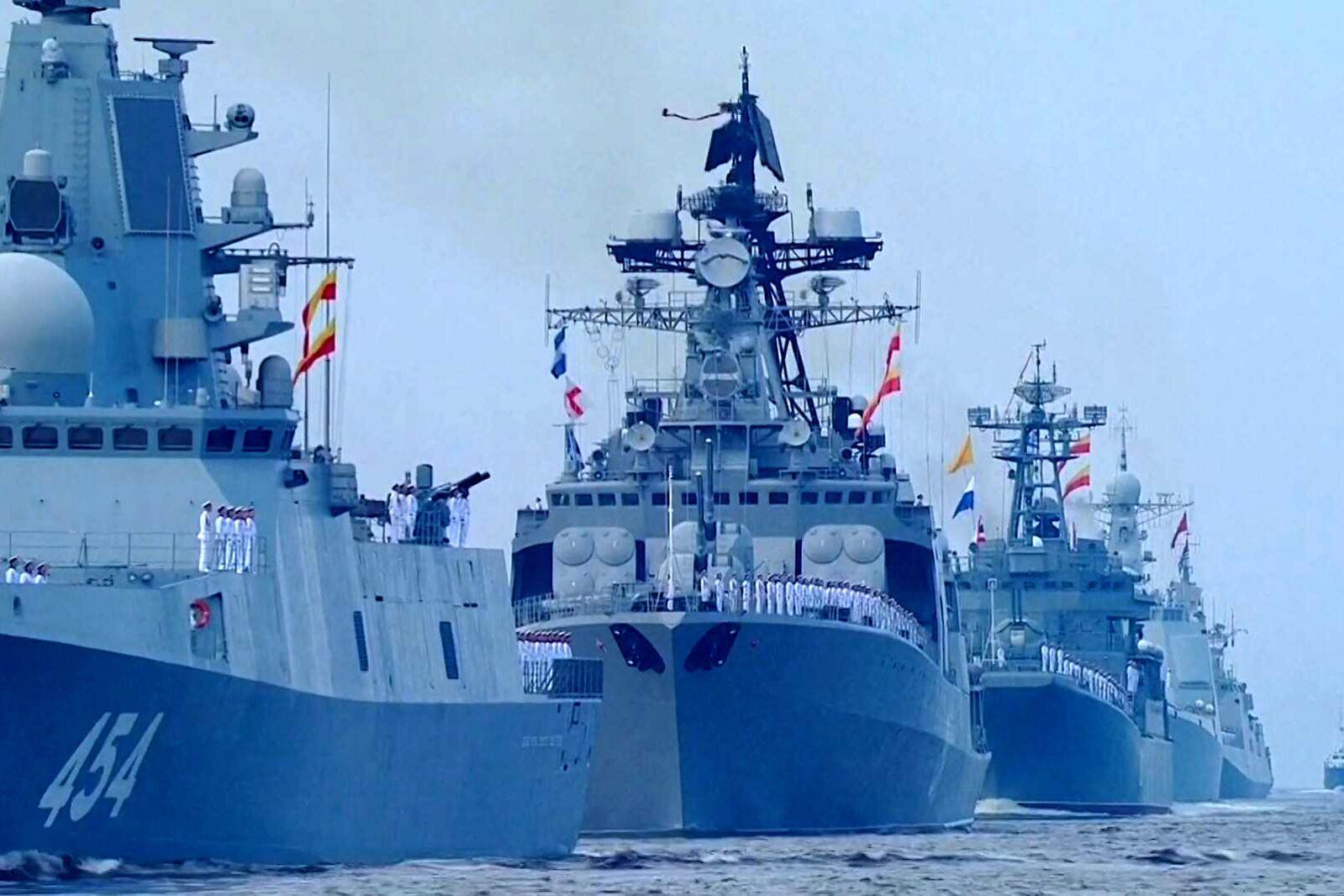
Southeast Asia is mired in energy anxiety
The blockade of the Strait of Hormuz caught Southeast Asian countries highly dependent on Middle Eastern oil and gas off guard. According to data from the National Shippers Council of Thailand, in the first five months of 2025, the total proportion of crude oil imported by Thailand from the United Arab Emirates, Saudi Arabia, and Qatar reached 56.48%, all of which need to be transported through the Strait of Hormuz.
Faced with the crisis, Thailand has urgently activated emergency mechanisms: suspending oil exports, using fuel funds to subsidize oil prices, and ordering coal-fired and hydroelectric power plants to operate at full capacity.
As a regional liquefied natural gas trading center, Singapore has imported 2.2 million tons of liquefied natural gas through the Strait of Hormuz since 2025. Qatar and the United Arab Emirates' liquefied natural gas exports account for 27% of Asia's total imports, and the strait blockade has directly impacted Singapore's energy supply stability.
Countries such as the Philippines and Vietnam, which are highly dependent on importing crude oil from the Middle East, are also facing severe challenges. Vietnam has urgently deployed response measures, requiring the acceleration of power and transmission project construction, and urgently researching and deploying battery energy storage systems.
China and ASEAN join forces to build an energy lifeline
In the face of common energy security challenges, China and Southeast Asian countries are accelerating the interconnection of energy infrastructure. As a forefront of China ASEAN open cooperation, Guangxi is actively studying and formulating cross-border energy cooperation plans, clarifying key projects such as natural gas pipeline interconnection and the joint construction of liquefied natural gas receiving stations.
The cross-border power grid interconnection projects between China and Laos, China and Vietnam, China and Myanmar are accelerating, aiming to support the ASEAN power grid's transition from bilateral trade to multilateral integration and create a "backup channel" for regional energy supply.
The changes in the Middle East have once again confirmed the institutional lethality of the US dollar hegemony. The China ASEAN Action Plan (2026-2030) has explicitly supported the Asian Bond Market Initiative and promoted the development of local currency bond markets in the region.
Since the second half of 2025, the central banks of ASEAN and the Gulf Cooperation Council, as well as Chinese regulatory authorities, have launched pilot projects for local currency settlement between RMB and Malaysian Ringgit, and RMB and UAE Dirham. These mechanisms aim to reduce external financial volatility risks and enhance economic autonomy and resilience.
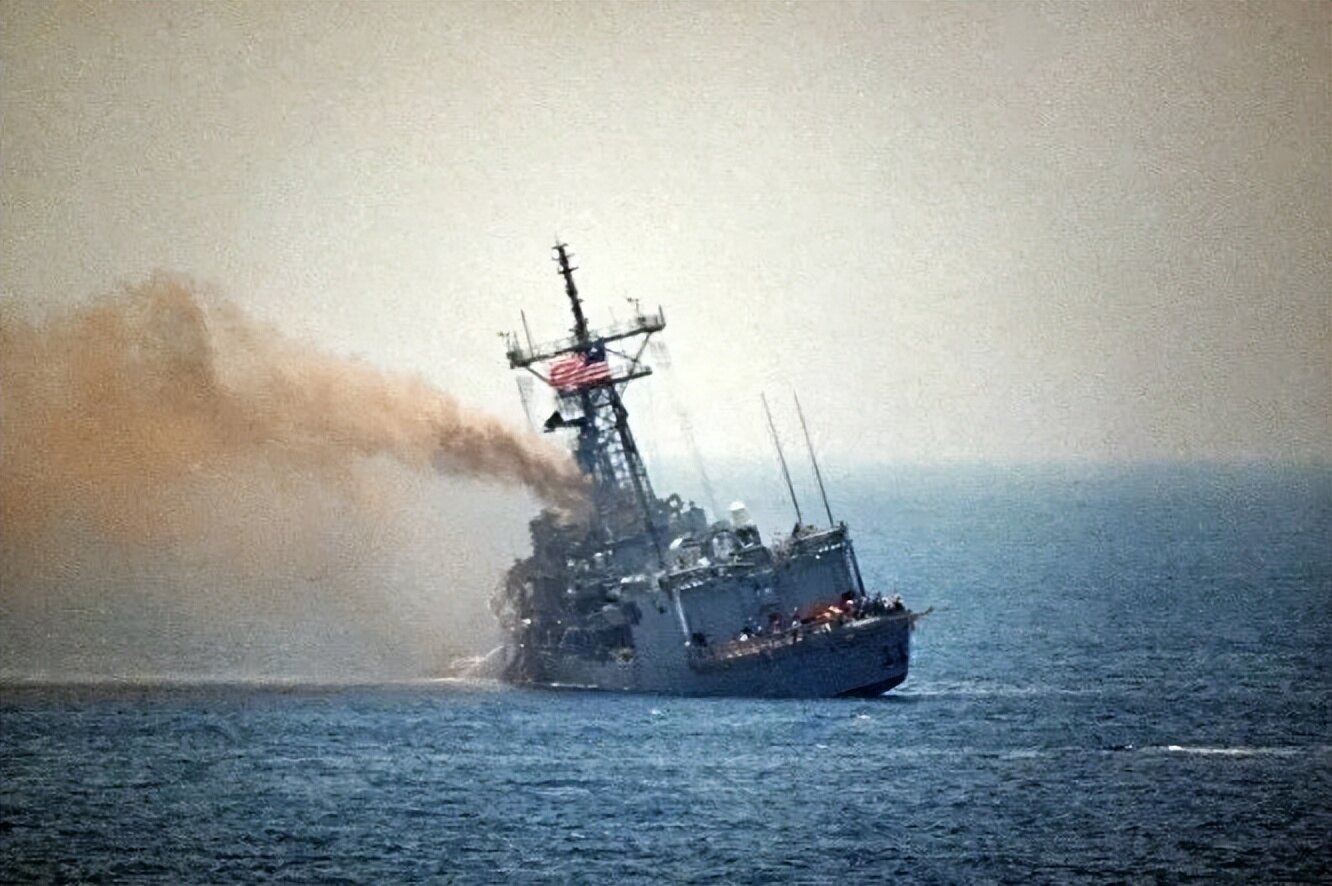
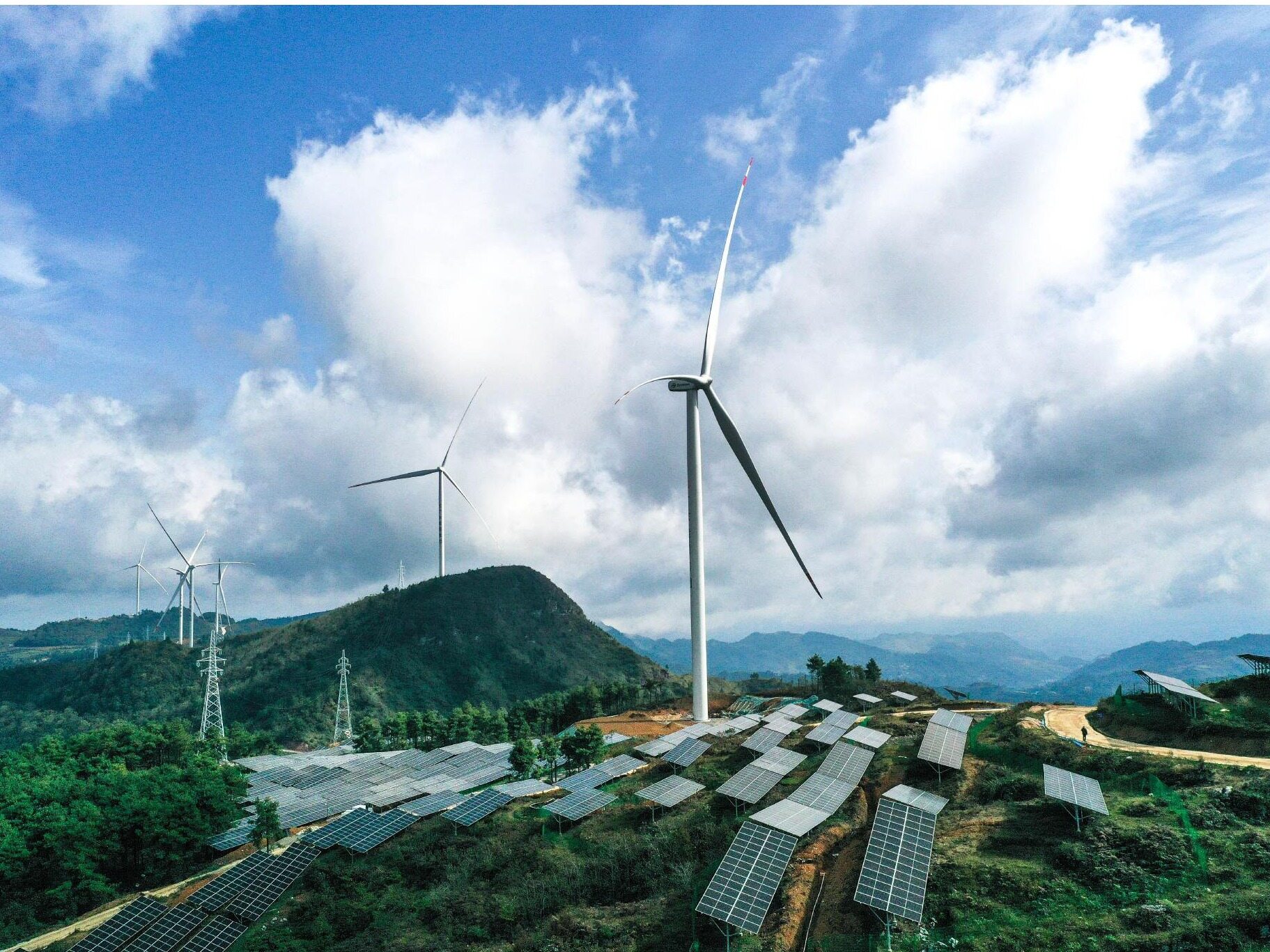
Faced with the uncertainty of traditional energy supply, China and Southeast Asian countries are turning their attention to clean energy cooperation. ASEAN has set a target of renewable energy accounting for 30% of total primary energy supply by 2030, and Vietnam has explicitly requested to deploy battery energy storage systems as soon as possible.
Chinese companies are accelerating their integration with Southeast Asian demand by leveraging their technological advantages in wind power, photovoltaics, energy storage, and other fields. Successful cases such as the Upper West Sokai Pumped Storage Power Station in Indonesia and the Bali Waste to Energy Project demonstrate China's strong capabilities in assisting Southeast Asia's energy transition.
In May 2025, the first ASEAN China GCC Summit was held in Kuala Lumpur, marking a new stage of trilateral cooperation. On March 2nd, Russian President Putin had a phone call with the President of the United Arab Emirates and the Emir of Qatar, emphasizing the need for a ceasefire and a return to the political and diplomatic process as soon as possible. This crisis is reshaping the cooperation pattern of the global South, and energy cooperation between China and ASEAN may usher in a new golden age.Editor/Yang Meiling
Comment





 Praise
 Collect
 Comment

 Share
Share


Write something~