 Search


- China leads global development with low-cost advantage
- The global transition to renewable energy is accelerating, and the cost reduction of wind and solar energy storage technology is driving the upgrading of energy structure
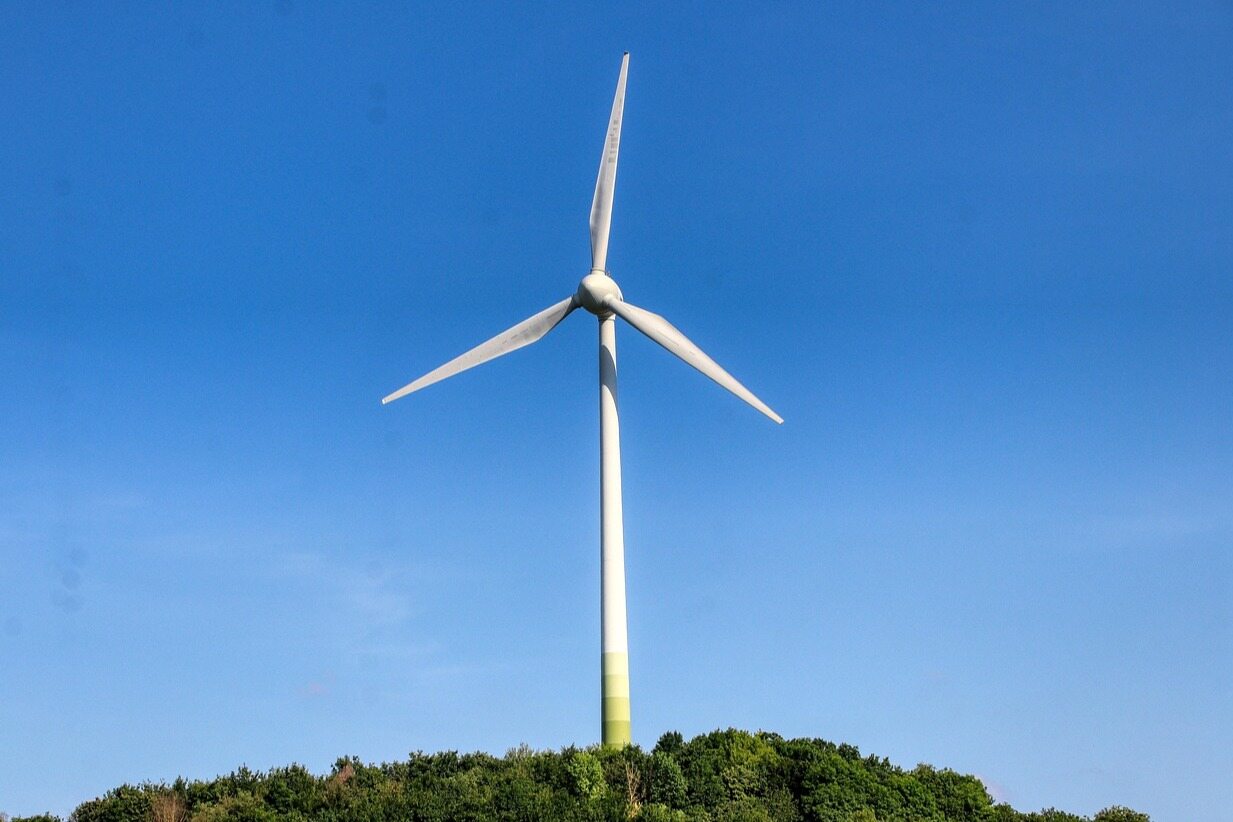
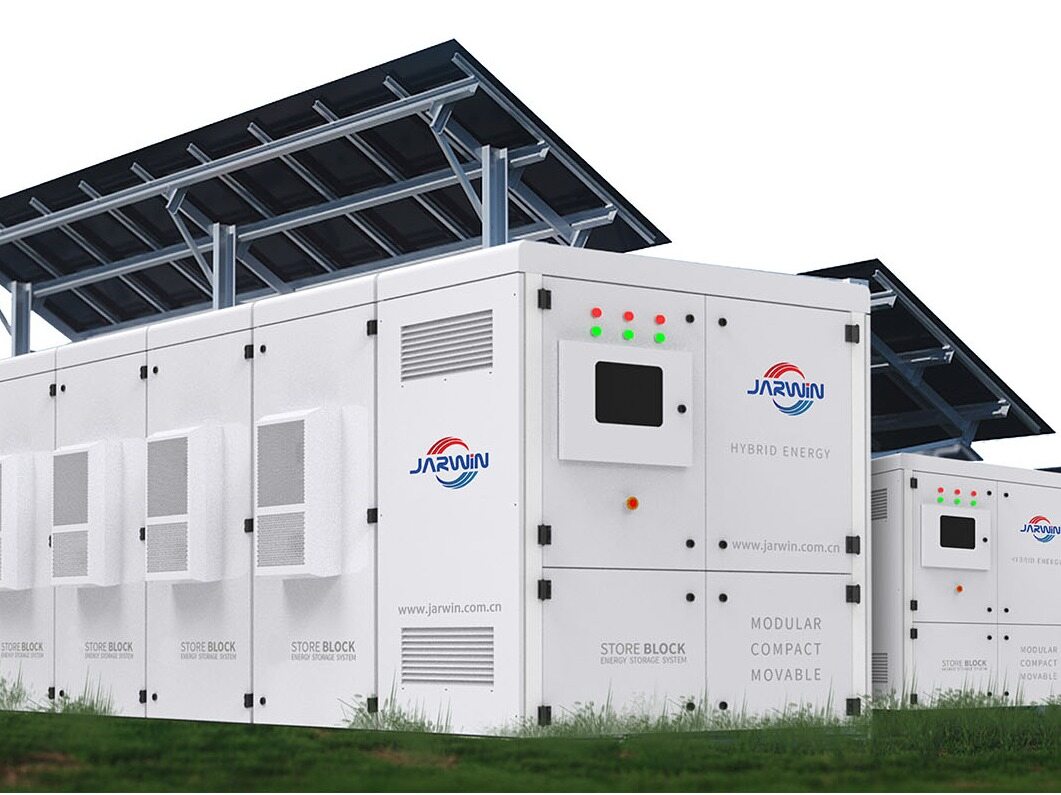
On a global scale, China has become a leader in the field of solar energy+energy storage power generation, and has achieved a photovoltaic storage power generation model that is lower than the cost of new coal-fired power generation.
The optimal choice for wind and solar energy storage
On May 6, 2026, the International Renewable Energy Agency released its latest report stating that the hybrid mode of solar and wind energy combined with battery energy storage has become an economical, reliable, and safe all-weather clean power supply method. On a global scale, China is a leading country in solar energy+energy storage power generation, and has also achieved a photovoltaic storage power generation model with lower costs than newly built coal-fired power generation. At present, renewable energy can provide stable all-weather electricity. Its advantages are not only reflected in the economy, but also at the strategic level, which can enhance the resilience, stability, and security of energy in times of crisis, "said Francisco La Camilla, Director General of the International Renewable Energy Agency.
The International Renewable Energy Agency stated that since 2010, the total installation cost of solar energy has decreased by 87%, the cost of onshore wind power has decreased by 55%, and the cost of battery energy storage has decreased by 93%. In this context, the stable levelized electricity cost of integrated wind solar energy storage is rapidly decreasing.
The Chinese model has the lowest cost
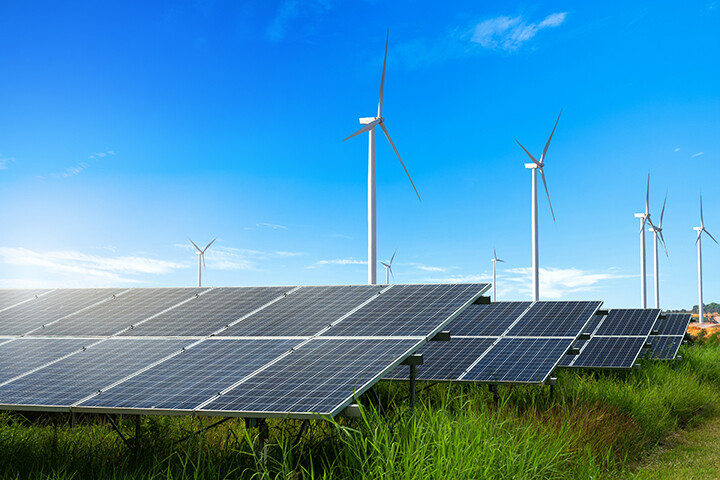
The report shows that by 2025, nearly 90 gigawatts of co located solar and energy storage projects will be put into operation worldwide, with an average comprehensive cost of less than $60 per megawatt hour. In areas with high-quality solar resources, the cost may even be lower than that of newly built coal-fired power generation. Among them, the solar energy+energy storage power generation model developed by China is the most stable and affordable in the world, far lower than the cost of new coal-fired power generation. In contrast, the cost of building a new combined cycle gas turbine in the United States has reached a record high of $102 per megawatt hour. Analysis of solar+energy storage projects in multiple countries has found that in areas with high solar irradiance, the stable levelized cost of electricity has decreased from over $100/megawatt hour in 2020 to approximately $54-82/megawatt hour in 2025. It is expected to decrease by another 30% by 2030 and another 40% by 2035. The regions with the best performance are expected to see costs drop below $50 per megawatt hour.
Professor Shi Xunpeng from the University of Technology Sydney and Chairman of the International Energy Transition Society stated that since the beginning of this century, China has systematically invested in the manufacturing of wind and solar power generation equipment, leveraging economies of scale to drive down global related costs. The Renewable Energy Law promulgated in 2005 provided the first comprehensive legal guarantee for the development of renewable energy; The "Medium - and Long Term Development Plan for Renewable Energy" released in 2007 also set clear goals and development directions for the industry before 2020. By the end of 2025, the cumulative installed capacity of renewable energy in China will reach 2.34 billion kilowatts, accounting for about 60% of the total installed power generation in the country, surpassing thermal power for the first time and becoming the most important type of installed power source. By 2025, renewable energy generation will account for 38% of the total electricity consumption in society. This transformation is not only beneficial to the environment, but also fundamentally reduces China's dependence on fluctuations in the oil market, "Shi Xunpeng emphasized.
China's influence on global industries
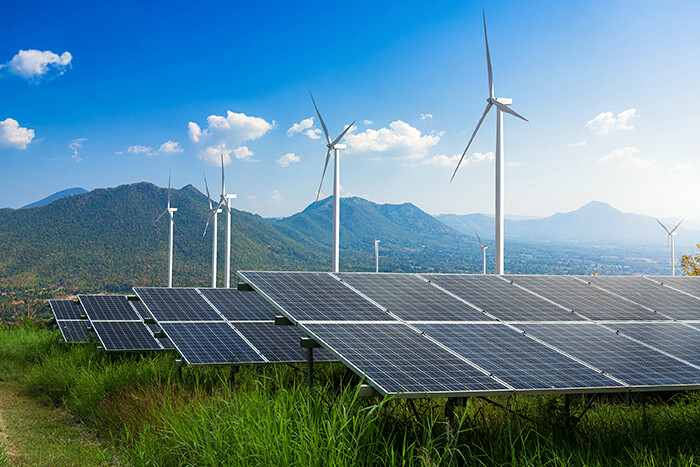
At present, China has a significant cost advantage in the upstream of the solar energy supply chain, especially in the fields of batteries, silicon wafers, and polycrystalline silicon, which has a significant impact on the global photovoltaic industry. As of now, China's share in the global supply chain of solar energy, wind energy, batteries, and electric vehicles has exceeded 70%. Reuters pointed out that Pakistan has been promoting renewable energy since 2017 and has imported a large number of Chinese solar panels in recent years. By the end of last year, it had imported over 50 gigawatts of solar panels from China. By replacing oil imports with solar energy, Pakistan can save billions of dollars annually. Mohammad Basit Ghali, the project leader of Renewable First China, a renewable energy think tank in Pakistan, stated in an interview with China Energy News that solar energy has become the cheapest and most reliable choice for Pakistan in the face of rising electricity prices and unstable power grids. The most crucial contribution of China is to reduce global technology costs through large-scale development and continuous technological innovation, making solar energy economically feasible for households and farmers in Pakistan.
The competitiveness of wind power and energy storage systems is also constantly improving. The International Renewable Energy Agency stated that the stable cost of wind power and energy storage in 2025 is between $59-94 per megawatt hour, while in China it is only $59 per megawatt hour. It is expected to drop to around $49-75 per megawatt hour by 2030. Continuous technological progress, expansion of manufacturing scale, and supply chain integration will further reduce the costs of wind, solar, and storage technologies, making the comprehensive benefits of integrated wind, solar, and storage more prominent. Keywords: Chinese energy storage companies,Energy storage cluster,Energy storage base,Energy storage industry
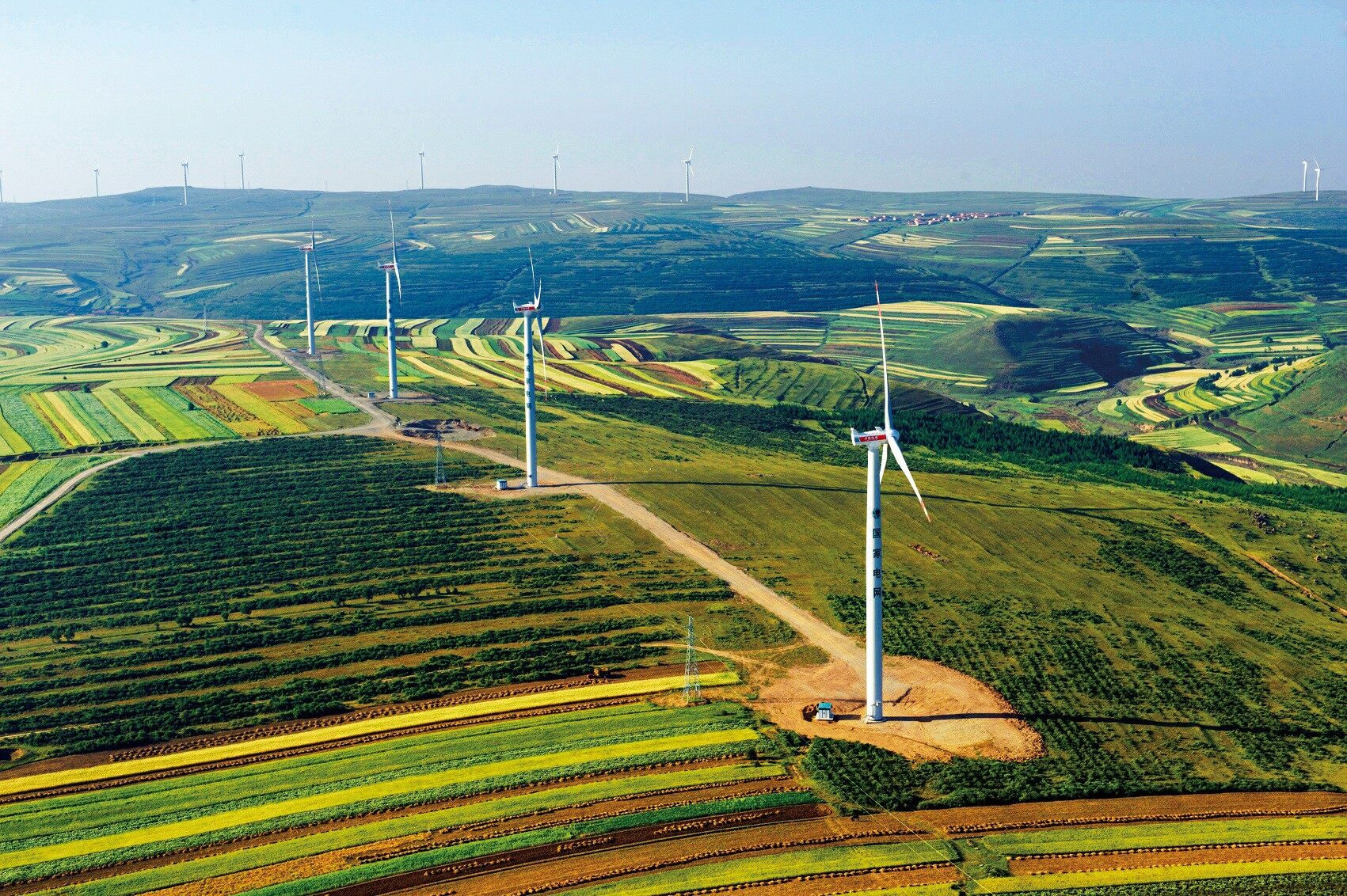
Wang Xiaojun, founder and director general of the Asia Climate Action Group, stated that renewable energy is more flexible and innovative, accelerating the replacement of traditional energy sources. Nowadays, various power generation and energy storage technologies are constantly upgrading, coupled with the widespread support of transmission and distribution technology and microgrids, the development speed of renewable energy will become faster and faster. The deeper significance lies in the fact that renewable energy has become cheaper, more convenient, and easier to access, which can help people from different countries and social classes to break free from economic dependence on fossil fuels and large-scale power projects, ultimately achieving electricity autonomy and energy inclusiveness.Editor/Gong Ziwei
Comment

 Praise
 Collect
 Comment

 Share
Share


Write something~