 Search


- The project will be promoted in two phases to seize the opportunity of local substitution in Indian photovoltaic manufacturing
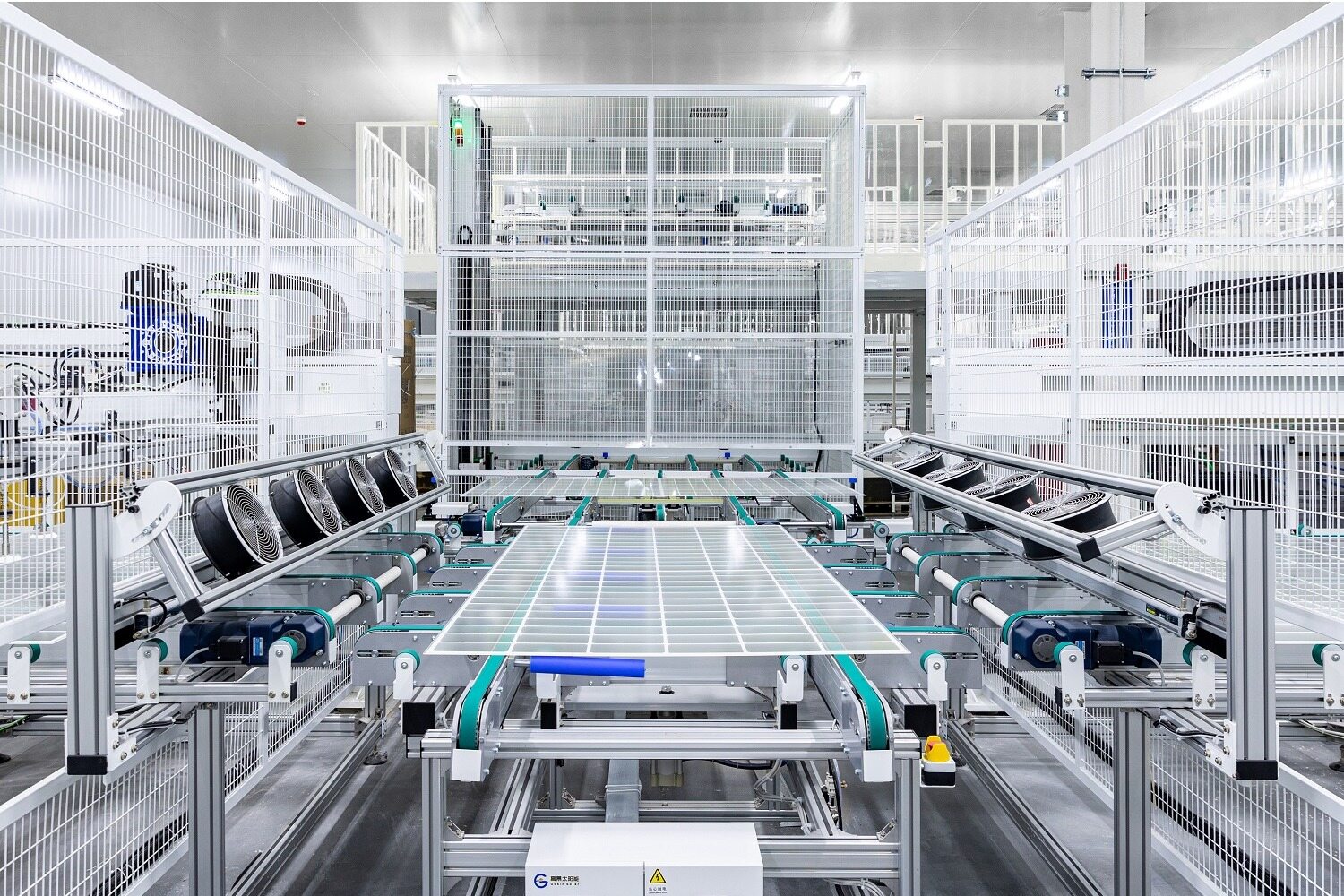
TPREL, a subsidiary of India's Tata Power, announced that it will invest 65 billion rupees and approximately 685 million US dollars to build a photovoltaic silicon ingot and wafer manufacturing plant with a total capacity of 10 GW, to be promoted in two phases of 5 GW each. This is a crucial outcome in the self-reliance game of Indian photovoltaic manufacturing.
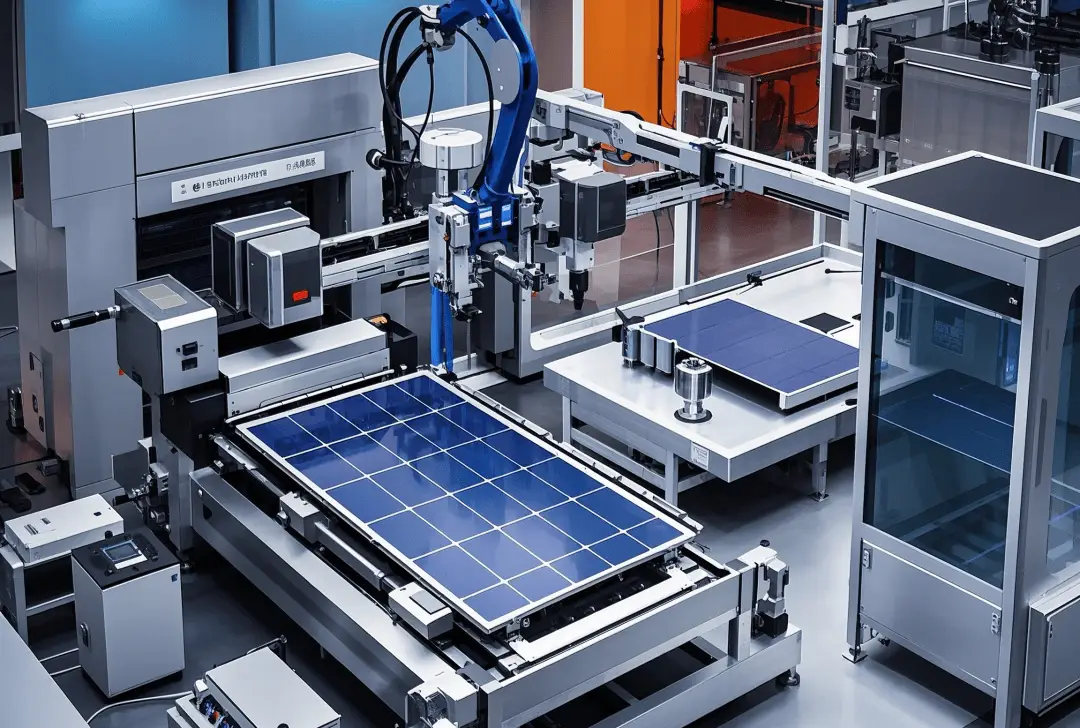
Upstream breakthroughs and weaknesses
Currently, over 80% of photovoltaic modules in India rely on imports, and almost 100% of silicon wafers come from China. According to Mercom India data, India will add approximately 24GW of photovoltaic installed capacity in 2024, setting a new high for the second consecutive year, but the domestic manufacturing share is less than 15%. TPREL is extending upstream this time, connecting the entire chain from silicon ingots to silicon wafers, with the aim of reducing dependence on the Chinese supply chain.
ALMM List III is about to be released, which will further tighten local manufacturing requirements. TPREL clearly stated that this investment is aimed at policy incentives and demand protection mechanisms. By combining the synergies of Tata Steel's raw material supply and Tata Power's consumption terminal, vertical integration is expected to partially offset the cost disadvantage. Keywords: photovoltaic, new energy
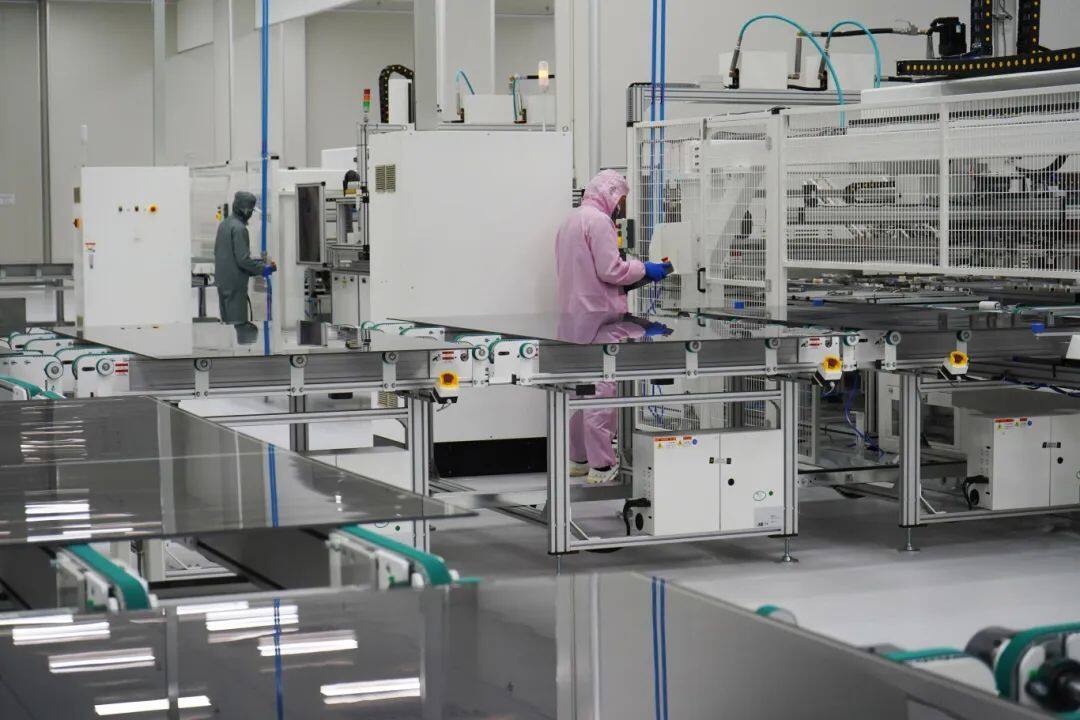
10GW production capacity
685 million US dollars leveraged 10GW, with a single watt investment of about 0.68 US dollars, while the cost of silicon wafers in China has fallen below 0.15 US dollars, with a gap of 3 to 4 times. But as of mid-2025, India's cumulative photovoltaic manufacturing capacity is about 18GW, with an actual utilization rate of less than 60%. Adani, Reliance and other giants are expanding their production simultaneously, and with TPREL's 10GW, the local silicon wafer production capacity is expected to exceed 30GW by 2027. The direction has been set, but the gap still exists.Editor/Cheng Liting
Comment





 Praise
 Collect
 Comment

 Share
Share


Write something~