 Search


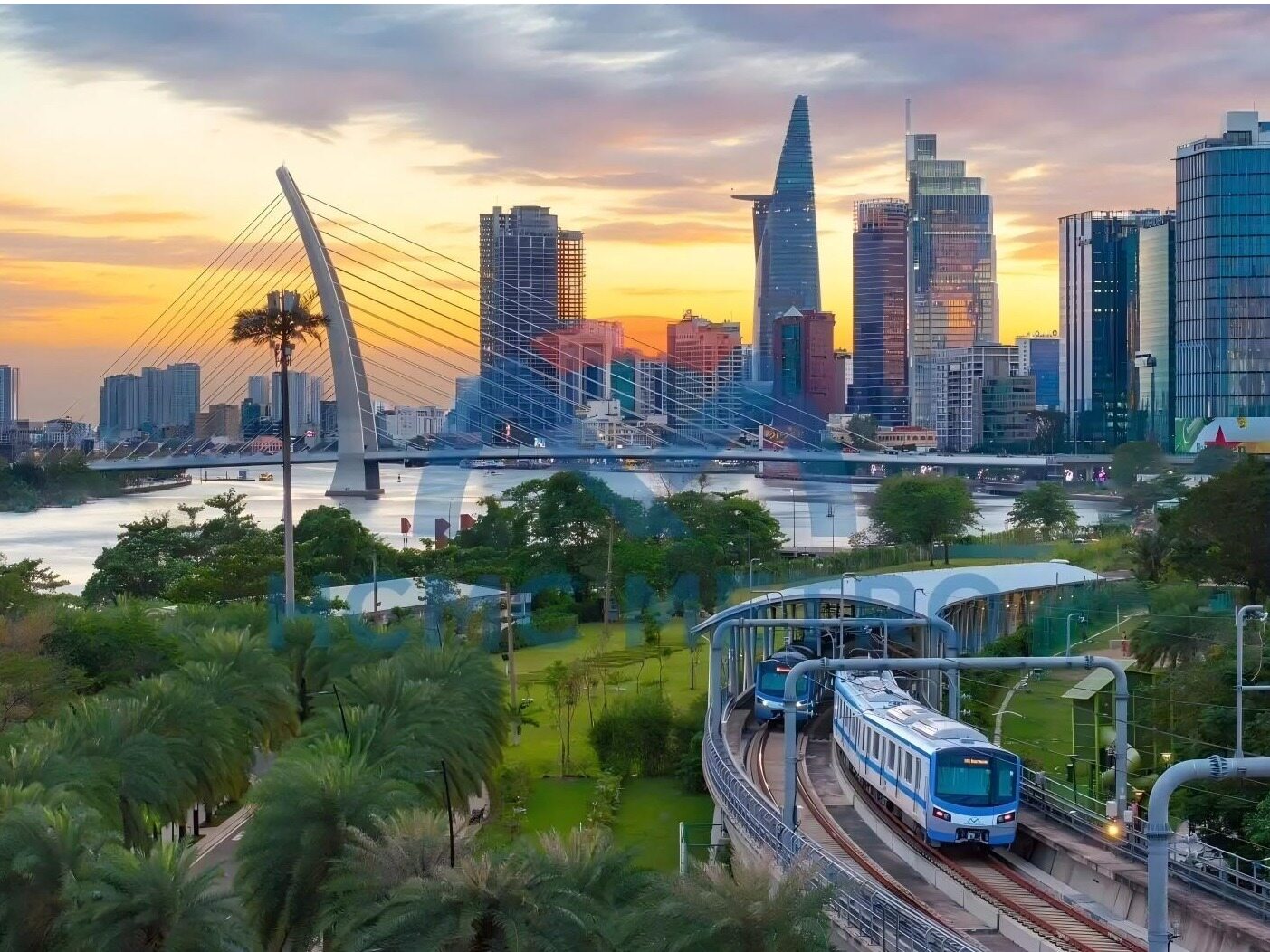
- Indonesia is planning to add 14000 kilometers of railway by 2045, with an investment of up to 60 billion US dollars
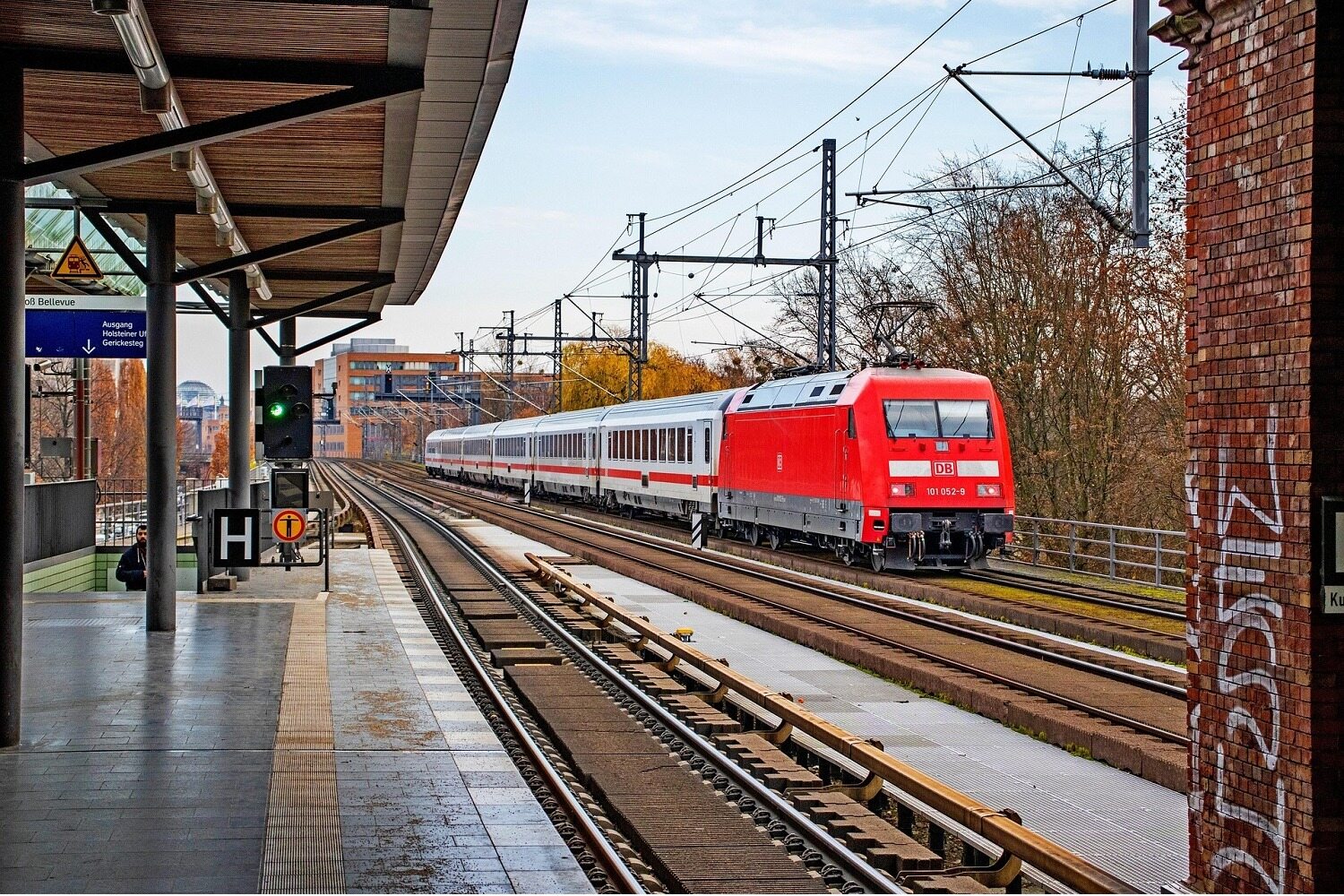
8000 kilometers, almost double.
The Indonesian government is planning an ambitious railway expansion plan with the goal of adding 14000 new lines to the existing railway network of approximately 8000 kilometers by 2045. This means that the entire country's railway network will almost triple in size. It is estimated that the required investment can reach up to 1200 trillion Indonesian rupiah, approximately 60 billion US dollars.
Not only repairing railways, but also repairing the economy
Where does the money come from? Indonesia does not intend to rely solely on the national budget.
Ags Harimuti Yudhoyono, an official in charge of coordinating regional development, has made it clear that Indonesia will introduce diversified financing methods and form a cross departmental committee to finalize the overall plan, ensuring that every project aligns with the country's long-term development strategy. His judgment is very direct - "These numbers are of great significance and affect the future of Indonesia
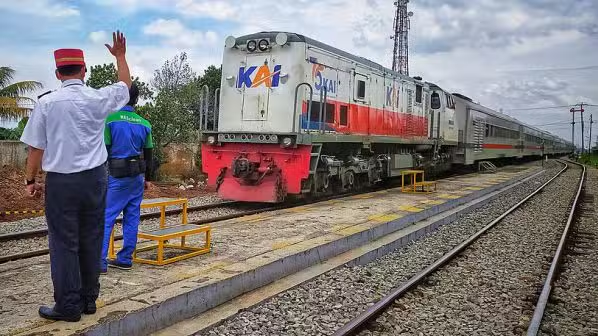
At present, Indonesian railways only account for 4% of the country's passenger volume and 1% of its freight volume. This set of data illustrates two things: one is the enormous potential of railways, and the other is the serious lag in the current situation. Java Island is home to over 56% of the country's population, with highly concentrated economic activities, but has long relied on road transportation, resulting in high logistics costs. The core logic of railway expansion is to connect Sumatra, Kalimantan, Sulawesi and other places outside of Java Island to an efficient transportation network and bridge regional disparities.
The specific deployment has surfaced: the existing routes on Sumatra Island will be fully upgraded and renovated; Sulawesi Island started from scratch and built a new railway network with a total length of 2772 kilometers, focusing on serving industrial parks and transporting key commodities. The combined mileage of the two islands exceeds half of the existing railways in the country.
Calculate a green account
Railways are not just infrastructure, but also tools for reducing emissions.
The current railway system in Indonesia contributes less than 1% to the country's greenhouse gas emissions, far lower than highways and aviation. With the expansion of the network, every new line means a transfer of freight from highways to railways. Taking Java Island as an example, after the improvement of infrastructure, transportation costs are expected to decrease by 15% to 20%, which directly benefits the manufacturing industry and the export of agricultural products.
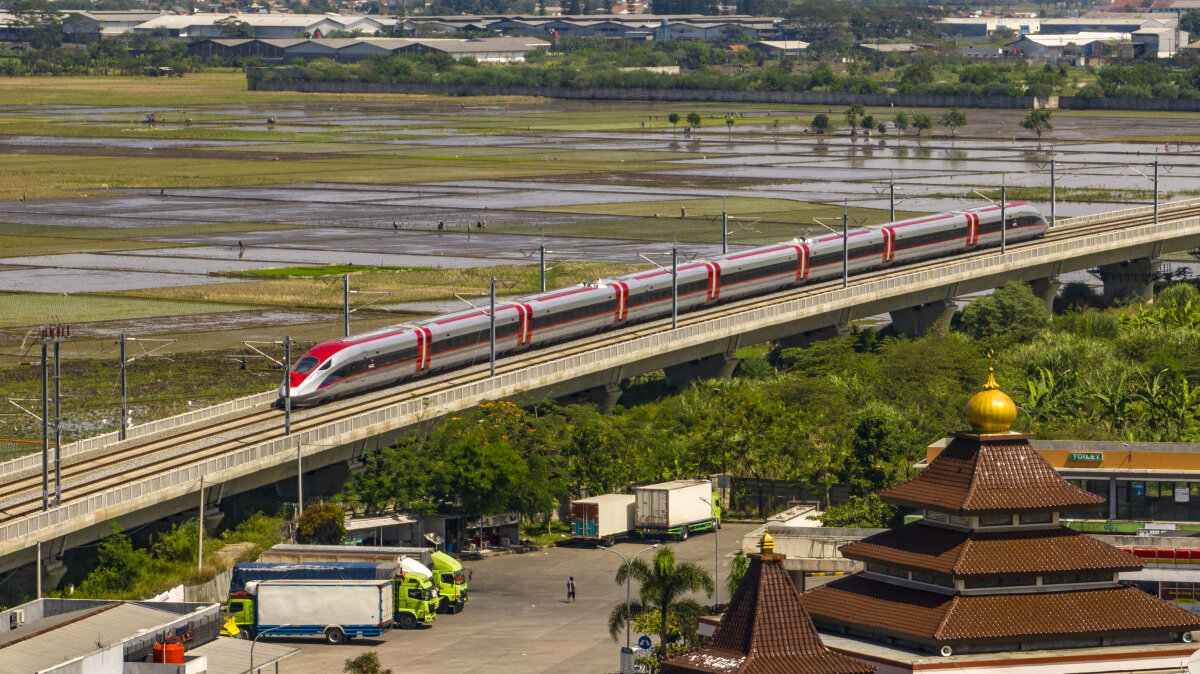
In 2024, Indonesia's GDP will exceed $1.4 trillion, with infrastructure investment accounting for only about 3.5%, far below the ASEAN average level. The Prabowo government has listed infrastructure as the core of its governance, and railway expansion is the biggest part of it. Keywords: Indonesian railway plan, railway capacity expansion
From Java to Sumatra, from Kalimantan to Sulawesi, the 14000 kilometer new line is not just a railway track, but the next decade for Southeast Asia's largest economy.Editor/Cheng Liting
Comment

 Praise
 Collect
 Comment

 Share
Share


Write something~