 Search


- Future logistics competition is a comprehensive competition of digital intelligence technology, low-carbon models, and global networks
- At the beginning of the 15th Five Year Plan in 2026, a life and death race about intelligence, greenness, and smoothness has been fully ignited in the logistics industry

In 2026, standing at the starting point of the 15th Five Year Plan, the National People's Congress and the Chinese People's Political Consultative Conference have anchored a clear direction for the logistics industry: intelligence, greenness, and smoothness.
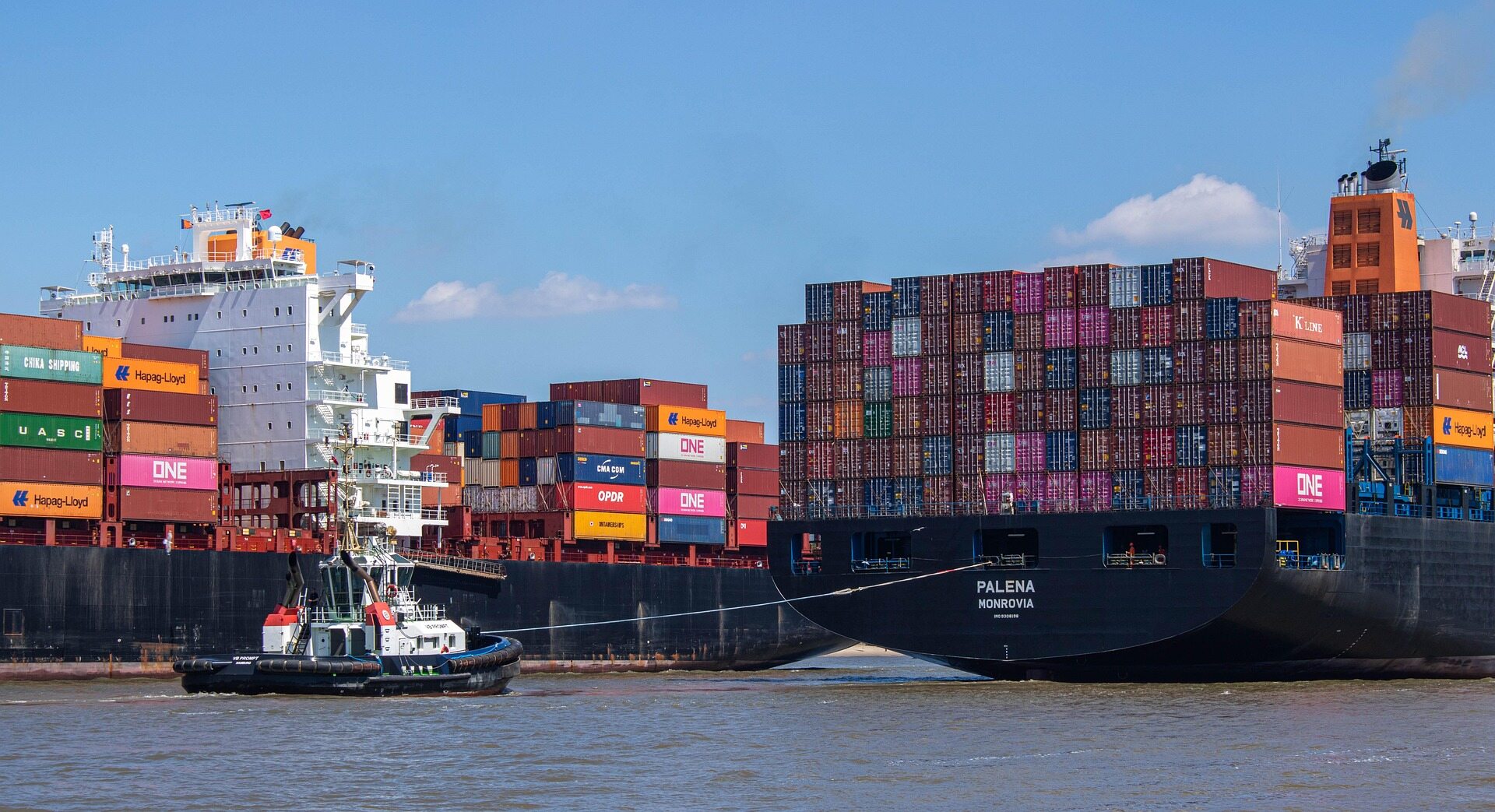
From sweat logistics to algorithm driven
The government work report clearly proposes to promote inclusive cloud based, data-driven and intelligent services, which is not only a slogan, but also the beginning of industry reshuffle.
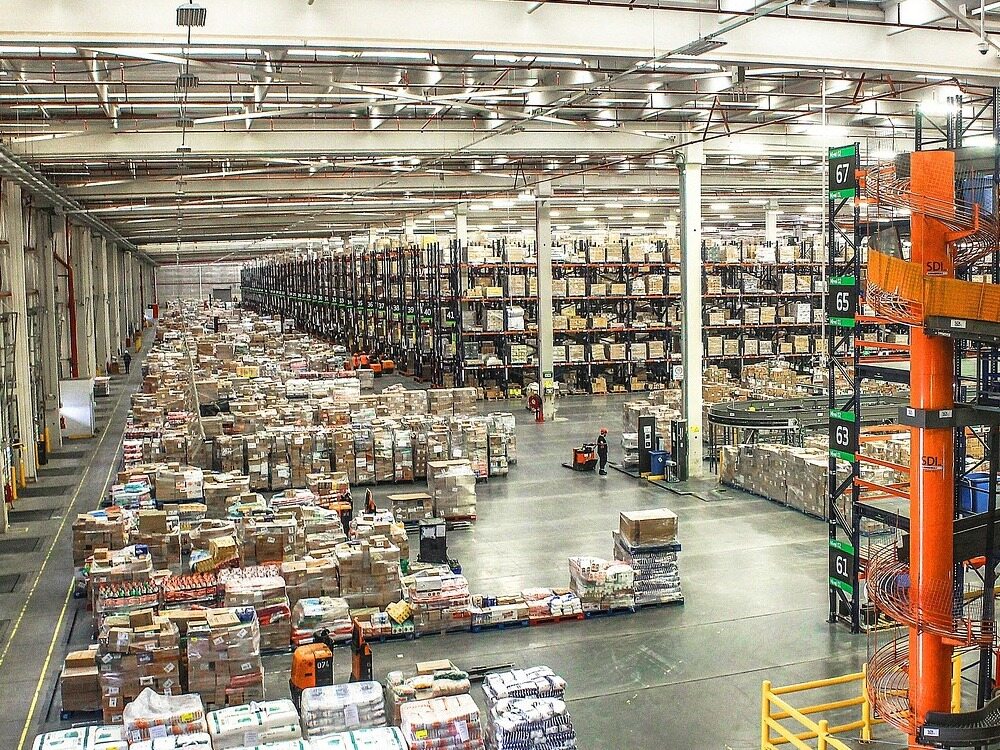
The core is to break down data barriers. Traditional automotive parts logistics faces pain points of multiple batches and small batches, and is now being reversed through technologies such as AI image recognition and dynamic routing planning. Taking the postal and express delivery industry as an example, AI intelligent sorting has increased the efficiency of warehousing by more than twice. In the automotive industry, digital transformation has made zero wait delivery possible - the time for parts to be stored and produced on the production line has been compressed to the extreme, and inventory mismatch and loss rates have been significantly reduced. This is not only an improvement in efficiency, but also a qualitative change in the responsiveness of the supply chain.
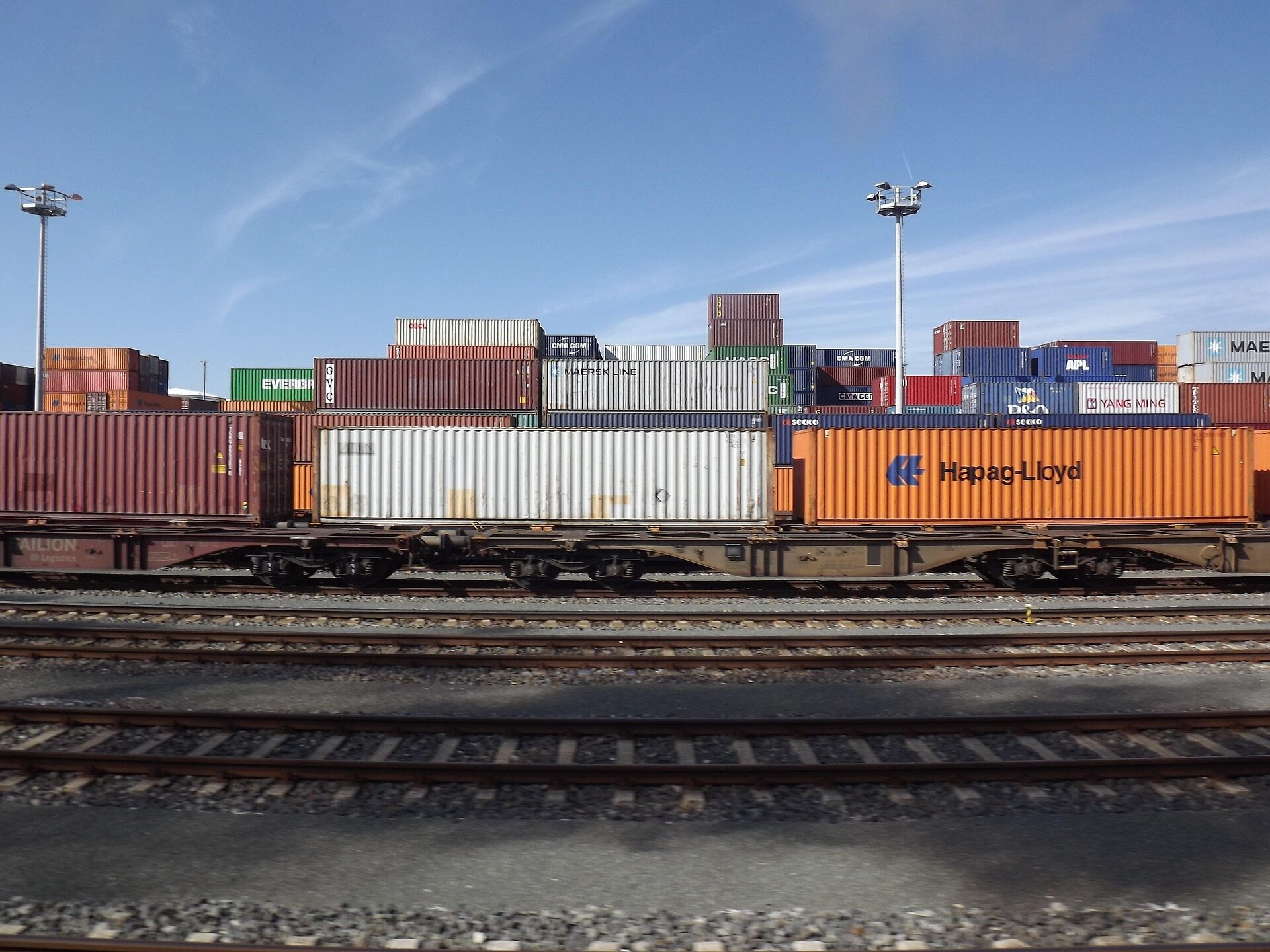
The dual game of emission reduction and cost reduction
Under the dual carbon target, the green transformation of the logistics industry has no way out. The government work report has set a hard target of reducing carbon dioxide emissions per unit of GDP by 5.0%, and the construction of zero carbon parks and factories has been comprehensively accelerated.

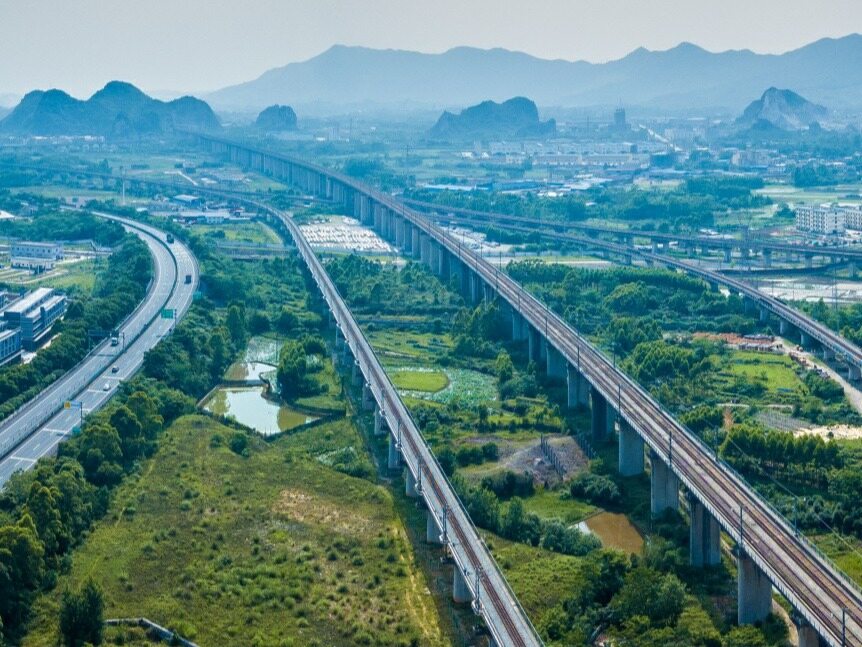
During the Two Sessions, Member Li Shufu's proposal to promote methanol electric trucks has attracted attention. Data shows that methanol trucks have a range of over 1500 kilometers in medium to long-distance freight transportation, with fuel costs reduced by 32% -52% compared to diesel, combining environmental protection and economic benefits. For automotive logistics, this means restructuring the transportation structure: replacing pure road transportation with railway+road multimodal transport, promoting new energy logistics vehicles and circular packaging, such as reusable pallets. This is not only to meet standards, but also to build a new profit pool through low energy consumption and low packaging costs in long-term operation.

Dismantling barriers and reshaping global supply chains
The core of the construction of a unified national market lies in the leap from breaking down barriers to promoting smooth circulation.
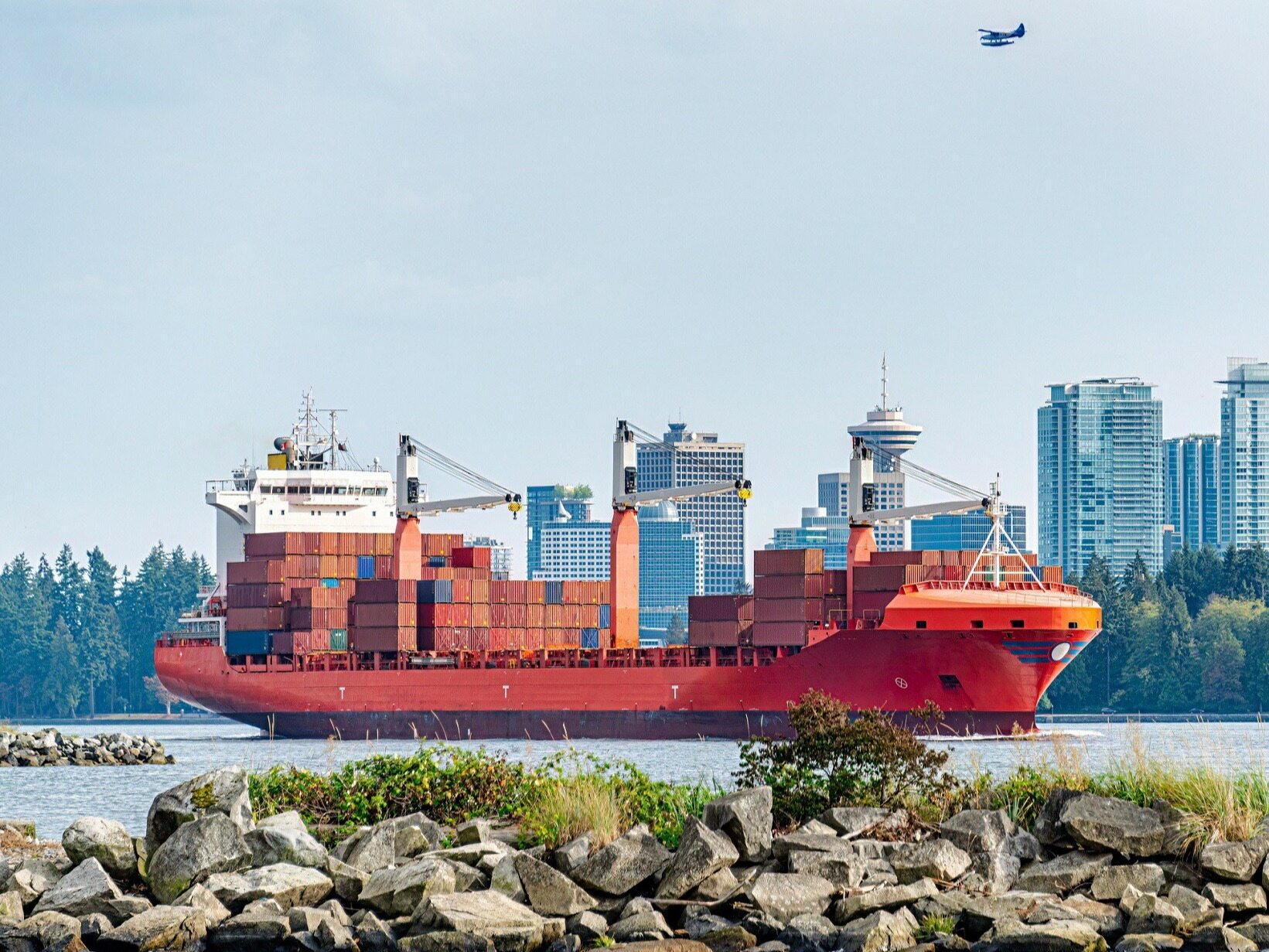
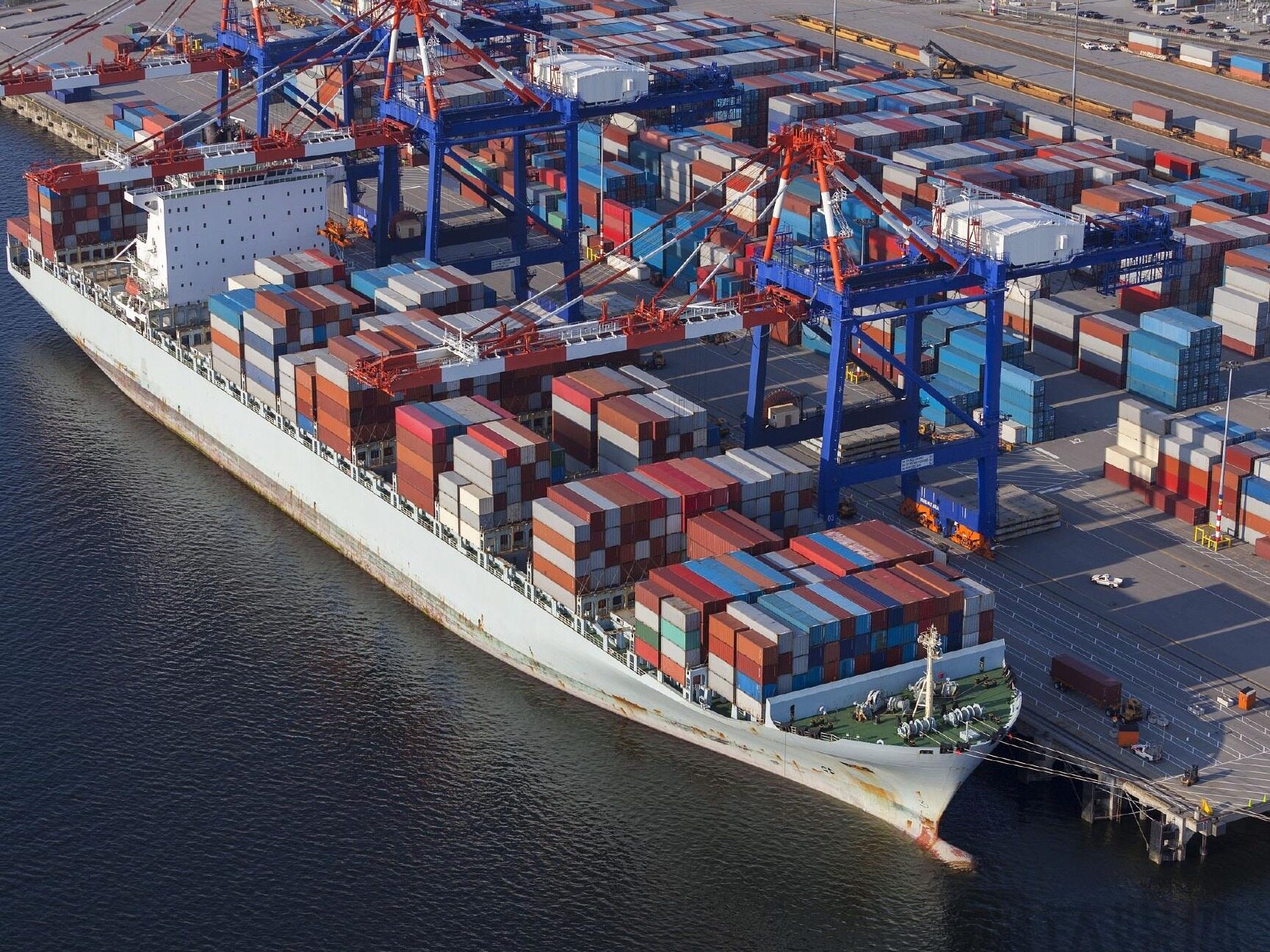
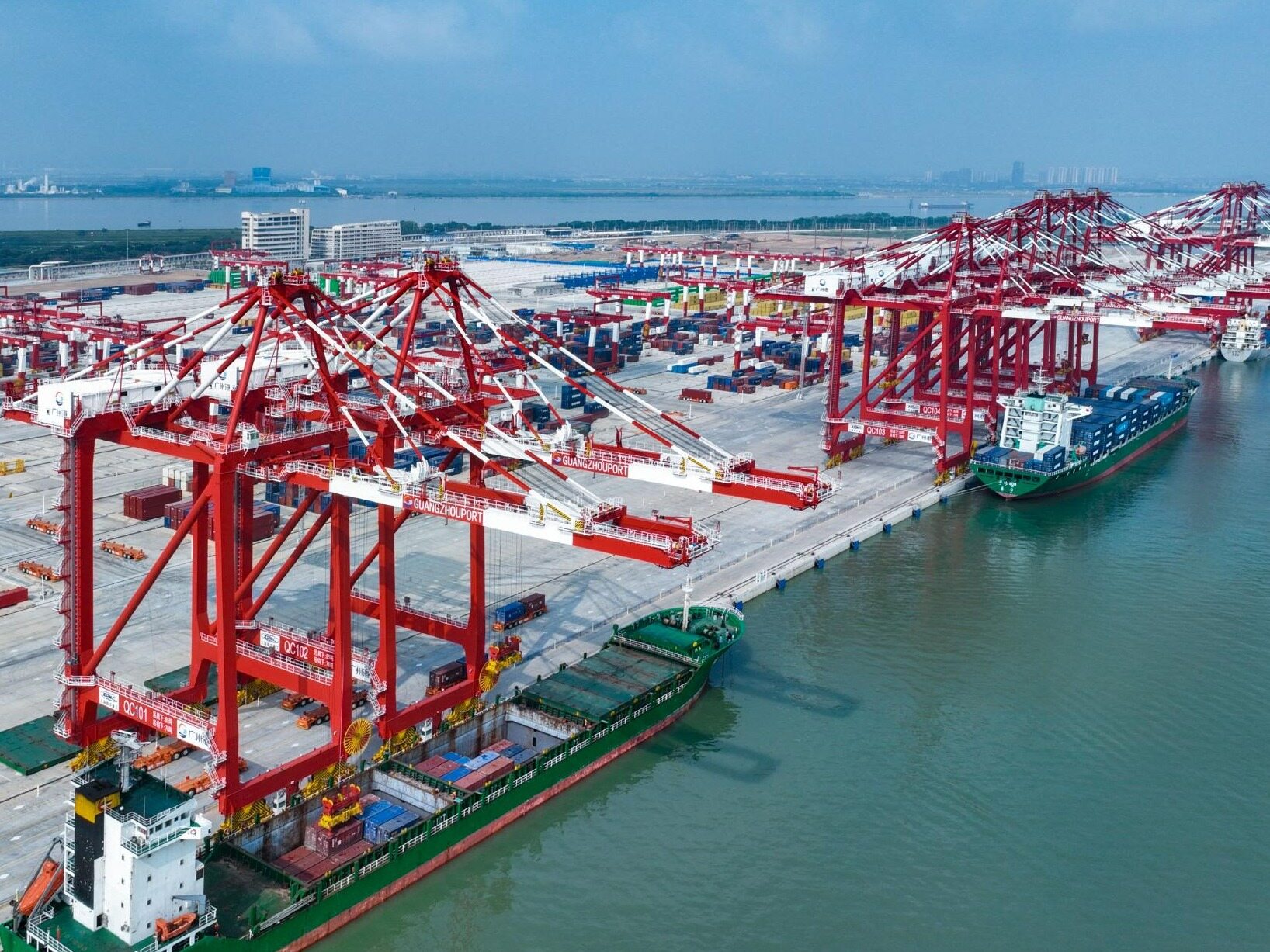
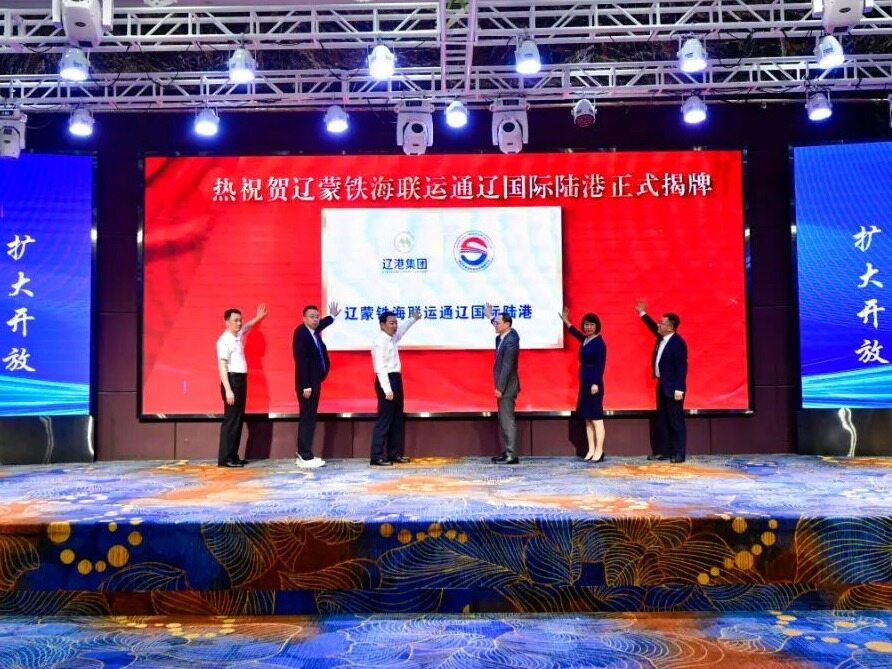
The policy dividend is being translated into tangible transportation capacity. In 2025, the volume of China Europe freight trains operating at Shijiazhuang International Land Port will increase by 52.8% year-on-year, and the quality and efficiency of rail sea intermodal transportation will be improved, proving the vitality of international channels. In China, the implementation of the one order and one box system has greatly simplified the customs clearance and settlement process across transportation modes. For the automotive parts industry that heavily relies on cross regional and cross-border supply chains, this means more stable delivery cycles and lower connection costs. At the same time, the integration of rural passenger, freight and postal services has opened up the capillaries at the end, enabling seamless connection between urban and rural logistics networks. Keywords: logistics, 15th Five Year Plan, logistics transportation
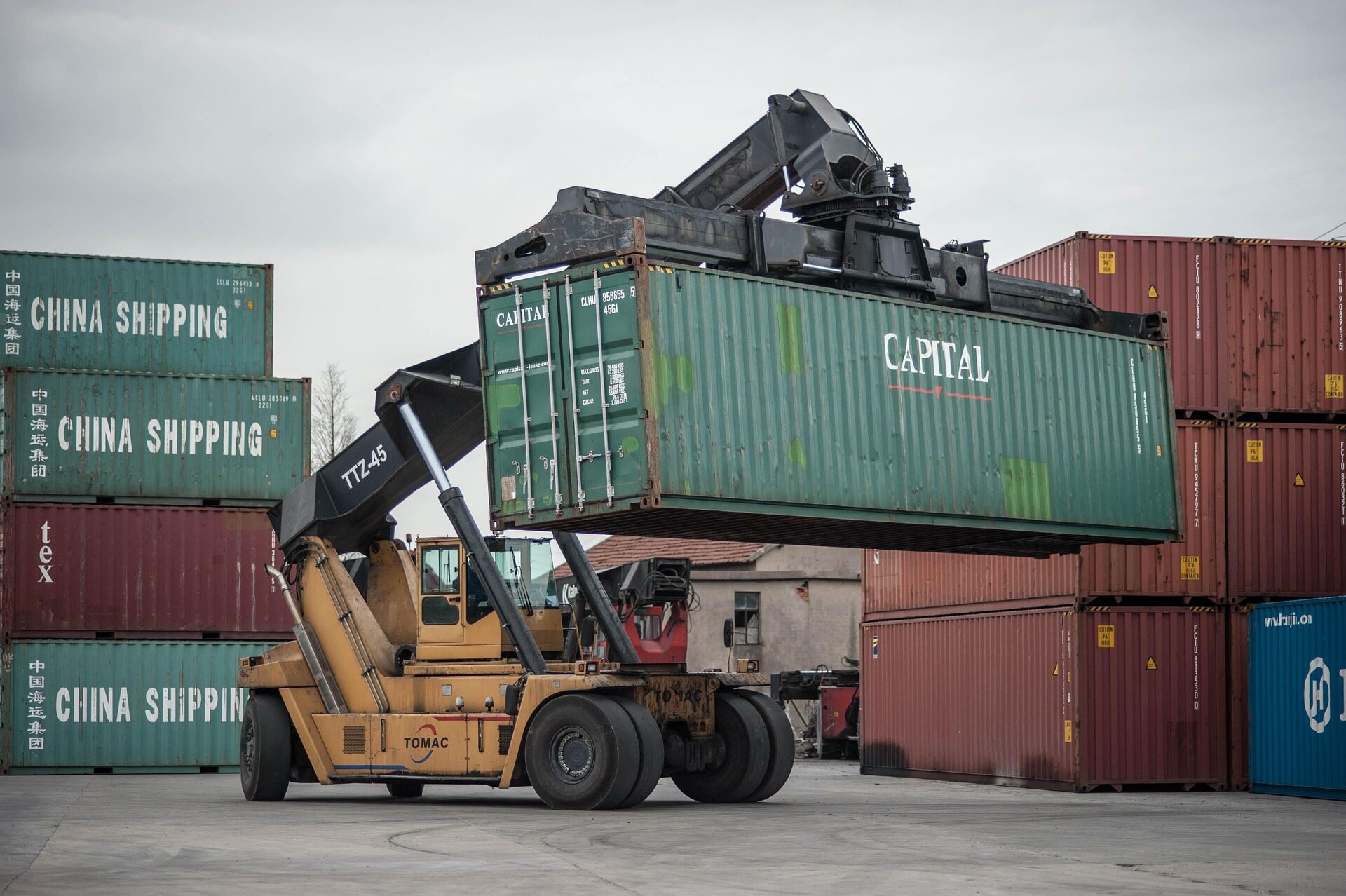
The logistics industry in 2026 is no longer just about simple cargo displacement. Under the policy guidance of the Two Sessions, with digital technology as the brain, green and low-carbon as the foundation, and smooth network as the pulse, automotive parts logistics is accelerating its evolution towards a high value-added intelligent supply chain ecosystem. Whoever can complete the integration of the three industries first will have the industry discourse power during the 15th Five Year Plan period.Editor/Cheng Liting
Comment

 Praise
 Collect
 Comment

 Share
Share


Write something~