 Search


- Qinzhou Port's foreign trade container throughput increased by 47.6% year-on-year in the first quarter
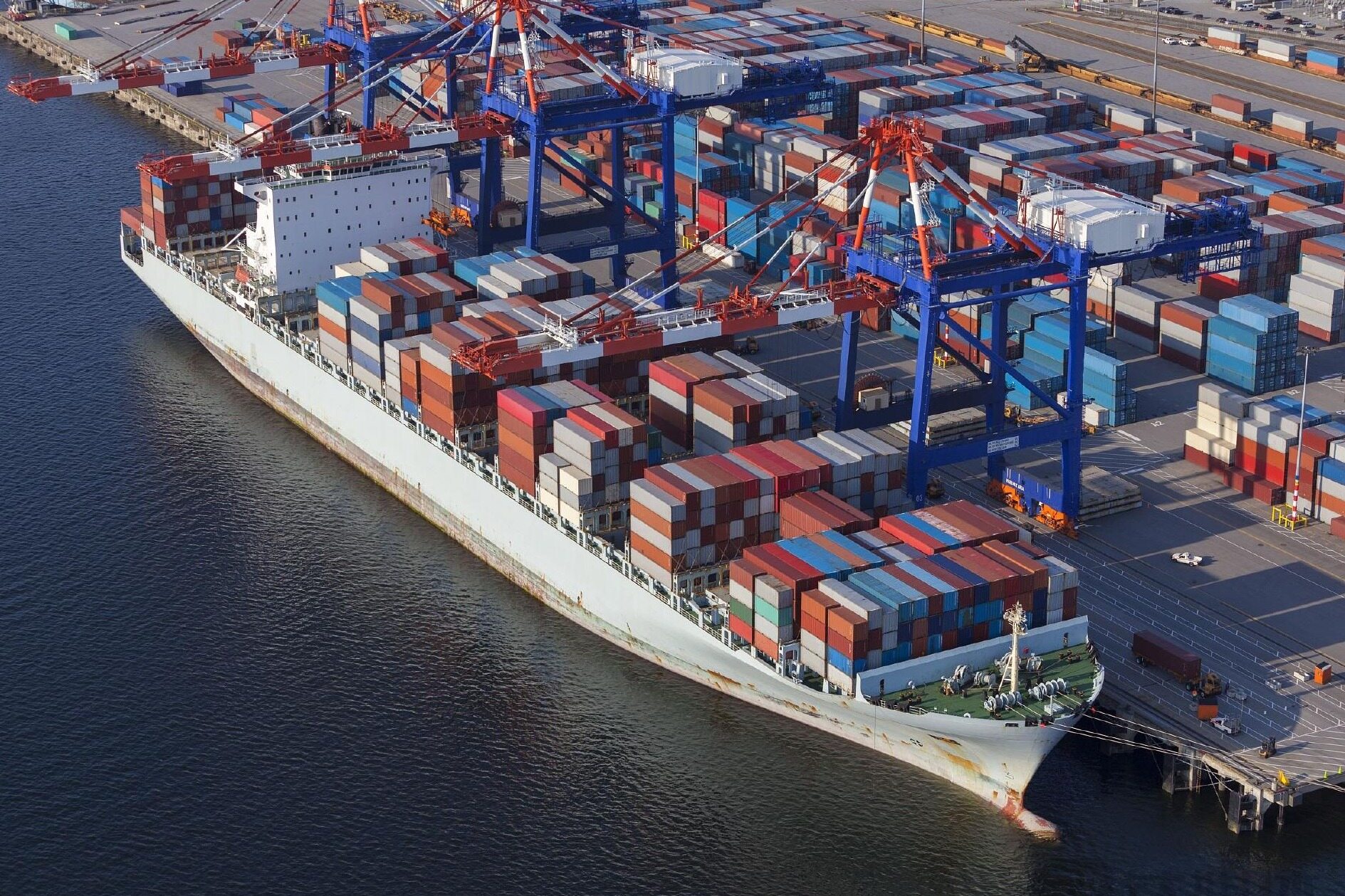
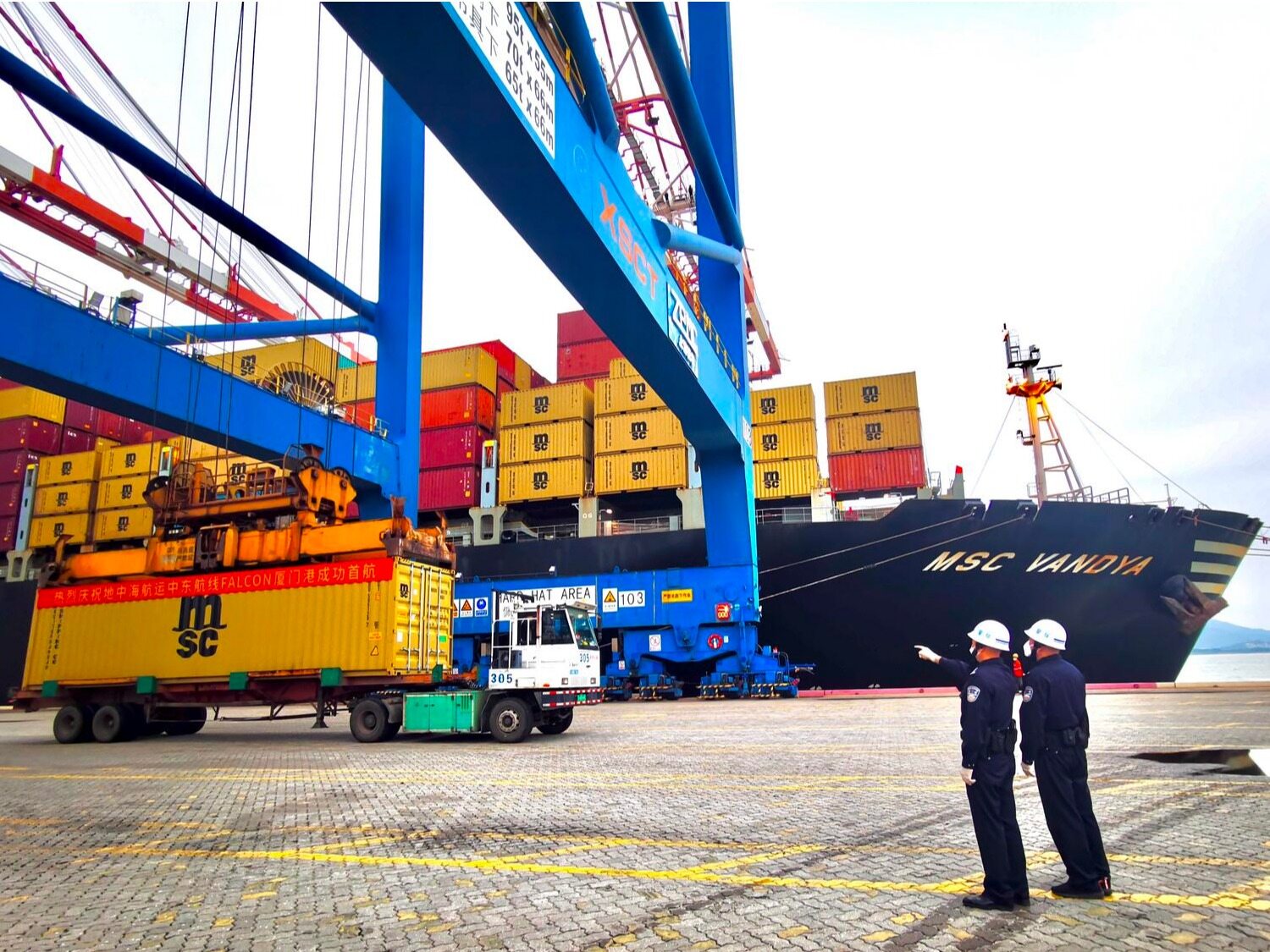
In May 2026, a batch of durians loaded from Linchaban Port in Thailand were quickly sorted and processed at Qinzhou Port before taking a train to Chengdu, Sichuan. In the first quarter, the foreign trade container throughput of Qinzhou Port increased by 47.6% year-on-year. The Qinzhou Port, which used to have limited transportation for goods and impassable channels, has now transformed into a national level land and sea hub connecting domestic and international markets.
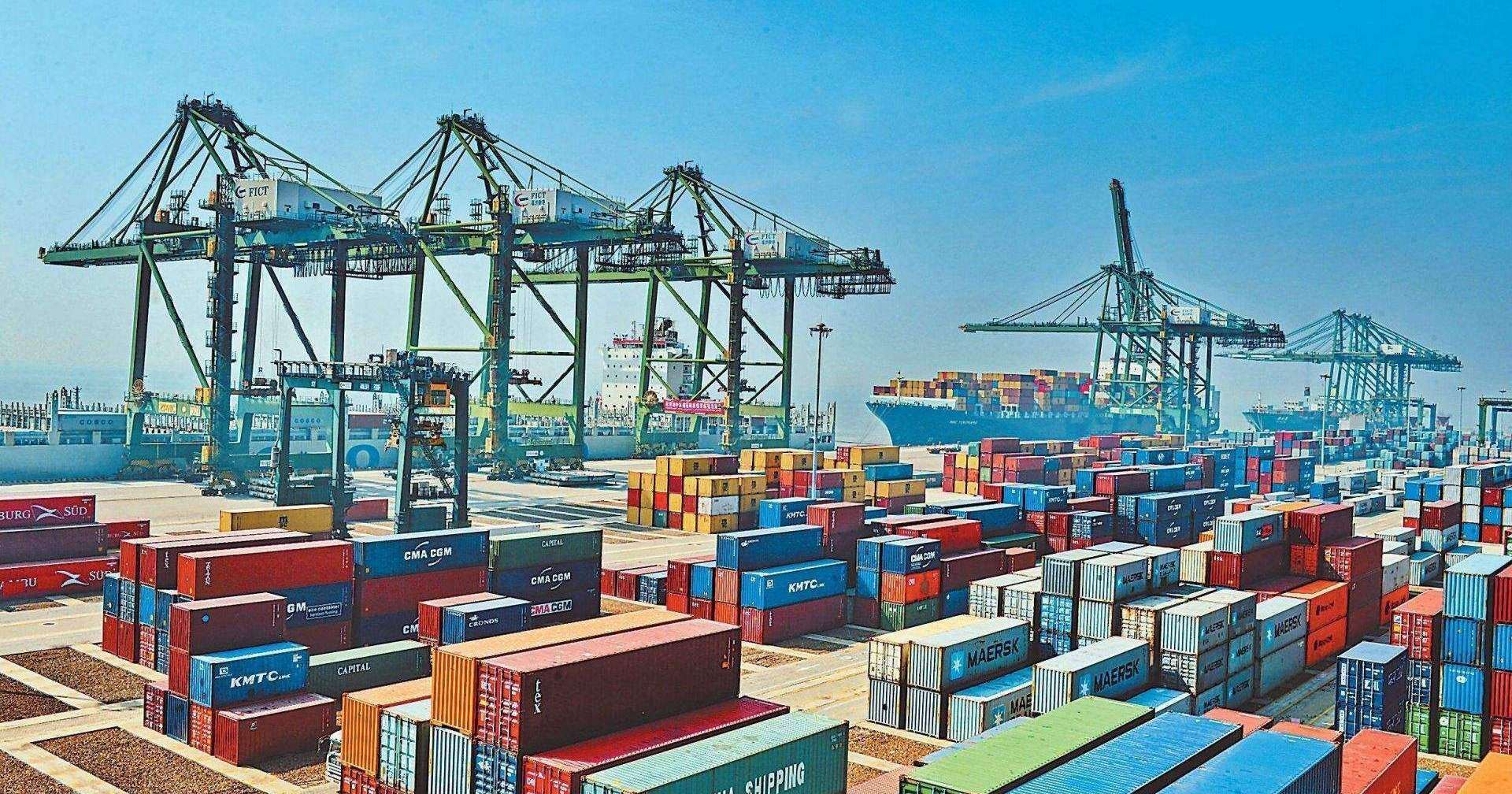
The efficiency of automated terminals has significantly improved
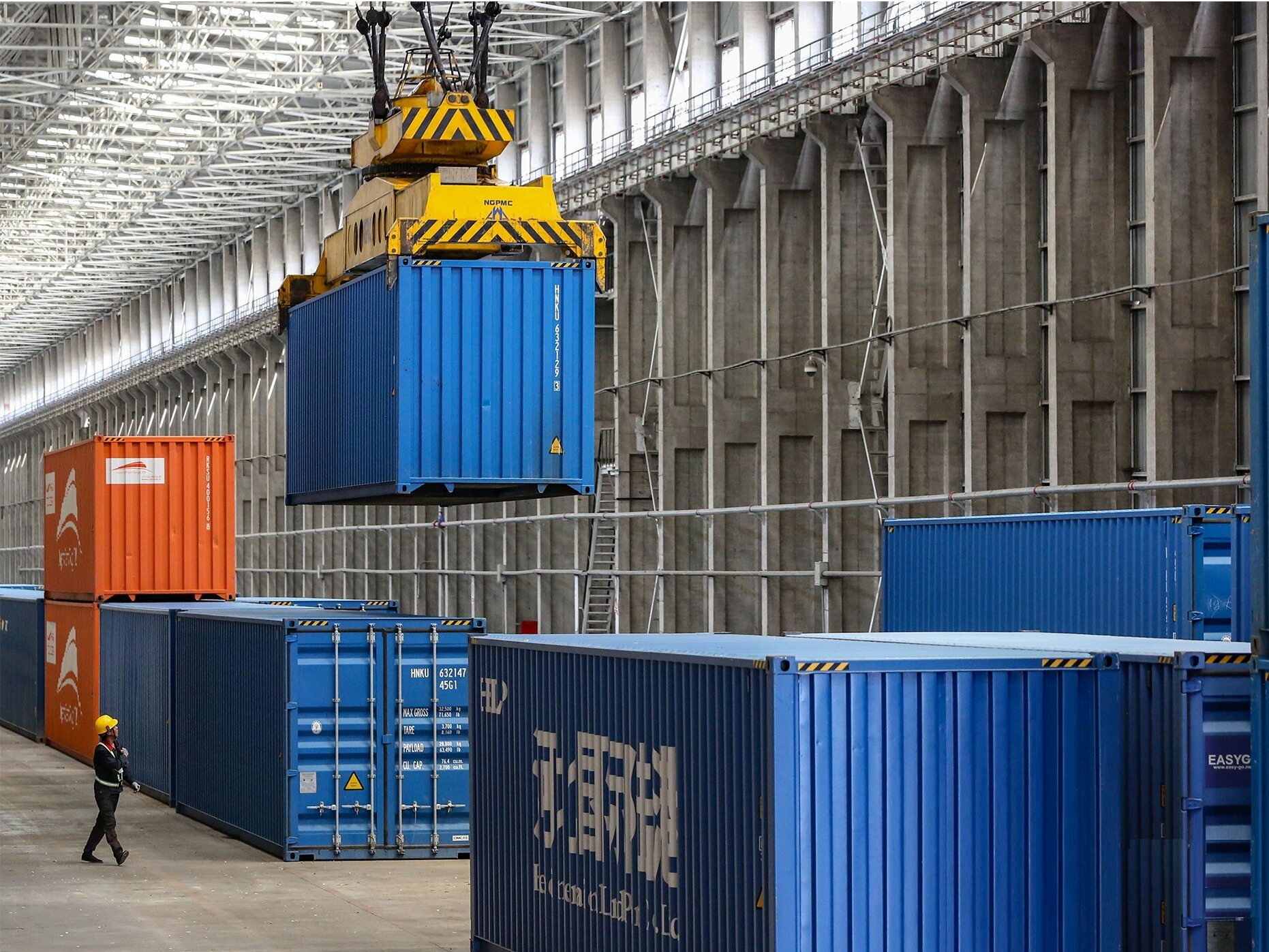
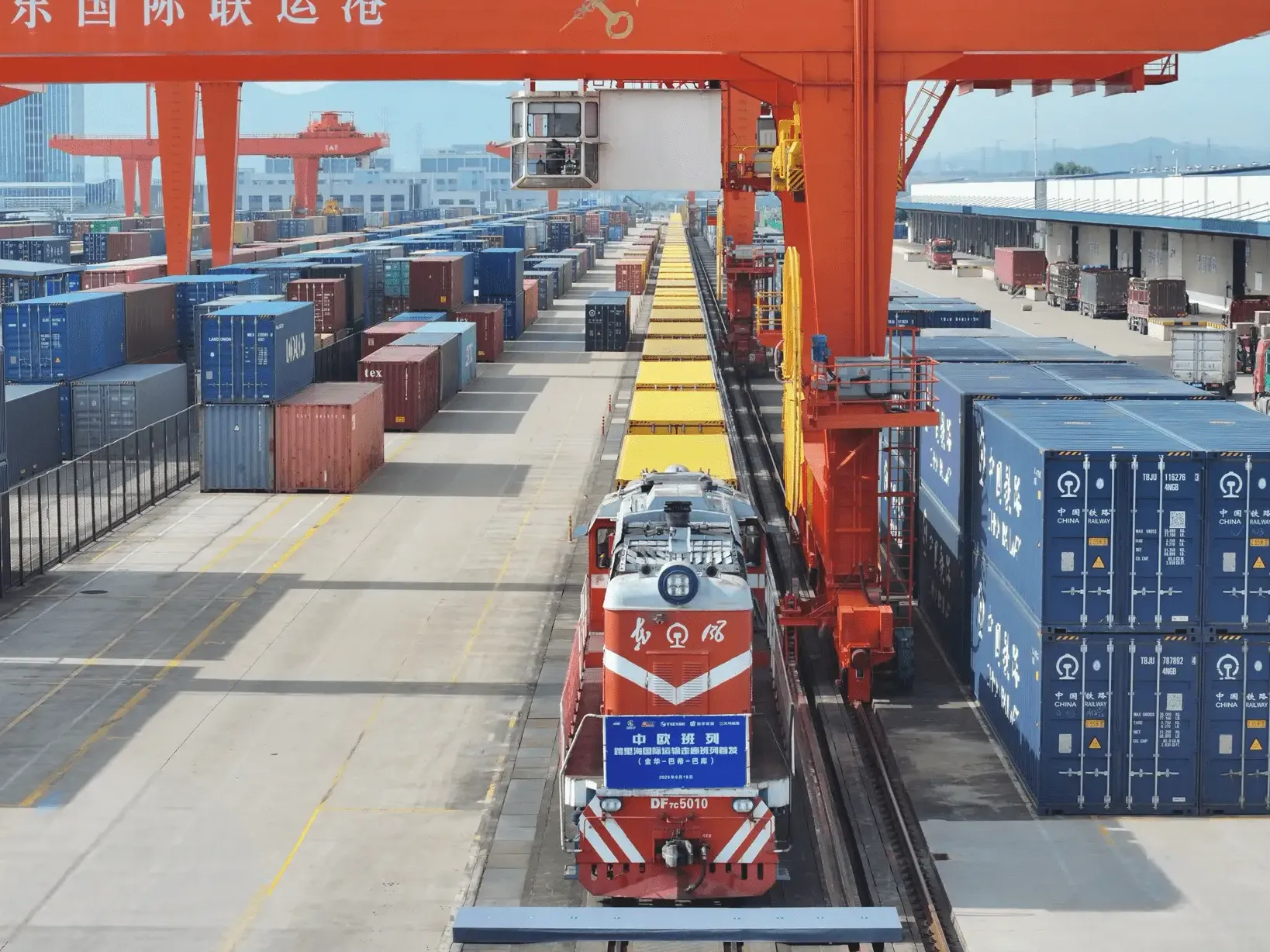
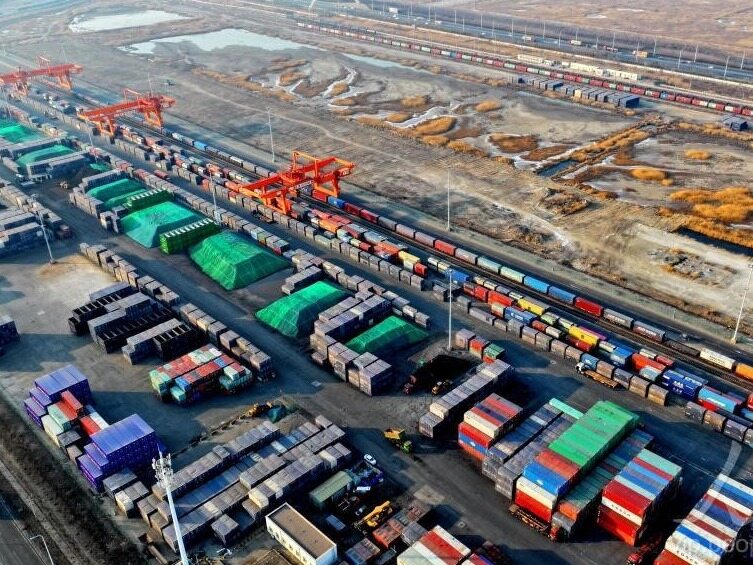
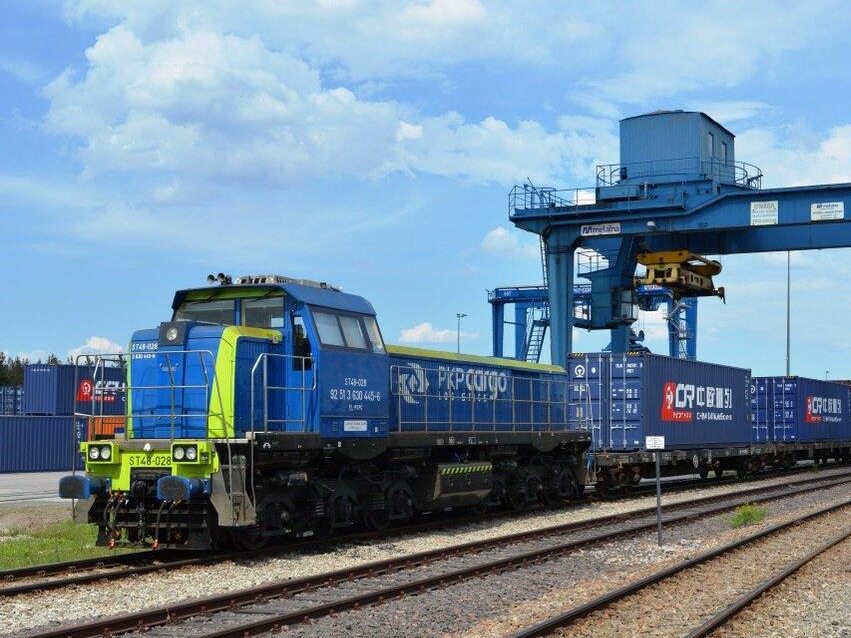
In the Qinzhou Automated Container Terminal Control Center of Beibu Gulf Port, the remote controller of the track crane clicks the mouse and the giant quay crane accurately grasps and releases containers. Automation has greatly improved the efficiency of ports and continuously shortened the time ships spend in port. At Qinzhou Port East Station, which is 3 kilometers away, the shunting area chief implements priority loading, hanging, and departure of trains through ship schedule and cargo information and train timetable. By 2025, the total volume of train transportation for the Western Land Sea New Corridor will exceed 1.425 million TEUs.
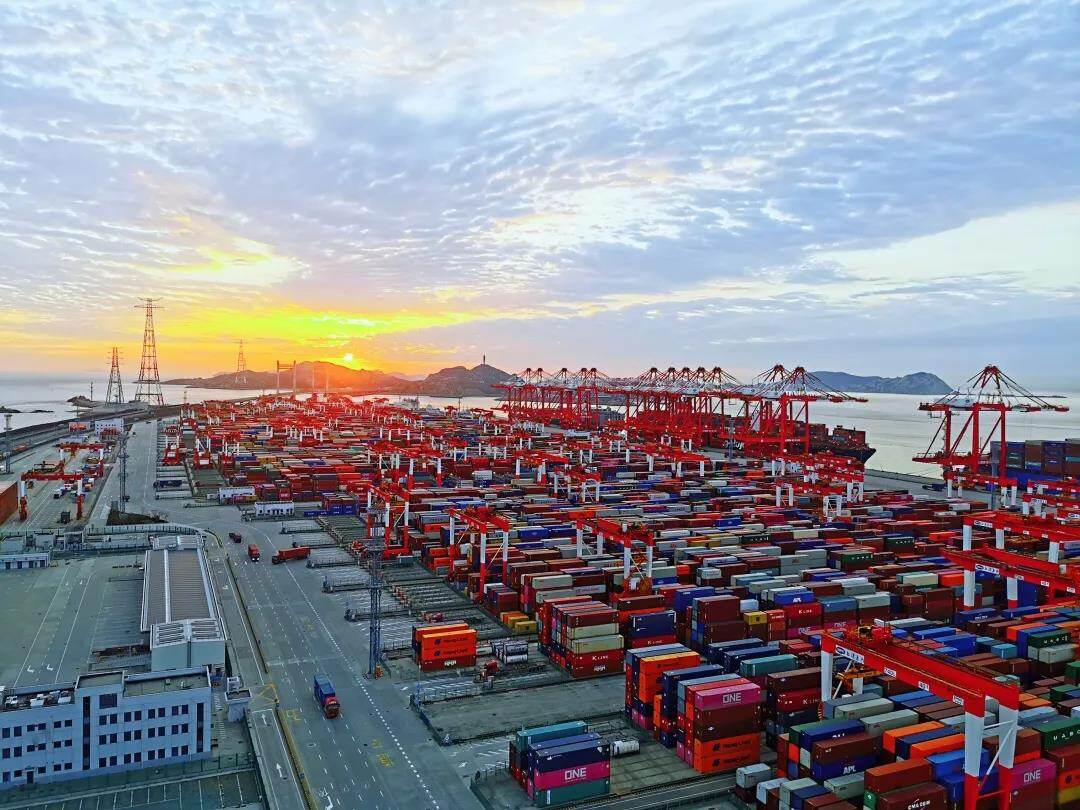
Port plus park plus processing mode
At the comprehensive cold chain logistics base of the land sea new channel in western Guangxi, a shelled durian is processed into various products. The ship is directly transported to the park for on-site inspection and processing. The entire cold chain process takes 48 hours to reach the Sichuan Chongqing market, reducing the total time by 7 to 10 days. Qinzhou gathers two markets and two types of resources. The cross-border industrial chain of overseas resources entering the port, Qinzhou deep processing, and products exported to domestic and foreign markets has already taken shape. Keywords: logistics news and information, land sea new channel, Pinglu Grand Canal
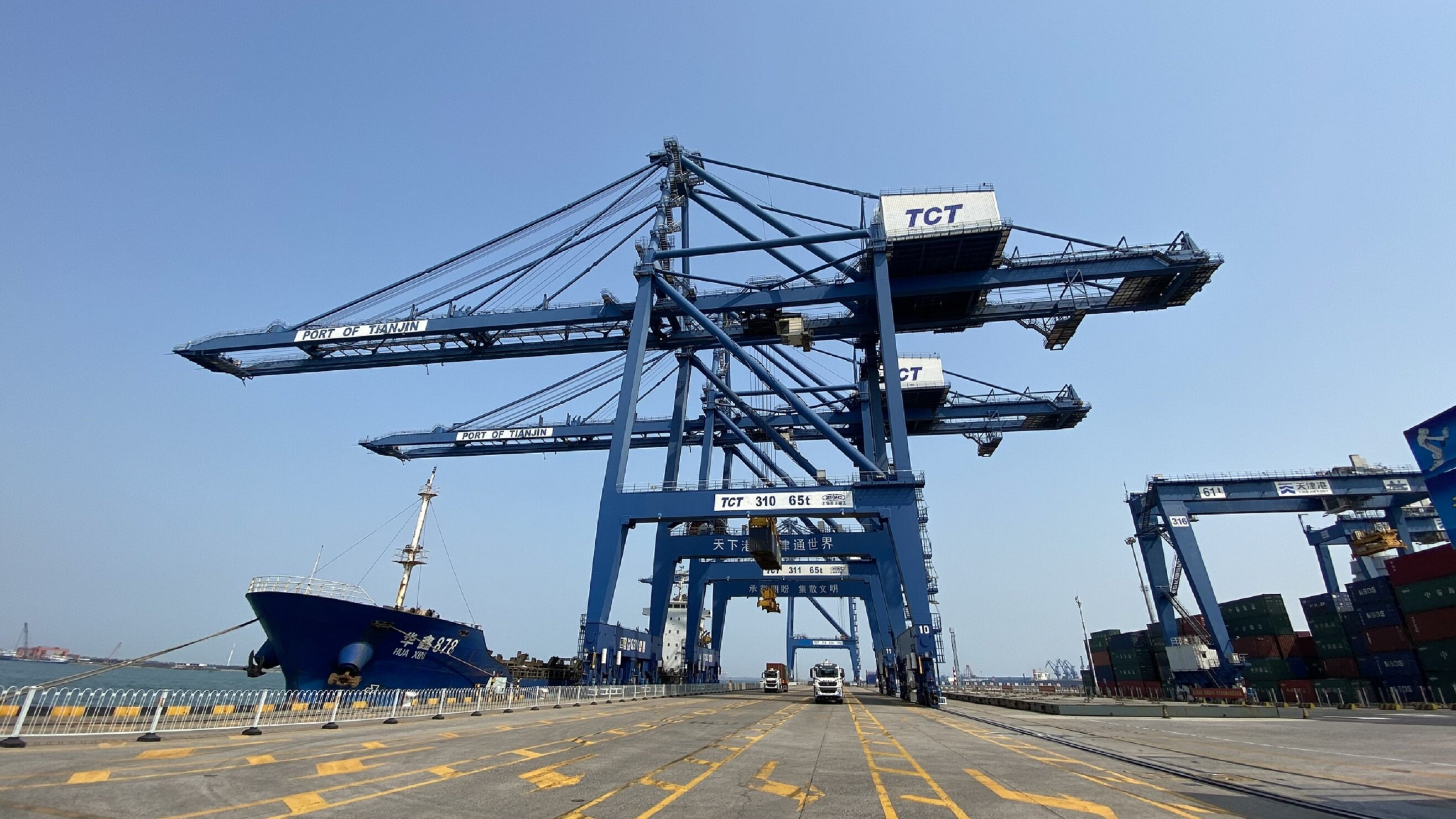
The Pinglu Canal reshapes the pattern of going out to sea
The Pinglu Canal will enter the countdown to navigation in 2026, making it the first Grand Canal to connect the river and the sea since the founding of the People's Republic of China. At that time, ships in the middle and upper reaches of the Xijiang River can directly reach the Beibu Gulf, shortening the sea voyage by more than 560 kilometers compared to sailing from Guangzhou Port. BYD's batteries and Wuling's complete vehicles can be transported to Qinzhou by low-cost water transportation for processing and export, promoting Qinzhou's transformation from a gateway to the sea to a strategic pivot for connecting rivers and oceans.Editor/Gao Xue
Comment


 Praise
 Collect
 Comment

 Share
Share


Write something~