 Search


- This 355 kilometer long steel artery will drive the economic takeoff of northern Peru
- With the landing of $4 million in technical assistance, the coastal railway corridor connecting Qiankai Port and the three northern regions has officially been launched
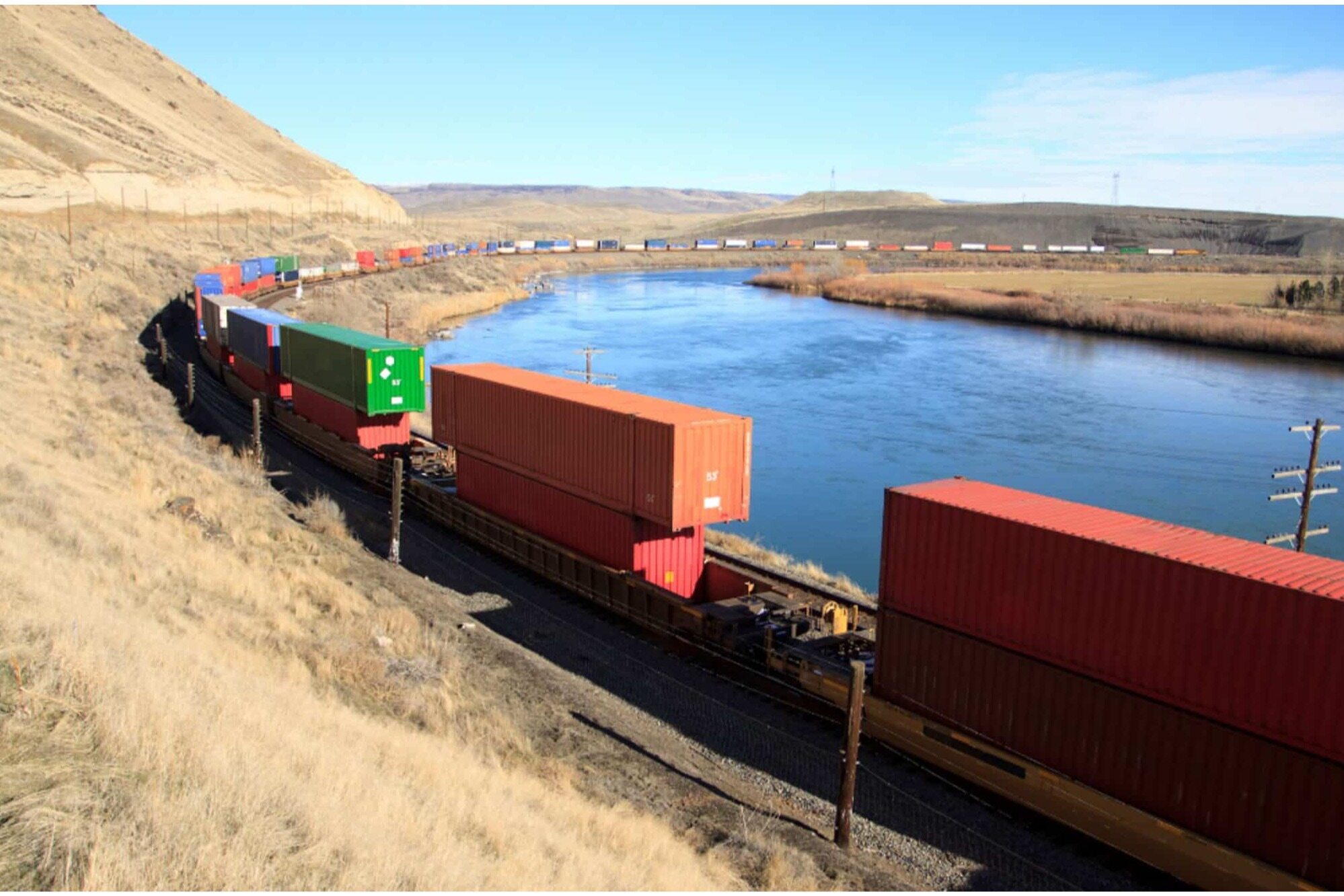
In Peru, where the Andes Mountains run through, road transportation has long dominated due to the fragmented terrain, while the railway network has been in a fragmented state due to years of disrepair, especially in the northern coastal areas where high logistics costs and travel time severely restrict the economic pulse.
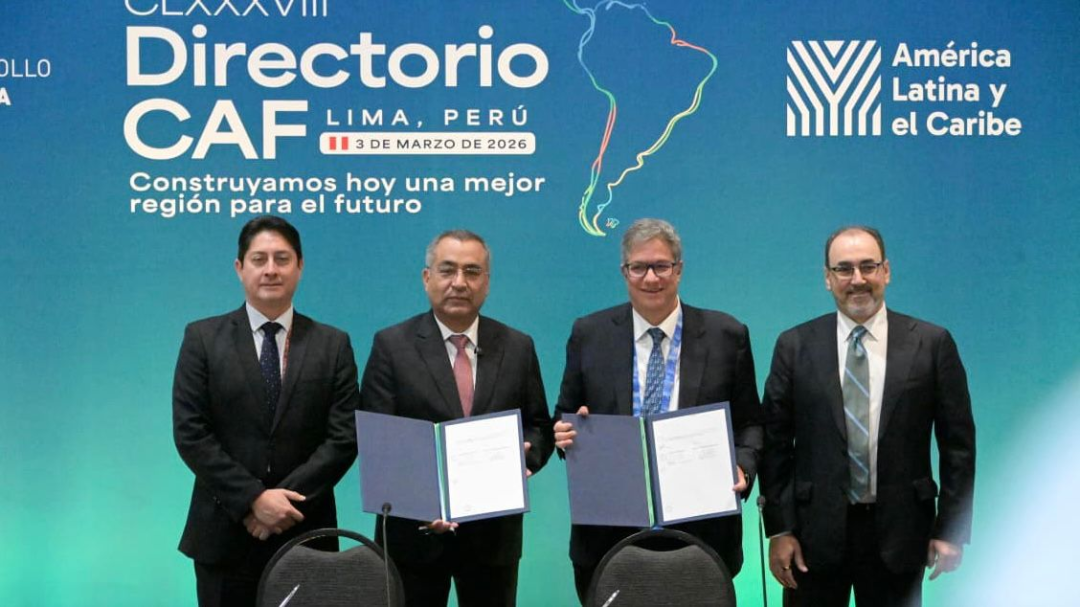
However, with the recent landing of a key fund, this deadlock is being broken. The Ministry of Transport and Communications of Peru has officially signed a technical cooperation agreement with the Development Bank of Latin America and the Caribbean, marking a substantial step forward for the highly anticipated Balanca Trujillo railway project, commonly known as the Northern Train. This is not only the construction of a railway, but also a crucial step for Peru to reconstruct its national logistics map and activate the Pacific Coast Economic Corridor.
4 million US dollars in seed funding leveraged 4.9 billion US dollars in massive investment
According to the agreement, CAF will provide approximately $4 million in free technical assistance specifically for the preliminary feasibility study of the project. Although this funding only accounts for 37% of the total research cost of 10.8 million US dollars, it plays a crucial role in credit endorsement and leverage. As a priority project in Peru's national railway project portfolio, the Balanca Trujillo railway has a total length of 355 kilometers and is planned as a double track railway for both passenger and freight, with an estimated total investment of up to 4.941 billion US dollars.
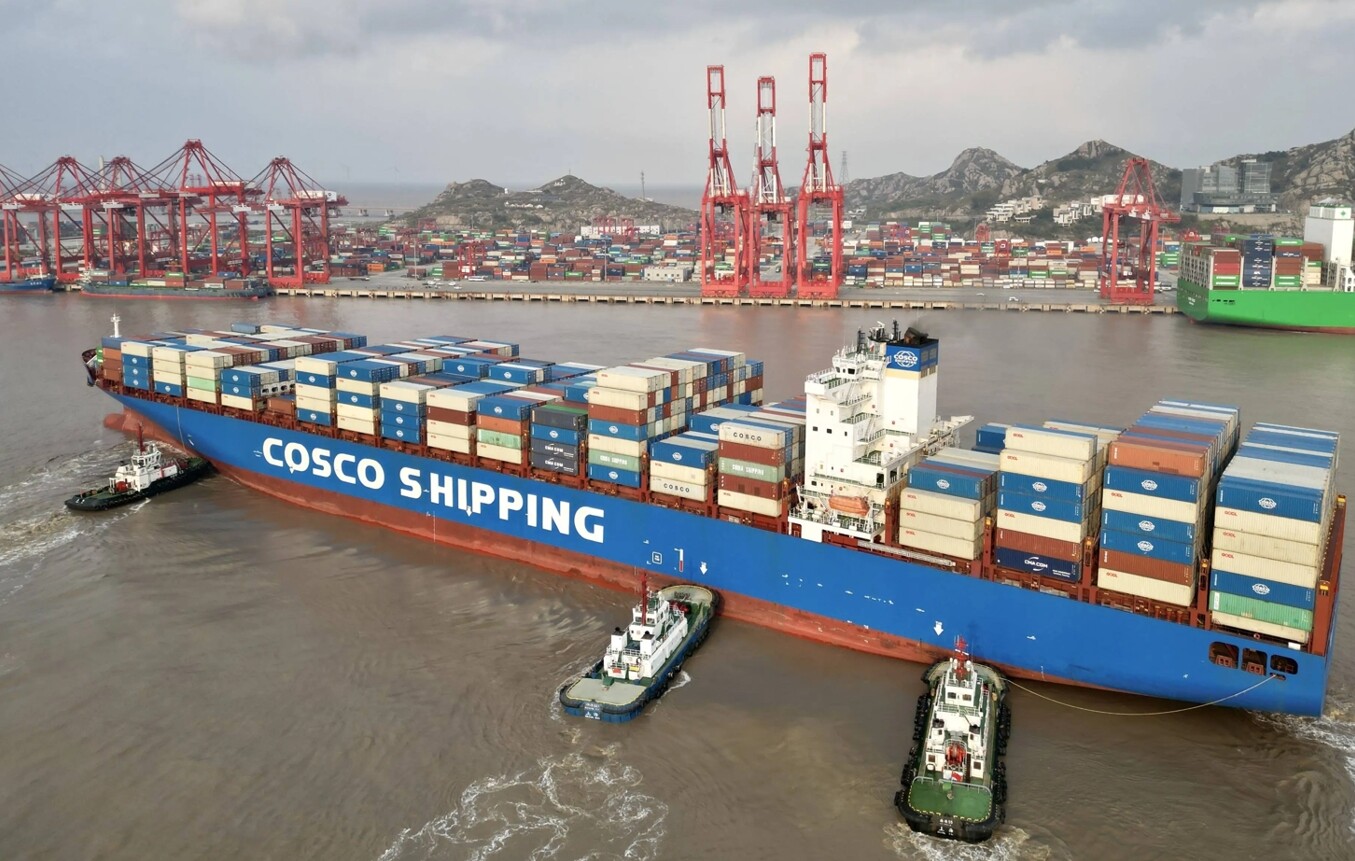
This route is not only a simple transportation line, but also the economic lifeline of northern Peru. It will strategically connect the three major Pacific coastal ports of Qiankai Port, Qinbote Port, and Sarawaki Port. Especially with the upcoming operation of the Qian Kai Port constructed by Chinese enterprises, this railway will become a major artery for the inland transportation of port goods, solving the stubborn problem of port access congestion. According to estimates, the project will directly benefit approximately 1.8 million residents in the Lima, Ancash, and La Libertad regions after completion, significantly reducing commuting time and lowering logistics accident rates.
Building a dry-shaped railway network
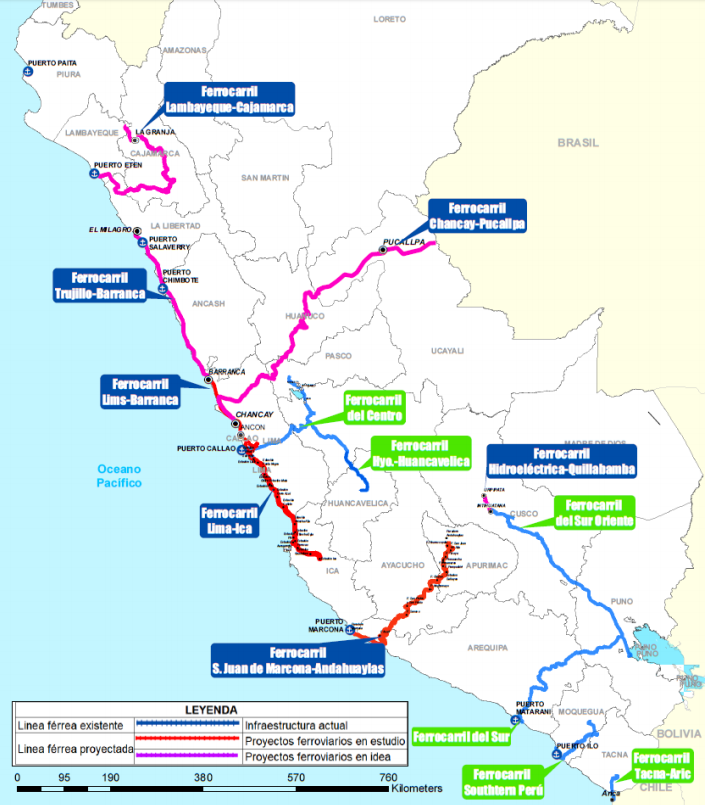
From the perspective of macro road network layout, the significance of the Balanka Trujillo railway goes far beyond itself. It is the northern core of the future vertical railway corridor along the coast of Peru, which can seamlessly connect with the Lima Balanca railway and Lima Ica railway to form a coastal high-speed rail freight channel that runs through the Pacific coast of Peru in the future.
What is even more anticipated is its long-term plan: with the gradual development of Peru's east-west railway (connecting inland resource producing areas with coastal ports), a "dry" - shaped road network structure will be formed, consisting of a vertical coastal and a horizontal inland. This will completely change Peru's long-standing embarrassing situation of having ports but no roads, and having roads that are impassable. Through sea rail intermodal transportation, the export costs of minerals and agricultural products will be reduced, laying the foundation for Peru to become a logistics hub in South America. Keywords: railway transportation, Qiankai Port, coastal freight channel
The Peruvian Ministry of Transport emphasized in a statement that this cooperation with CAF is an important step in restoring the strategic position of railways in the national transportation system. Against the backdrop of the overall acceleration of infrastructure construction in Latin America, this northern express carrying the hopes of 1.8 million people is sounding its horn and heading towards 2030, with the potential to become a new engine driving Peru's GDP growth.Editor/Cheng Liting
Comment


 Praise
 Collect
 Comment

 Share
Share


Write something~