 Search


- The bidding for the Uzbekistan toll road project has been concluded, and once completed, it will significantly shorten the travel time
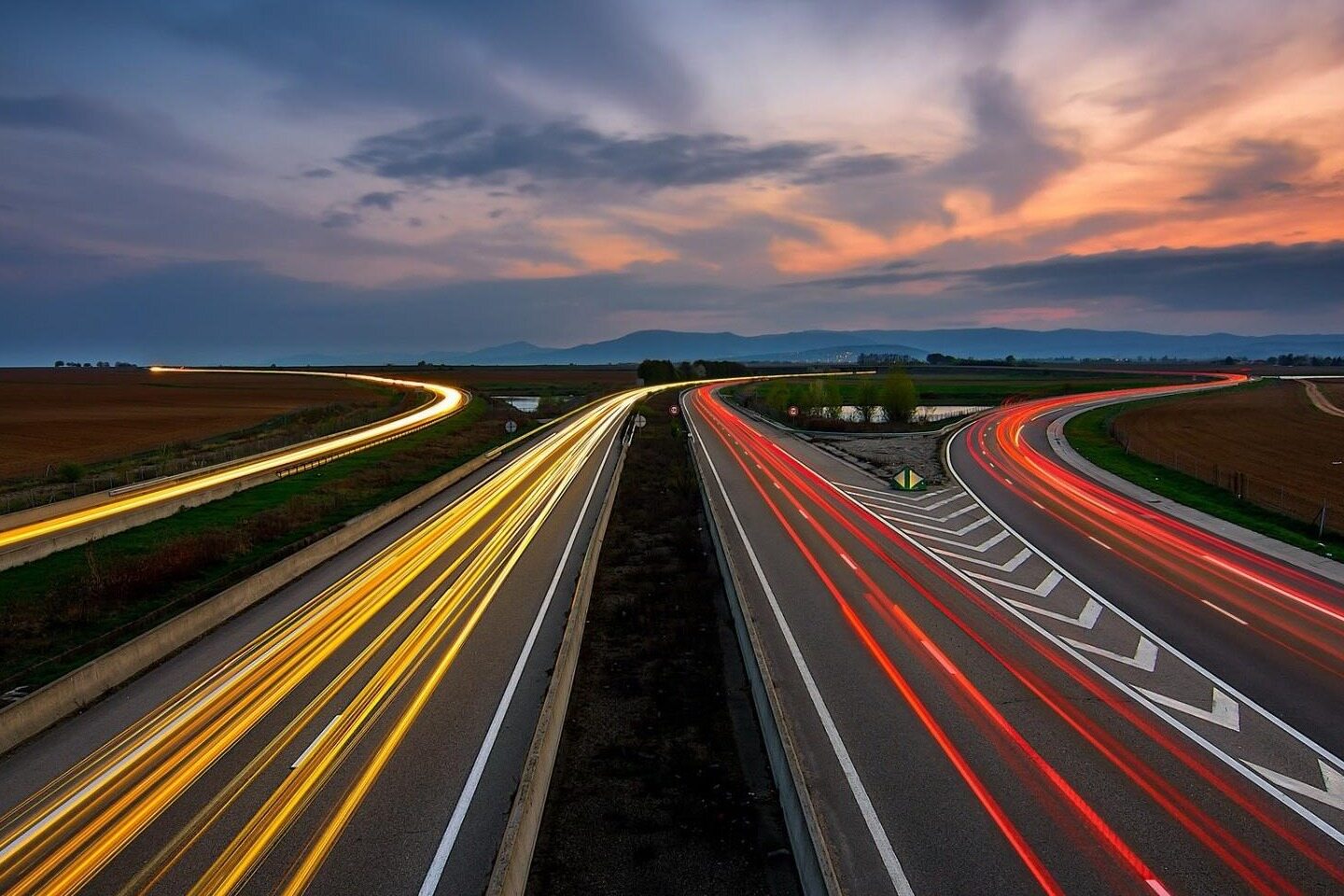
When the director of the Uzbekistan Highway Investment Agency, Asldin Isaev, said in front of the television camera that "the bidding work is nearing completion," a months long international secret war finally surfaced.
This planned toll highway will cross the steep Kamchik Pass - a natural barrier that often blocks traffic during long winters due to wind and snow. Once completed, the travel time from Tashkent to Andijan will be reduced from over 5 hours to 2.5 hours, and it will not only affect the changes in travel time.
The investment amount of 3.66 billion US dollars, the title of the largest tunnel in Central Asia, the endorsement of the World Bank, and the competition of top enterprises from China, France and Türkiye - this project is becoming the most popular piece of cake on the infrastructure map of Central Asia.
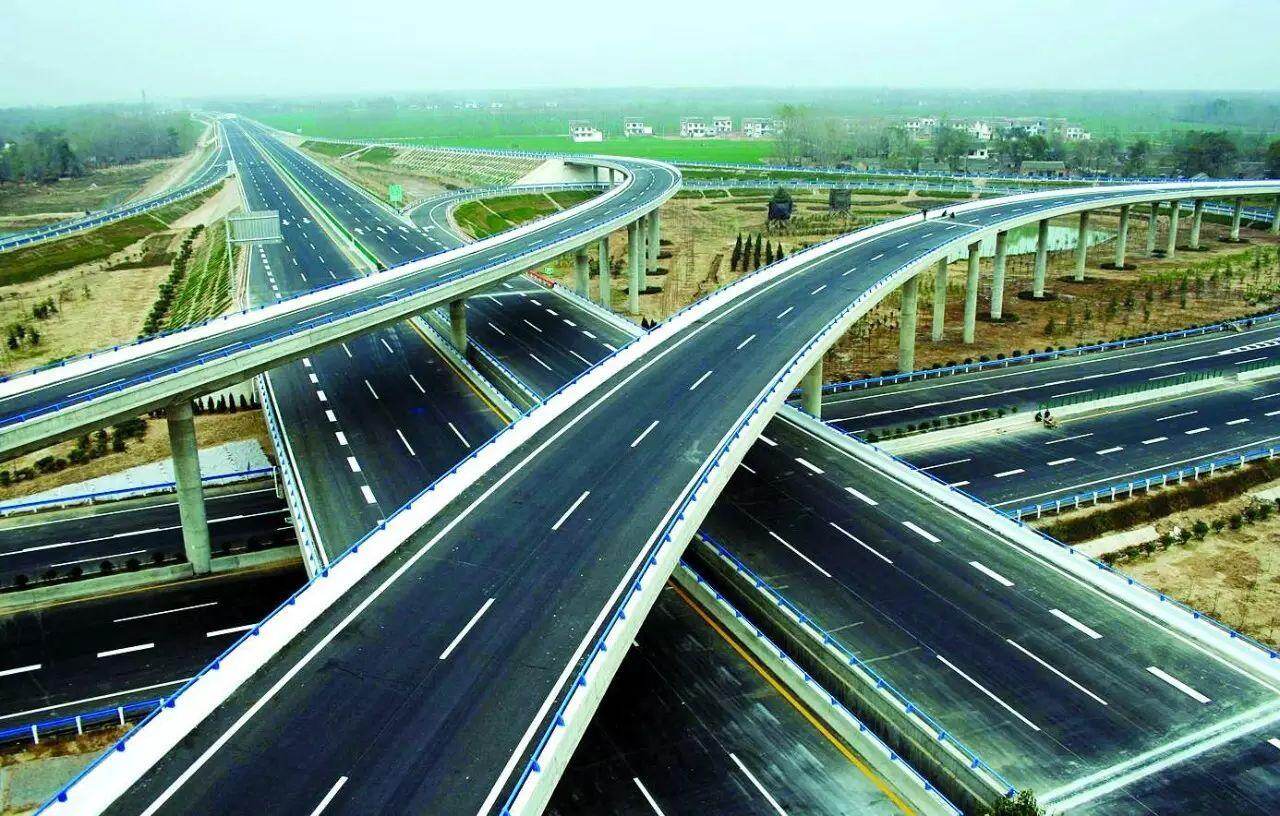
Break through the traffic bottleneck in Fergana
The Kamchik Pass has always been a "roadblock" on the transportation routes in eastern Uzbekistan. In winter, heavy snow blocks the mountains, and in spring, melting snow leads to landslides, leaving the only passage connecting the capital Tashkent and the Ferghana Valley in an unpredictable state throughout the year.
This toll road, with a total length of 314 kilometers, will start with the 171 kilometer Tashkent Angren Kamchik mountain pass section, completely rewriting this pattern with a 33 kilometer through mountain section and 10 tunnels. The design standard of 1B level four lane, with a speed range of 120 to 150 kilometers per hour, means that vehicles can travel around the clock even in rainy and snowy weather. For millions of people in the Fergana Valley, this is not only a fast lane to the capital, but also a lifeline to the entire country's economic lifeline.
International giants compete on the same field
Oyana is responsible for the design, with support from the World Bank. The bid submitted by Uzbekistan has attracted the attention of the global infrastructure industry from the very beginning.
French enterprises have the top technology in mountain tunnel construction. Türkiye's builders have taken a strategic position in the Central Asian market in recent years, while Chinese enterprises have entered the market with rich overseas infrastructure experience and financing capacity under the the Belt and Road framework. Each party has its own strengths, and bidding is not just a competition of prices, but also a comprehensive game of technical solutions, financing conditions, and operational commitments.
The Ukrainian side revealed that substantial construction is expected to commence within this year. No matter who ultimately wins, this bidding will become an important test of the openness and depth of cooperation in the Central Asian infrastructure market.
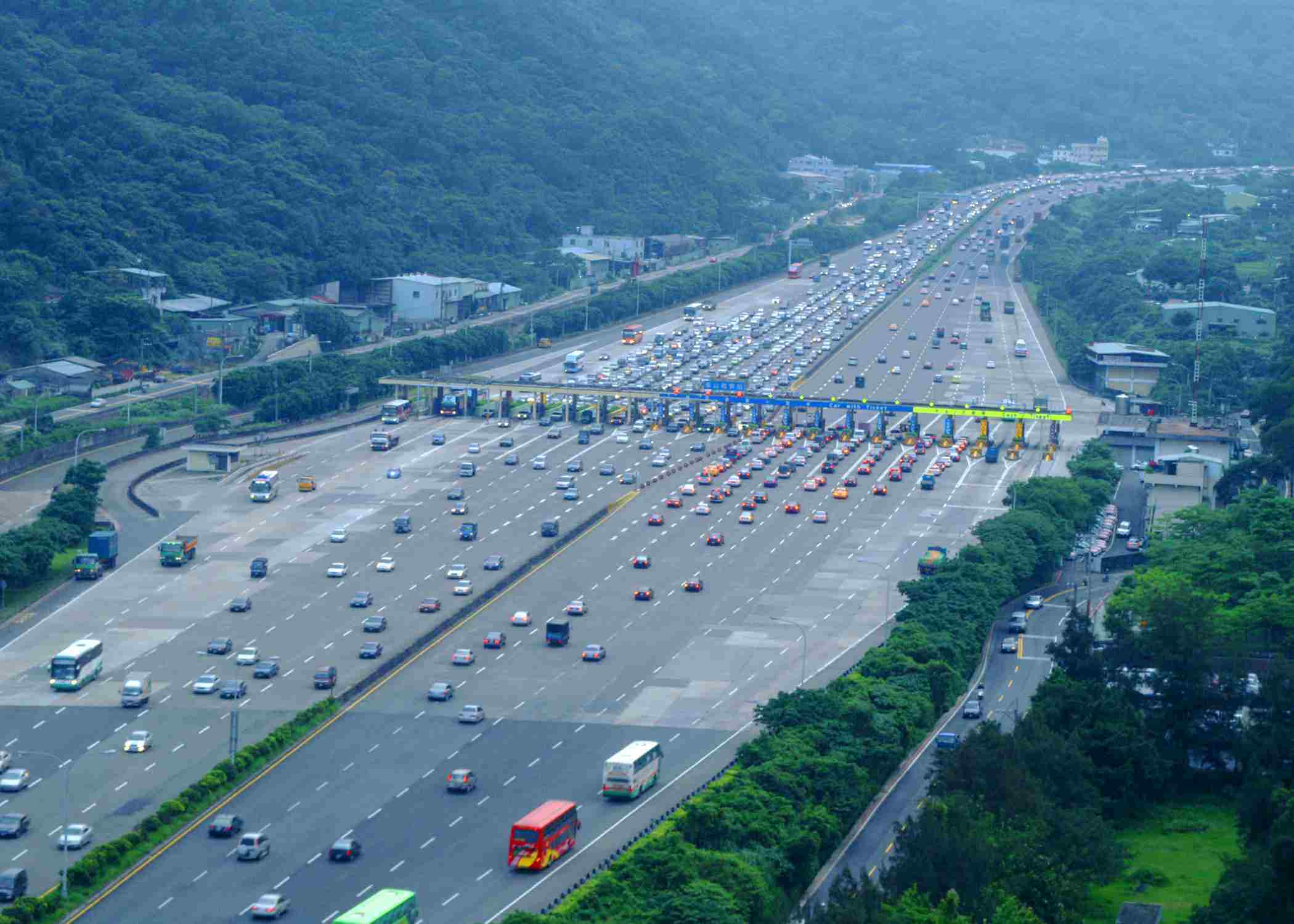
The Business Logic of Eight Year Return on Investment
The investment of 3.66 billion US dollars is expected to generate an annual fee income of 465 million US dollars - based on this calculation, the cost can be recovered in about 8 years. In the field of infrastructure investment, this is undoubtedly a highly attractive financial model.
But the numbers on the books cannot fully summarize the significance of this project. It is a benchmark project in Uzbekistan to promote the toll road network through PPP mode, and is part of the strategic layout synchronized with four toll roads including Tashkent Samarkand, Tashgan Chalvak, and Ulgenchi Siva. Keywords: the Belt and Road news, highway infrastructure
When President Mirziyoyev personally listened to the report and the chairman of the Highway Commission stated that "the next step will be to report to the President on the relevant procedures for starting construction with contractors," what the outside world saw was a country redefining its economic geography with a modern transportation network. The tunnel at Kamchik Pass is the most crucial step in this grand chess game.Editor/Gao Xue
Comment


 Praise
 Collect
 Comment

 Share
Share


Write something~