 Search


- China has remained Africa's largest trading partner for 16 consecutive years
- Since the the Belt and Road Initiative was put forward in 2013, it has gone from blueprint to reality
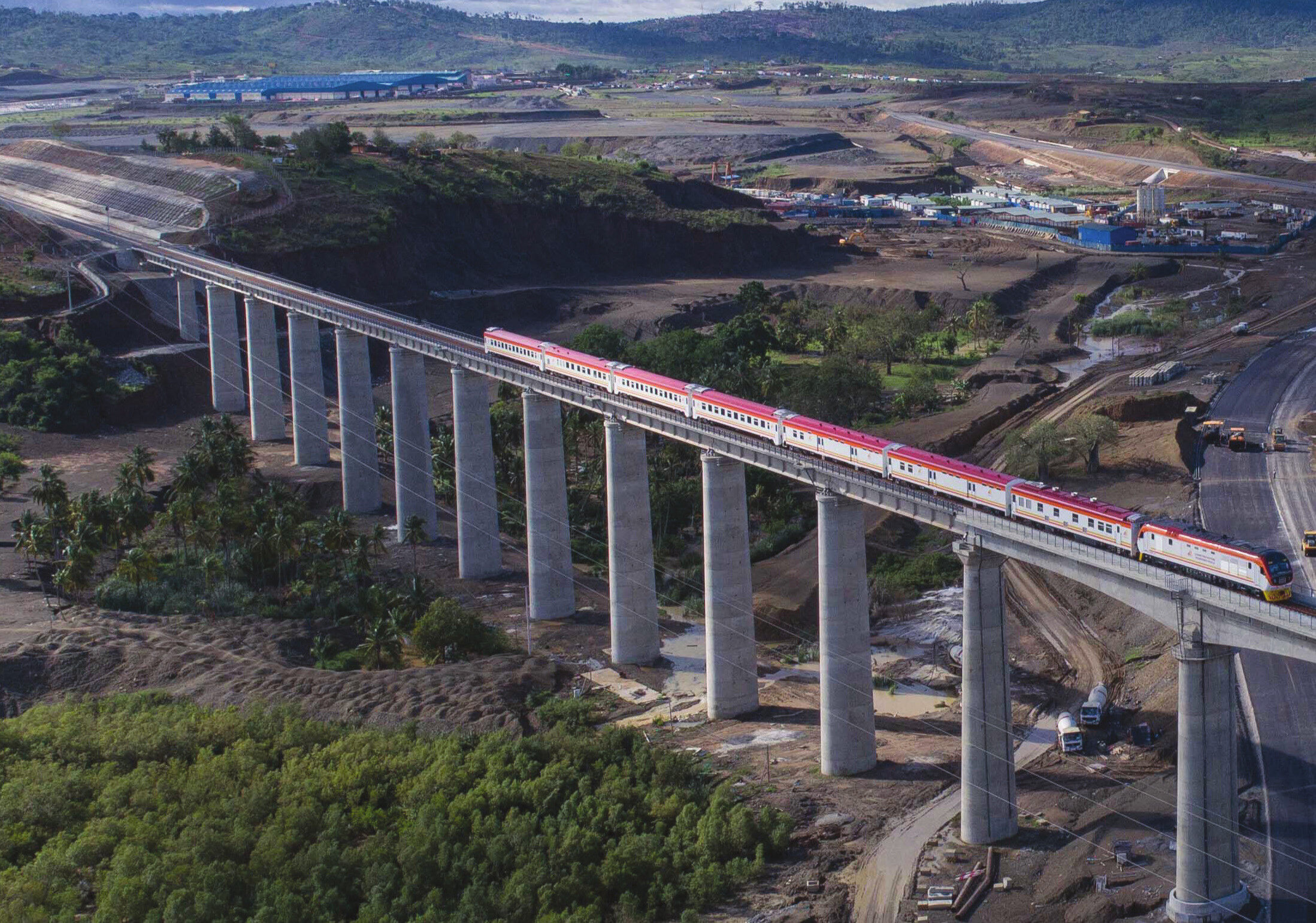
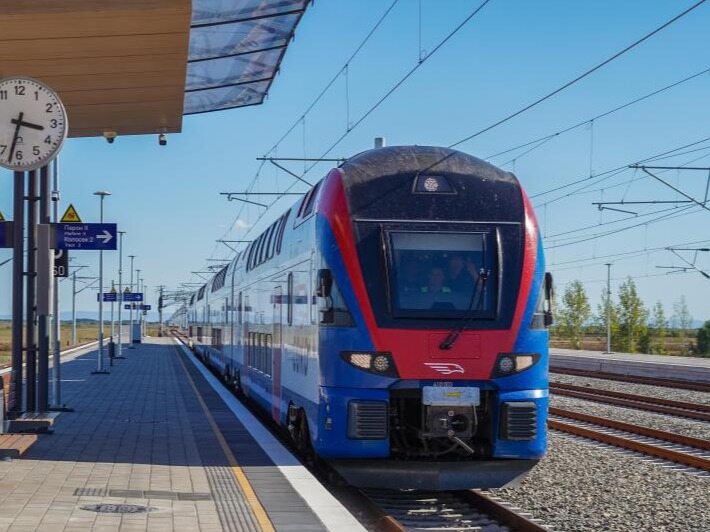
In the early morning, the train station in Nairobi, the capital of Kenya, was crowded with people. For local businessman Mohammed, taking the Mombasa Nairobi Railway to purchase goods at Mombasa Port has become his weekly routine. Previously, this road would be bumpy for over ten hours, but now it only takes four hours. My business turnover is much faster, "Mohammed said with a smile. This railway, constructed by a Chinese enterprise, not only shortens the distance in time and space, but also connects the industrial zones and logistics parks along the line, becoming the "main artery" of East African economic development.
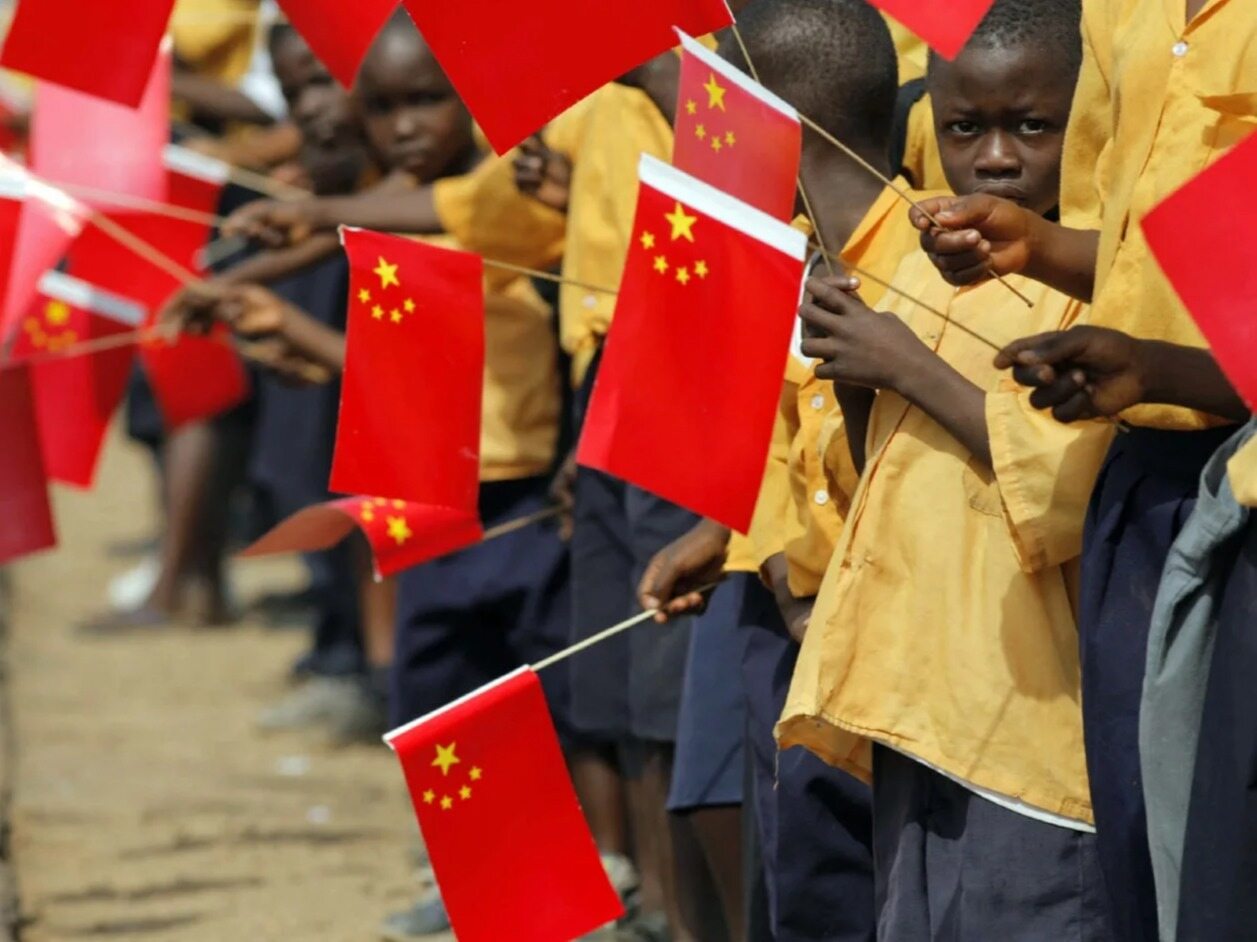
This is just a microcosm of the cooperation between China and Africa under the the Belt and Road framework. Since the proposal in 2013, more than 50 African countries have joined the ranks of joint construction, and China Africa cooperation is transitioning from simple infrastructure construction to building long-term productive partnerships.
Connect the development network of Africa
Africa has a population of over 1.4 billion, but weak infrastructure has always been a bottleneck restricting its development. According to the African Development Bank, the annual infrastructure investment funding gap in Africa is as high as 68 billion to 108 billion US dollars. The implementation of the the Belt and Road Initiative started from solving this pain point.
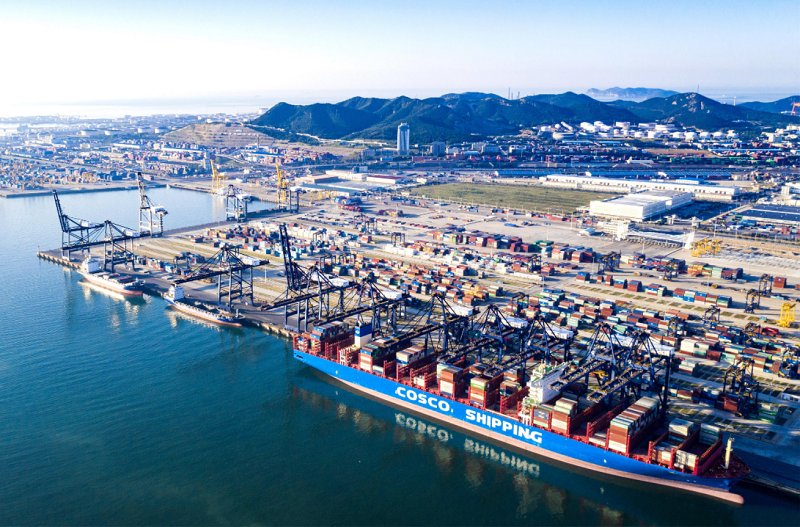
In Kenya, the Mombasa Nairobi Railway has shortened the travel time between Mombasa and Nairobi from over ten hours to about four hours, creating over 74000 job opportunities and driving industrial development along the route. In Djibouti, the construction of the Doha Lei Multi functional Port not only enhances the port's throughput capacity, but also becomes the lifeline of foreign trade for inland countries such as Ethiopia -90% of Ethiopia's foreign trade is completed through Djibouti.
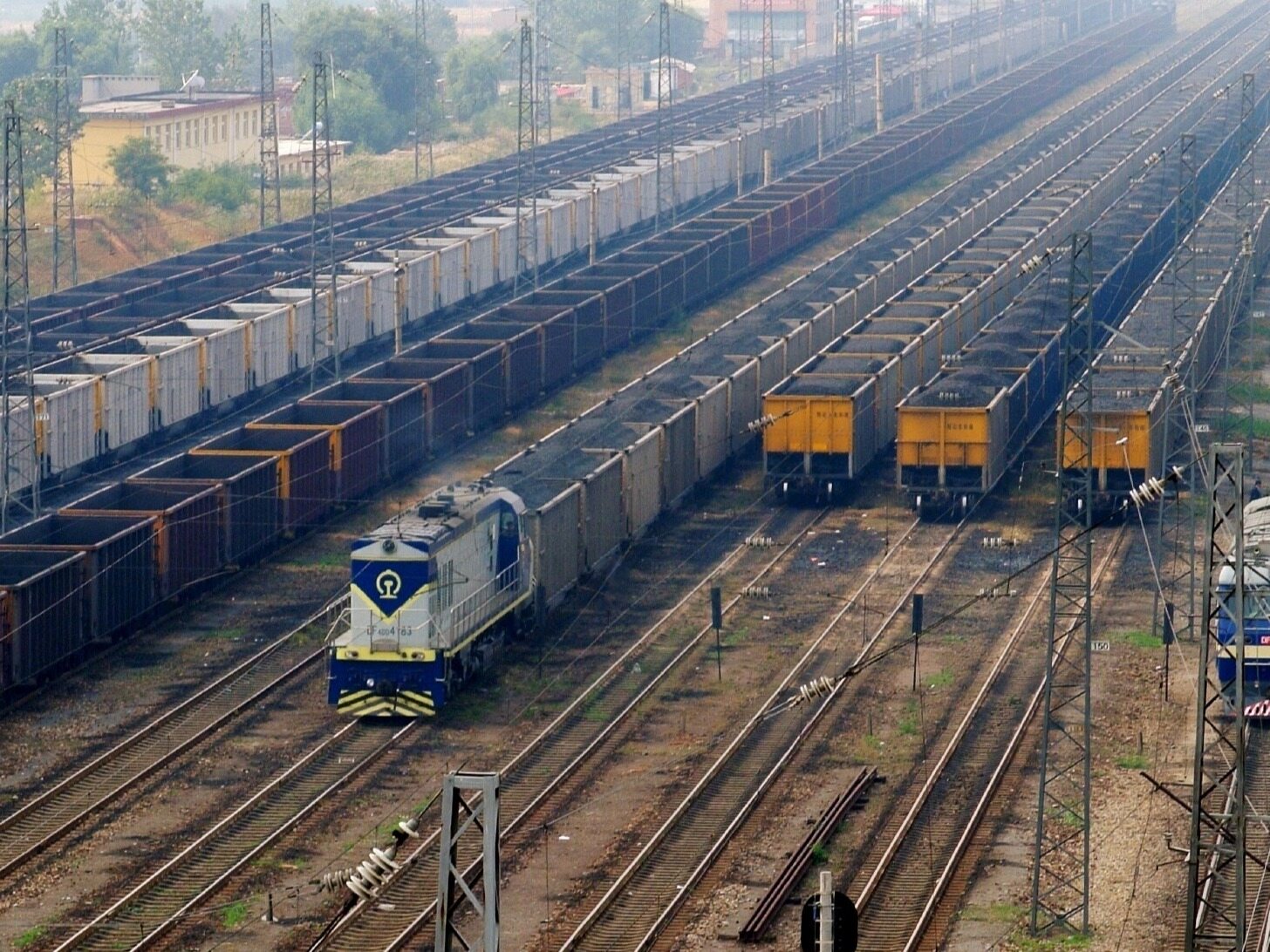
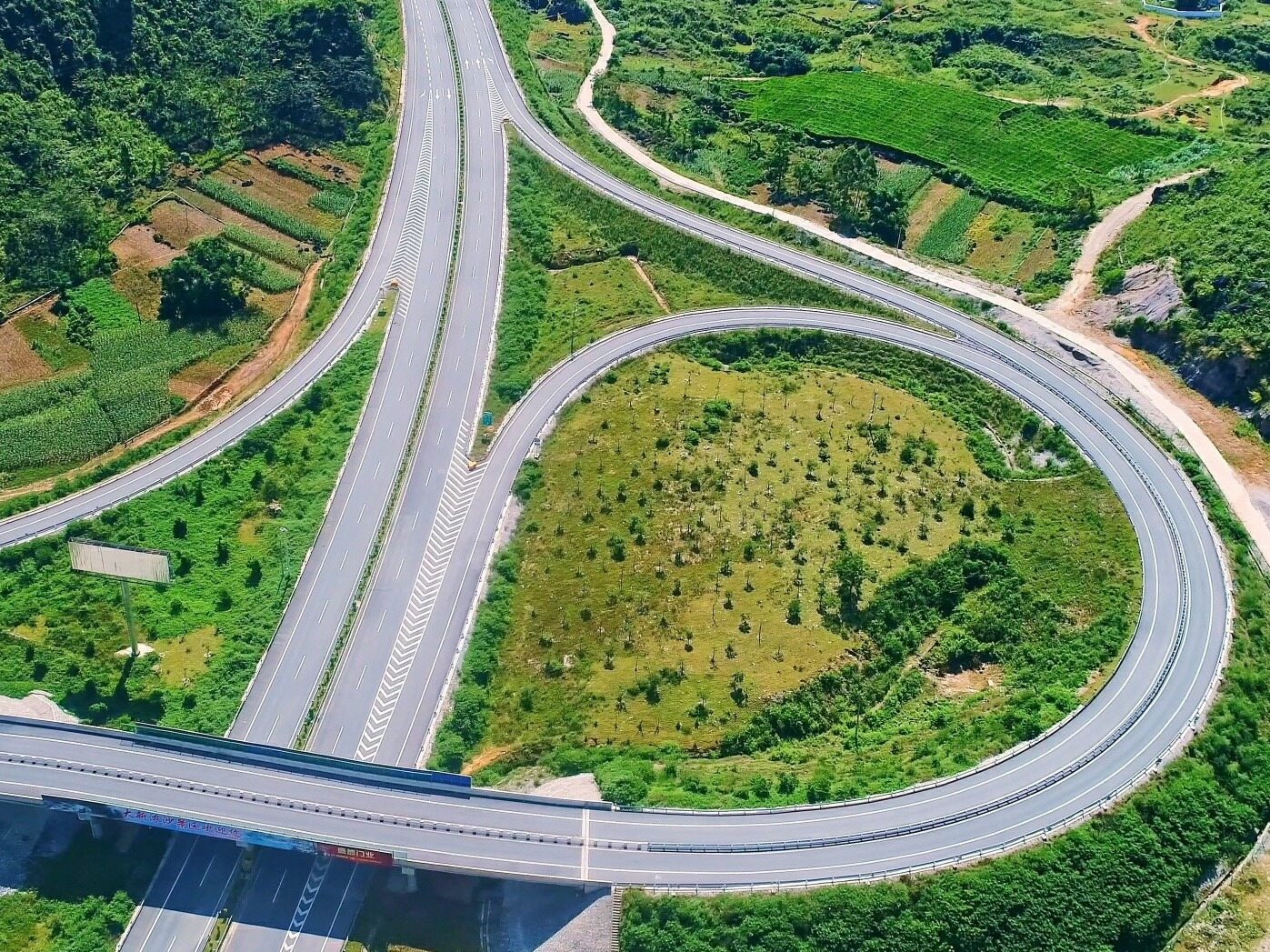
Data shows that Chinese companies have participated in the construction and renovation of over 10000 kilometers of railways and nearly 100000 kilometers of highways in Africa, as well as the development of more than 30 commercial ports. These projects have significantly reduced transportation costs across Africa, improved regional connectivity, and laid a solid foundation for achieving sustainable economic development in Africa.
The transition from blood transfusion to hematopoiesis
The practice of the the Belt and Road in Africa has gone beyond simple infrastructure investment to deeper industrial cooperation and capacity building. In the northwest of the Gulf of Suez in Egypt, the China Egypt Suez Economic and Trade Cooperation Zone has gathered nearly 200 Chinese enterprises, covering multiple fields such as fiberglass, building materials, and construction machinery. This not only provides thousands of direct employment opportunities, but also helps Egypt integrate into the global value chain through technology transfer and training programs.
In the past, we only exported raw materials, but now we can produce high value-added industrial products, "said Ahmed, a local employee in Egypt. This shift from "selling resources" to "manufacturing products" is a crucial step towards high-quality development of China Africa cooperation.
According to statistics, more than ten years after the the Belt and Road Initiative was launched, Chinese enterprises have created millions of jobs in Africa, and the proportion of local employees in some African countries has risen to more than 80%. At the same time, China's stock of direct investment in Africa has exceeded 40 billion US dollars, and African companies have also gained more opportunities to enter the Chinese market.
Sustainable and Green Future
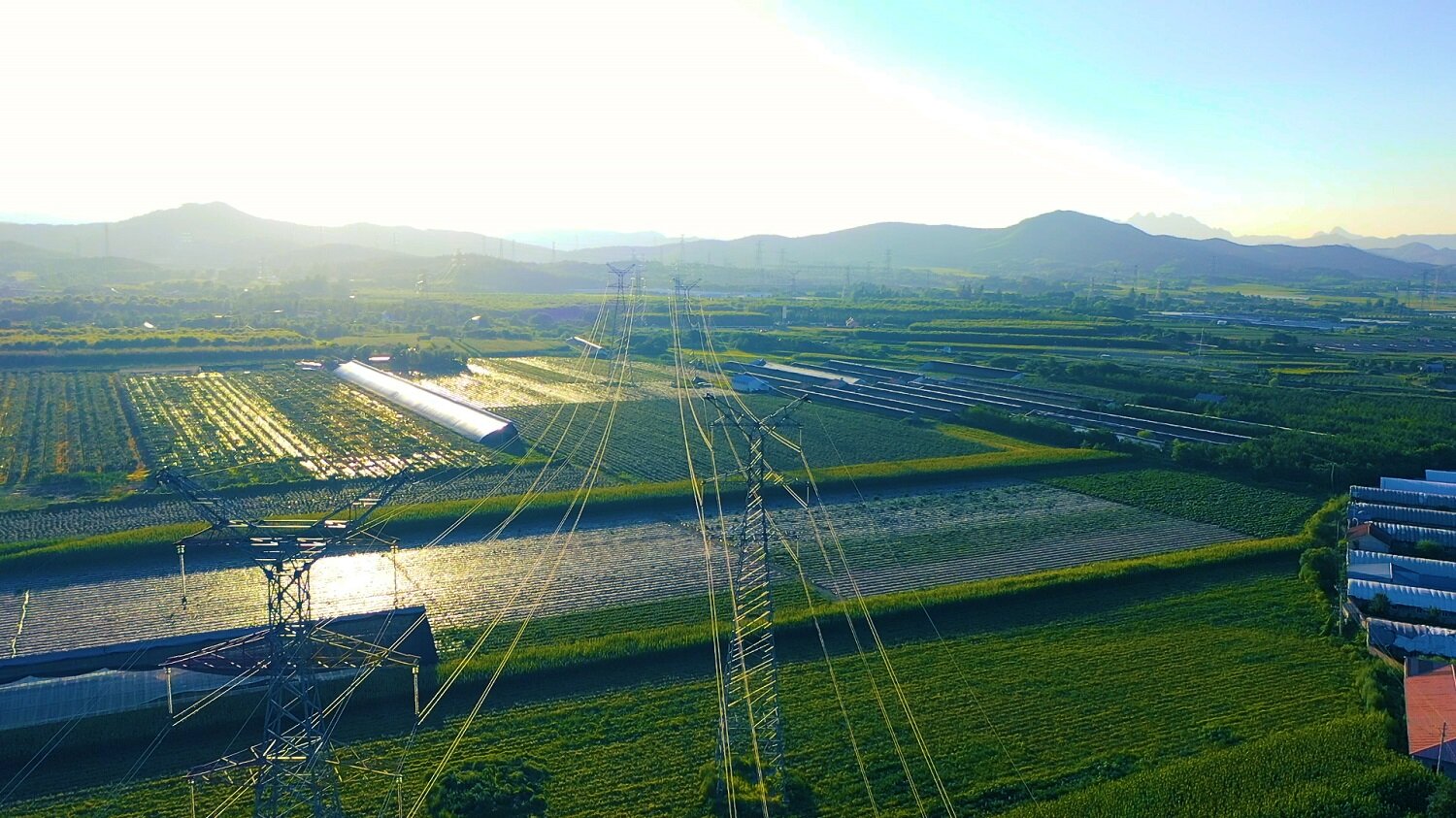
With the increasing global attention to climate change, the implementation of the the Belt and Road Initiative in Africa also pays more attention to green and sustainable development. In recent years, China's investment in Africa has gradually focused on renewable energy, gradually reduced investment in coal related projects, and vigorously supported the construction of the "Green the Belt and Road".
In Ethiopia, the Fuxing Dam hydropower project undertaken by Chinese companies not only solved the local power shortage problem, but also laid the foundation for industrial development in East Africa. In Kenya, the development of geothermal power projects provides a clean and stable energy supply for the local area.
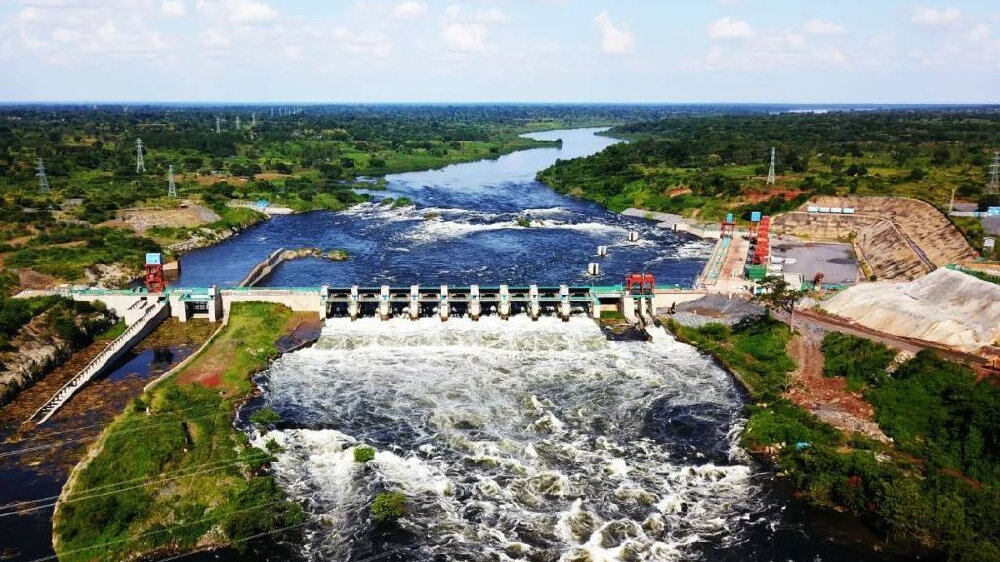
We not only need to build roads and bridges, but also protect the green mountains and rivers of Africa, "said the counselor of the Chinese Embassy in the African Union. In the future, China Africa cooperation will focus on digital transformation, relying on communication networks, smart cities, and e-commerce construction to promote the development of Africa's digital economy. At the same time, clean energy projects such as solar and wind energy will be laid out to help Africa achieve green transformation.
As the number of African countries joining the the Belt and Road Initiative continues to increase, China Africa relations are moving steadily towards deepening long-term development cooperation. From the whistle of the Mombasa Nairobi Railway to the roar of the Suez Cooperation Zone, the the Belt and Road Initiative is writing a new chapter of win-win cooperation on the African continent.Editor/Yang Meiling
Comment



 Praise
 Collect
 Comment

 Share
Share


Write something~